About the conference
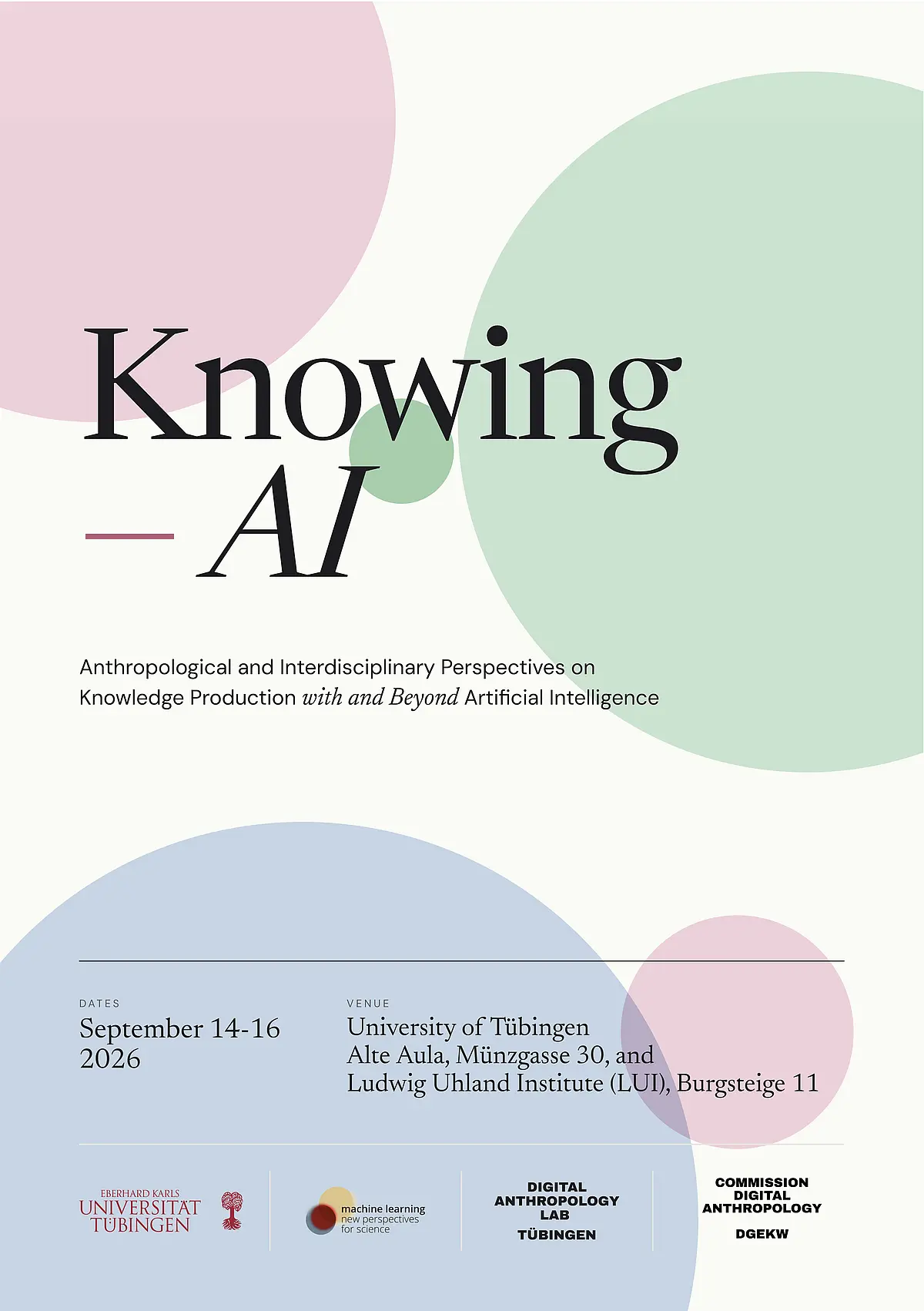
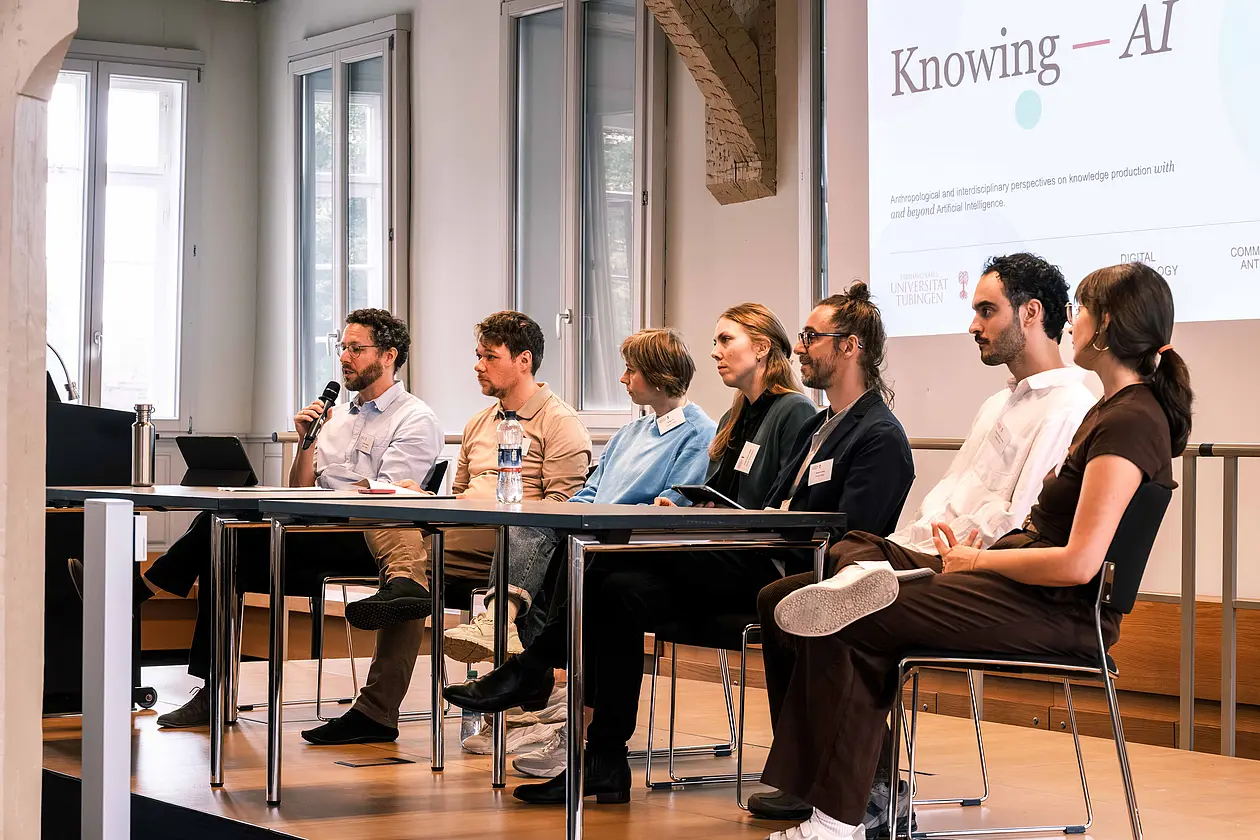
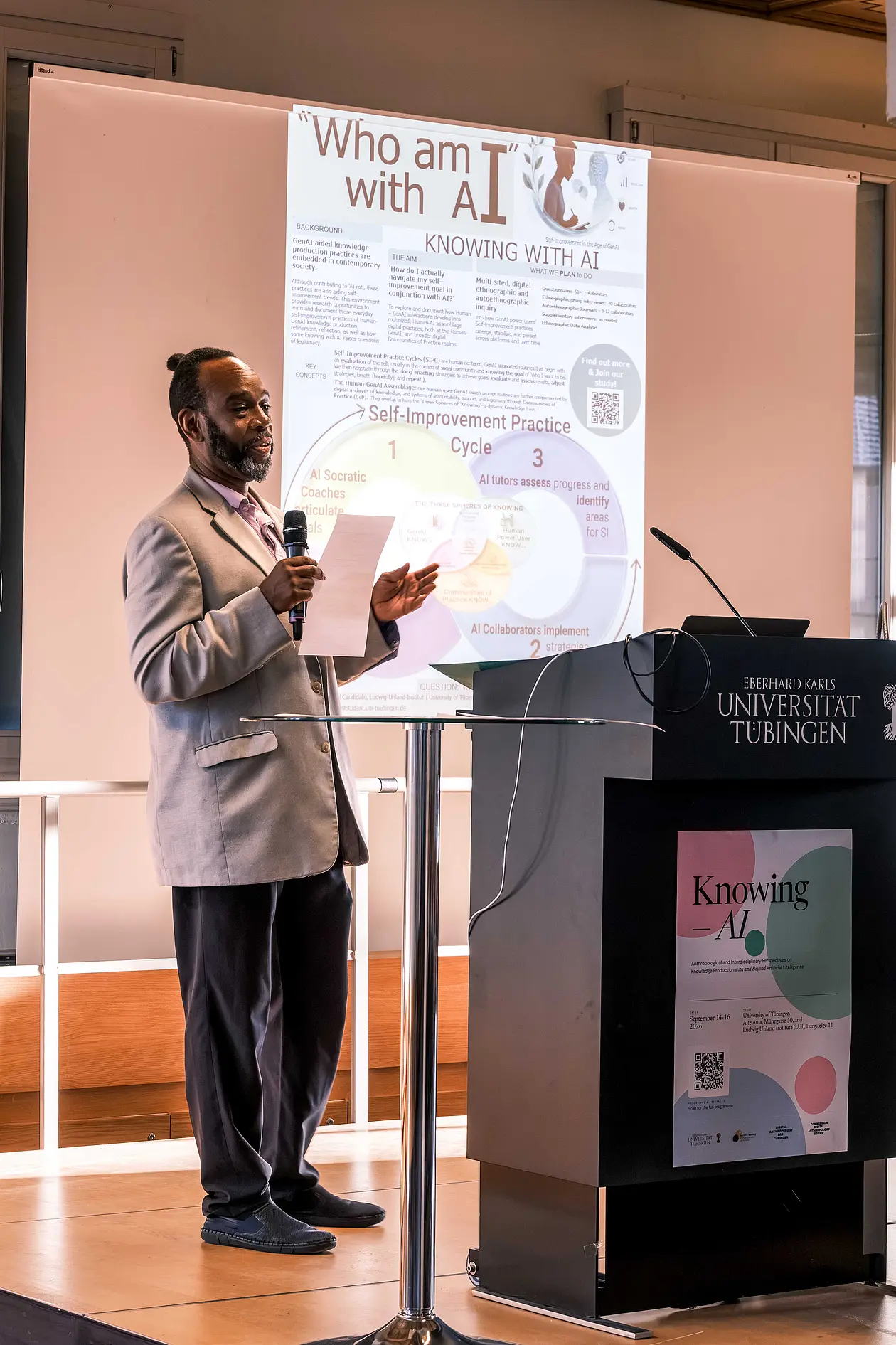
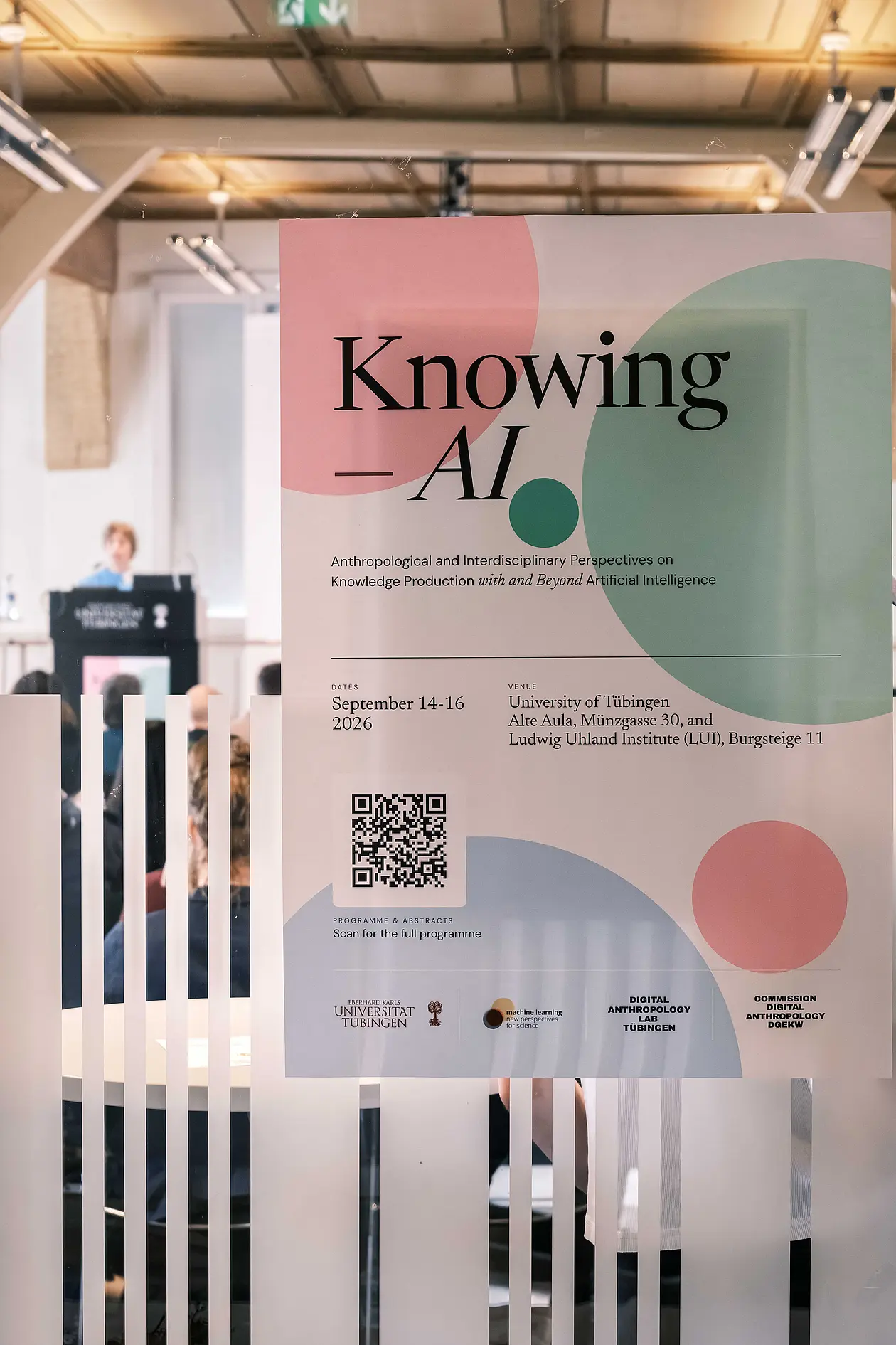
The recent acceleration of artificial intelligence (AI), in particular in the area of generative AI (GenAI), is currently having strong transformative effects on knowledge production in the areas of research and education, museums and memory institutions, social media and journalism, and more. Researchers, teachers, and students in academic and school environments, as well as museum practitioners, curators, educational social media influencers, journalists, and other knowledge workers, are beginning to incorporate AI into their daily knowledge practices. Throughout the last few decades, anthropologists and interdisciplinary scholars (e.g. from the field of science and technology studies) have already explored how technologies shape knowledge production. However, AI-based technologies have introduced new aspects into the relations between human actors, technologies and knowledge production, especially through their capacity to carry a particularly strong form of agency and to actively participate in and shape epistemic practices. At the same time, AI introduces new frictions, opacities, and conflicts into previously established epistemic orders. It also carries the risk of reproducing bias, reinforcing dominant ways of knowing and 'flattening' knowledge rather than fostering novelty and creativity. In response, many knowledge practitioners advocate for critically reflecting the use of these new technologies, promoting knowledge practices that resist the growing influence of AI. The transformations caused by recent AI developments are subject to interdisciplinary debates, to which strong contributions can be made by anthropologists. The 10th conference of the Digital Anthropology Section of the DGEKW, organized by the Digital Anthropology Lab at the University of Tübingen in cooperation with the Excellence Cluster Machine Learning: New Perspectives for Science, will therefore focus on how anthropological perspectives and approaches can enrich our understanding of AI-related transformations of knowledge production. It examines how knowledge is produced with and beyond AI, exploring its role in shaping everyday routines in a variety of knowledge fields, its integration into imagined futures in these fields, and the various forms of resistance it evokes.
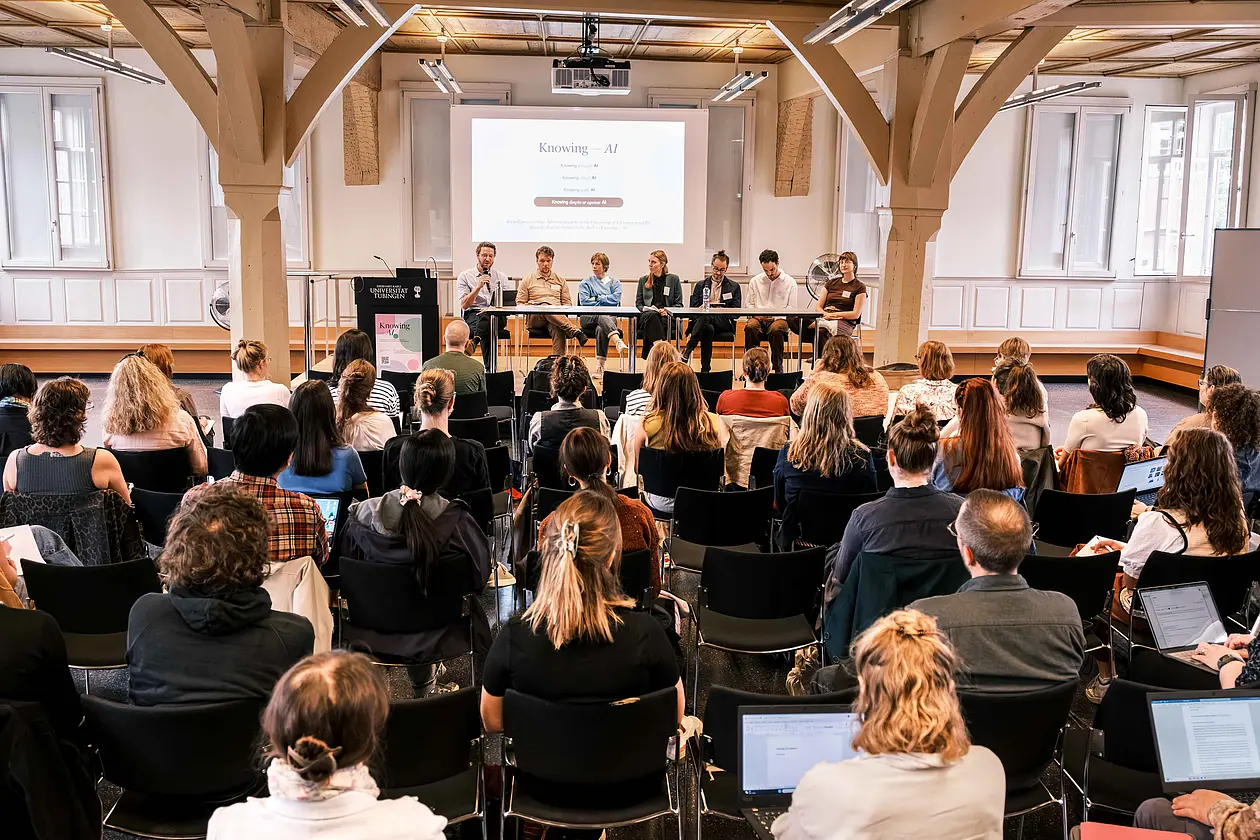
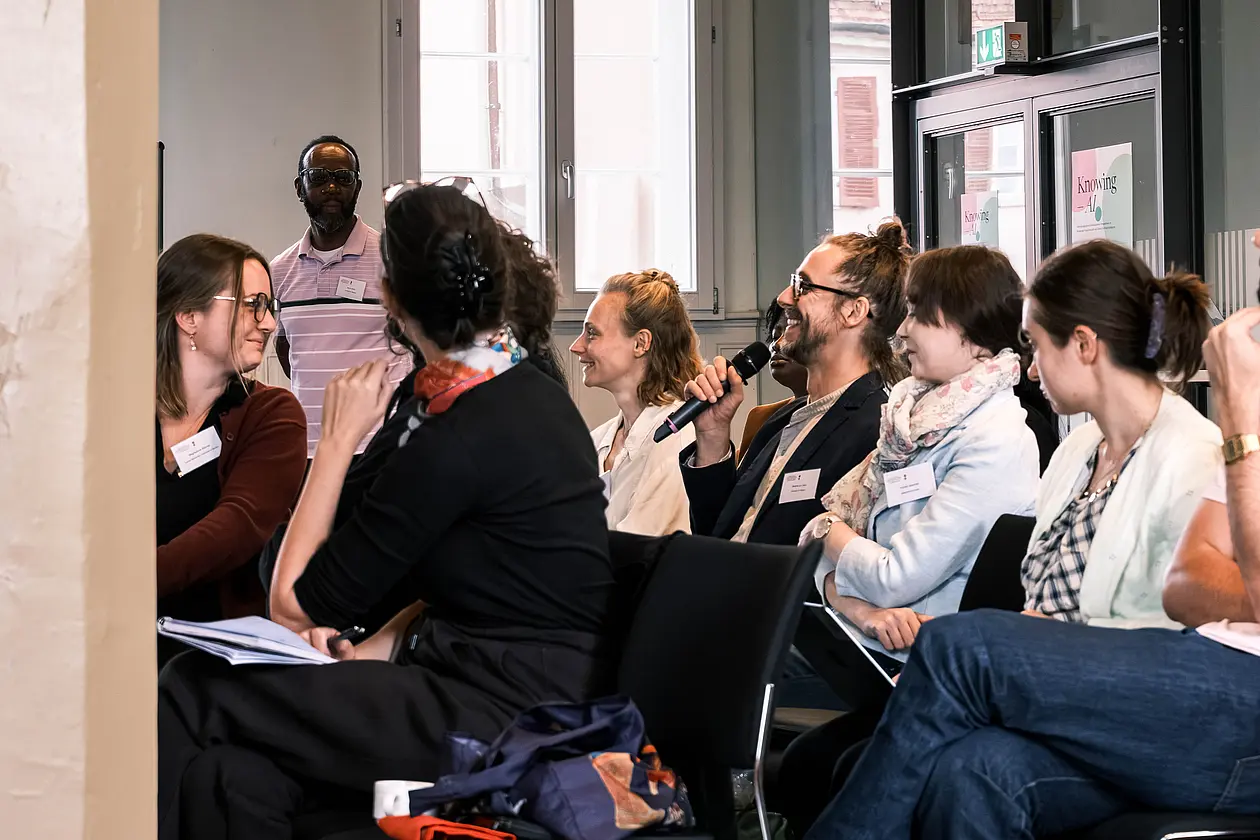
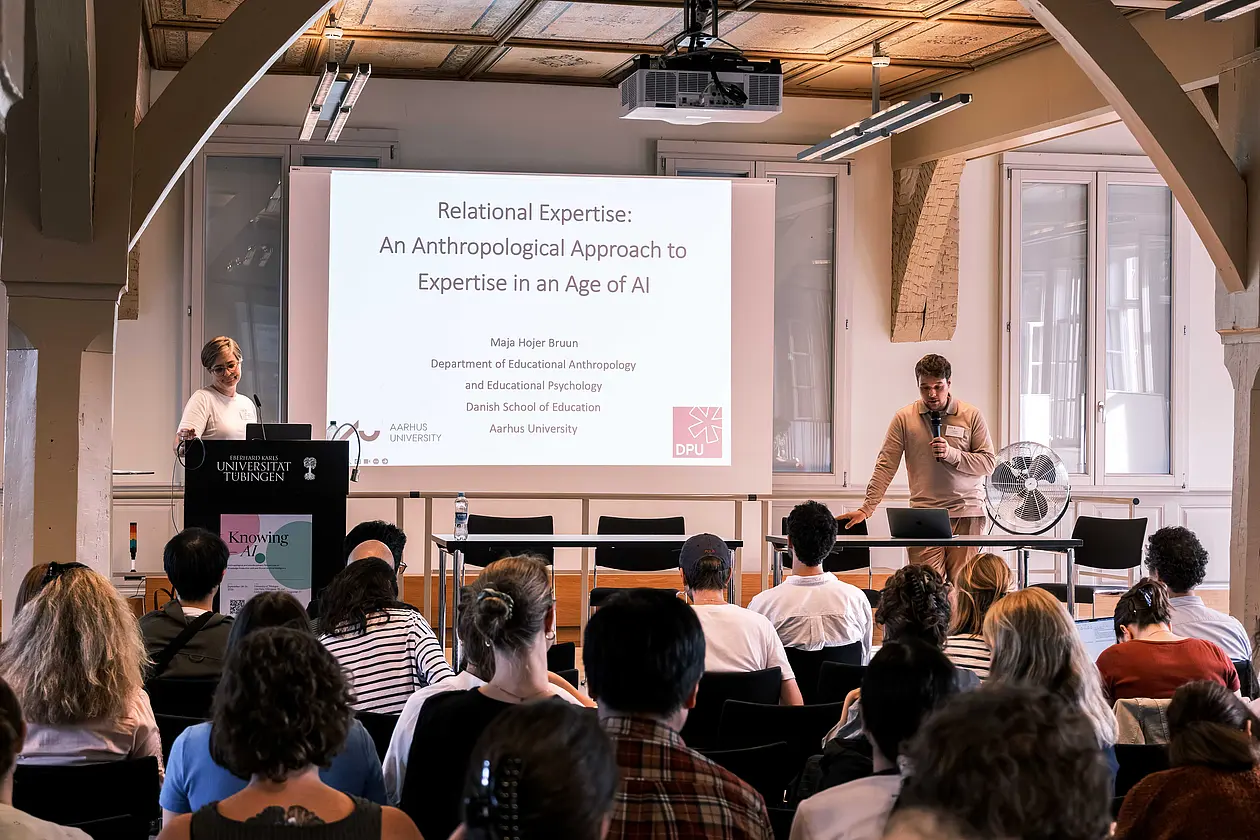
(Pictures by Julian Panzanaro)