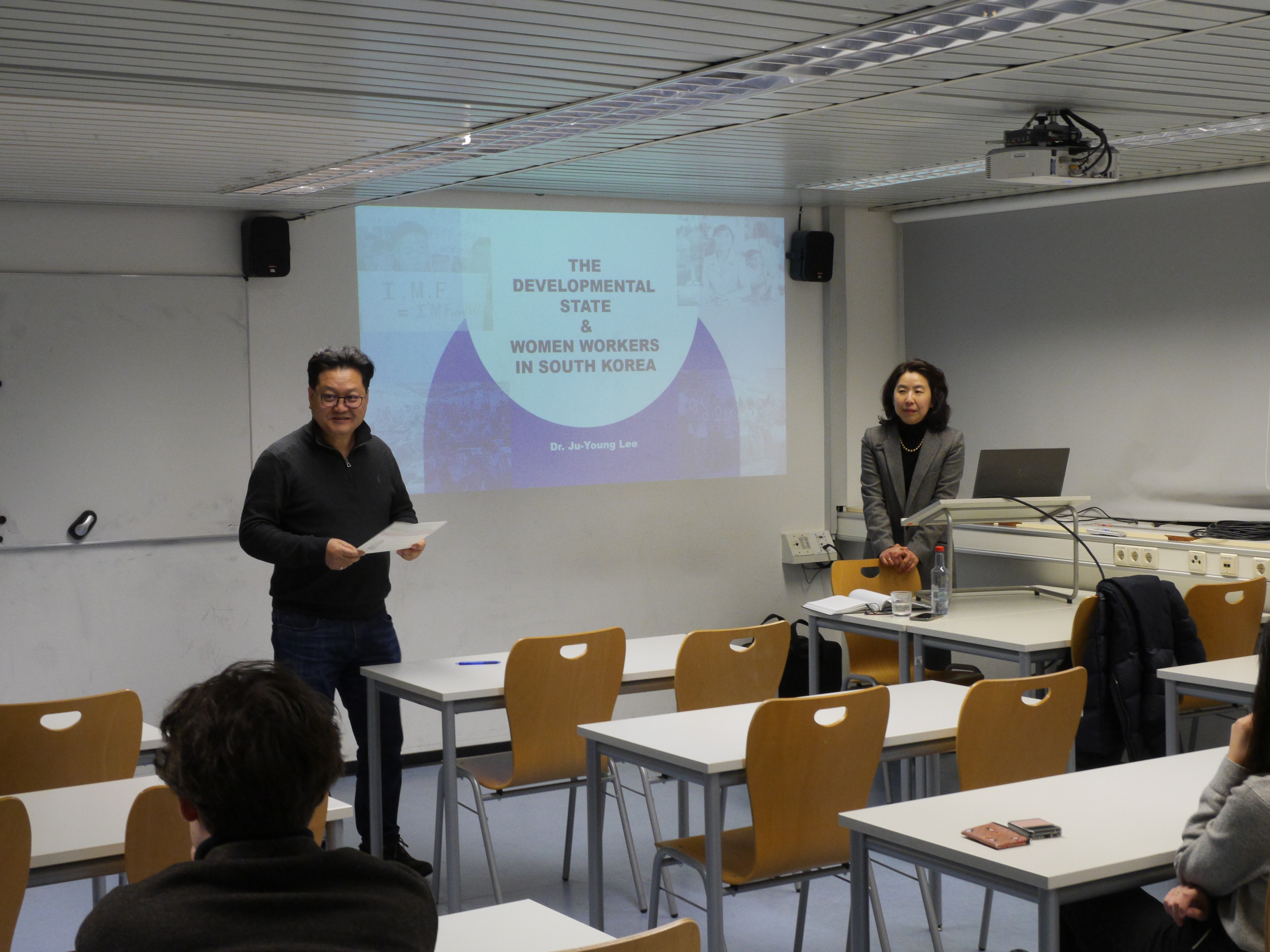
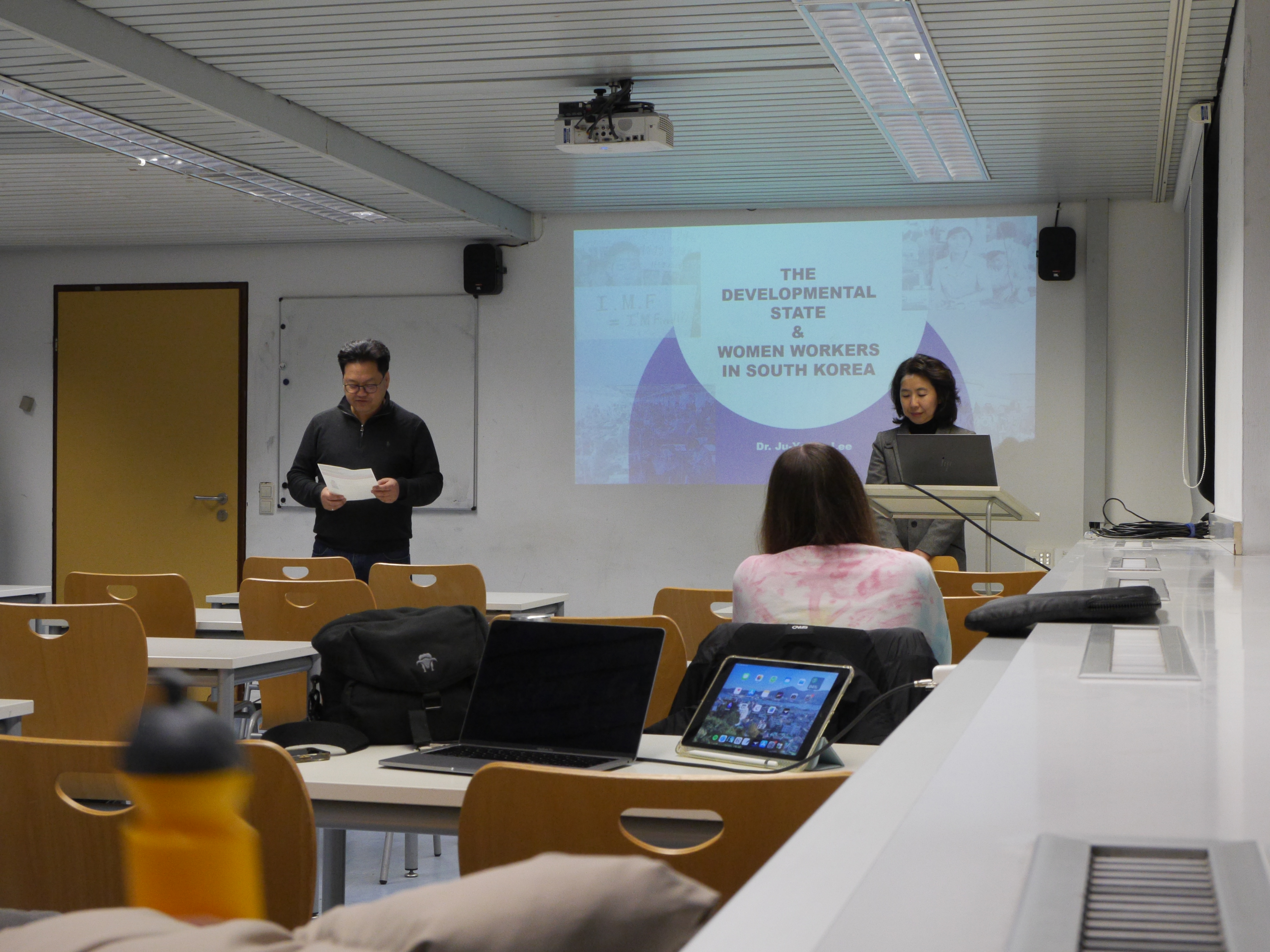
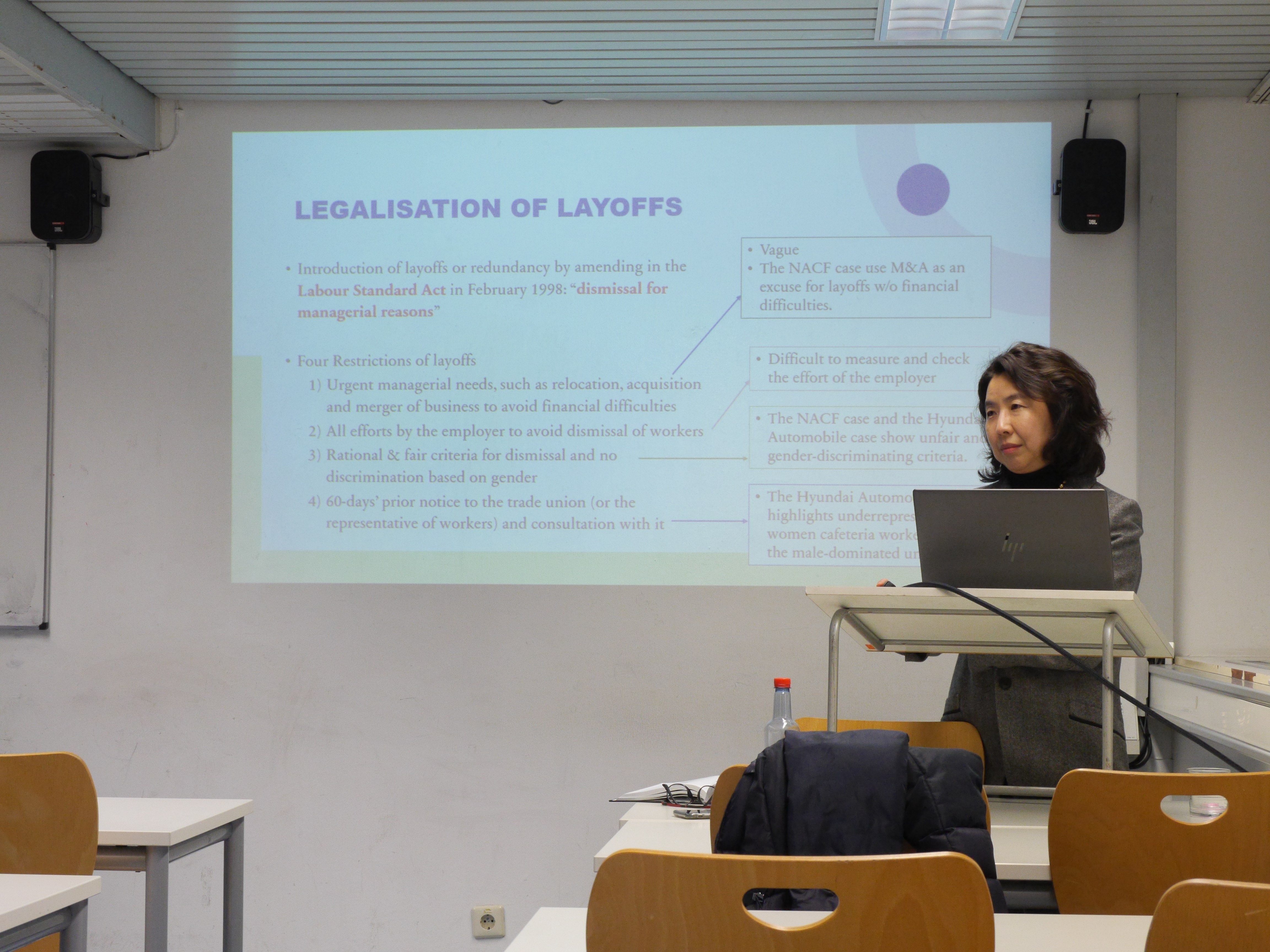
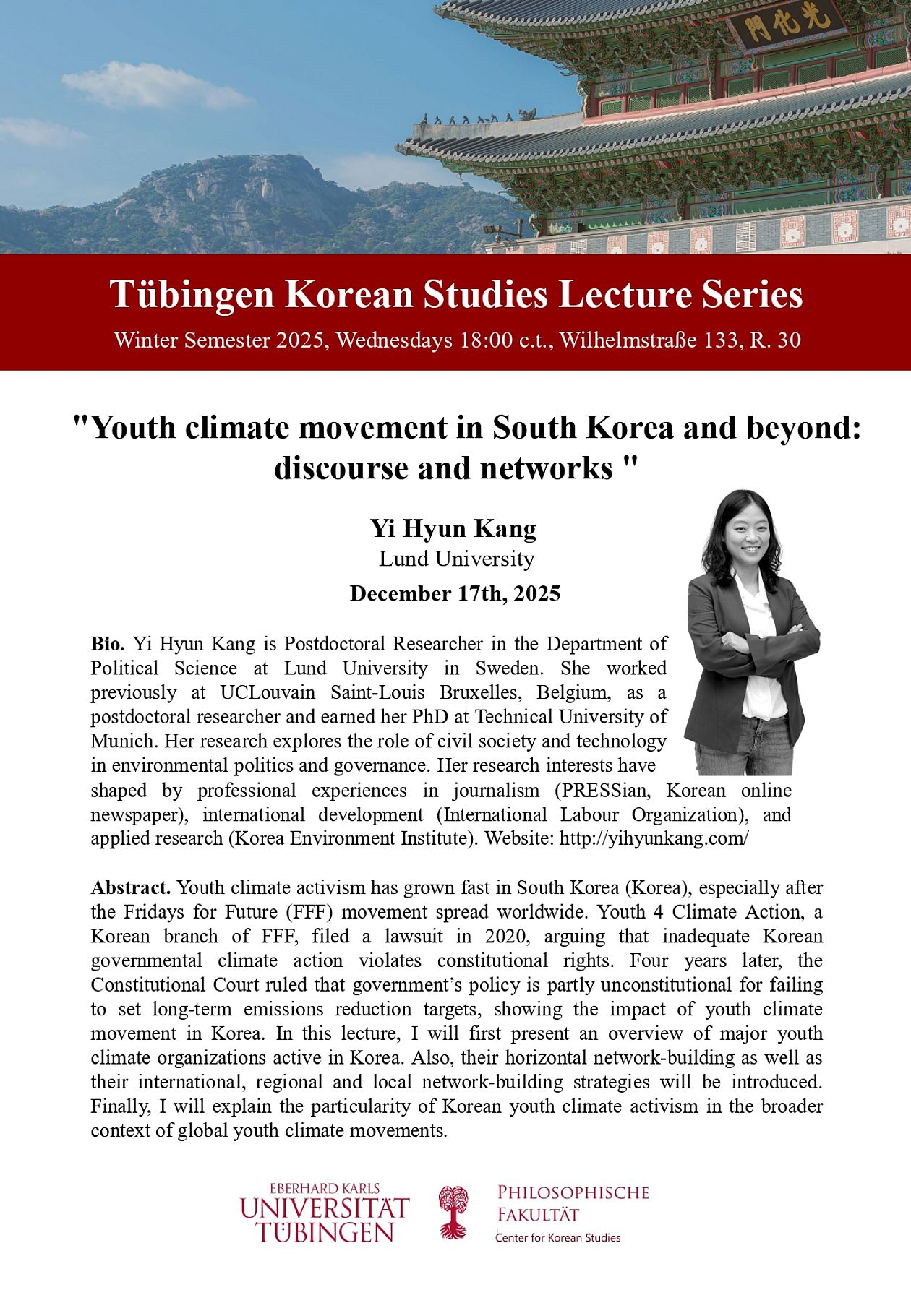
“Youth climate movement in South Korea and beyond: discourse and networks”
Yi Hyun Kang
Lund University
December 17th, 2025
Bio. Yi Hyun Kang is a Postdoctoral Researcher in the Department of Political Science at Lund University in Sweden. She previously worked at UCLouvain Saint-Louis Bruxelles, Belgium, as a postdoctoral researcher, and earned her PhD at the Technical University of Munich. Her research explores the role of civil society and technology in environmental politics and governance. Her research interests have
Abstract. Youth climate activism has grown fast in South Korea (Korea), especially after the Fridays for Future (FFF) movement spread worldwide. Youth 4 Climate Action, a Korean branch of FFF, filed a lawsuit in 2020, arguing that inadequate Korean governmental climate action violates constitutional rights. Four years later, the Constitutional Court ruled that the government’s policy is partly unconstitutional for failing to set long-term emissions-reduction targets, underscoring the impact of a youth climate movement in Korea. In this lecture, I will first present an overview of major youth climate organizations active in Korea. Also, their horizontal and international, regional, and local network-building strategies will be introduced. Finally, I will explain the particularity of Korean youth climate activism in the broader context of global youth climate movements. Her research interests have been shaped by professional experiences in journalism (PRESSian, Korean online newspaper), international development (International Labour Organization), and applied research (Korea Environment Institute). Website: http://yihyunkang.com/
Abstract. Youth climate activism has grown fast in South Korea (Korea), especially after the Fridays for Future (FFF) movement spread worldwide. Youth 4 Climate Action, a Korean branch of FFF, filed a lawsuit in 2020, arguing that inadequate Korean governmental climate action violates constitutional rights. Four years later, the Constitutional Court ruled that the government’s policy is partly unconstitutional for failing to set long-term emissions reduction targets, showing the impact of the youth climate movement in Korea. In this lecture, I will first present an overview of major youth climate organizations active in Korea. Also, their horizontal network-building as well as their international, regional and local network-building strategies will be introduced. Finally, I will explain the particularity of Korean youth climate activism in the broader context of global youth climate movements.