

11.06.2026
[Blog:] Bets in Common: Migration on the Margins of a City in the Global South
Luis Alfredo Briceño Gonzalez
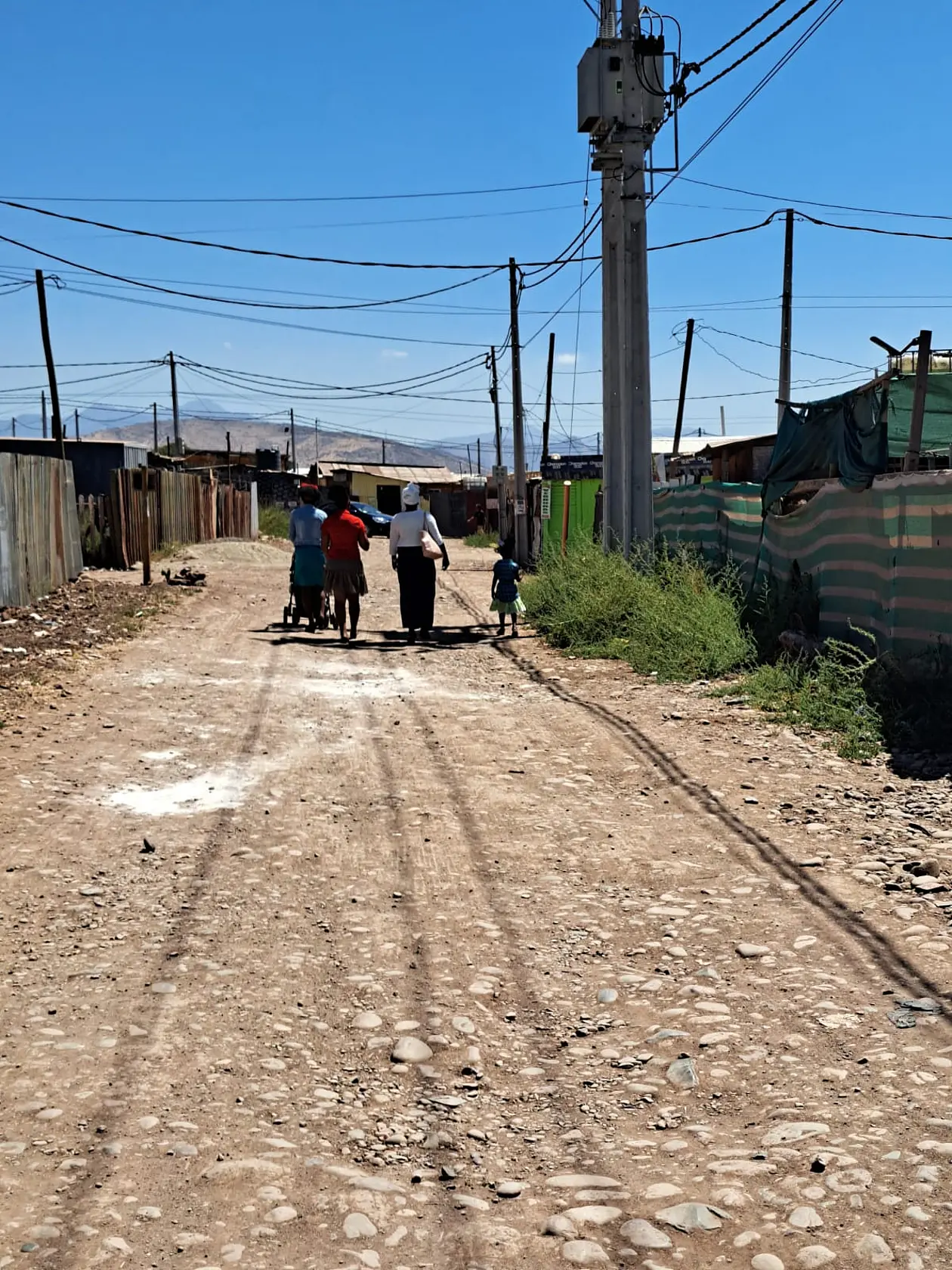
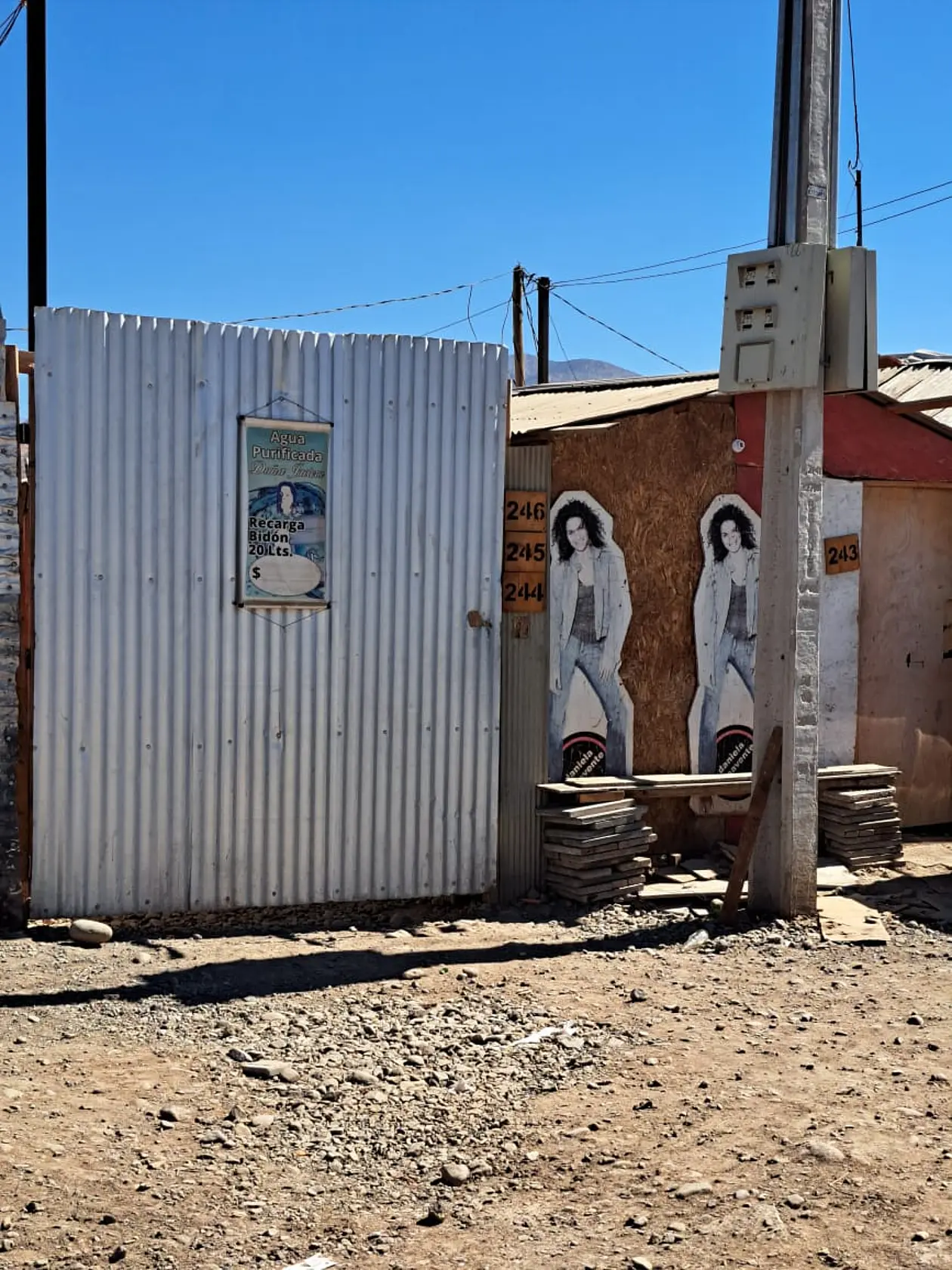
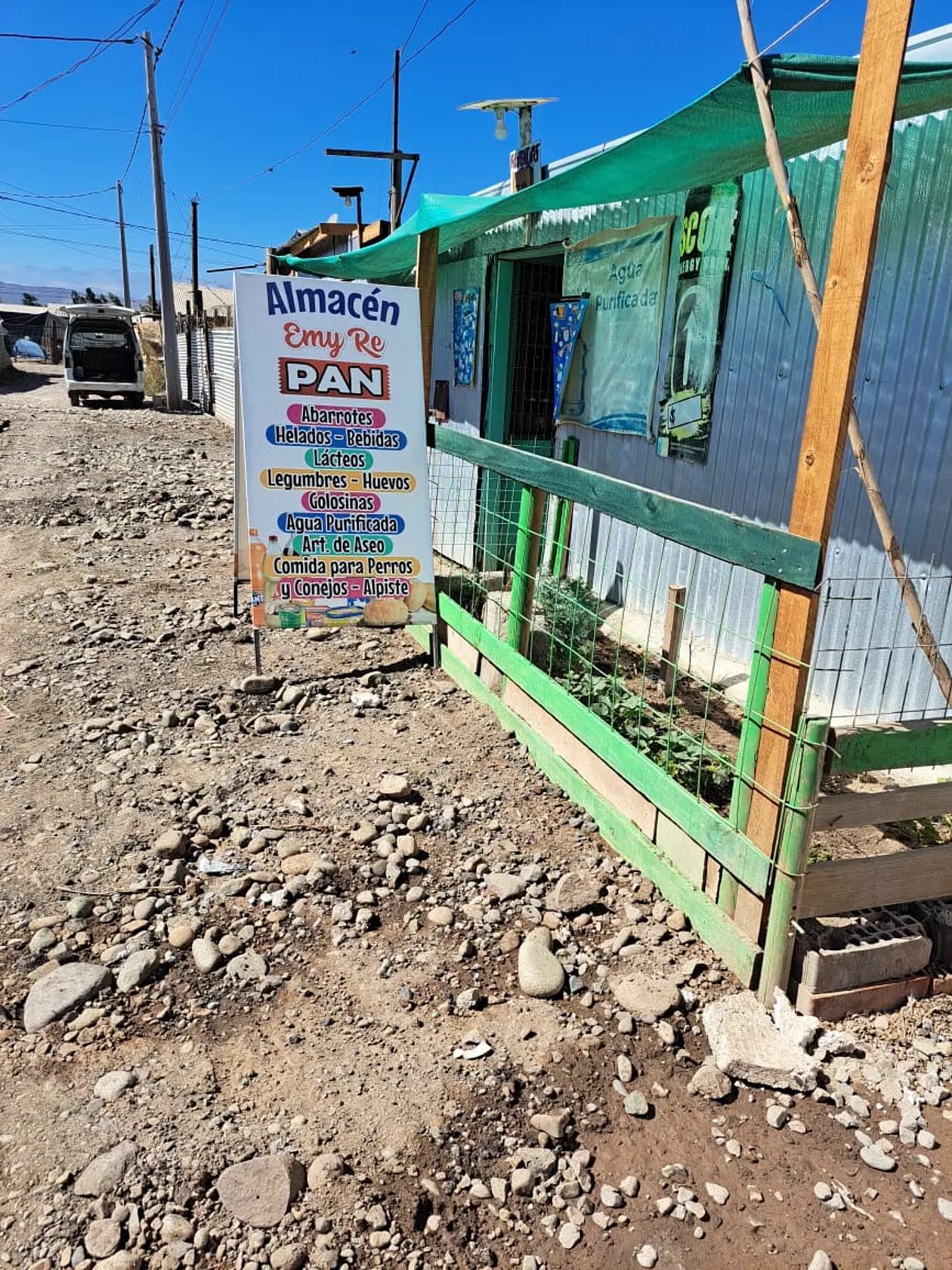
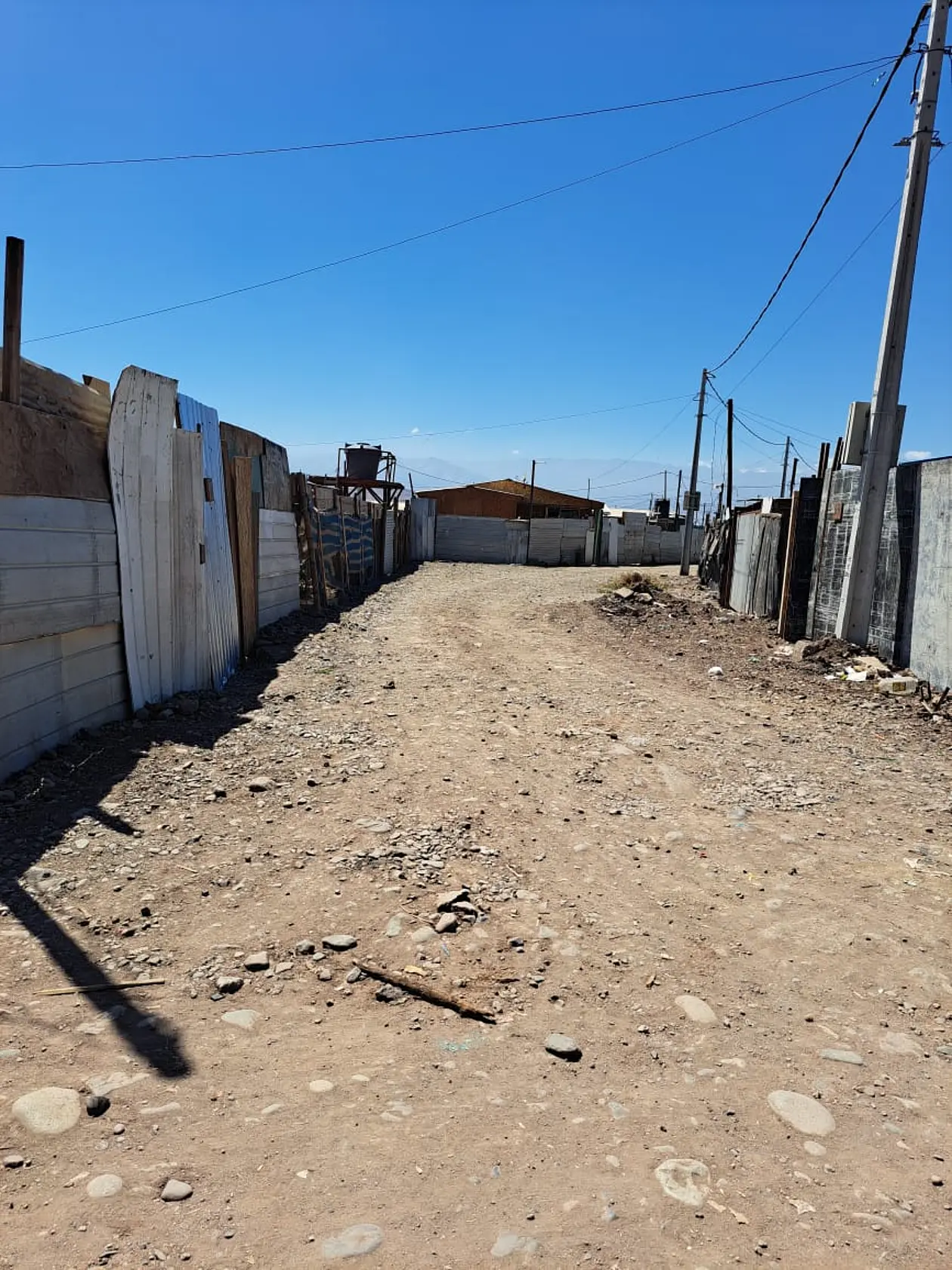
In April 2022, I conducted ethnographic research by immersing myself in a self-built informal settlement in a peri-urban municipality of Santiago, Chile. This type of settlement is known in Chile as “campamentos”, which, although translated as “camps or encampments”, however does not refer to those temporary spaces associated with refuge.
The campamento’s origin links directly to the Chilean social uprising of 2019. This series of national protests catalyzed the land occupation. People protested for many reasons: the high cost of living, the housing shortage, inequality, and their alienation in a system that had failed to bring well-being after almost three decades of an incomplete democracy. Much of this protest channeled through the occupation of urban land not designated for housing construction. In my research, long-standing demands by Chilean families for housing and habitat intertwined with the housing crisis faced by hundreds of immigrant families mainly from Haiti, Venezuela, Colombia, and Peru. These families, at the limit of their financial resources, saw in the land occupation an opportunity to keep their migration projects afloat. In everyday life, families analyze how “bets in common”—understood as collective decisions fraught with risk and expectation—shape migrants’ political subjectivities. “Bets in common” constitute the conceptual axis of my thesis. I define them as collective decisions that combine risk, opportunity, and action, and that social networks and community pressures profoundly influence. These bets operate not in isolation but simultaneously and relationally, which allows me to better understand migrants’ agency in the face of precarity.
These individuals’ experiences carry a double mark: on the one hand, their precarious migratory status, and on the other, their occupation of land not authorized for housing. I have called this existential condition “double irregularity.” This concept emerges as central to my work for understanding migrants’ political subjectivities. Being doubly irregularized implies limitations, but it also generates strategies to confront exclusion, such as participating in alternative organizations that offer economic and social support. I add the suffix “-ized” to “irregular” to show that the state actively makes both the land and the immigrants irregular. The property regime (urban regulation) imposes irregularity on the land, while the migration and border regime imposes irregularity on the people. Neither the land nor the person is inherently irregular; rather, power structures produce that condition.
Immigrants’ presence in land occupations offers opportunities to study how active processes of opportunity creation occur within migration projects. These occupations represent a form of agency: they involve planning, taking risks, and acting under conditions of uncertainty, without resorting to improvisation or blind faith in fate. Politically, the common do not appear as a pre-existing ideal but rather as a conflictive practice that inhabitants construct in everyday life. Neighborly relations, disputes over scarce resources (such as water or access to electricity), and diverse forms of participation shape a heterogeneous community where cohesion coexists with conflict.
One of my main findings: life in the campamentos structures itself through the interaction between individual practices (such as building houses) and collective actions (such as organizing community fundraisers, raffles, or local savings systems). I call this process “communalization,” and it is not harmonious: conflicts, unequal participation, and demands for reciprocity mark it. A very important discovery: people depended extremely on chat and messaging applications (WhatsApp), which compromised the reciprocal aspects of community politics and imposed adaptive ways of working to resolve conflicts. However, contrary to these forms of dispersion of social forces, large community works were undertaken, for example, the construction of churches.
The research also shows that campamentos function as spaces of political contestation. By building their homes and remaining in the territory, inhabitants challenge legal restrictions and exclusion from the real estate market, thus reaffirming their right to inhabit. Therefore, every daily action—from building a wall to resisting an eviction—involves a political act. When migrants built the camp, they sought to avoid the constant threat of eviction by landlords who had sheltered them as newcomers. The occupation represents the possibility of eliminating that fear and building stability. However, in a context of double irregularity, where that very situation defines the possibility of continuing to migrate, the materiality of the constructions acts as both a means of stable housing and a commodity for future migration.
In this way, many migrants do not consider the campamento a destination but rather a stage within broader trajectories. This vision influences their level of commitment to building the place and their future projections, generating an ambivalent relationship between rootedness and the possibility of migrating again. Either way, the campamento becomes a platform for generating new opportunities, such as their children’s education or access to nearby employment. Territorial proximity and the construction of local networks help mitigate the effects of double irregularization of migration, reinforcing inhabitants’ perception of the settlement as an opportunity rather than a problem. Nevertheless, uncertainty remains a structural element. The possibility of eviction, restrictive immigration laws, and material hardship create an unstable balance between belonging and displacement. Despite this, inhabitants act as if the land were their own and practice a sense of belonging in their daily lives that defies their lack of legal recognition.
Finally, my thesis reflects on the campamento’s fragility as a social space. The possibility of its destruction through evictions highlights the structural violence that inhabitants face, who, despite their efforts to build community, remain in a situation of vulnerability and uncertainty.
My research demonstrates that land occupations are much more than informal housing solutions: they constitute spaces where migration projects, political practices, and forms of communal life articulate. These “bets in common” allow me to show how migrants transform adverse conditions into opportunities, creating complex communities that challenge traditional categories of vulnerability, property, and citizenship.
Teilen


