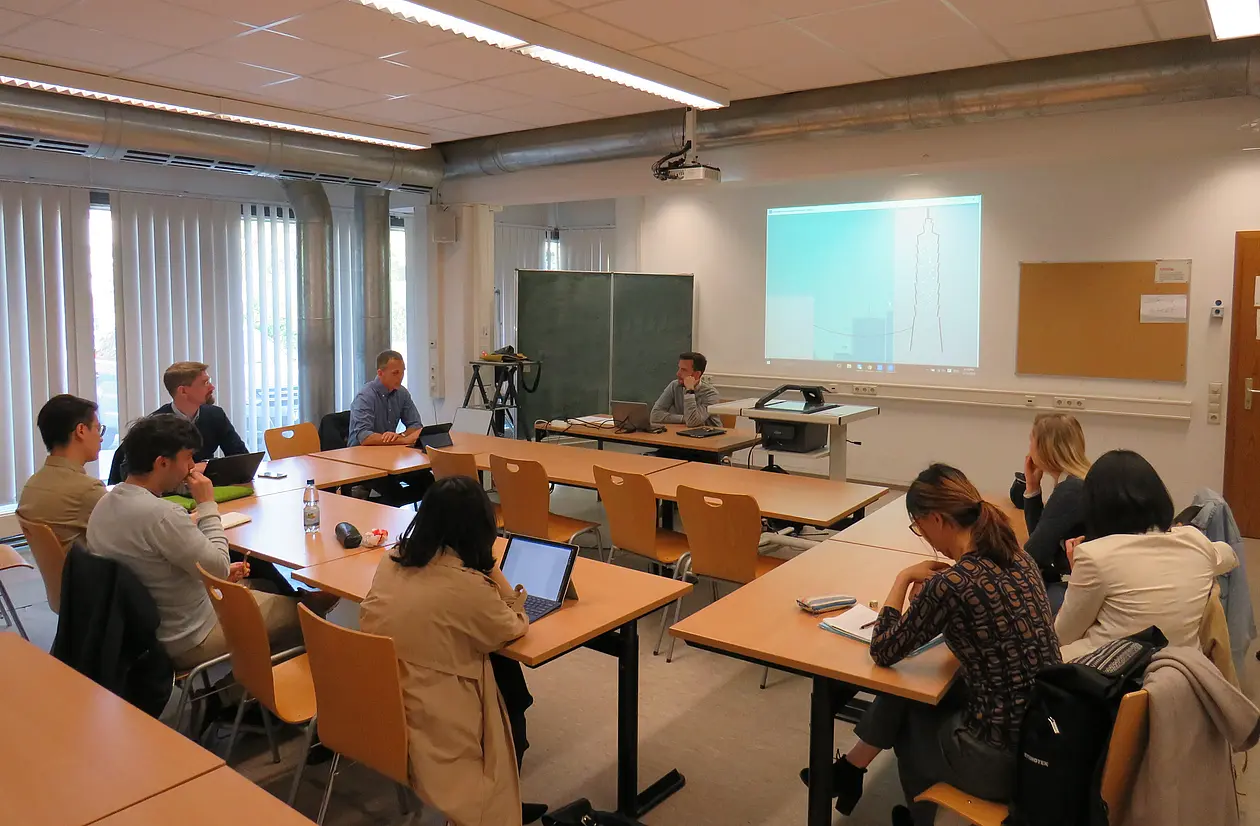
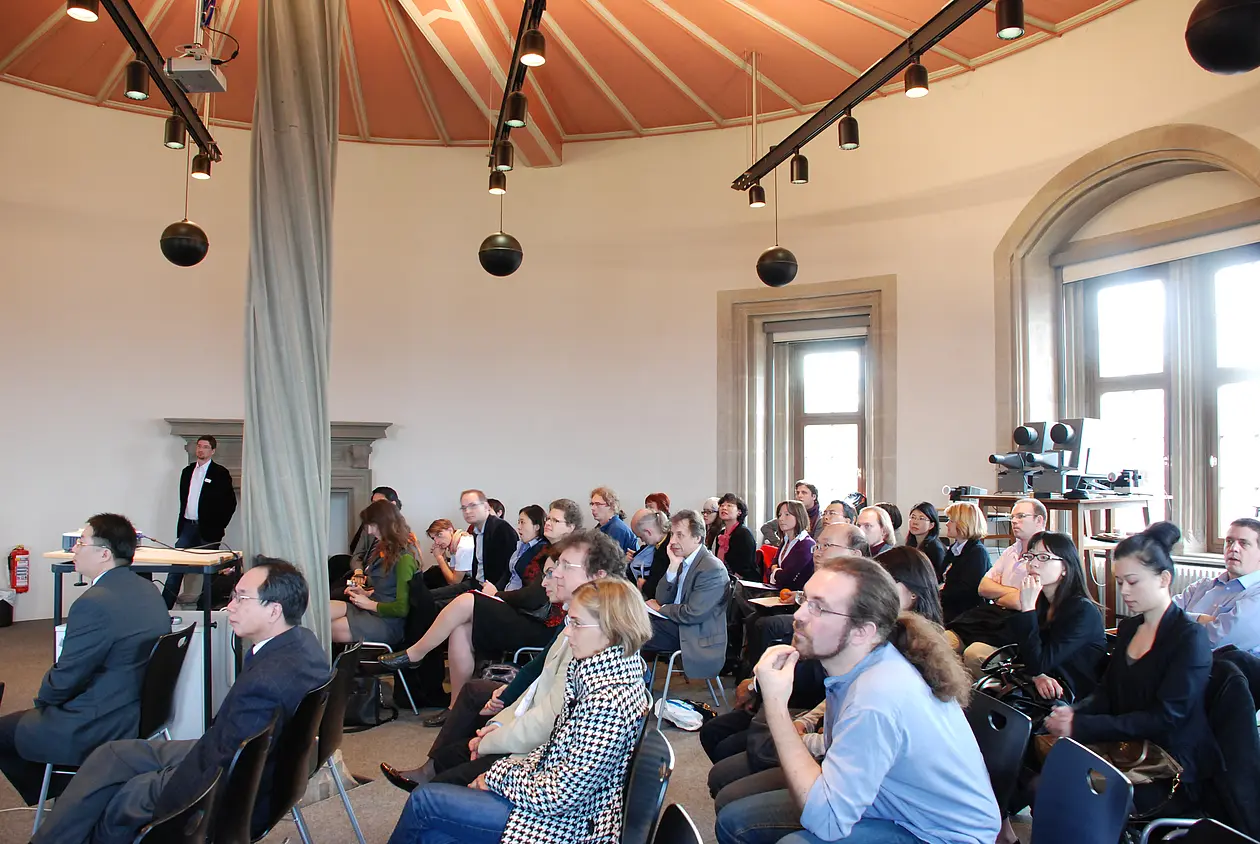
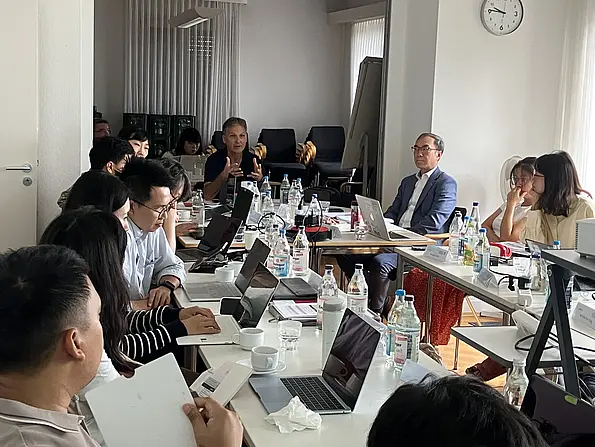
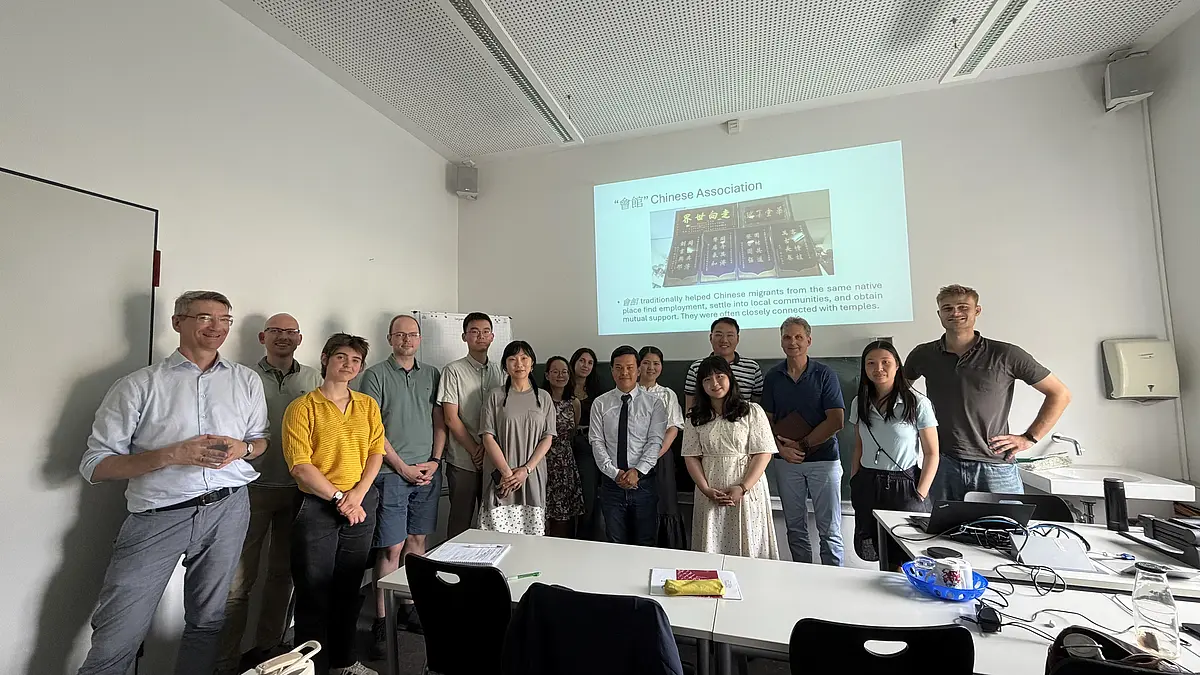
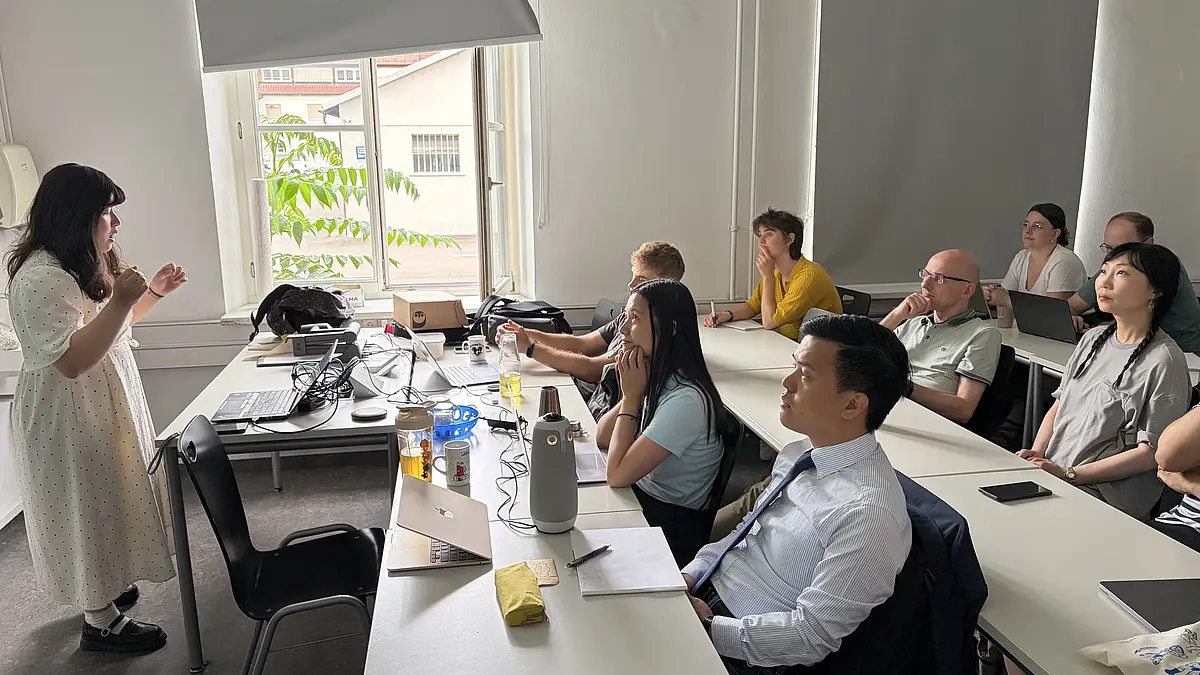
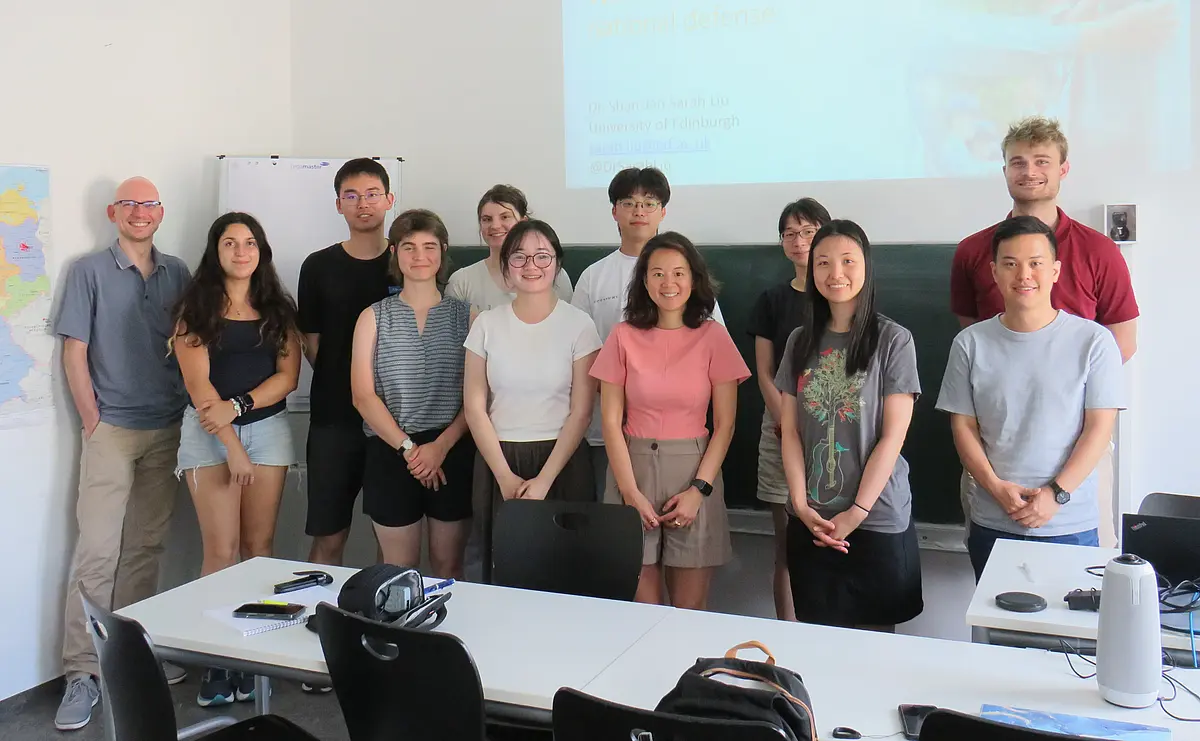
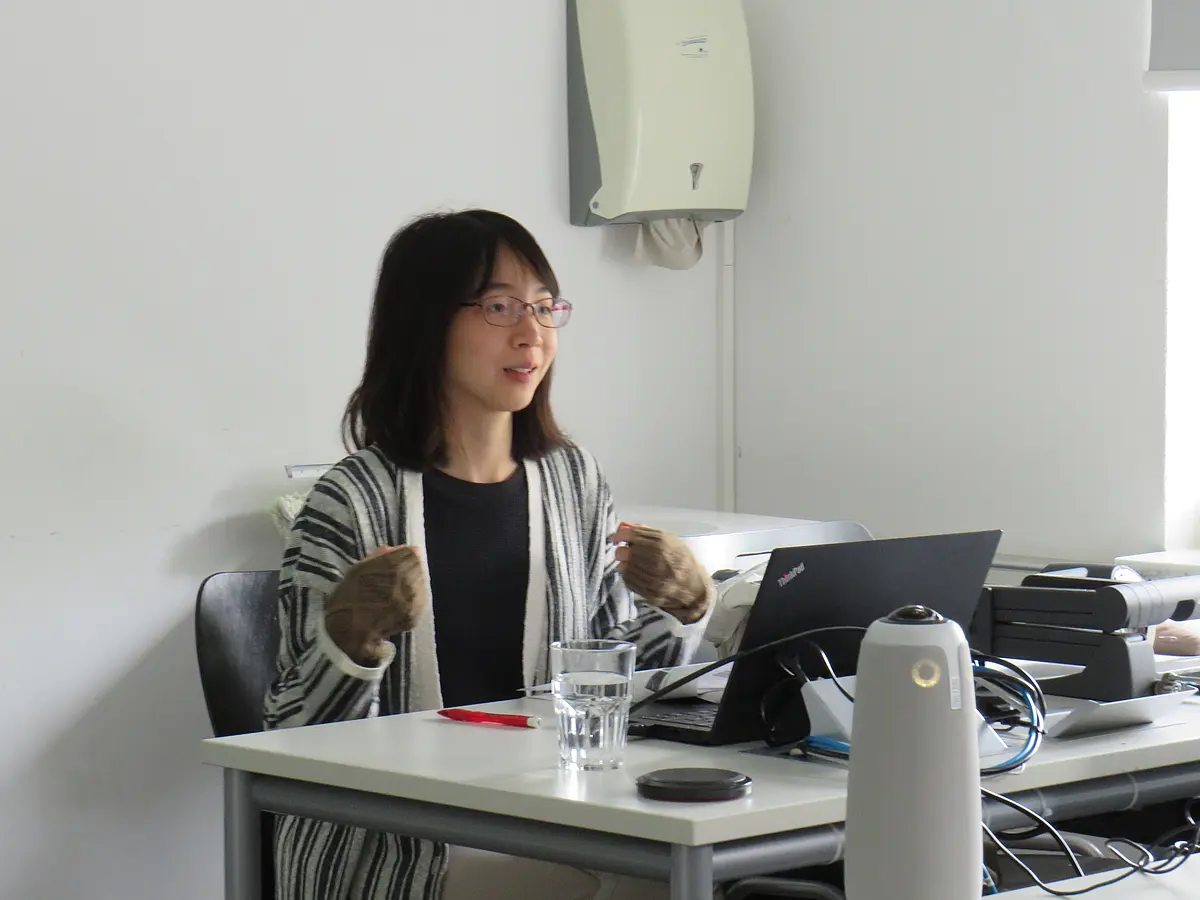
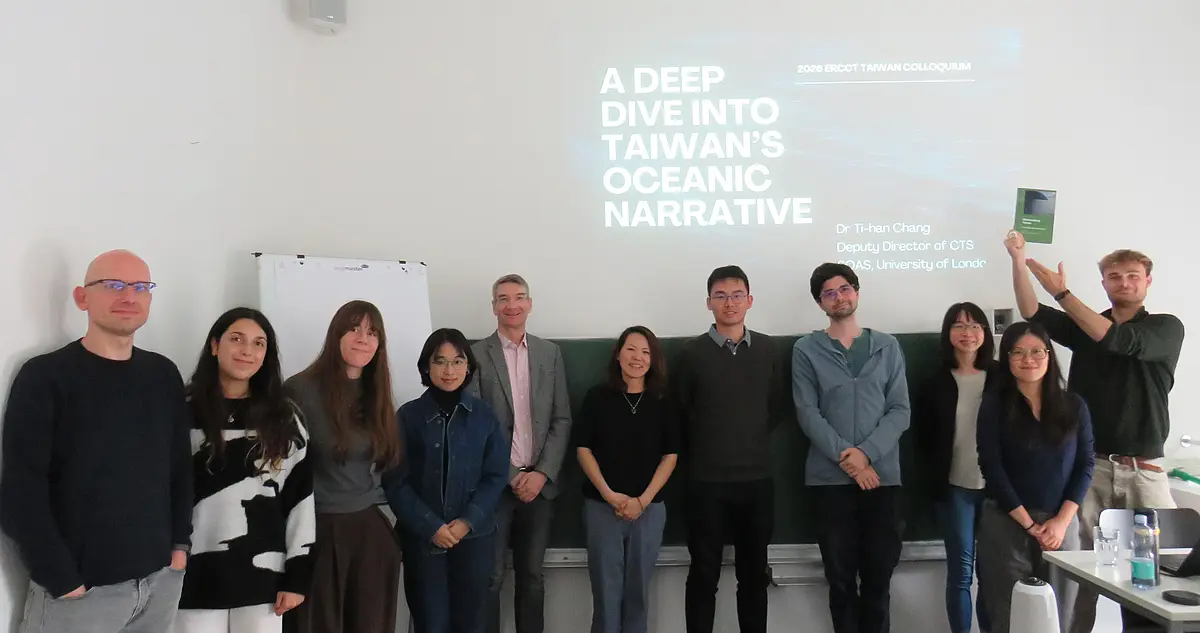
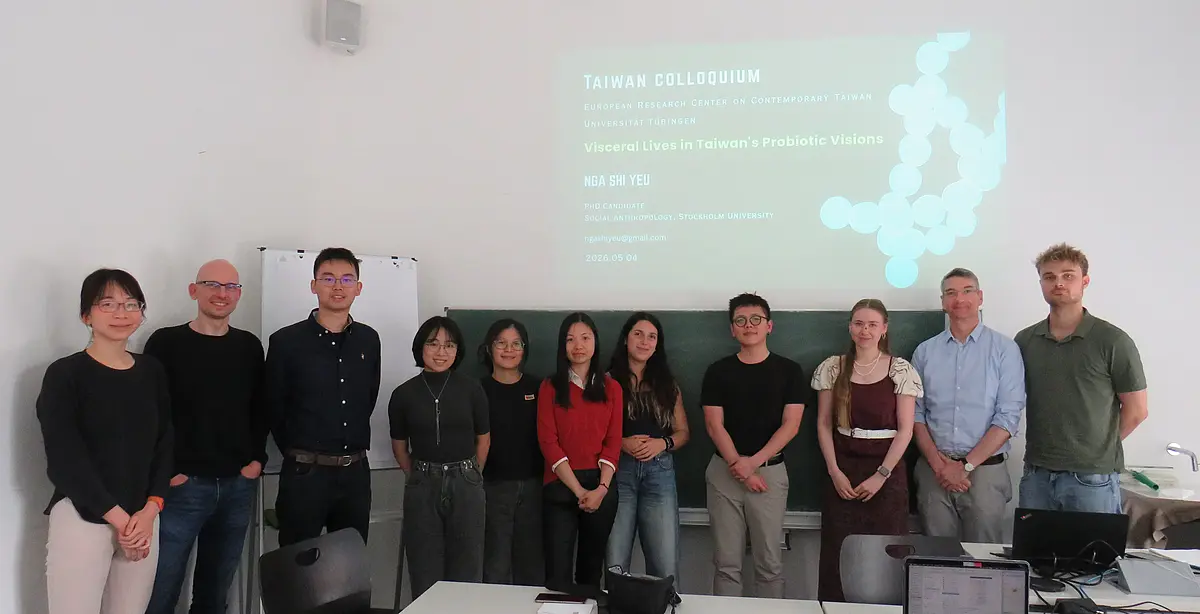
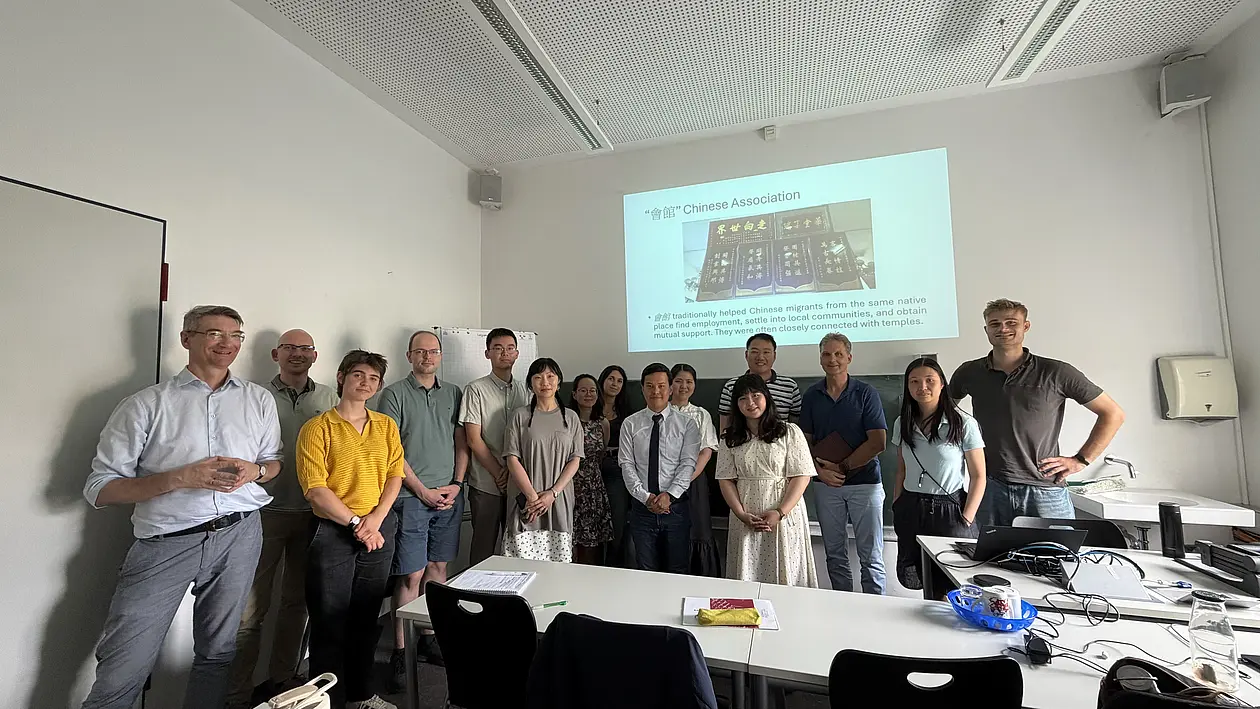
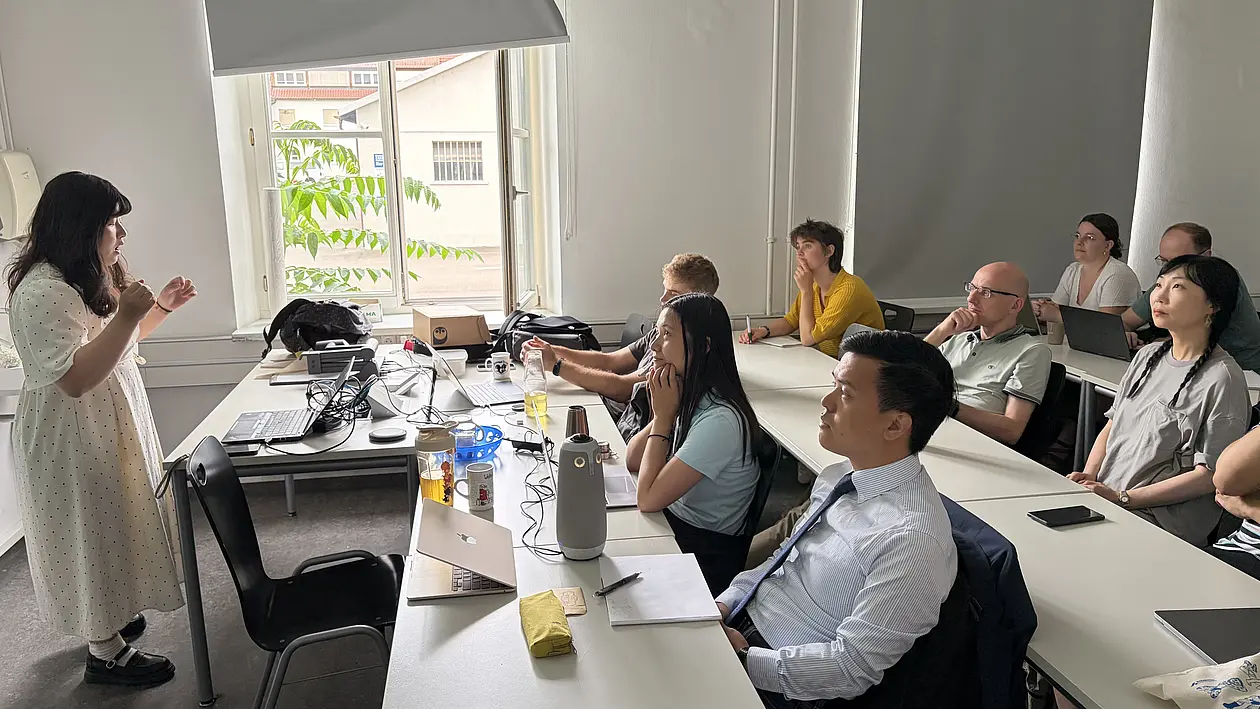
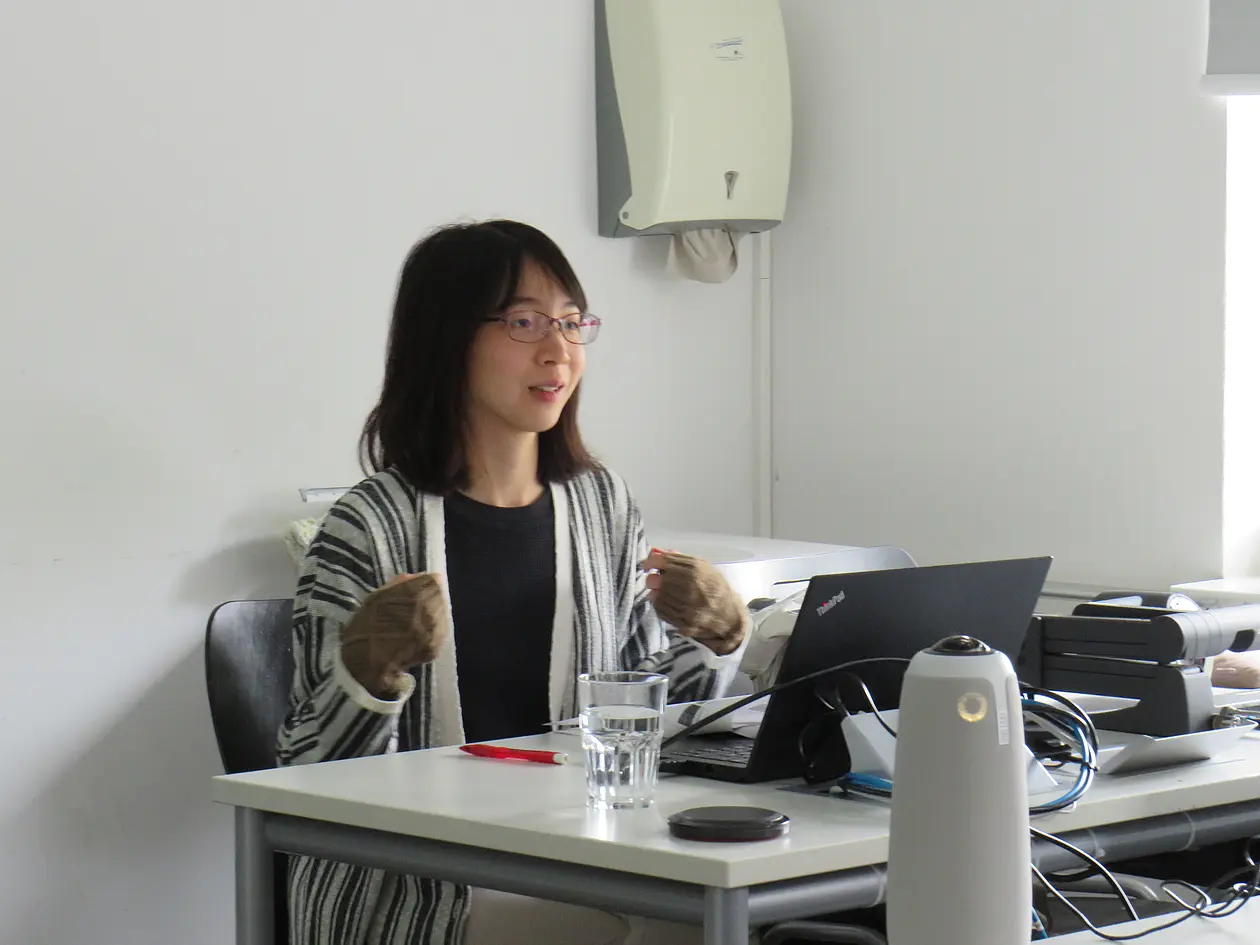
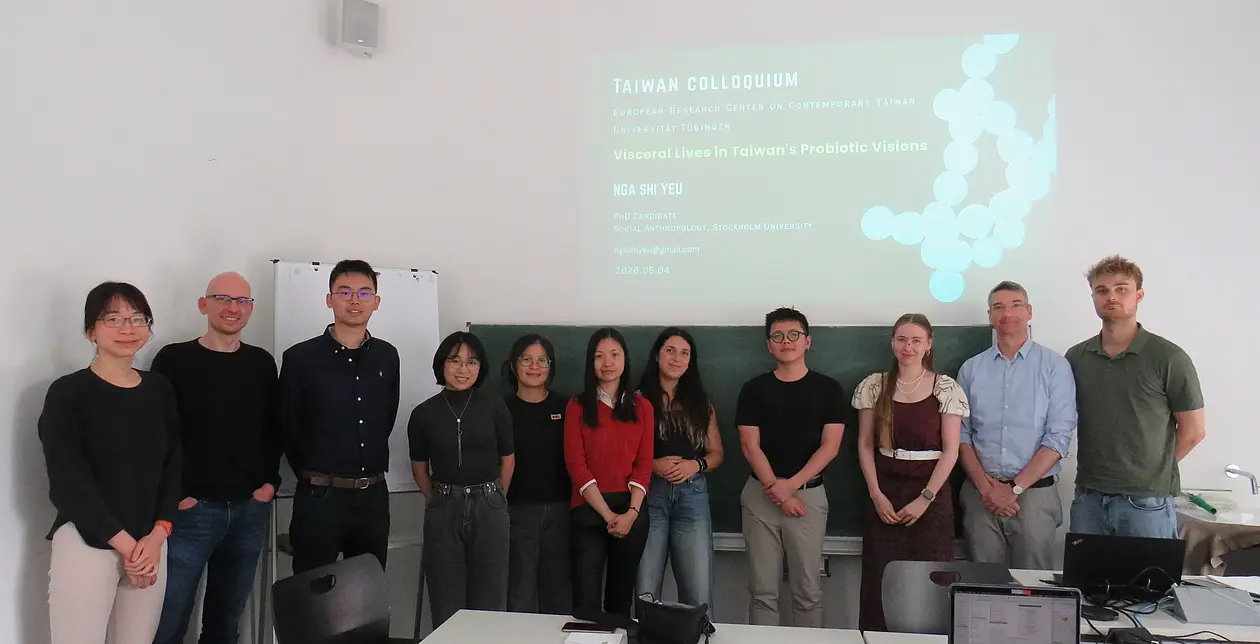
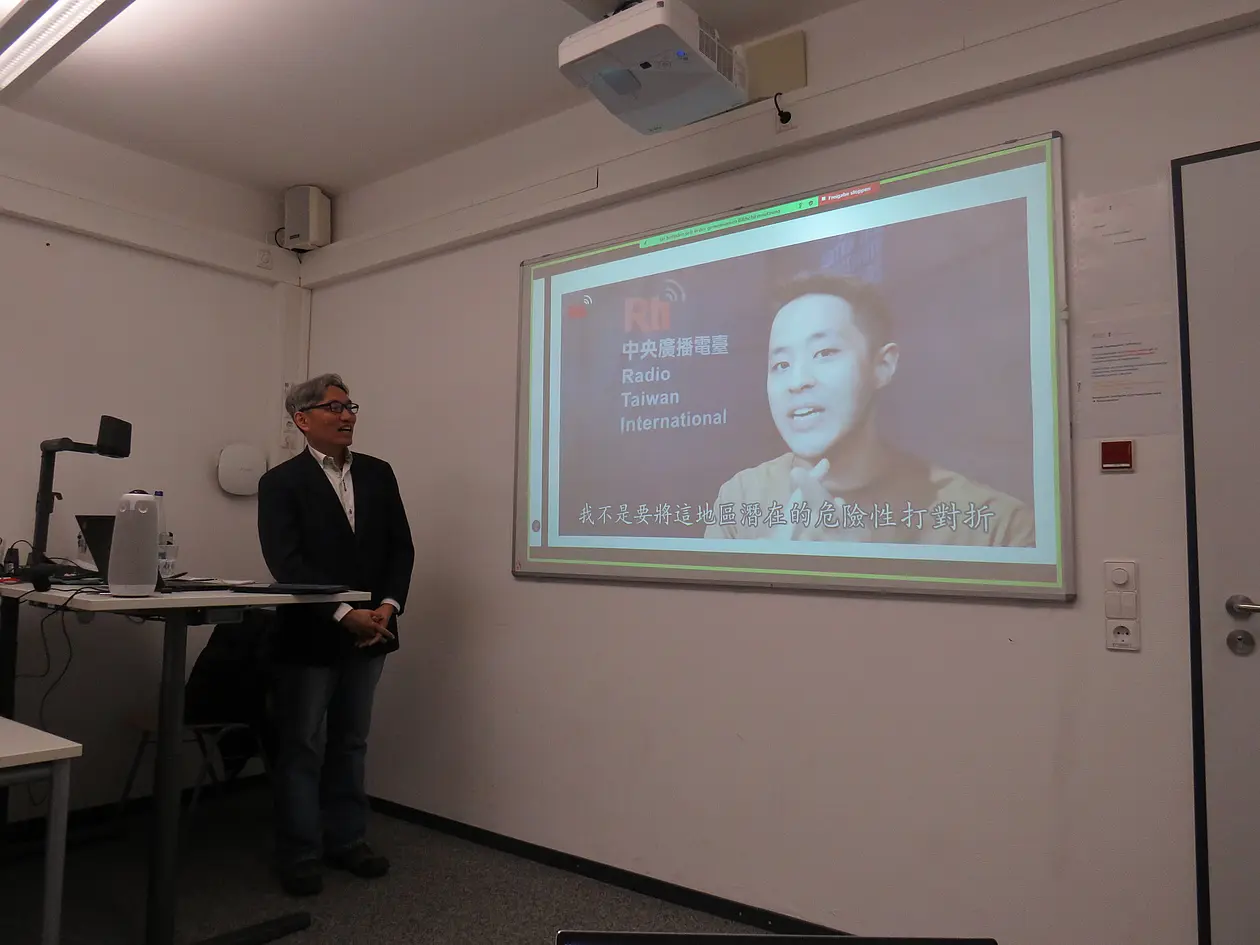
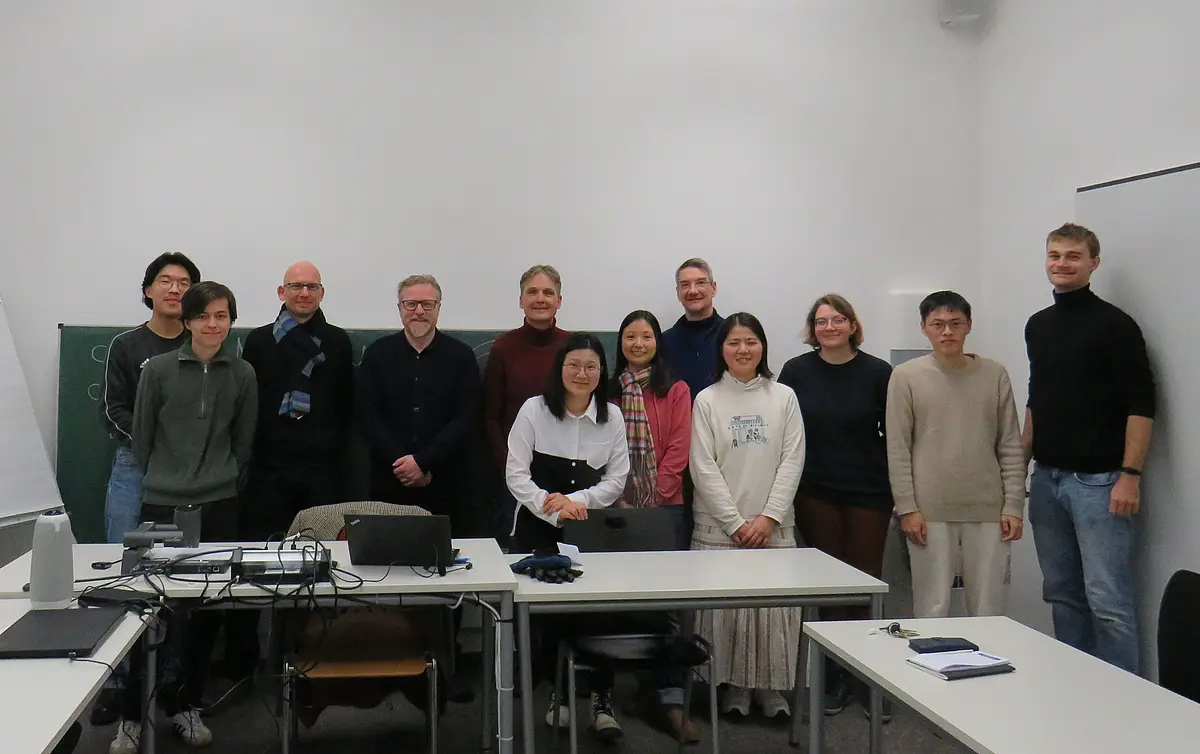
Dr. Chang Ti-han, Vice-Director of the Center of Taiwan Studies at the School of Oriental and African Studies, presented “Reorientating Taiwan: Ocean, Selfhood, and the Pacific”, an interdisciplinary volume that she co-edited with Prof. Niki Alsford (Northern Institute of Taiwan Studies, University of Lancashire), in a book launch talk titled “A deep dive into Taiwan’s oceanic narrative” on Monday, May 11, 2026.
The idea of the book is to challenge several widespread images that continue to shape global perceptions of Taiwan, like its traditional Fujianese-like local culture or its position as a geopolitical flashpoint at the south-eastern rim of continental East Asia. Instead, she emphasized that Taiwan’s history has been shaped by colonialism, migration, and maritime exchange. Referring to historian and former Minister of Education Tu Cheng-sheng, Dr. Chang introduced the concept of “reorientating Taiwan,” which shifts attention away from continental narratives and towards Taiwan’s oceanic connections and island identity.
Building upon this framework, the aim of the book is to explore ways in which Taiwan can be reimagined by new generations of Taiwan scholars through oceanic and Pacific perspectives. To approach this question, the project adopts an interdisciplinary methodology combining literature, anthropology, ecology, media studies, and visual culture. Through literary analysis, cultural studies approaches, and historical perspectives, the contributors examine how the ocean has shaped Taiwanese identity, Indigenous cultures, and Taiwan’s relationship with the wider Pacific region.
The results of the project are reflected in the structure of the book itself. The chapters explore themes such as new oceanic thinking, oceanic writing and translation, representations of the sea in art and media, and the entanglements between human and non-human worlds. Altogether, the volume presents Taiwan not as a peripheral island overshadowed by China, but as an important center of Austronesian culture and a dynamic part of the Pacific world.
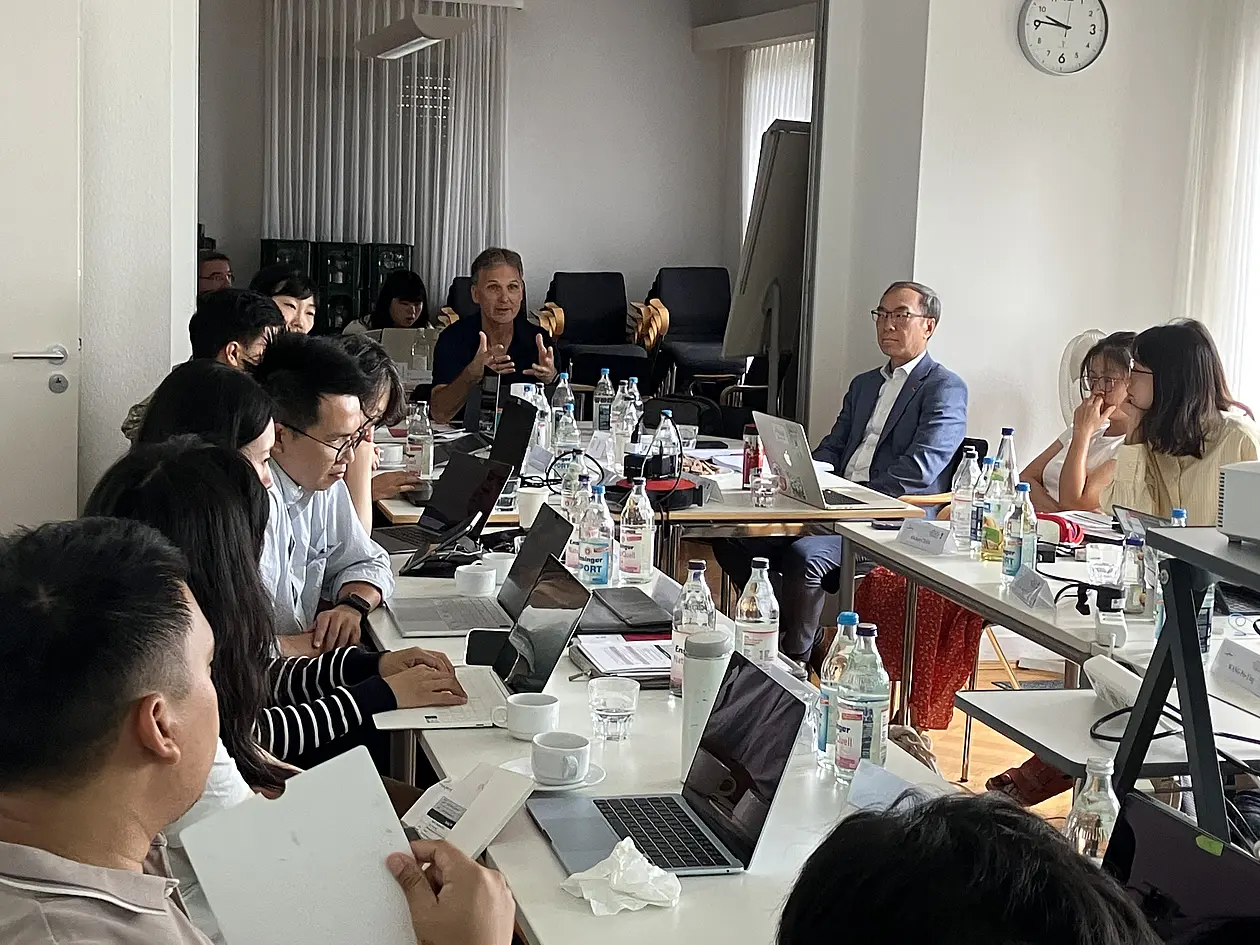
The ensuing discussion further deepened these themes and brought up questions of gender, the underlying political implications, and the challenges of interdisciplinarity.