Research Project
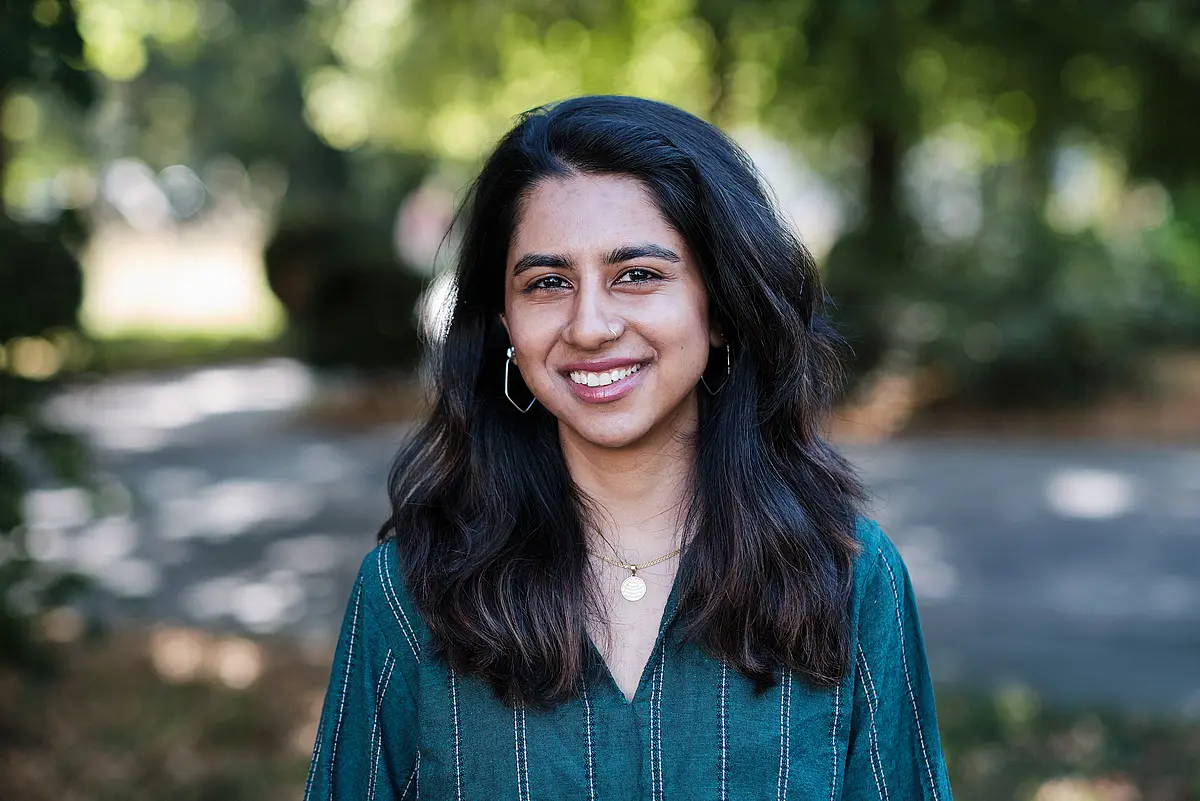
Maryam Qureshi is a PhD researcher in the RTG at the department of Sociology. Her research in urban sociology examines how mega-infrastructure, displacement, and everyday forms of care reshape urban life in Karachi, Pakistan. Focusing on the Malir Expressway corridor, she investigates how projects of "world-class" city-making produce and distribute precarity, while asking whether the communities displaced by development are in fact more precarious than the infrastructures and enclaves built to replace them. Drawing on ethnographic fieldwork, her research contributes to debates on urban precarity, cosmopolitanism, and the politics of infrastructure by foregrounding relational forms of endurance and interdependence. She also explores how gender shapes experiences of displacement, care, and community, highlighting forms of political agency that emerge through everyday practices rather than formal institutions. More broadly, her work seeks to rethink dominant theories of precarity through the lived realities of cities in the Global South.
Research Interests
Urban Precarity and Infrastructure
Karachi's Urban Transformation
Gender, Household, and Patriarchal Bargaining
Participatory and Qualitative Methods
Conference and Paper Presentations
Invisible Connections of Households - Workshop
Berlin, Germany | 9–10 July 2026
Presented the paper "Who Rules the Home? Patriarchal Household Structures and Women's Agency in Karachi." Participated in the workshop's public panel discussion, engaging with interdisciplinary scholars on household dynamics, gender, and power relations.
Challenging Binaries: New Directions in Gender Studies in Pakistan
Lahore University of Management Sciences (LUMS), Lahore, Pakistan | 26–27 April 2019
Presented the paper "Negotiating with Patriarchy in the Household: Exploring the Lived Experiences of Young Unmarried Women in Karachi, Pakistan" at the Student Colloquium 2019. The paper examined how young unmarried women navigate patriarchal household structures through everyday negotiations, highlighting their agency within familial and cultural constraints.