News and publications
Press release
01.02.2023
The chemistry of mummification – Traces of a global network
Researchers from Munich and Tübingen are unvailing the secrets of ancient Egyptian embalming. Vessels from an Egyptian mummification workshop are providing completely new insights into the chemical substances that were used to preserve human bodies
- Analyzing the residue on vessels in a mummification workshop has given a team of researchers from LMU Munich and the University of Tübingen fresh insights into how the ancient Egyptians embalmed the bodies of their dead.
- The archeologists have been able to determine what substances were used for which part of the body.
- Many of the substances used came not from Egypt, but from the whole Mediterranean region, tropical rainforests and even Southeast Asia – evidence of early global networking.
Exactly 100 years ago, the tomb of Tutankhamun was discovered, complete with his world-famous mummy. Since then, researchers have learned a lot about how the ancient Egyptians prepared bodies for mummification. Until now, however, too little was known about how they ultimately made the bodies of the deceased immortal by embalming them. A German-Egyptian team of researchers has now been able to gain completely new insights into the chemistry of embalming. Their findings were published in Nature.
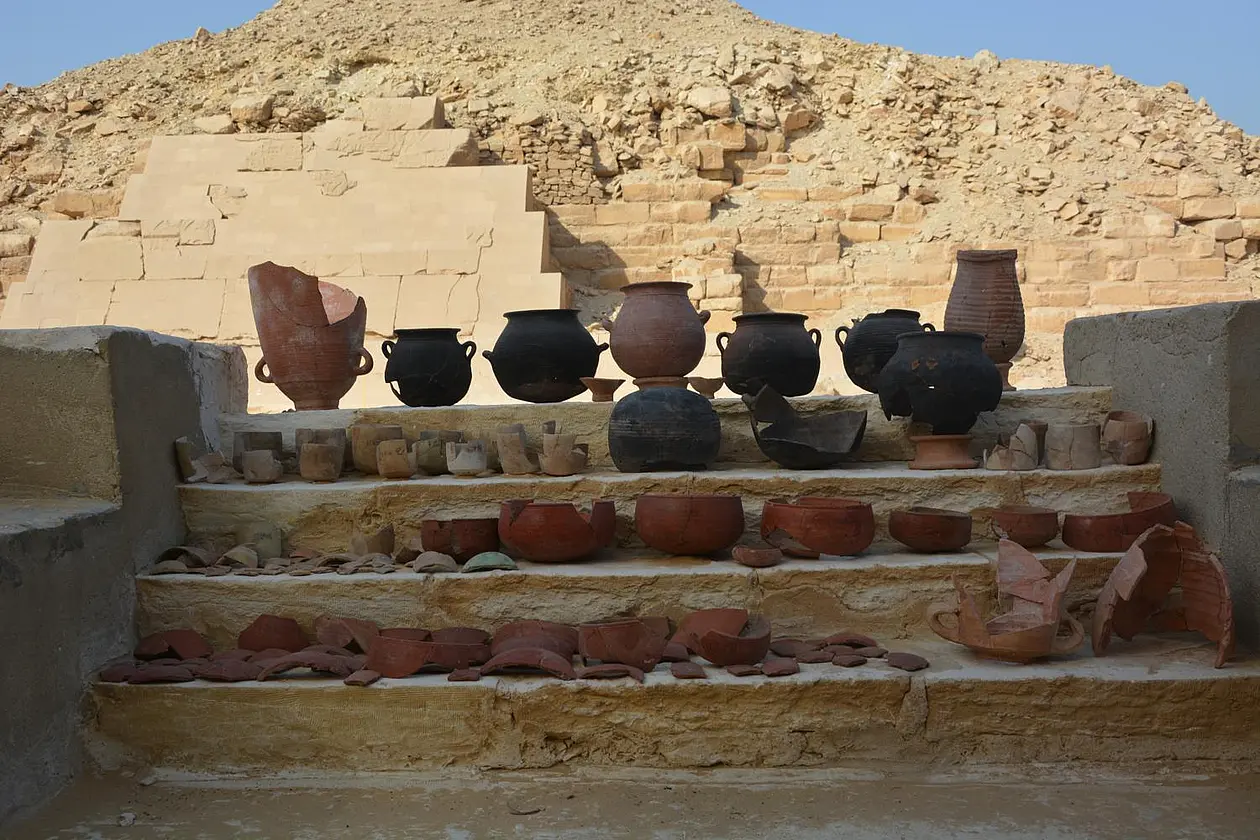
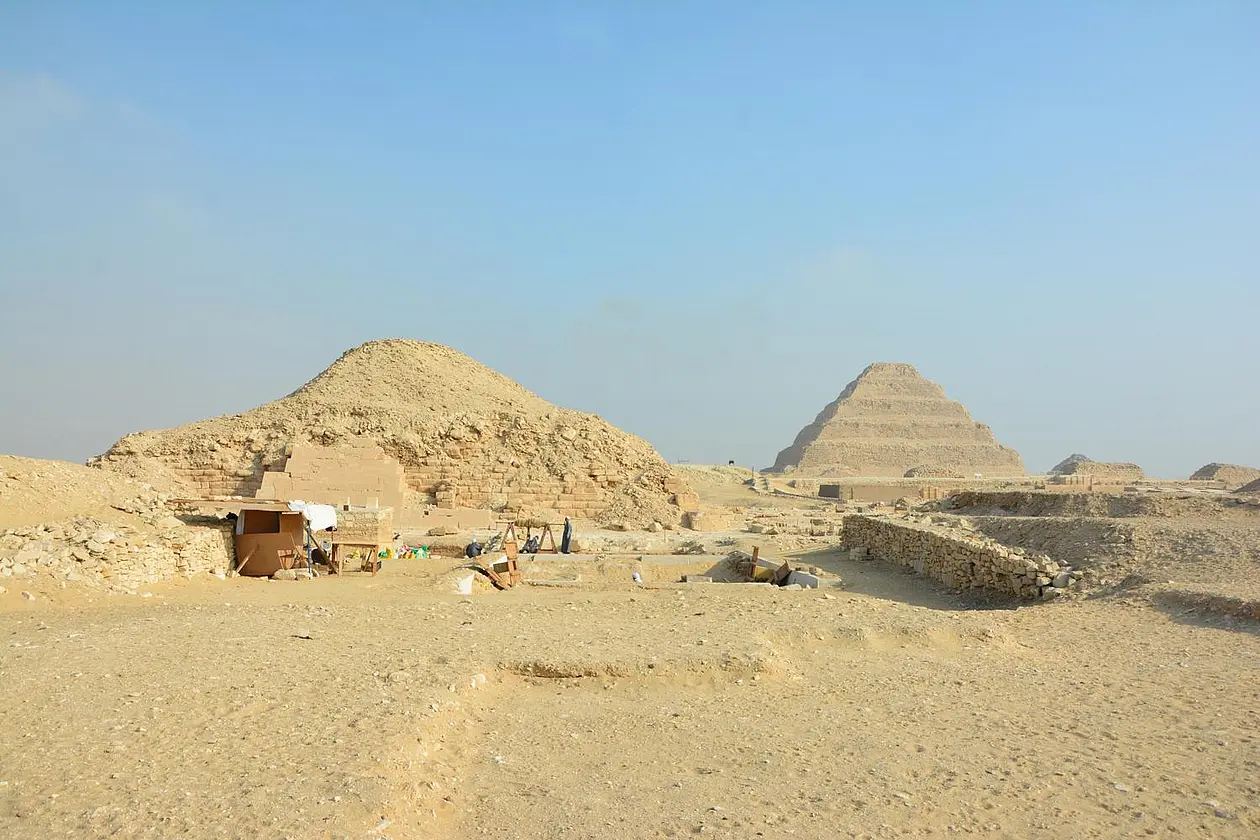
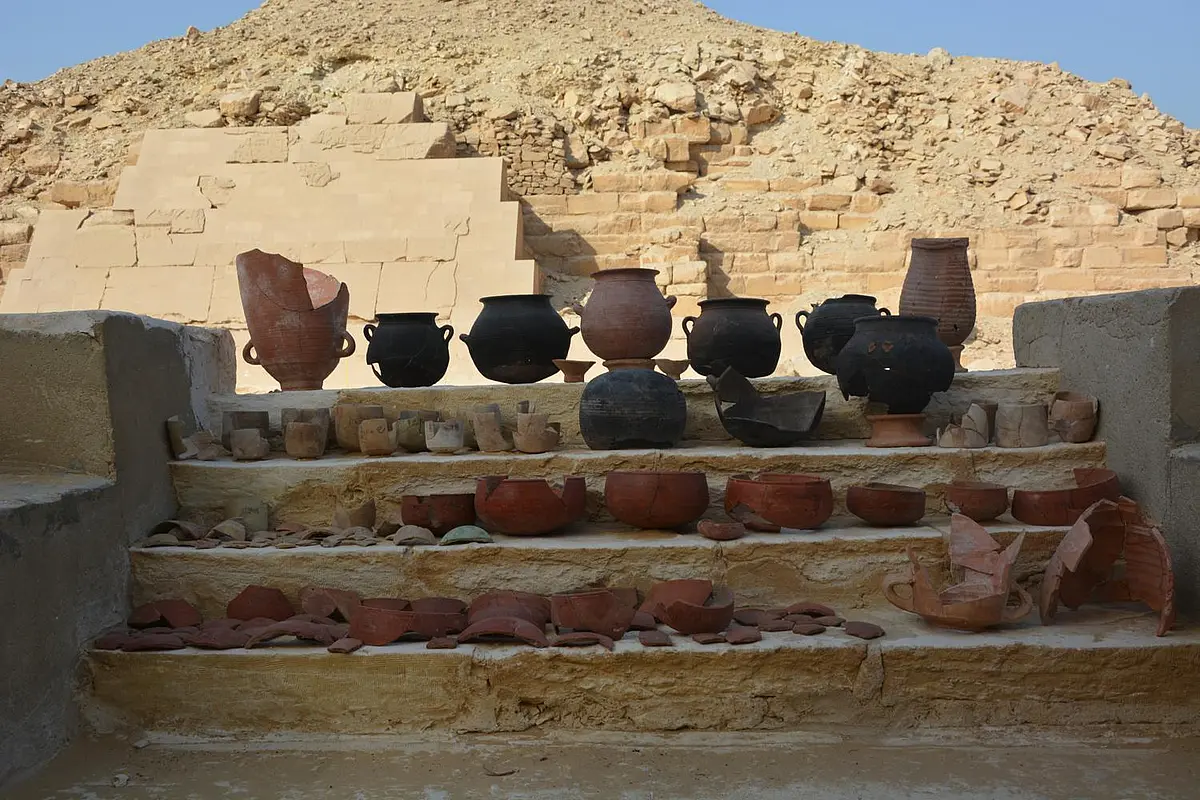
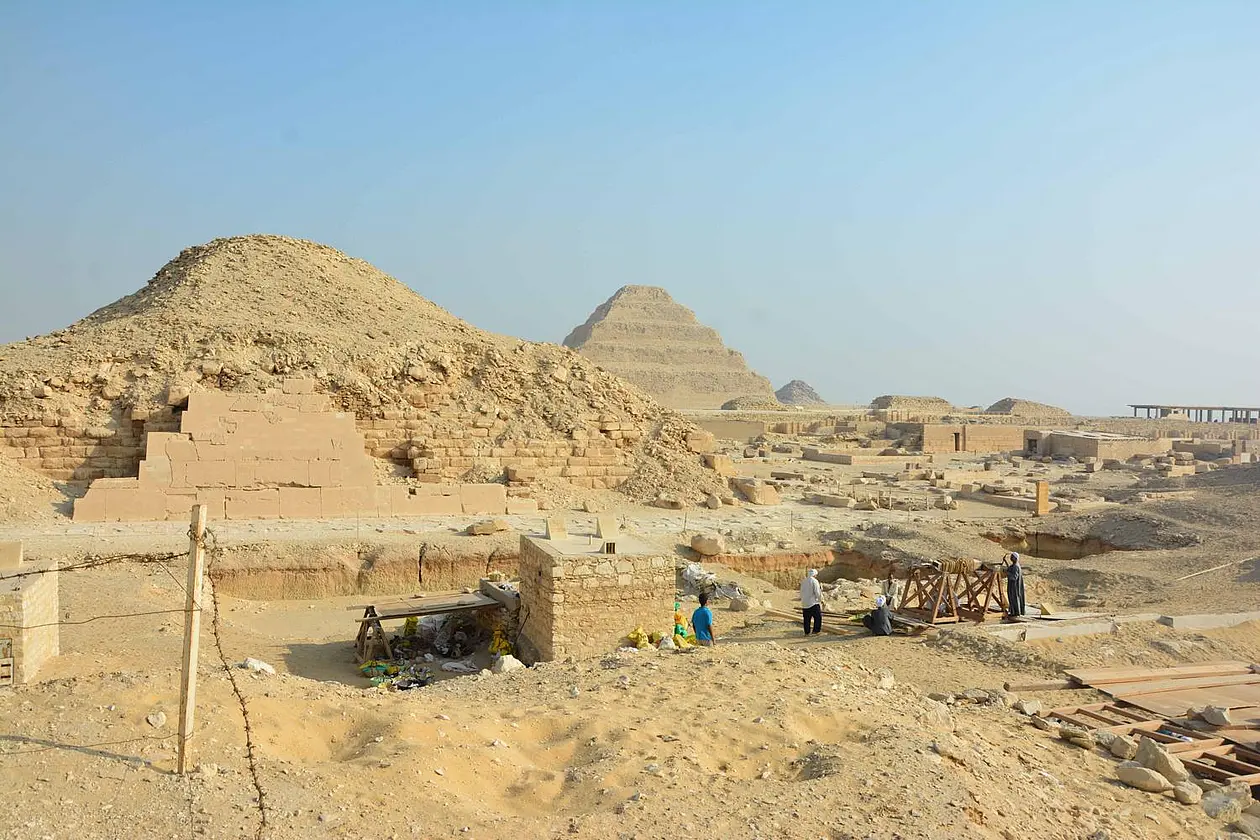
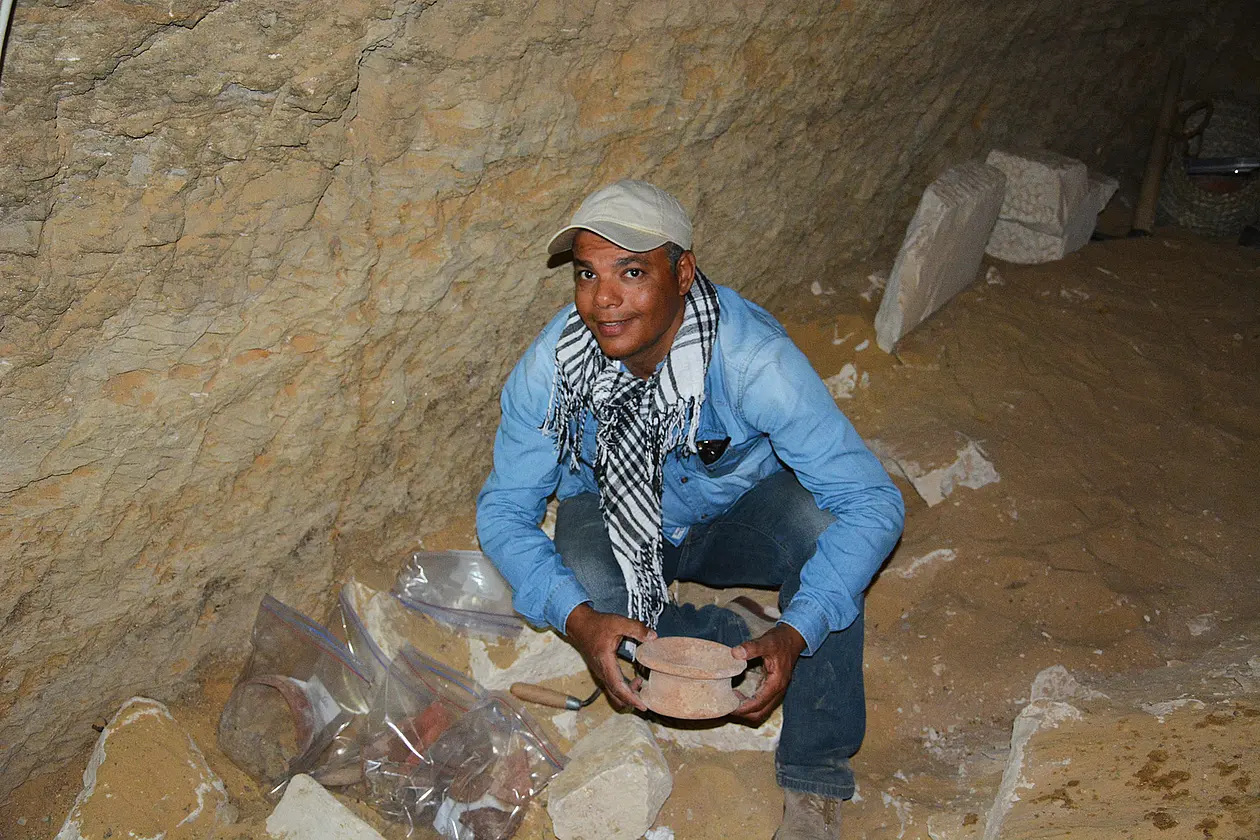
In collaboration with the National Research Center in Cairo, a team of researchers from LMU Munich and the University of Tübingen has analyzed chemical residues in vessels from an embalming workshop in Saqqara – not far from the pyramid of Unas – that was not discovered until 2016. “We were able to do all the scientific analyses ourselves in Egypt,” says LMU archeologist Philipp Stockhammer. And Maxime Rageot from the University of Tübingen adds: “For that we must thank Ramadan Hussein, who discovered and led the excavation for the DFG Saqqara Saite Tombs Projects, and who sadly died unexpectedly in the spring.”
In the newly discovered workshop, experts mummified the dead in the seventh and sixth century BC. For the Egyptologists, being able to recover numerous vessels used so long ago by skilled craftsmen was a tremendous stroke of luck. Better still, the vessels were labeled with their previous contents, and some even had instructions for use. “We have known the names of many of these embalming ingredients since ancient Egyptian writings were deciphered,” says Susanne Beck from the University of Tübingen, who is leading the excavation. “But until now, we could only guess at what substances were behind each name.”
Contact:
Dr. Maxime Rageot
University of Tübingen
Prehistory and Protohistory – Archaeometry – Laboratory for the analysis of organic residues
Phone: +49 (0) 157 53625554
maxime.rageot@uni-tuebingen.de
PD Dr. Susanne Beck
University of Tübingen
Institute for Ancient Near Eastern Studies – Department of Egyptology
Phone: +49 (0)7071 29-76061
sus.beck@uni-tuebingen.de
Prof. Dr. Philipp Stockhammer
LMU, Prehistoric Archeology of the Eastern Mediterranean
Phone: +49 (0) 170 6463031
philipp.stockhammer@lmu.de
Contact for press:
Eberhard Karls Universität Tübingen
Public Relations Department
Dr. Karl Guido Rijkhoek
Director
Antje Karbe
Press Officer
Phone +49 7071 29-76789
Fax +49 7071 29-5566
antje.karbe@uni-tuebingen.de