Uni Tübingen

Magazine

29.09.2026

Generations of field work

From curious child on the farm to geoecologist and the first academic in her family: Michaela Dippold at the TERRA Cluster of Excellence is finding out how soil and climate influence plants, using a unique outdoor laboratory.
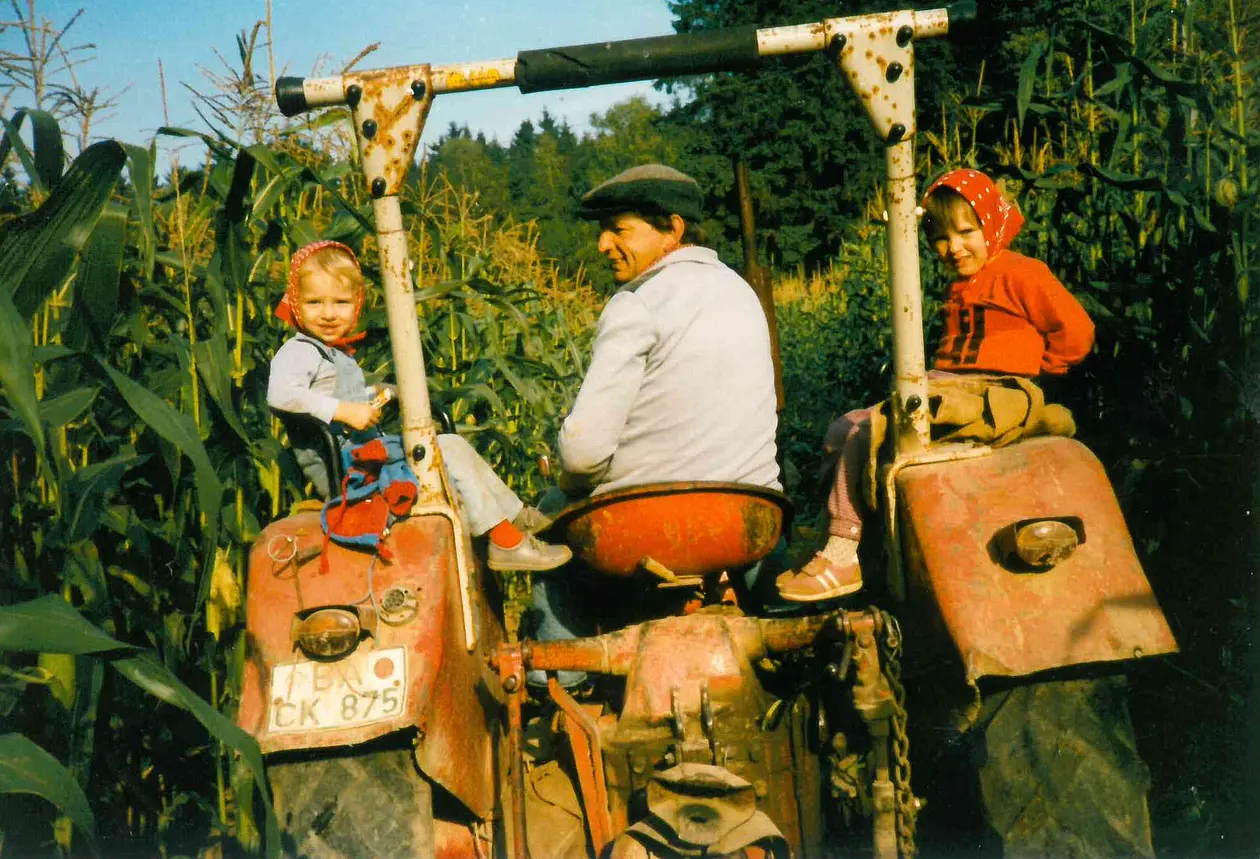
Michaela Dippold as a young girl, sitting on the tractor next to her father during the maize harvest in 1986. On the left is her cousin.

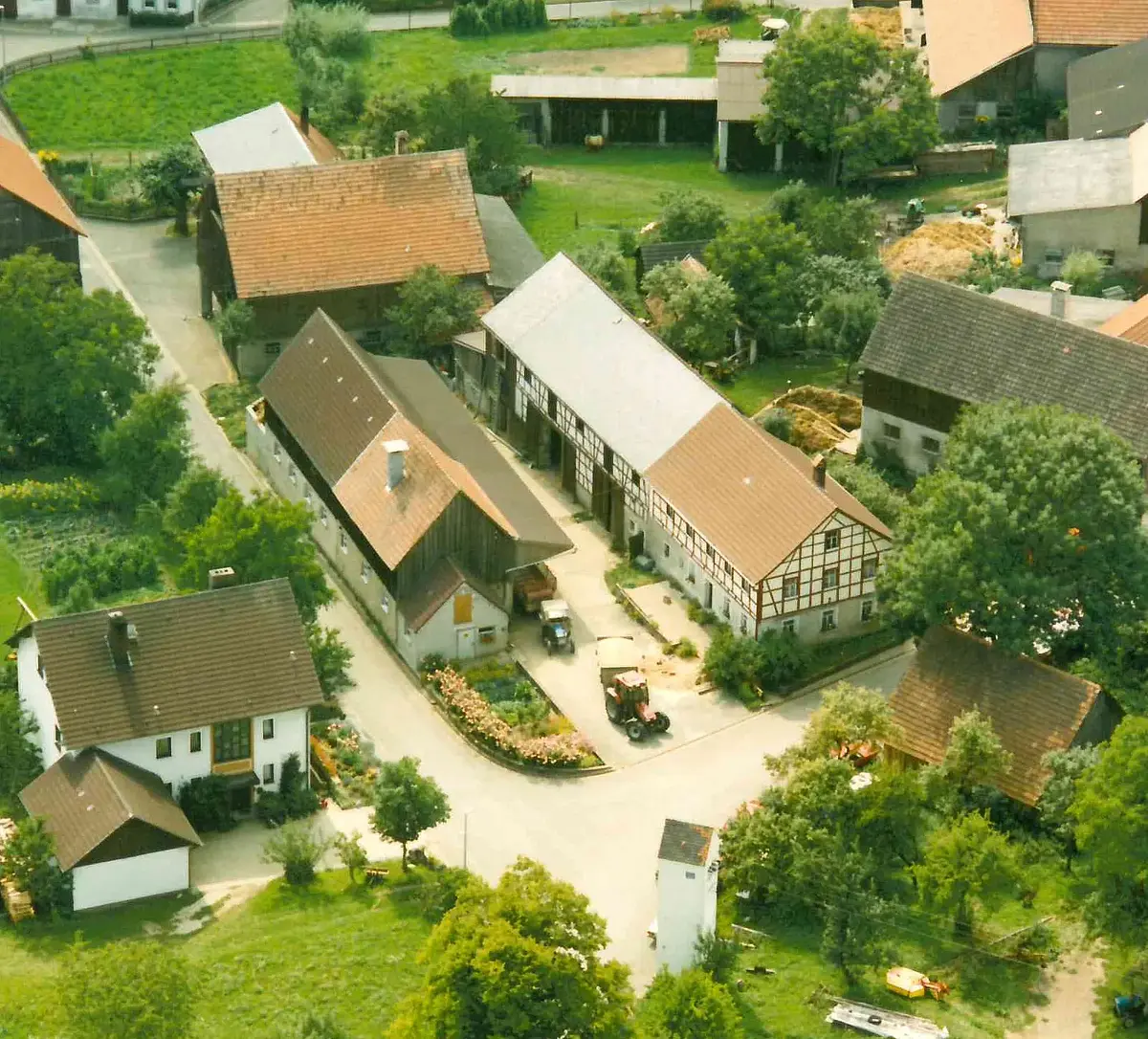
The tractor in the picture is driving through a field of maize. Michaela points to her younger self in the photo – the little girl sitting on the right next to her father, almost 40 years ago. It is a scene from her childhood on the family farm, where arable farming and dairy cattle were part of everyday life. “I was always a child that asked ‘Why?’” says Michaela.

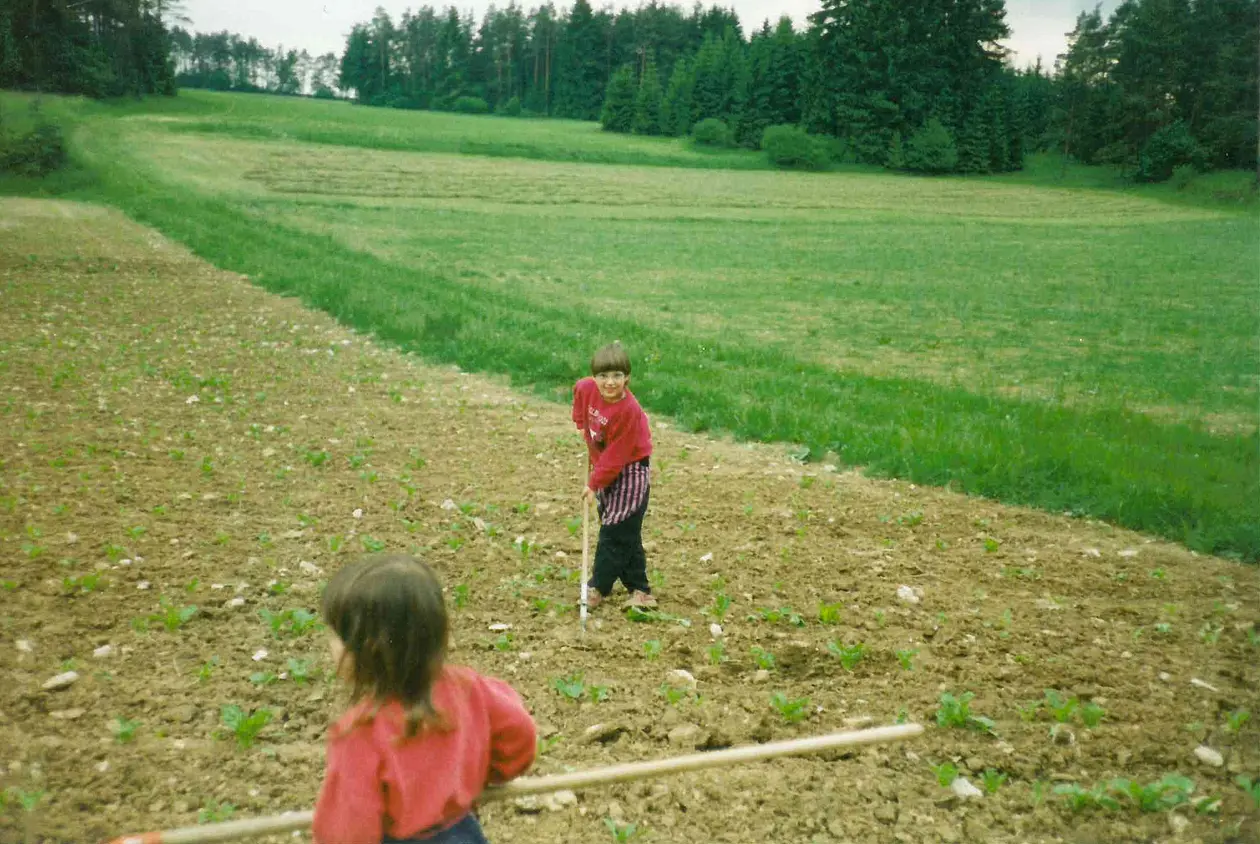
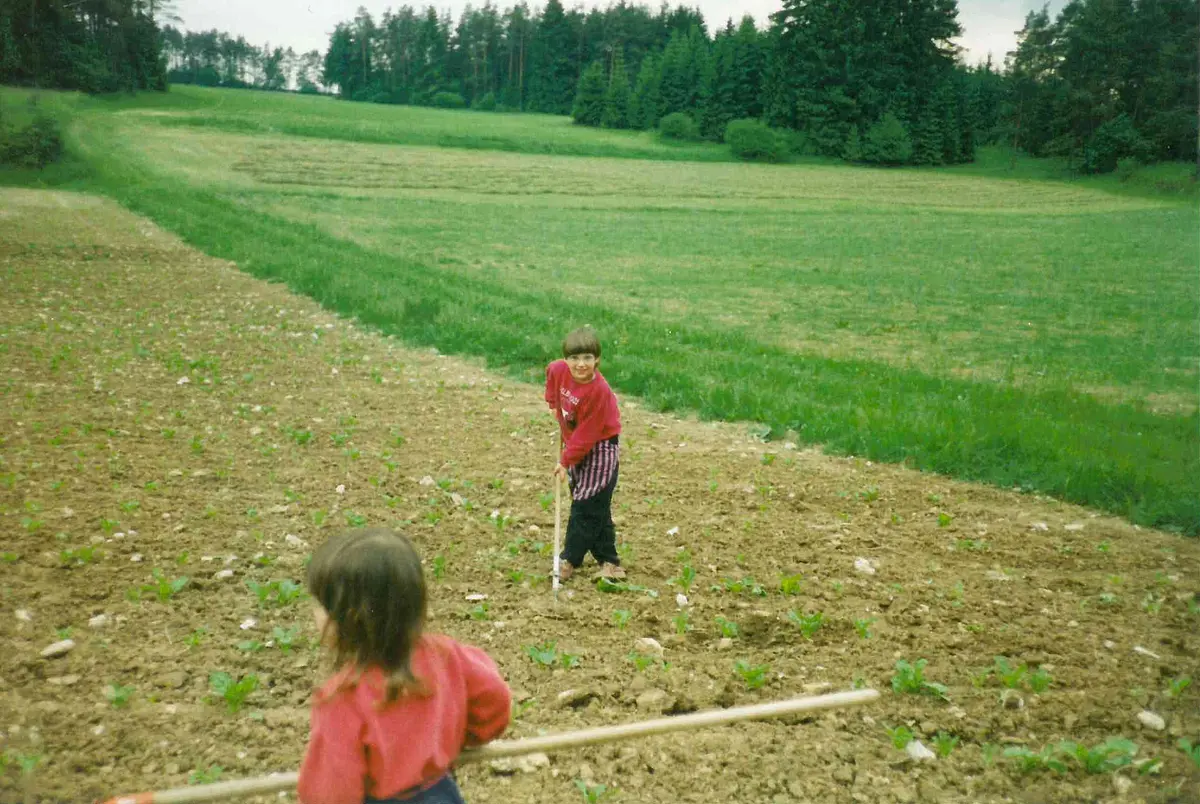
Father, mother, her younger brother and sister, Michaela as well – they all helped out on the farm: feeding cows, harvesting, removing plowed-up stones from a field. She understood from an early age: the soil feeds the family. She was struck by this, her curiosity roused. How is milk produced? Why does the ground force new stones to the surface of the field every year? A child’s questions – and first contact with biology, geology, chemistry, science as a whole.

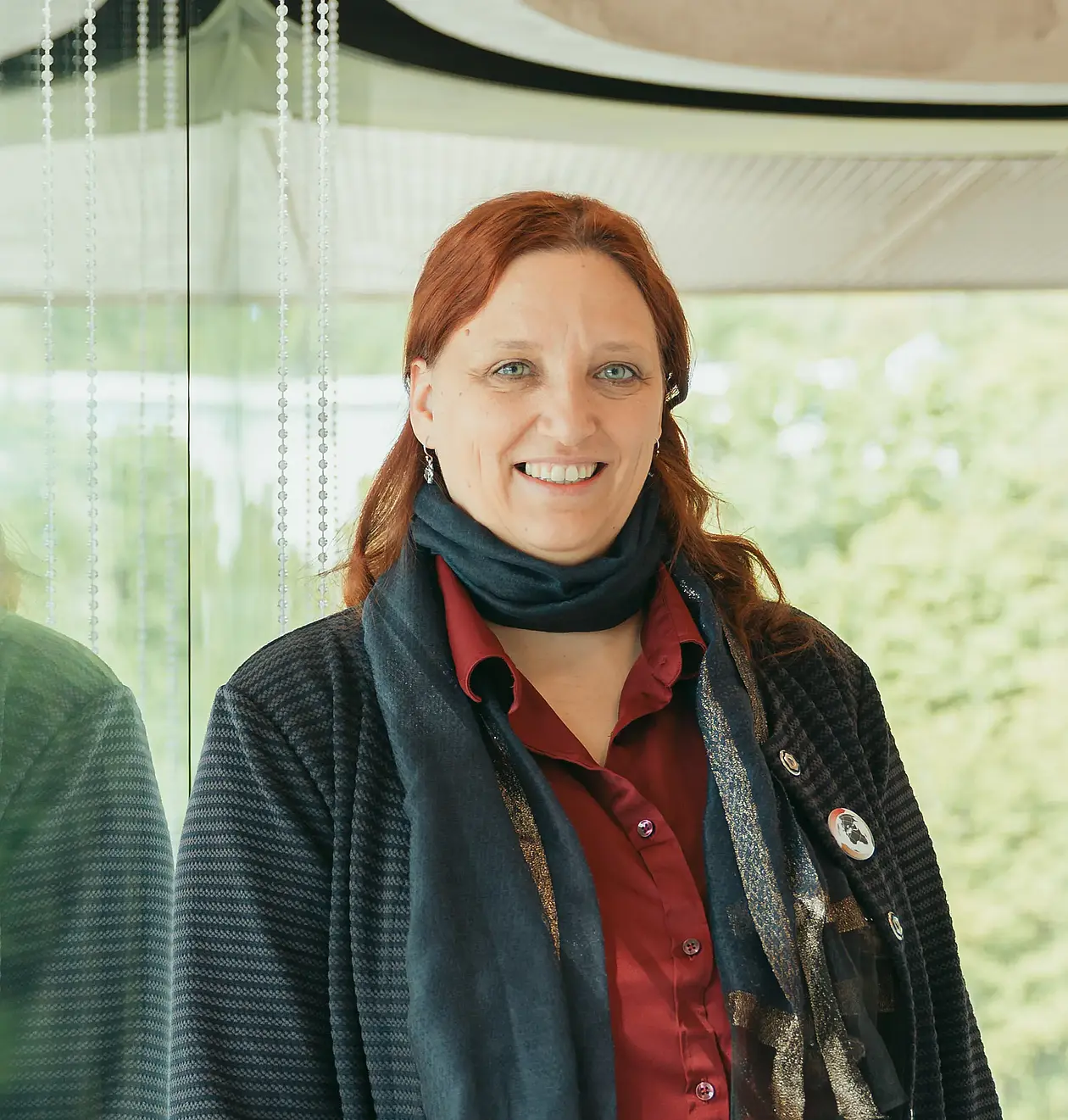
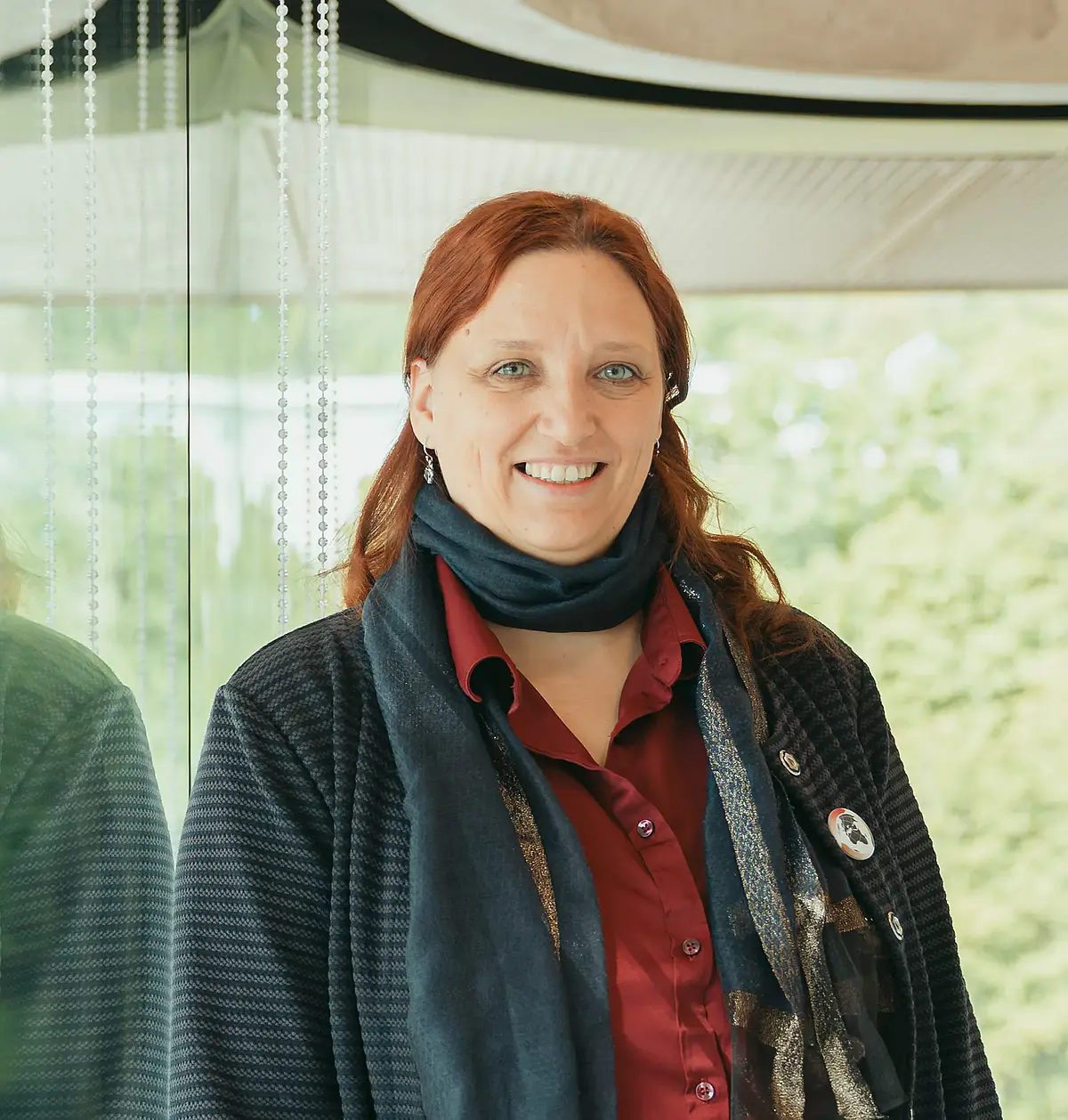
Today, Michaela is a first generation academic and Professor of Geosphere-Biosphere Interactions at the University of Tübingen. She sits in her office on the fifth floor of the Geo- and Environmental Center (GUZ). Straight lines, lots of glass and concrete give the building a modern look; inside, long hallways lead to the offices of the 20 staff in the new Cluster of Excellence TERRA. As a spokesperson for the Cluster, she and her colleagues are planning the ‘Diversitorium’, a field laboratory where the scientists will research the growth of plants and microorganisms.


My father always said to us as children: 'Go and study. Even if we have to cut back on holidays or other things.'
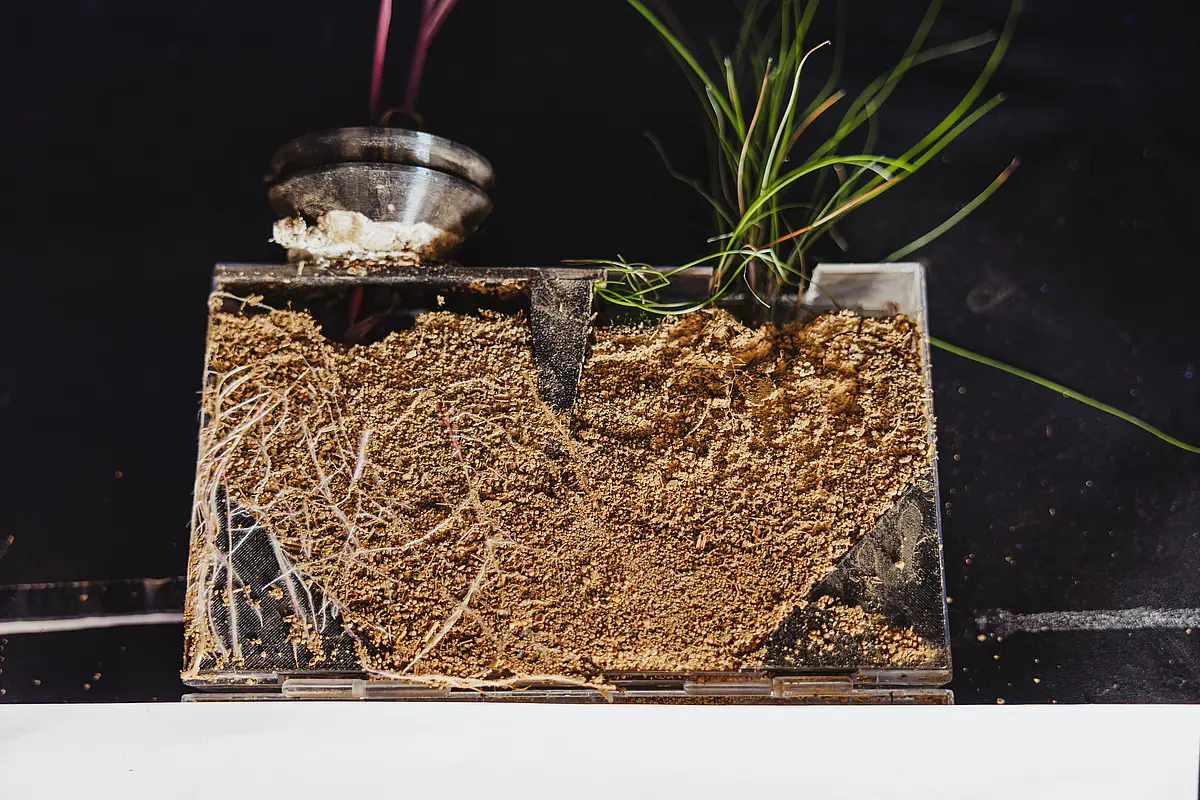
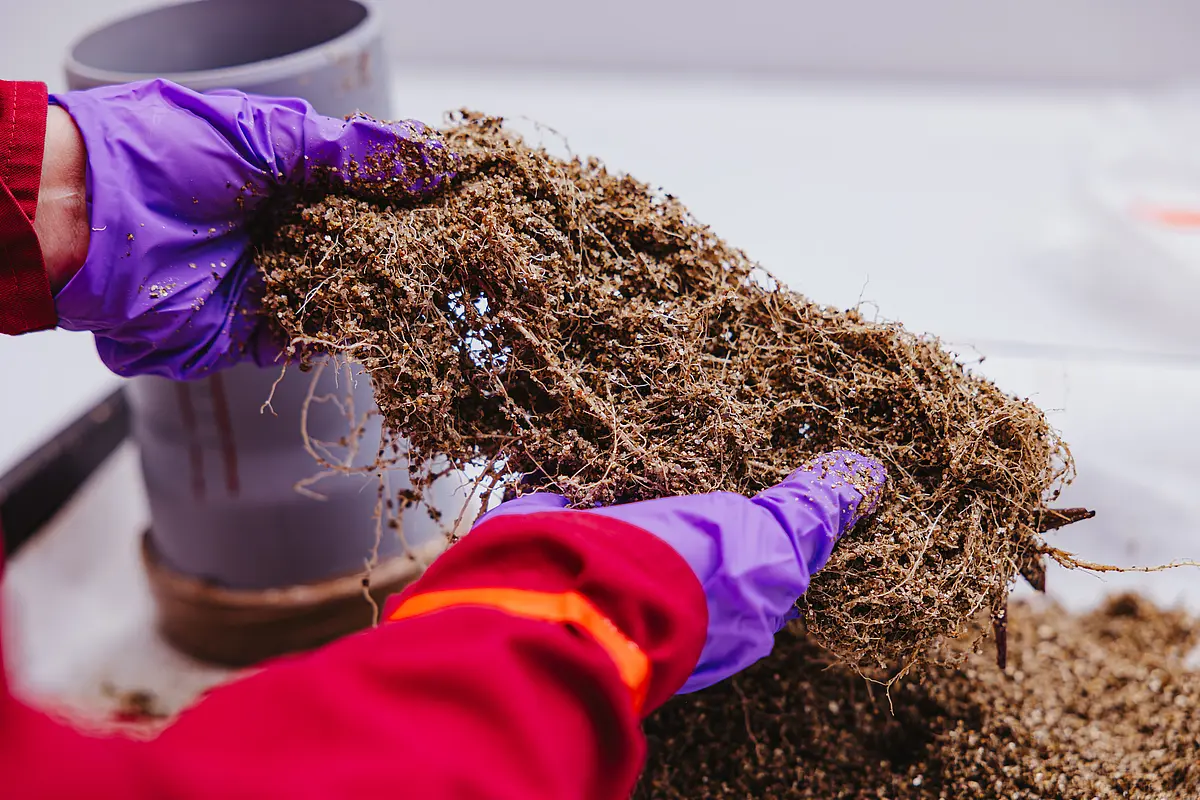
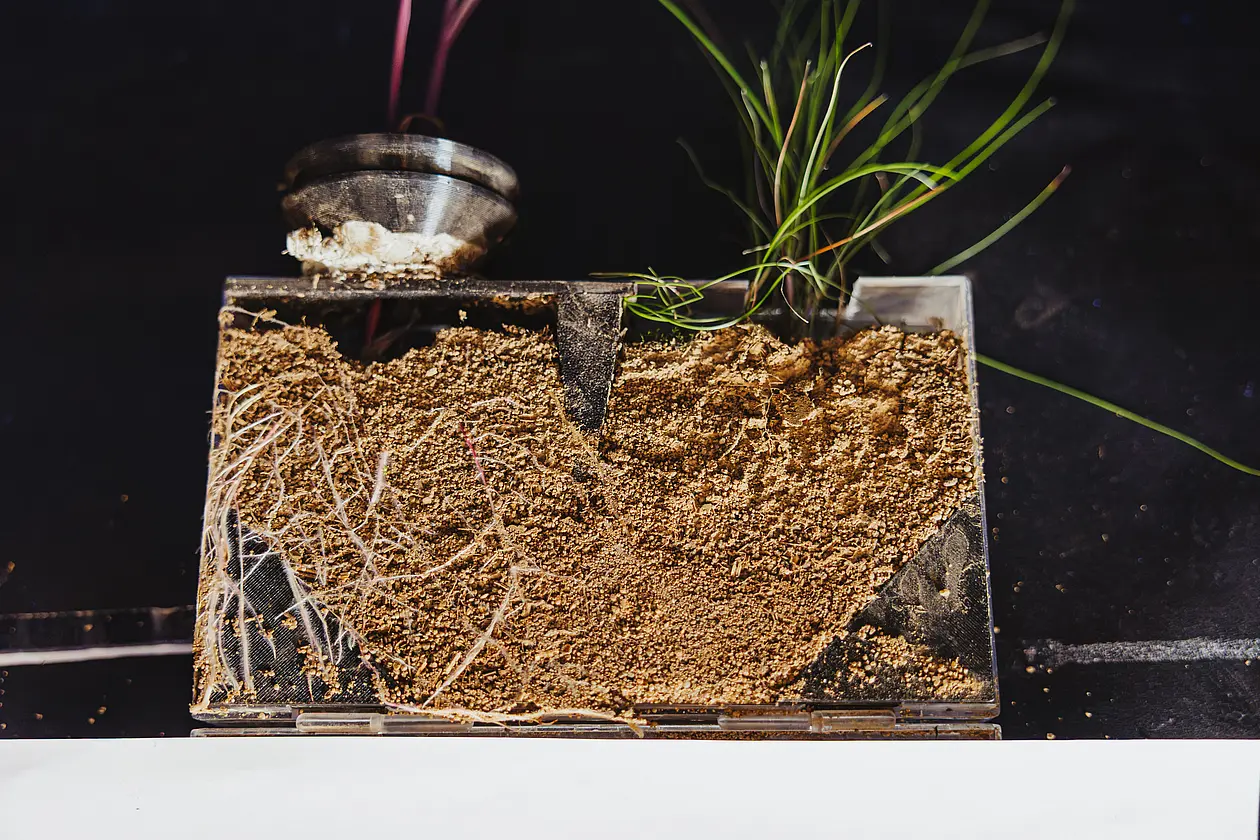
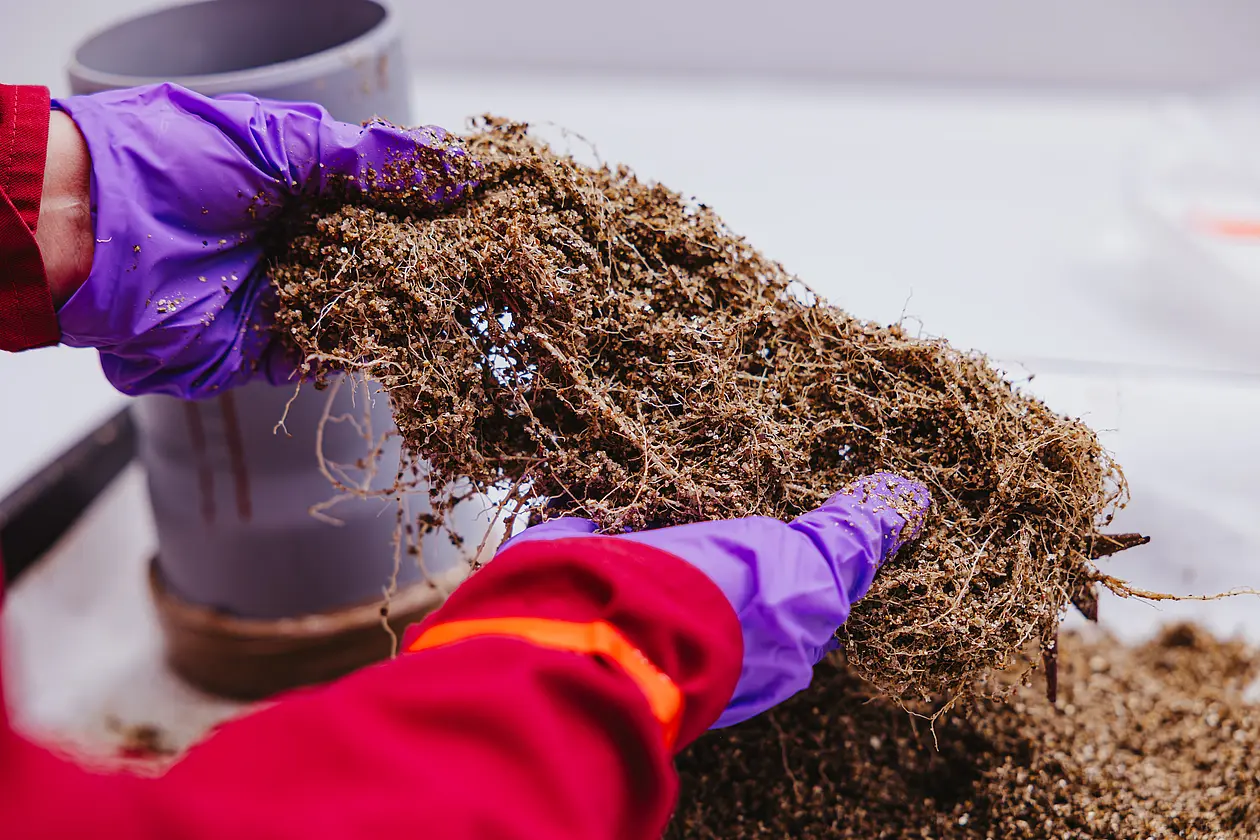
Here, they will manipulate the abiotic environment – the climate and the soil – for their experiments, instead of manipulating the plants. Cameras, thermometers, humidity gauges and so on will be installed to track growth above and below ground. In some areas, heavy rainfall events will be simulated; in others, drought, to find out whether the plants die or shift to water-saving mode. All in search of answers, but now as researchers, not just curious children.

“My father always said to us as children: Go and study. Even if we have to cut back on holidays or other things,” recalls Michaela in her office. Her father was intelligent, but in his youth had to take on his parents’ farm near Bayreuth, while his sister was able to study. Later, he set the interests of his children above the tradition of the seventh-generation farm, and let them decide on their own futures, opening up a path for them that had not been available to him. To begin with, however, it wasn’t certain that his daughter would go on to study one day. “In fourth grade, I was categorized as not suited to attend ‘Gymnasium’ [the school for more academic students].”

Starting school at an early age had affected her grades and she only made the move to the ‘Gymnasium’ by a roundabout route. In the senior school she improved her grades, and at her school-leaving examination, her grade placed Michaela among the best in her year in Bavaria. This outstanding performance brought her a scholarship from the Bavarian Ministry of Science. She wanted to study geoecology, but she also enjoyed working in the laboratory so she also considered biochemistry. In the end, she enrolled in geoecology at the University of Bayreuth.

At university, she never felt unhappy or out of place. In the small degree program she quickly got to know her fellow students and teachers. One professor spotted her talent and on the second semester took her along on a trip to Ethiopia, paying her travel expenses. “That awakened my love for Africa.” Before she completed her studies, she enrolled for biochemistry. Yet again, curiosity won. This time she was helped by a scholarship from the Heinrich Böll Foundation.

The entire time of her double degree and subsequent doctoral thesis she lived at home on the farm. In the morning she often worked in the barn, then drove 40 kilometers
to the university and back in the evening to look after her grandmother or help out on the farm. The physical work on the farm proved to be a good counterbalance to the intellectual work. “It grounds you and offers experiences from a world that many never know. I think it means I am better at gauging things, like how long it will take to construct the Diversitorium.”

The day before we talked with Michaela in her office, she is standing in a canola field near Stuttgart. It is her first sight of the farmland where the Diversitorium will be. Here, in mid-May, rape is blooming in the field at Ihinger Hof, a site belonging to the agricultural sciences test station of the University of Hohenheim. Michaela points at the trees beyond the yellow carpet of flowers. Andreas Schweiger, Professor of Plant Ecology at the University of Hohenheim, and Sara Tomiolo, a doctor in plant ecology, nod; the facility will cover two hectares to there, the size of three football pitches. And in it, as with football, nothing will be left to chance.

There will be 216 containers buried in the field, each measuring two meters by two meters. The containers will be filled with individually blended soils – including basalt, granite and sandstone – sometimes mixed, sometimes separate, sometimes coarse and sometimes fine-grained. A hundred wild plants, including upright brome, common bird’s-foot trefoil and heath false brome, will be sown in the containers. The containers will be surrounded by 18 rain protection covers, which to a layperson look like greenhouses. Watering systems will precisely control precipitation cycles.

In the farm’s seminar room, final discussions are underway before talks with the bidders. The budget for the Diversitorium is in the red, a six-figure sum has to be saved. Andreas Schweiger argues pragmatically, talking of must-haves that need to be agreed by the spokespersons, shrugs and gesticulates to signal helplessness. “We can save a little on the cover sheeting, but not on the watering system which has to be sophisticated,” says Michaela, rolling the ‘r’ in ‘watering system’ like they do where she grew up.


We can save a little on the plastic sheeting, but not on the watering system.

Commercial suppliers are applying for the contracts to provide the watering system, the steel frame and the plastic sheeting that make up the rain protection covers. Three companies that have joined forces to represent the three activities are leading the initial talks. Before things begin, the three men shake hands with the researchers and conduct small talk.

Each representative introduces their company, presents projects with photos and figures that show their expertise in construction for agriculture that produces food economically using facilities that are all far larger than the Diversitorium. Reducing the scale of the systems is simple, but the specific demands of the researchers are challenging to the suppliers.

The researchers want natural conditions: Sunlight reaching the plants unfiltered, including UV light. But normal plastic sheeting on the market filters UV light, protects vegetables from radiation ensuring they are protected as they grow and don’t develop bitter flavors. So the representative for the steel frame company is baffled when the researchers ask for plastic sheeting that allows pure sunlight. The question doesn’t fit his plan, because none of his customers has ever asked for it before. “Clearly no gardener wants something like that on their greenhouse,” says Michaela afterwards.

The watering system provider then reports proudly that their system delivers 120 liters precipitation per square meters per hour. However, the researchers are interested in how few liters are possible as a minimum. The representative falters, shuffles his chair back and forth, asks why, and is told that they need to simulate drought periods. In the end, he is unable to answer the question then and there but promises to send the information later.

After an hour, all the questions have been asked, a few answers are still to come, both sides are cautiously optimistic. Handshakes and farewells. At the end of the day, Michaela is satisfied; the team is a step further on with the construction of the Diversitorium. Soon they will be tendering for the earthworks which are due to start in the fall, so that they can sow in the spring of 2027.

Text: Stefan Bentele

TERRA is a new Cluster of Excellence at the University of Tübingen, involving researchers from the University of Hohenheim and the Senckenberg Nature Research Society Frankfurt; it stands for Terrestrial Geo-Biosphere Interactions in a Changing World. The cluster studies how geo-biosphere interactions are affected by environmental changes and in turn affect them. Does the diversity of the geosphere stabilize the biosphere or the biosphere stabilize the geosphere, and if so, how? The spokespersons for TERRA are Michaela Dippold, who has responsibility for the Diversitorium, Professor Kira Rehfeld, who coordinates computer simulations that reconstruct past climatic and environmental conditions, and Professor Olaf Cirpka, who works on the interface between laboratory and modeling.

TERRA website