Uni Tübingen

Magazine

29.09.2026

Research Changes Lives

When research findings leave the university, they can improve the work and lives of many people.
Experts at every level

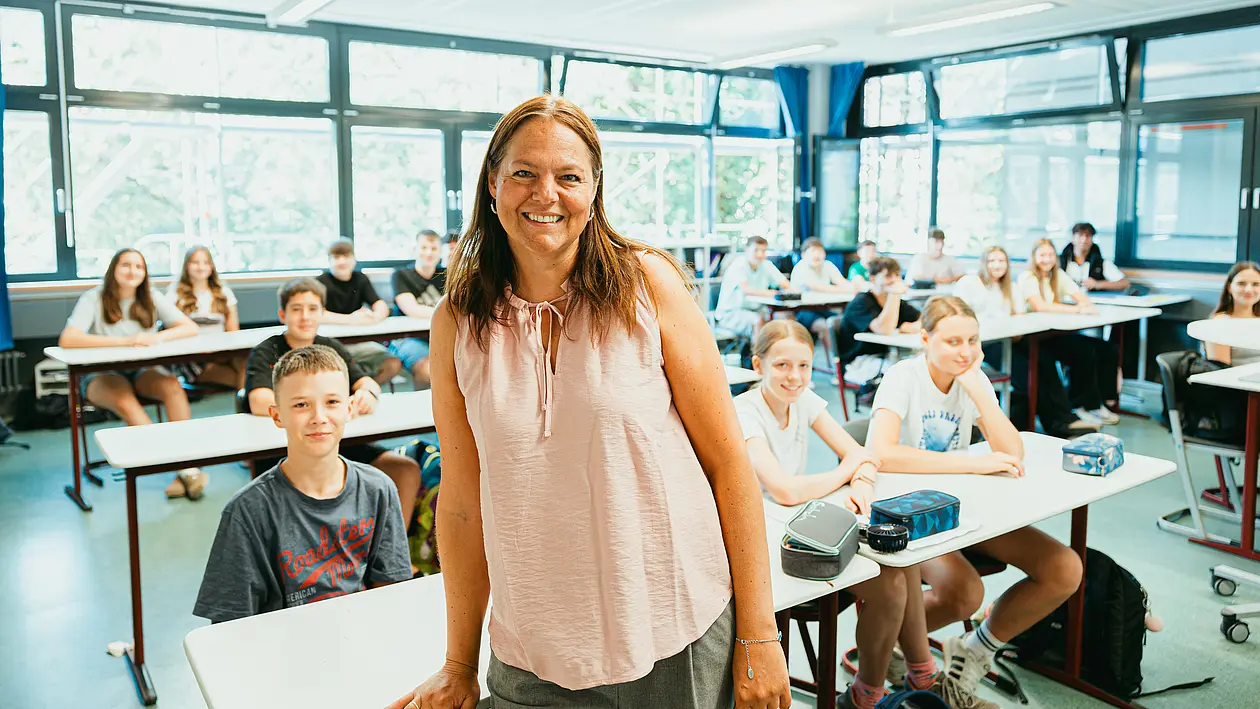
Teacher Annika Messerschmidt has developed teaching units with educational researchers. Now, things are a bit different at the Wilhelm-Hauff-Realschule in Pfullingen.

Tomorrow I’ll be teaching my eighth-graders German again. They’re currently learning about argumentation: How do I back up a claim? What evidence can I use to support my argument? The students are to discuss the following question: ‘Should every class go on a trip abroad at least once?’” 

Many pupils ramble on about amazing experiences before they’ve even presented an argument or a rationale – for example, that experience abroad will help with future travels. I want to structure my lessons so that pupils of varying ability levels feel equally challenged. 

In technical terms, we call this “adaptive learning.” I’ve always wanted to do this, but I didn’t know the methods or tools. I learned them through a project with the University of Tübingen. My teaching has completely changed since then. I start the day with a quiz – that way I can assess each student’s level of proficiency. Is a metaphor a figure of speech or an incomplete sentence? The students check off their answers on their tablets and see the solution displayed. On the whiteboard – that is, a digital board – at the front of the classroom, they see the names of the three students with the most correct answers. This motivates them. The kids are absolutely crazy about this game!
Then class begins. If a student is already able to work very independently, he or she types out their argument on a tablet and immediately receives feedback from an AI: The AI highlights sections of text and suggests even better phrasing. Thanks to this so-called formative feedback, the learning effect is much greater than if days were to pass before the class took a test and then had to wait even
more days to receive their grades. Students who are particularly independent earn a “pro pass”: They’re allowed to leave the classroom and work on their own in study areas throughout the school building. 

I can sit at the round table at the front of the classroom and focus specifically on those who need more support. At the end of the class, everyone gathers again, and we summarize what we’ve learned. My participation in the project with the University of Tübingen lasted three years, from 2022 to 2025. 

Workshops and BarCamps provided a forum for an intensive exchange between academia and practice. The resulting lesson plans were then implemented in the participating classes and evaluated scientifically. By comparing them with other learning groups, we were able to gain insights into which elements of adaptive instruction are particularly effective in promoting learning. “I am now putting these findings into practice and, as a subject specialist, I also provide professional development for other teachers, both at my school and throughout the administrative district.”

The DiA:Net project investigates how to maximize learning progress in classrooms with students from very different social backgrounds and with varying academic levels. The methods are then made available online. Teachers learn how to address the needs of individual students and have digital tools such as tablets and AI assistants to help them do so. Based on insights gained from working with teachers, the research team led by Professor Andreas Lachner (Institute of Education) and Professor Thorsten Bohl of the TüSe (Tübingen School of Education) is refining the methods and resources for future generations of teachers.


New Hope

Jochen Fischer’s immune system is his greatest ally against cancer. A new treatment could be a breakthrough.

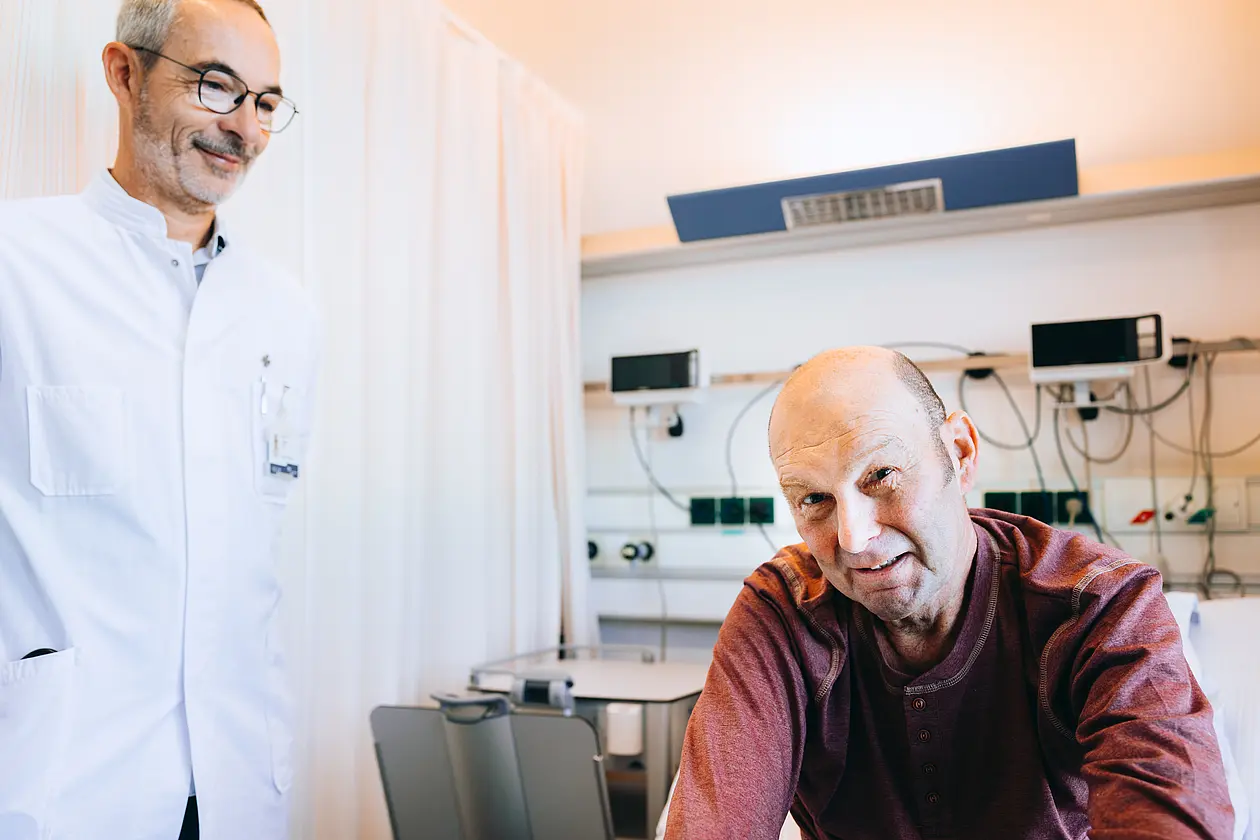
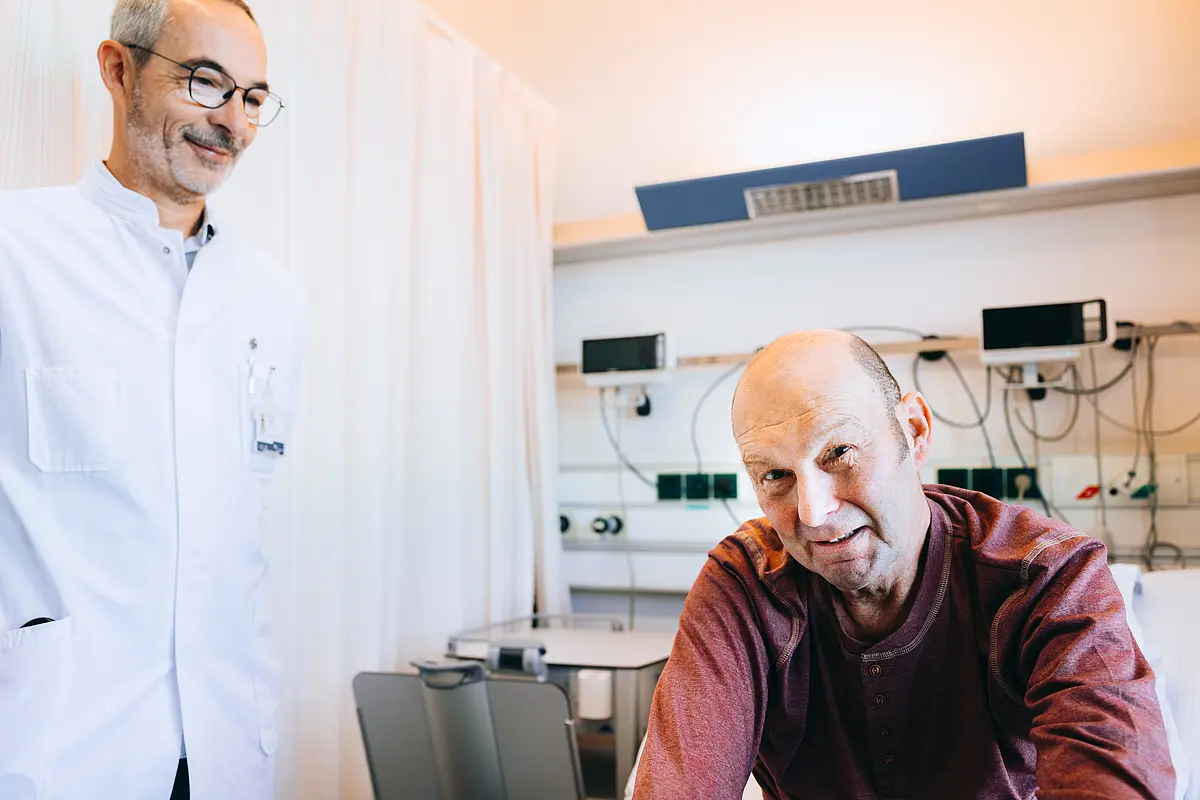
Five years ago, my doctor discovered a tumor in my intestine. Since then I’ve had eight operations, 37 chemotherapy sessions and 25 radiotherapy sessions. I’ve done every kind of therapy – with their side-effects: skin rashes, pimples, inflammation, nausea, hair loss. The cancer always came back, and spread into the liver and diaphragm area. But it did slow down. This won me time, and through my doctor in Schwäbisch Gmünd I learned about the possibility of an innovative treatment at the university hospital in Tübingen, where Professor Salih and his team are currently running clinical trials for a new active substance. I immediately gave my consent to take part – it’s my last hope.

By infusion I receive artificially produced antibodies – that is, bispecific antibodies, proteins with two arms. One arm takes hold of a cancer cell, the other a T-cell or white blood corpuscle from my immune system, and they bring the two of them together. This activates the T-cell and destroys the cancer cell – and only them: the T-cells don’t attack healthy tissue. So I have almost no side-effects: a slight chill and a little fever, just like the flu, on the day when I receive the infusion at the hospital in Tübingen. I go there once a week. 

Since the start of treatment, my CEA value has fallen from 28 to 9. The CEA value is what is known as a tumor marker. Five is normal, that is, healthy. If the value goes down to five, hopefully there’ll be nothing left to see in the computer tomography image. I don’t know yet if I’ll succeed. I worked at Bosch and am retired now. I’ve sorted everything, written my will. My two daughters have left home. But if I still had a little more time, with quality of life, it would be really lovely. Ten years maybe – then I’ll be 75. I don’t really plan to live longer anyway.

The active substance that Jochen Fischer is receiving is called a bispecific antibody, which docks onto an antigen of the tumor cell and to a T-cell from his immune system, bonding the two. The tumor antigen is present in prostate, intestinal, liver and pancreatic tumor cells – so the bispecific antibodies can be used for all four types of cancer. It was developed by Professor Gundram Jung and Professor Helmut Salih at the University Hospital and the German cancer research center (DFKZ) in Tübingen. The active substance is currently being trialed in a clinical study on three dozen patients. If the treatment is successful, it would be a major breakthrough in cancer therapy. Gundram Jung and Helmut Salih would then be able to continue development of this active substance and others at the start-up TWYCE, a company they founded in 2023 together with pharmacist Dr Martin Pflügler. The University of Tübingen supported this transfer from research to business with an innovation grant.


The Smart Kids from Colombia

More than twenty years ago, the Children's University in Tübingen was founded and has since been replicated in many countries. In Colombia, the idea has taken on a special significance.

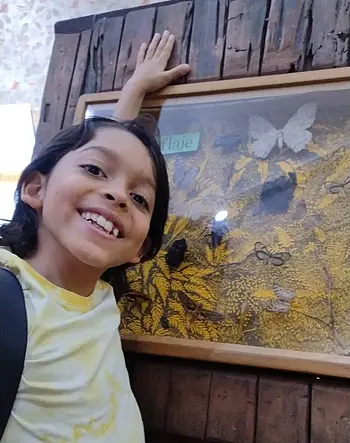
Manuel, 10, and her fascination with butterfly wings

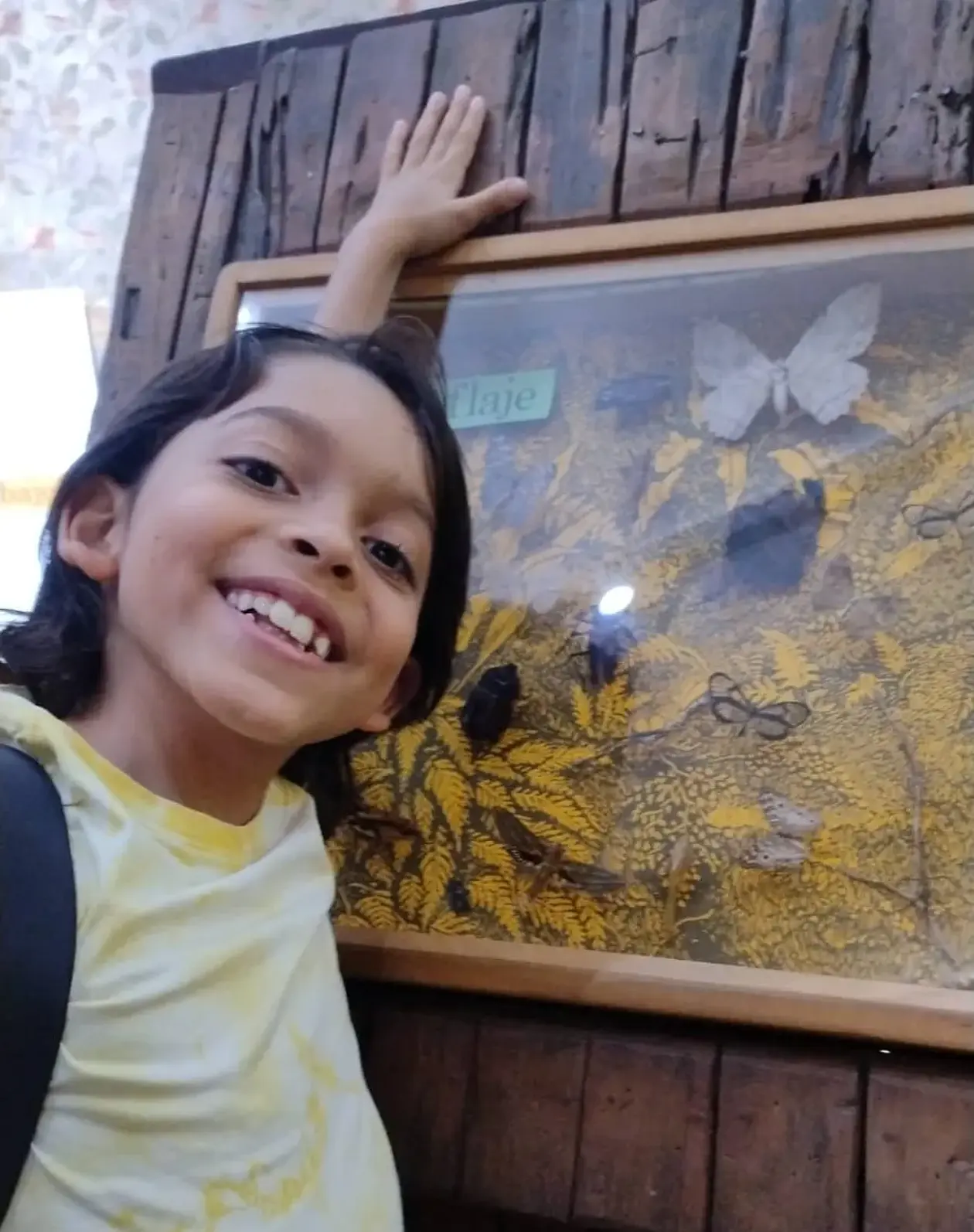
t the Children’s University, we recently examined bean seeds under a microscope and saw how many different varieties there are: small and large, in different colors. And we learned that people have been cultivating beans for thousands of years by selecting the right seeds. I’m also interested in insects: moths, wasps, red butterflies, and how they develop from caterpillars. There are even butterflies with transparent wings! And we learned how bees pollinate fruit trees. I’ve been going to the Children’s University regularly for three years now. I’m the only one from my class. I was chosen because I do well in school. The science fairs are organized in part by the older kids who’ve been there longer. Maybe I’ll do that someday, too.”

Paulina, 16, and her keen understanding of stress

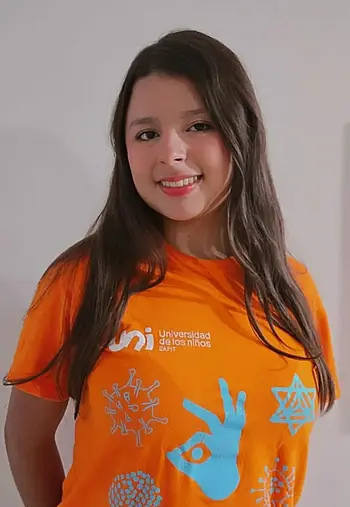
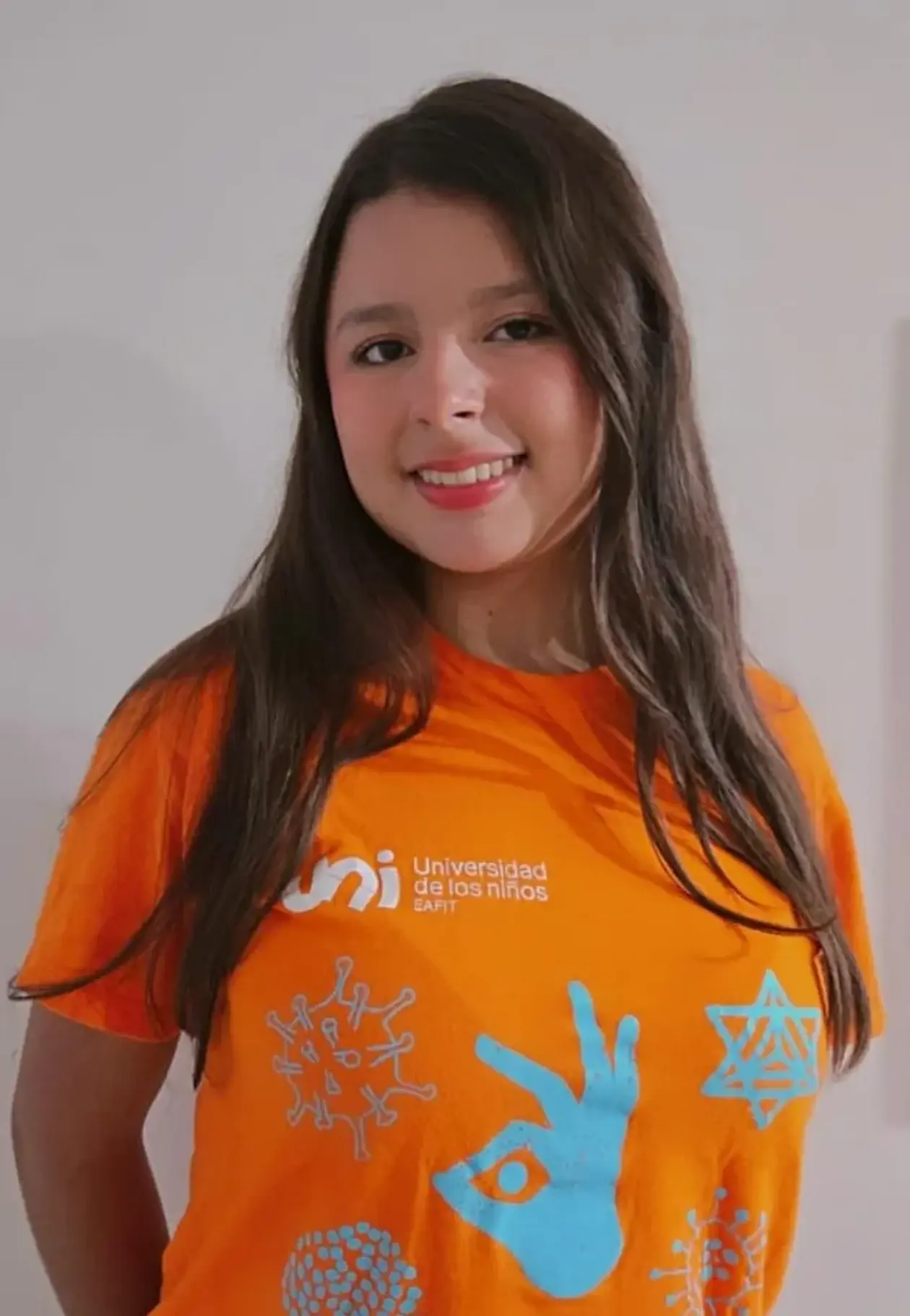
I’ve been going to the Children’s University for nine years now. Recently, I organized a workshop with a group of six other teens. We chose the topic ‘Mental Health and Academic Stress.’ When people talk about this topic, they often focus on therapies or telling you to breathe in and out properly. We wanted to focus on the support you can get from family and friends – or even from yourself – by getting to know yourself better: How to cope with stress and regain your strength. I’ll be graduating from high school in six months. Then I want to go to college. Through the Children’s University, I’ve learned how scientists think. Even more than nature, I’m interested in how people can participate in decision-making. That’s why I want to study social sciences and international relations."

The “Uni de los Niños”

The “Children’s University” was conceived in 2002 by editors of the Schwäbisches Tagblatt and Michael Seifert, who was then a staff member in the university’s communications office. Since then, researchers from the University of Tübingen have spent several days each year explaining major topics to children: “Why does our heart beat?” or “Why don’t the stars fall from the sky?” – and in this way spark their interest in scientific questions. There are now 360 Children’s Universities in 41 countries worldwide. They are organized under the European Children’s University Network, which Michael Seifert co-founded and led as chairman of the board for many years. In 2005, Juan Luis Mejía, then president of EAFIT University in Medellín, Colombia, read a book about the Children’s University and was enthusiastic about the idea. He visited Tübingen and subsequently adapted the Children’s University for his hometown of Medellín. The EAFIT Children's University then rolled out the program to surrounding communities and is now active throughout the country, including in remote areas. An entire team develops its own programs. As a result, the Children's University kept growing as it moved away from its place of origin.

Tough on the outside, soft on the inside

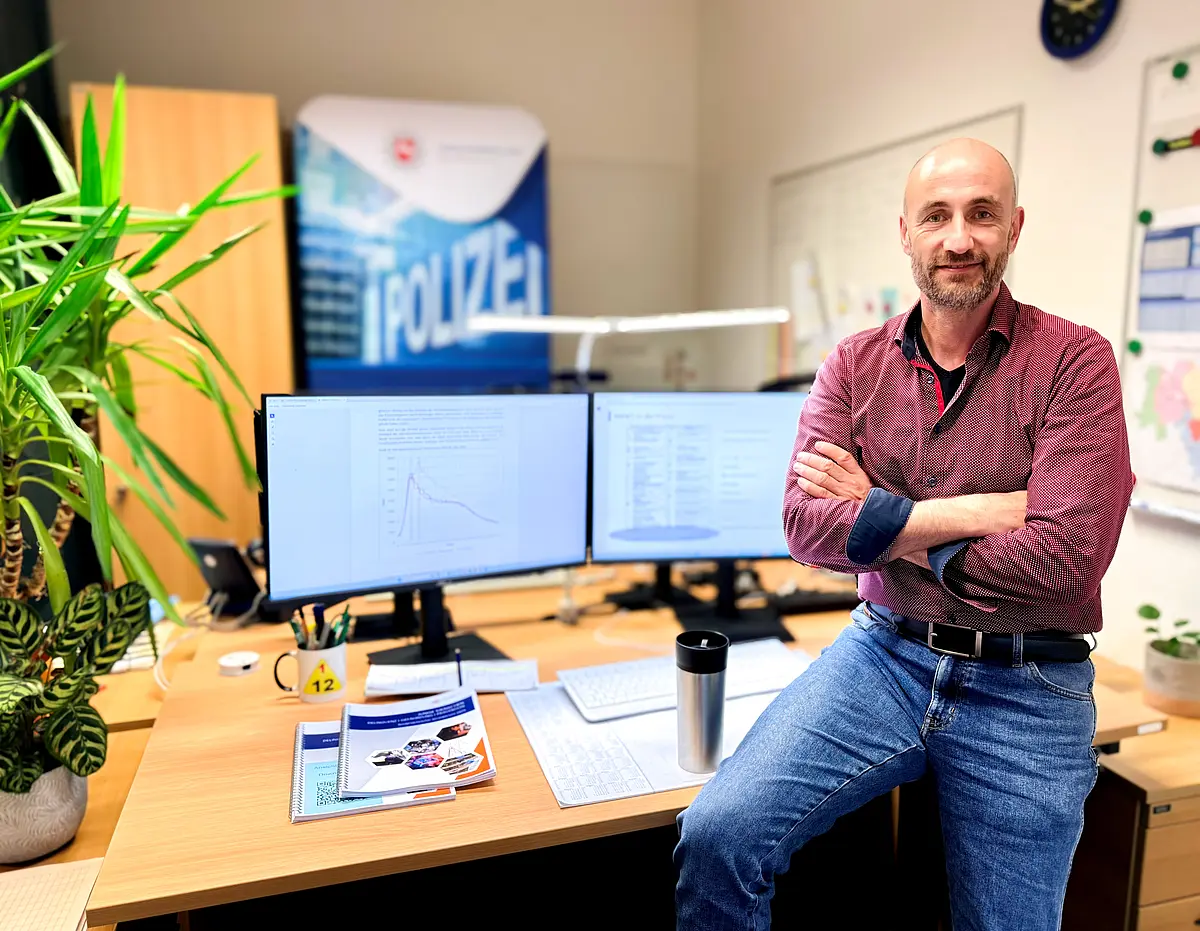
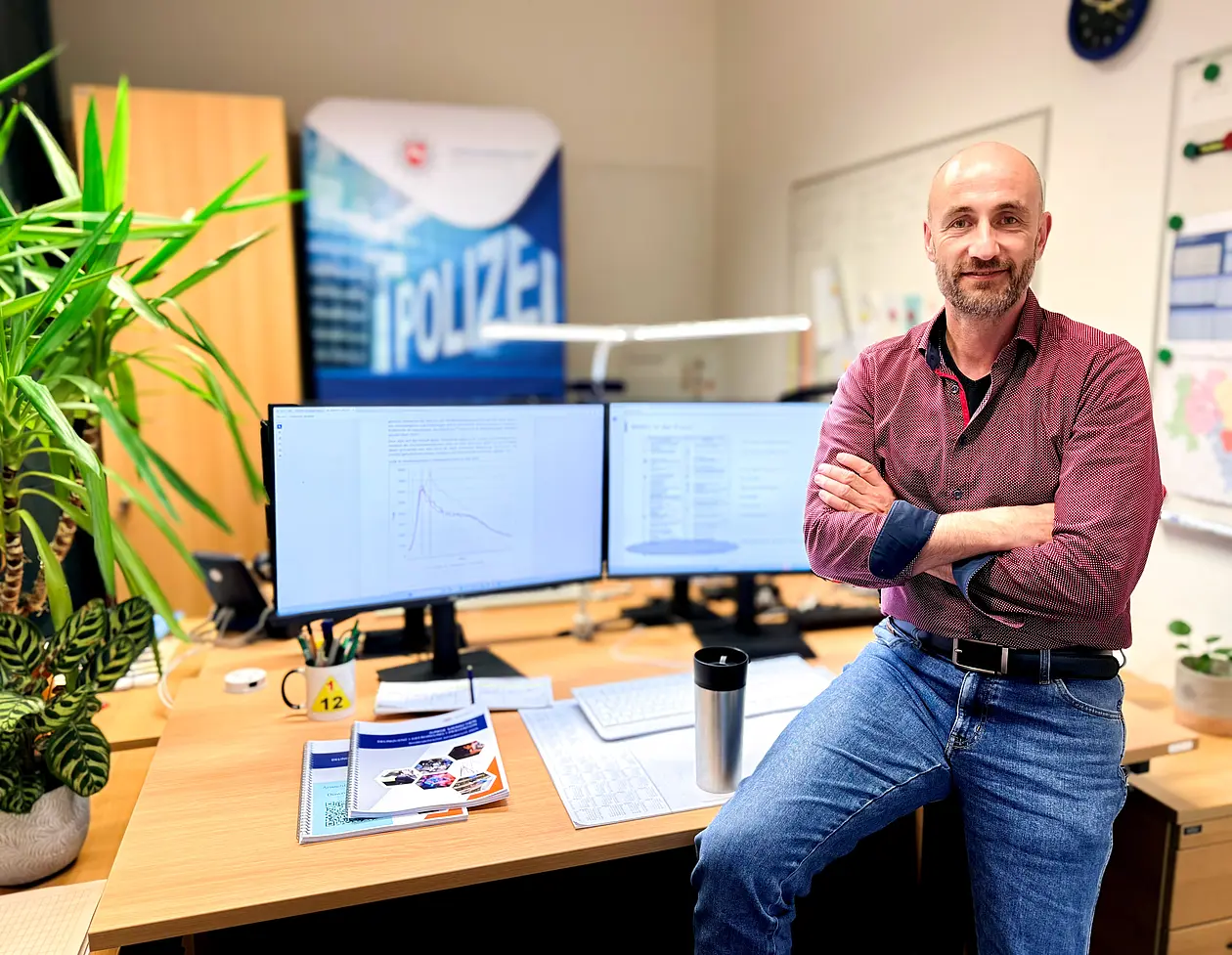
Tilman Wesely and his team in the Lower Saxony Criminal Investigations Office evaluate teenagers’ risk potential more effectively using a questionnaire.

When youngsters commit a crime, the police force is often the first institution to deal with it. It doesn’t matter whether chewing gum was stolen, or someone was robbed or attacked. In juvenile criminal proceedings, the police are the first to make an initial evaluation of the delinquent: Will he or she do it again? What makes this more or less likely? Depending on the severity of the act and how great the risk of recurrence is, we must also decide whether to take finger prints or make a photo for the files – or whether we can assume that they will grow out of the problem. 

As police officers, our profession means that we are primarily concerned with the specific features of the act and with the factors that increase the risk of ongoing delinquency by the young person: Did they act alone or is he or she part of a group that regularly commits crimes? Do they regularly take drugs? Or do they themselves experience violence in the family? The list is long. And we know the youngsters who keep turning up here very well. The others we never see again. Ultimately, this largely negative information about a young person can lead to the risk of reoffending being set too high. On the other hand, experienced police officers also see the protective factors: Is there a stable relationship with an adult? Does the youngster go to school regularly? Does he or she have prospects for the future? Using a standardized questionnaire developed by criminal psychologists at the University of Tübingen we can ensure that we record not just risk factors but also protective factors when making risk evaluations.

The questionnaire has been designed for practical use: After an interview, police officers can carry out a risk evaluation using risk and protective factors in an average of eight minutes. We’ve been using the questionnaire to process juvenile matters in Lower Saxony since the start of the year, and have been able to reduce the risk of bias. And other institutions such as the youth welfare office have also been able to draw on our findings and use them themselves.”

In 2019, the University of Tübingen initiated the development of the standardized questionnaire MEIKs (Merkmale zur Einschätzung des individuellen Kriminalitätsrisikos [features for evaluating the individual risk of criminality]) with its innovation grant. Criminal psychologist Barbara Bergmann has since then tested and developed MEIKs in daily practice. Today she works at the University of Bonn. In Bavaria, Baden-Württemberg, Hesse, Rhineland-Pfalz and North Rhine-Westphalia, MEIKs are sometimes already in use in education and daily applications. MEIKs are intended to prevent cognitive bias: The human brain tends to fill in information gaps using straightforward rules. When evaluating the risk potential of teenage criminals, this can result in police officers concluding that one criminal act by a young person indicates a high risk potential in future – and overlooking numerous factors that may stabilize a youngster. Following a set procedure to ask about protective factors can compensate for this bias.