Uni Tübingen

Magazine

29.09.2026

The Robustness of Tender Plants

Plants harbor mechanisms that help them withstand drought, heat and excessive rainfall. These mechanisms could help secure food supplies for a growing world population.
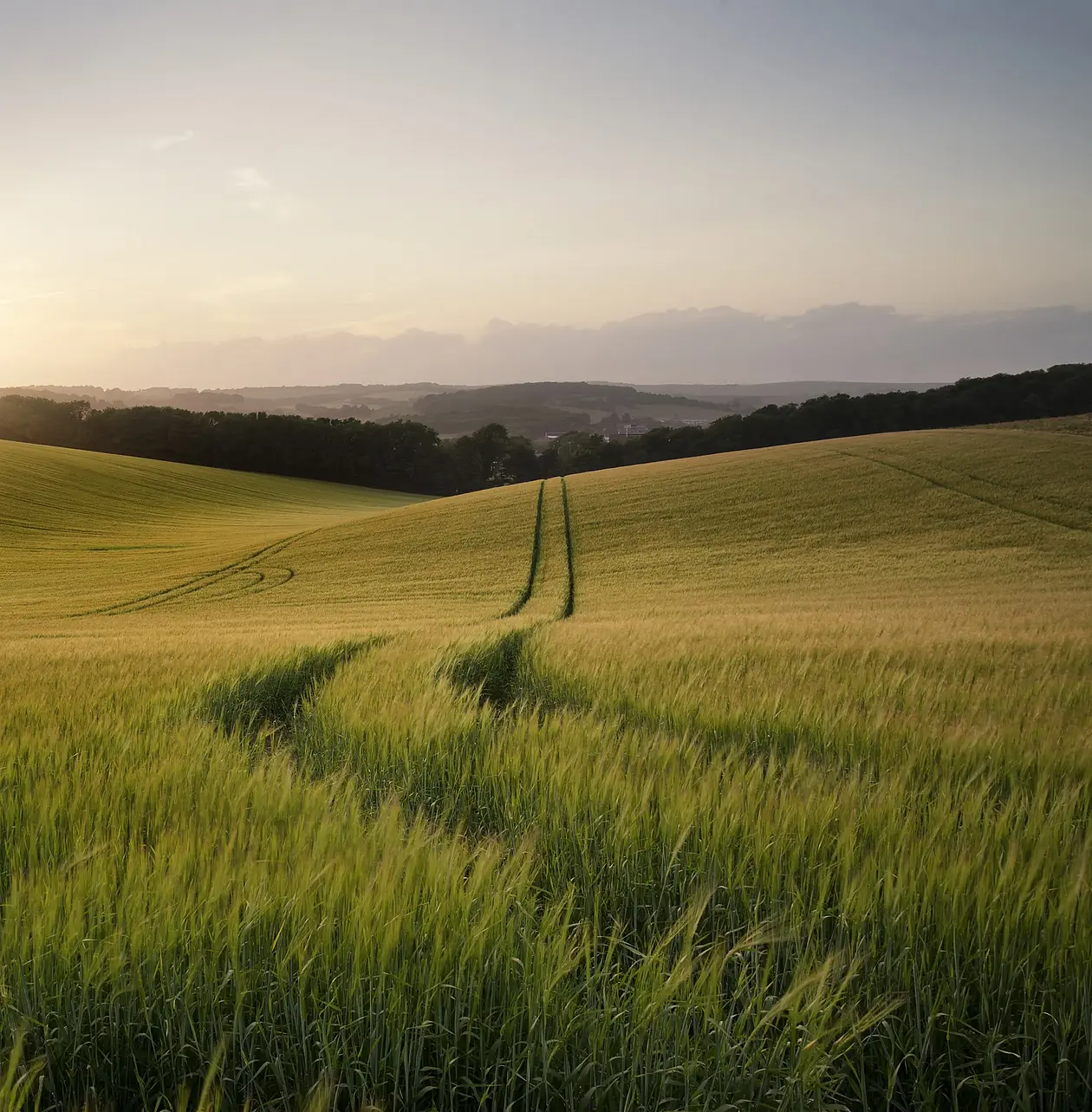
Here they stand, in rank and file: Cereal plants shape the landscape, but above all they ensure the world’s food supply.

They are at the start of almost  all food chains. They don't usually move much. And this may  be their most salient characteristic: They stand in a fixed place, for sometimes even a few hundred  years, and have to cope with everything.  Hot hours in the sun, weeks of drought, driving rain, hail, wind and storms, cold, diseases and then something nibbling at them.

Plants are robust life forms. As cacti, they stand in the desert, storing precious water. As mangroves they stand in barely tolerable salt water on the seashore while the tides rise and fall, and as cushion plants they crouch close to the ground in the high mountains, to withstand the cold
and wind.
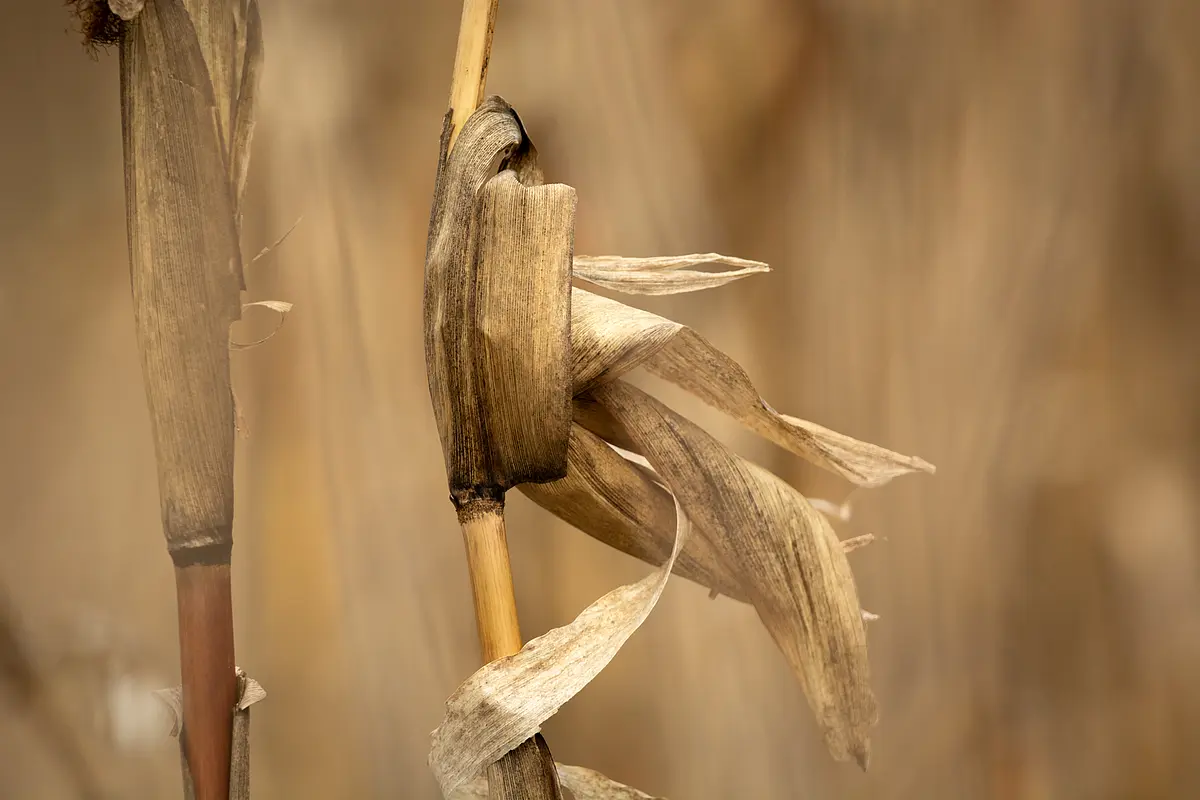
Without them there is nothing. On the land, everything that constitutes life rests  on plants. Even carnivores could not survive without them – every food chain needs plants at its base, otherwise those above  will go hungry.

Scientists refer to the ability of plants to maintain their vital functions under a wide range of stresses as robustness. And this strength is found not just in an old tree with a massive trunk. It is perhaps even more necessary in a tiny tender plant that seeks to grow from a sprout to a full-size  plant with leaves, flower and fruits. The robustness of plants has been used by humans for thousands of years in agriculture:
When sowing, they allocate the plants a place in the field and rely on it withstanding the environmental conditions there. At  the same time, while cultivating crops we  have to struggle against unwanted weeds which are at least as robust.


Undernutrition and other forms of malnutrition are still among the world’s major health problems.

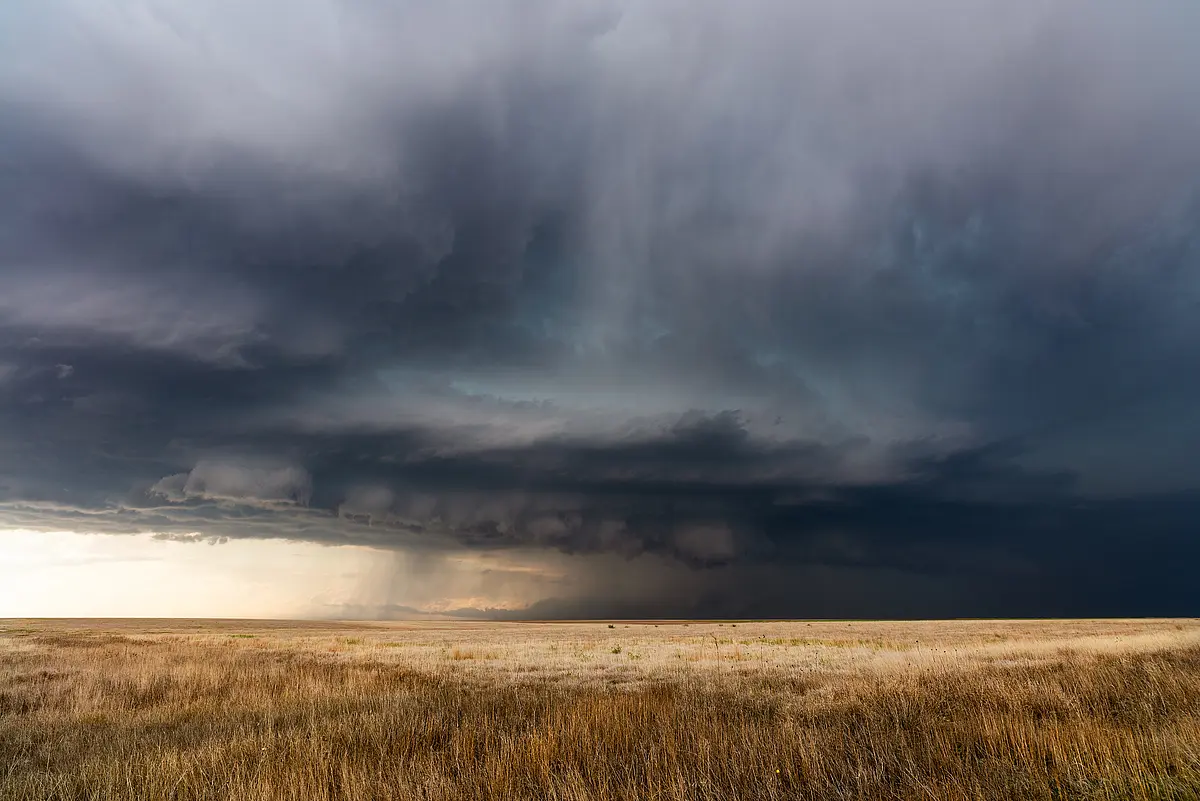
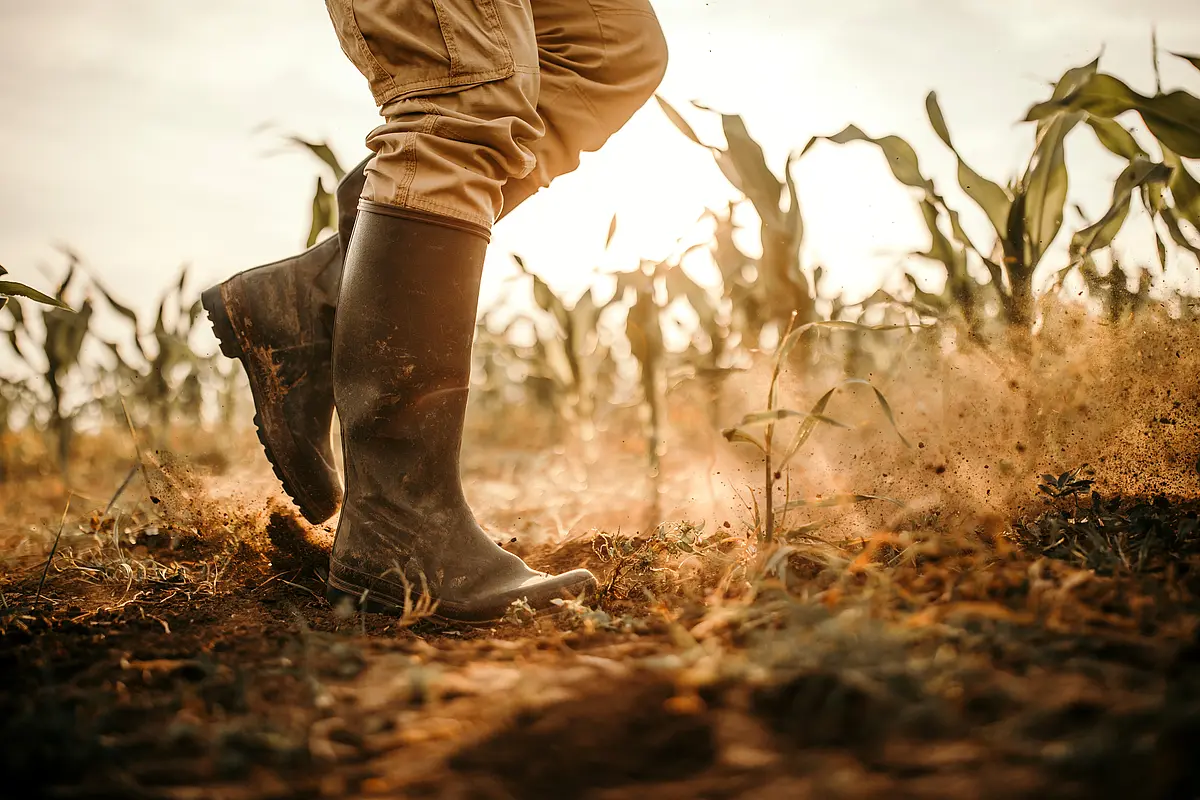
The question of what makes plants robust under very different conditions was the seed for the GreenRobust Cluster, says spokesperson Eric Kemen from Molecular Biology at the University of Tübingen.

The challenge which 77 researchers from the Universities of Tübingen, Hohenheim  and Heidelberg will endeavor to answer over the next seven years or more is huge: They hope their basic research into plant robustness will contribute in the long term to securing food for a growing world population.

“Undernutrition and other forms of malnutrition remain among the world’s major health problems. Nearly half of  all deaths among children under five are associated with undernutrition,” says Kemen.

But this can’t simply be fixed with a  little more optimization of the yields from  modern crop cultivation, for instance with more precise fertilization.Instead, crops must be adapted to rapid, human-induced  climate change much faster than natural evolutionary processes alone would allow. “By identifying molecular mechanisms we want to determine the general principles  that make plants robust,” says Kemen.

“With this knowledge and suitable molecular  tools, we could respond much more rapidly to changing conditions in crop production.”
The regulatory framework for new genomic techniques is also changing. In June 2026, new rules were adopted at EU level. Plants with targeted changes that could also arise naturally or through conventional breeding will largely be treated like conventionally bred plants. Plants with more extensive genetic changes will  remain subject to the stricter requirements of GMO legislation.

“Robustness does not have to mean standstill,” says Eric Kemen. Plants have  two types of robustness, he adds. There is resistance, the plant's ability to withstand stress; and there is resilience, whereby it recovers from the stress. And plants  are true masters in regeneration: Grass that has dried out in the hot sun, or a tree  whose leaves were almost completely consumed  by caterpillars can revive once the conditions improve or the pest disappears.


Robustness does not have to mean standstill.


But what are the molecular and cellular  mechanisms behind these processes?  Research has identified many individual aspects, such as the proteins plants form  during heat stress or the specific sugars  and other substances they accumulate that  help maintain water balance and protect cells. Biotic interactions also play a key part: Pathogens and herbivores can weaken plants, while beneficial microorganisms can strengthen plant robustness. 

“One thing we still don’t really understand is the connection between the different levels of  regulation from the molecular to the entire ecosystem. In our Cluster we are gathering expertise on all these levels,” says Kemen. Until now, crop breeding has largely focused on maximizing yield. As a result, traits that made the wild ancestors of  crops robust have often been lost. Cluster members now want to  compare cropsdirectly with their wild relatives. To do this, researchers will use selected crops from three ecologically and agriculturally important plant families—barley, tomato and cabbage—together with related wild species.


Such data have often not been documented in the past, and a great deal of knowledge has therefore been lost.
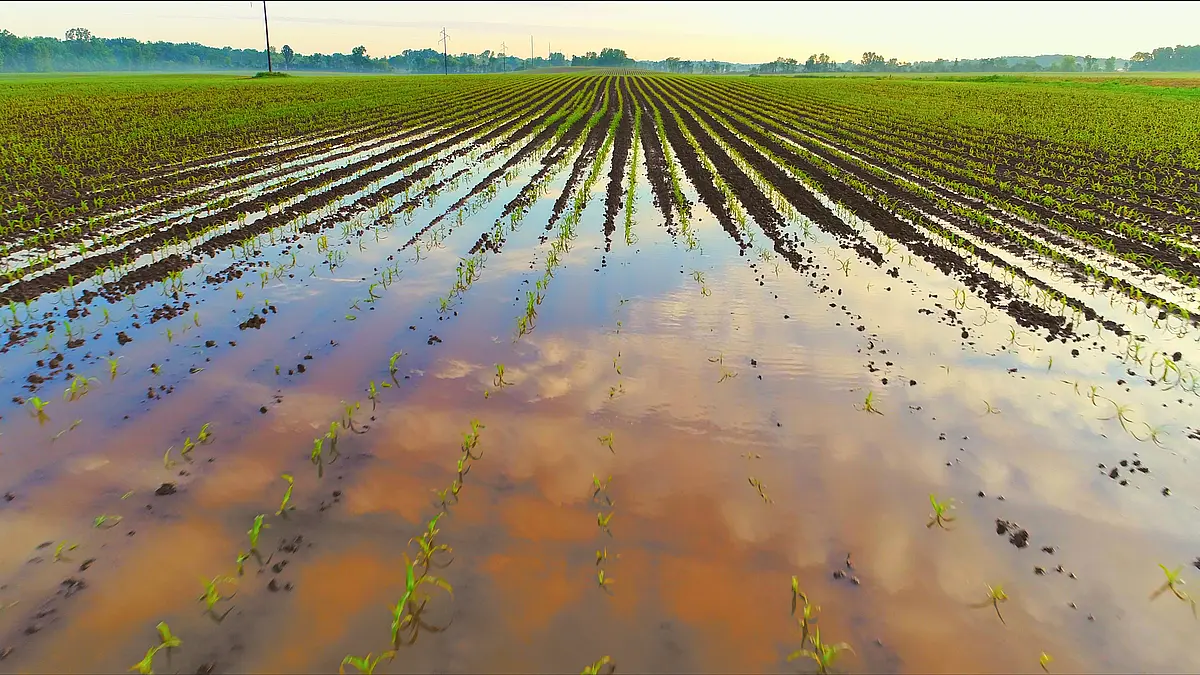


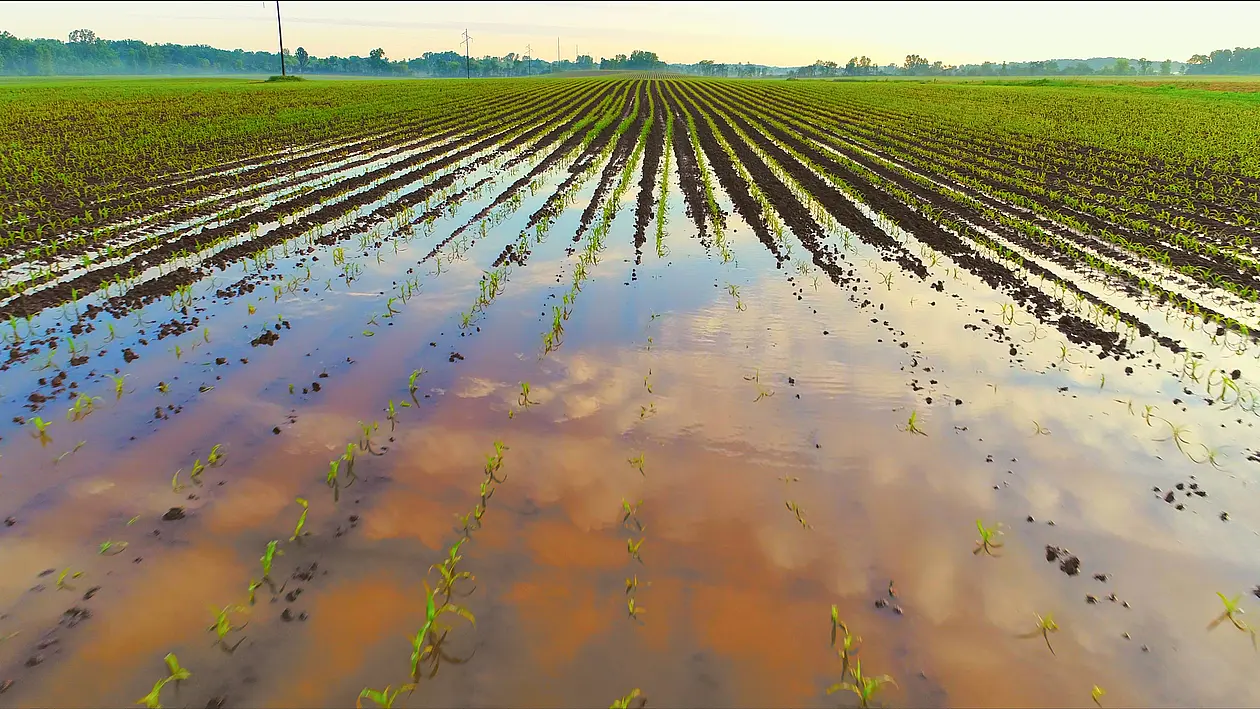
“We’ll record all data on plants’ reactions to stresses and on their robustness in a database, the Plant Perturbation Atlas,” says Kemen. “Under ongoing climate  change, plants will have to cope not only with rising temperatures but also with  increasingly contrasting conditions. In Europe, weeks of drought can be followed by heavy rainfall and flooding. The plants will be studied in greenhouses and, from the Cluster’s second year, in field experiments at Hohenheim, to the south of Stuttgart.

There, the University of Hohenheim has test areas where different environmental conditions can be specifically recreated  and the reactions of the plants recorded precisely using robot systems and drones. One possibility for making plants more robust is targeted genetic modifications.

“But even with conventional approaches such as plant breeding, extensive genetic and molecular biology skills are essential, for instance to develop specific new varieties and reliably assess their properties,” stresses Kemen. Cluster members want to make the data they obtain suitably  available for research worldwide in order to ensure agricultural productivity. Above  all, the scientists also want to record data from experiments that until now have often been screened out, perhaps for lack of an expected effect or too weak a signal.

“If these data are carefully documented  they may be valuable in particular for the development and training of AI models. Such data have often not been documented  in the past, and a great deal of knowledge  has therefore been lost.”

Text: Janna Eberhardt

The GreenRobust Cluster of Excellence

The University of Tübingen contributes expertise in molecular plant research, Heidelberg in cellular plant biology, and Hohenheim in whole-plant biology and agricultural research. The three universities have joined forces in the GreenRobust Cluster of Excellence to study plant
robustness along three axes:

  • climatic and biotic stresses;
  • biological organization from molecules to populations;
  • diversity among species from three ecologically and agriculturally important plant families.

Key components are the Plant Perturbation Atlas, which records plant  responses to stresses, and a Central Data Hub that ensures data quality and interoperability. A Cluster of Excellence is a research consortium with a common theme, jointly funded by Germany’s federal and state governments for seven years to support internationally competitive research. Universities across Germany competed  for this funding. The funding period began on January 1, 2026.

Cluster of Excellence GreenRobust