Uni-Tübingen

Partner Universities

In Oregon

Oregon has seven universities with a total of about 95,000 students. The universities with the largest student populations are Oregon State University (25,374) in Corvallis, Portland State University (19,687 students) in Portland, and the University of Oregon (24,448 students) in Eugene. These universities offer a wide variety of undergraduate and graduate programs, which roughly correspond to the European distinction between bachelor’s and master’s degrees.

Portland State University (PSU)

 Portland State University has been ranked as one of the most innovative universities in the country. Among the university's best-known partners are the following institutions: Intel, Daimler, Oregon Health Sciences University, Portland Public Schools, the City of Portland, Multnomah County, and Portland General Electric.

The student-to-faculty ratio is 20 to 1.

The best-rated programs:

  • Psychology
  • Biology
  • Computer Science
  • Accounting
  • Management and Leadership

The best-rated graduate programs:

  • Social Work
  • Education
  • Electrical and Computer Engineering
  • Computer Science
  • Education Leadership & Policy

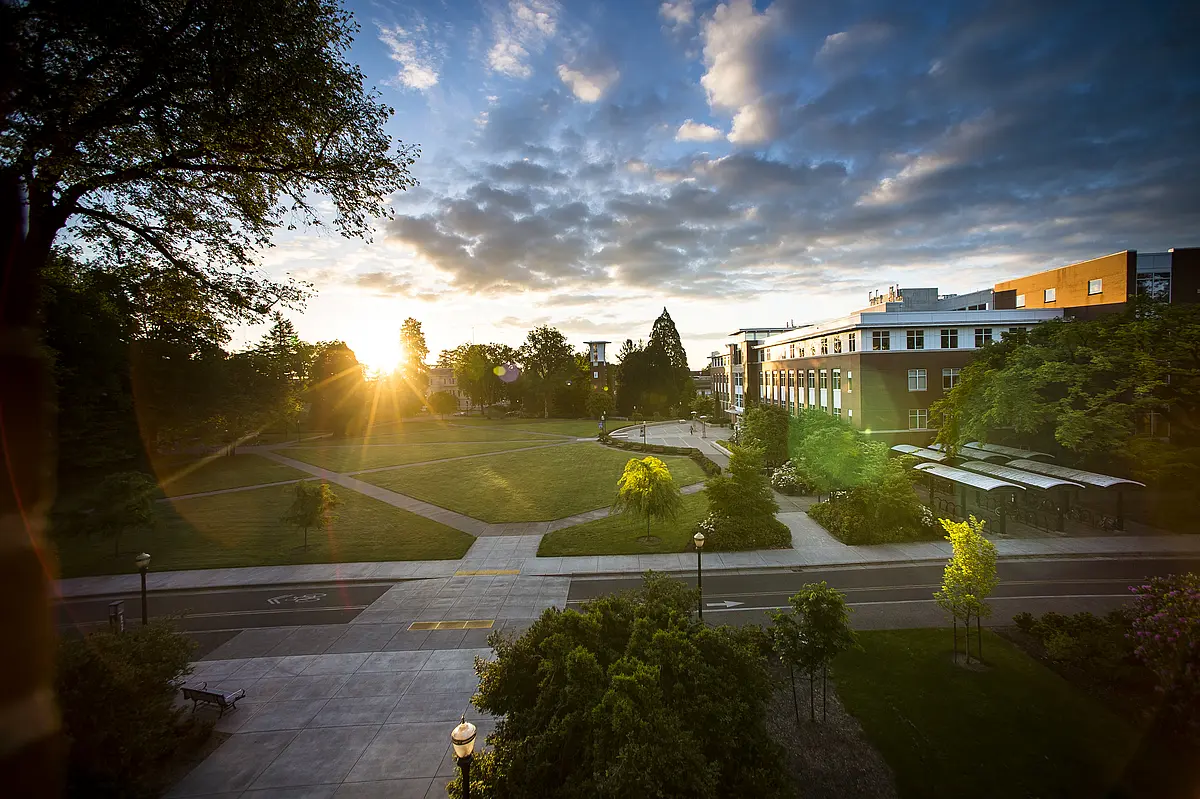
Oregon State University (OSU)

 Oregon State University ranks among the top 2% of universities worldwide. It receives more research funding than any other university in Oregon. Students can choose from more than 200 bachelor’s programs and 100 master’s programs. Here are the most popular ones:

  • Forestry (No. 2)
  • Oceanography (No. 3)
  • Mycology (No. 8)
  • Marine Biology (No. 8)
  • Agriculture (No. 13)
  • Robotics (No. 4, U.S.)
  • Renewable Energy (No. 4, U.S.)
  • Ecampus Online Bachelor’s (No. 3, U.S.)
  • Business Innovation (No. 8, U.S.)
  • Information Science (No. 10, U.S.)

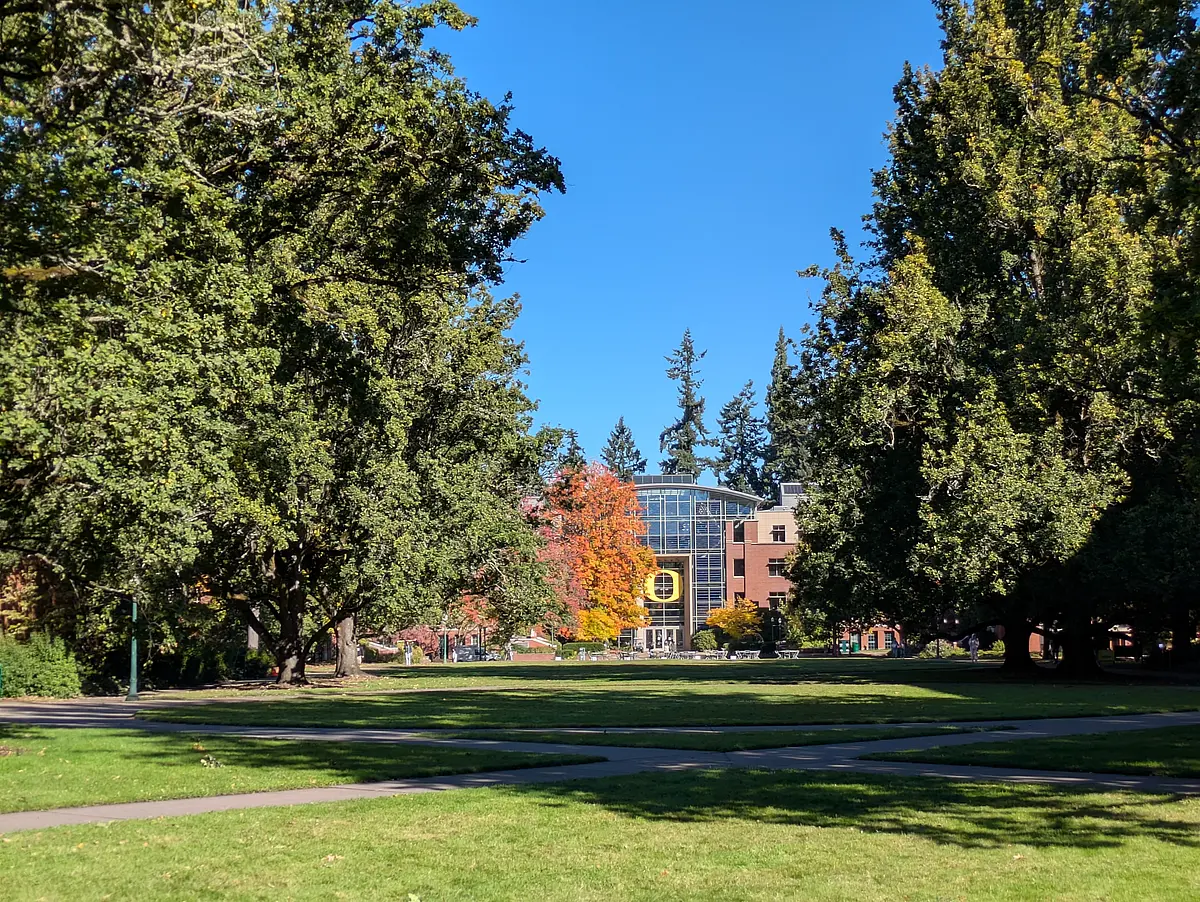
University of Oregon (UO)

University of Oregon is one of the most popular universities in the state. It is one of only two universities in the U.S. Northwest to have been selected for membership in the prestigious Association of American Universities, a consortium of leading research institutions in the U.S. and Canada. The university offers 325 degree programs and certificates. The student-to-faculty ratio is 16 to 1.

The highest-ranked degree programs:

  • Business Administration
  • Psychology
  • Human Physiology
  • Biology
  • Journalism and Communication
  • Economics
  • Political Science
  • General Social Science
  • Computer and Information Science
  • Architecture


Eastern Oregon University (EOU)

Eastern Oregon University is one of the smaller universities in the country, with 3,741 students. The student-to-faculty ratio is 17 to 1. There are more than 50 student organizations.

Please note that, unfortunately, there are no exchange spots available for the 2026-27 academic year.

Southern Oregon University (SOU)

Southern Oregon University is located in the southwestern part of the state of Oregon. With approximately 6,000 students, it is one of the smaller universities in the country and is known for its beautiful campus. The university’s core values are inclusion, cultural diversity, and sustainability. The student-to-faculty ratio is 26 to 1, and there are 37 degree programs.

Please note that, unfortunately, there are no exchange spots available for the 2026–27 academic year.

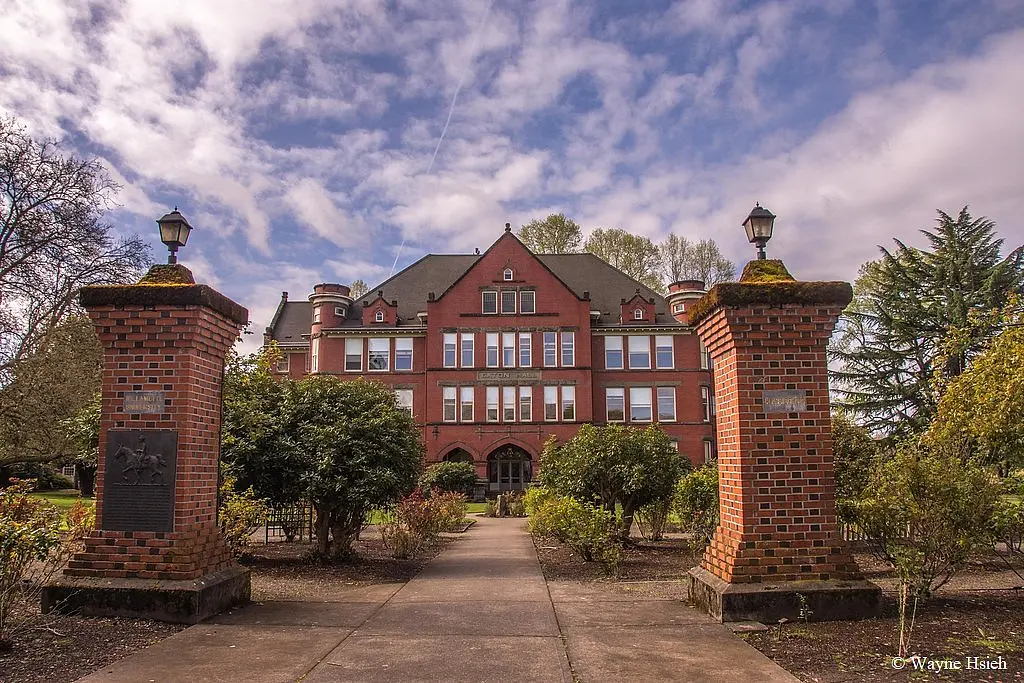
Western Oregon University (WOU)

 Western Oregon University was founded in 1856, making it the oldest public university in Oregon. As its name suggests, it is located in the northwestern part of the state. The campus covers an area of approximately 635,000 m². There are 77 student organizations dedicated to various topics

Please note that, unfortunately, there are no exchange spots available for the 2026–27 academic year.

Williamette University (WU)

Williamette University is located in northwestern Oregon. With about 2,000 students, it is the smallest university in the state. It has over 100 student organizations, 19 sports teams, and 50 degree programs.

Ten Most Popular Majors for 2024 Graduates:

  • Economics, General
  • American Government and Politics (United States)
  • Psychology, General
  • Environmental Science
  • Computer Science
  • Cultural Studies/Critical Theory and Analysis
  • Exercise Science and Kinesiology
  • Biology/Biological Sciences, General
  • Data Science, General
  • Communication and Media Studies, Other

Willamette University
Portland Northwest College of Art (PNCA)

The Pacific Northwest College of Art is an art college affiliated with Willamette University and is located in Portland, Oregon. Founded in 1909, PNCA offers 10 bachelor’s degree programs in the visual arts (BFA) and 10 minor programs, eight master’s degree programs—including the Master of Fine Arts (MFA) and the Master of Arts (MA) at the Hallie Ford School of Graduate Studies—as well as a range of continuing education programs. It has approximately 500 students.

PNCA offers bachelor’s degree programs in the following disciplines:

  • Animated Arts
  • Graphic Design
  • Creative Writing
  • Illustration
  • Intermedia
  • Painting
  • Photography
  • Printmaking
  • Sculpture
  • Studio Arts

In Baden-Württemberg

In Baden-Württemberg, there are fifteen partner universities in our state program. The universities with the most students are Heidelberg University (32,178), the University of Tübingen (28,046 students), and the University of Freiburg (24,507 students).

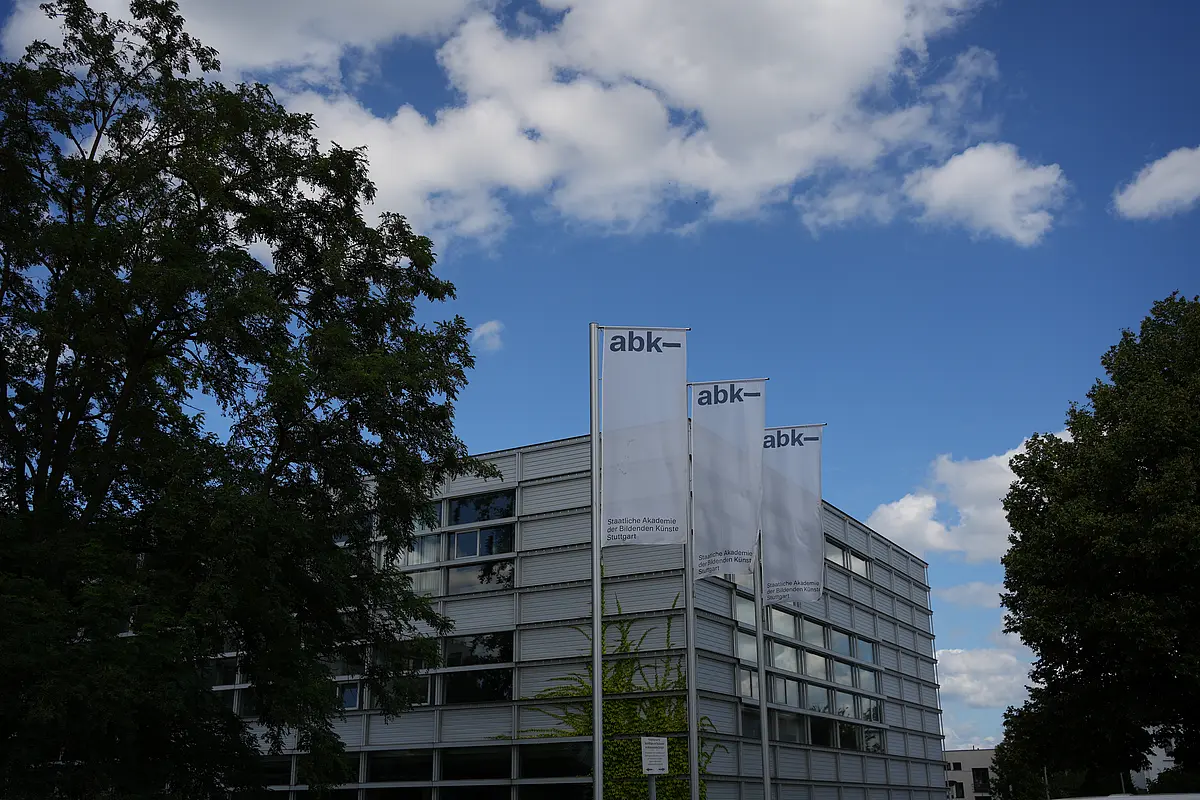
State Academy of Fine Arts in Stuttgart (ABK)

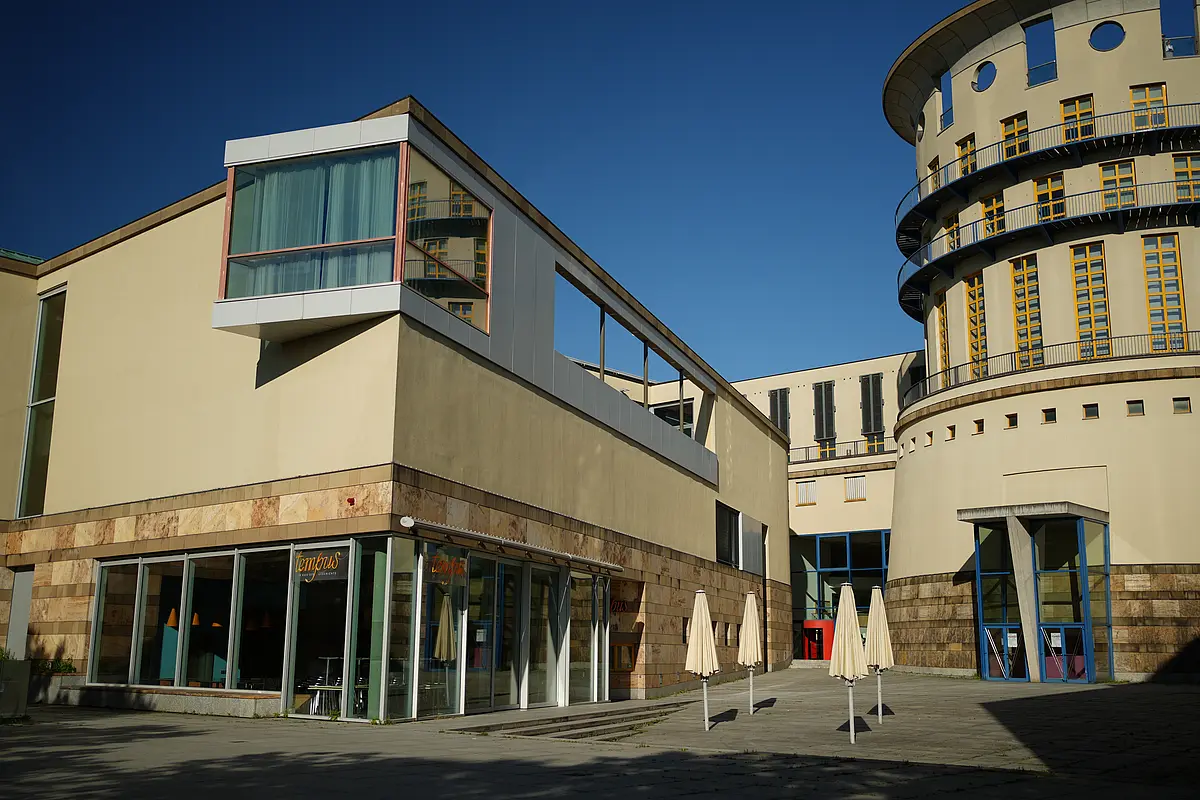
The State Academy of Fine Arts in Stuttgart is a public university of fine arts in Stuttgart, Germany. It was founded in 1761 and has been located at the Weissenhof since 1946. The campus consists of three buildings: the Old Building, New Building 1 (also known as the “Architects’ Building”), and New Building 2. Approximately 900 students are enrolled. The ABK has four departments, including Architecture, Design, Conservation-Restoration, and Art.

Among the most popular degree programs are:

  • Art Education with a focus on Fine Arts
  • Scenic and Costume Design
  • Architecture
  • Conservation and Restoration of Works of Art on Paper, Archival Materials, and Library Materials
  • Textile Design
  • Conservation and Restoration of Murals, Architectural Surfaces, and Polychrome Stone
  • Conservation and Restoration of Archaeological, Ethnological, and Craft Objects
  • Conservation and Restoration of New Media and Digital Information

Stuttgart Media University (HdM)

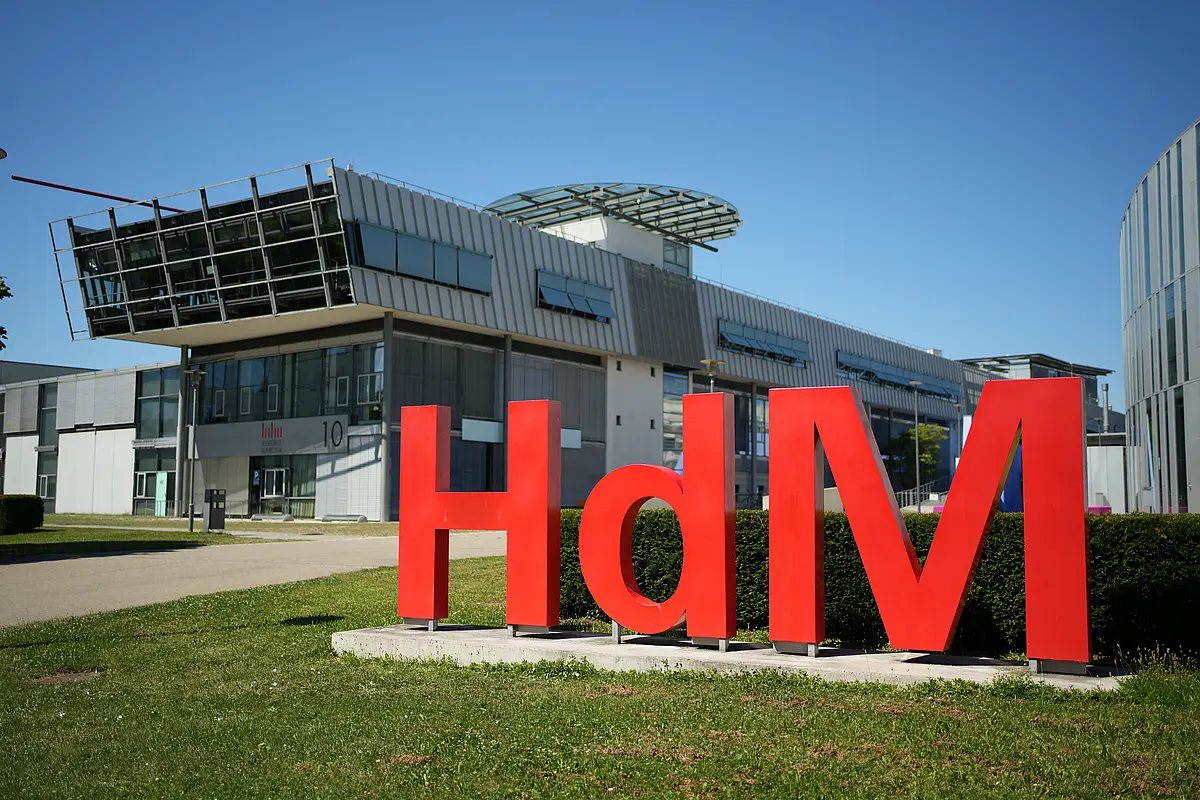
The Stuttgart Media University (HdM), formed in 2001 through the merger of the University of Printing and Media and the University of Library and Information Science, looks back on a long tradition dating back to 1853. With approximately 5,000 students, it offers a wide range of practice-oriented degree programs in the departments of Printing and Media, Electronic Media, and Information and Communication, including audiovisual media, packaging technology, computer science, and information design. The urban campus in the Vaihingen district is equipped with modern facilities—ranging from TV studios and VR labs to Germany’s largest university-based packaging center—and is located in the immediate vicinity of Stuttgart, a cultural and economic hub. Close collaborations with companies such as Mercedes-Benz, Porsche, and Bosch, mandatory practical modules, and the university’s own startup center ensure a high degree of professional relevance and foster innovation and entrepreneurship.

The most popular degree programs:

  • Print Media and Packaging Technologies
  • Crossmedia Publishing & Management (Publishing)
  • Media and Business Psychology
  • Audiovisual Media
  • Integrated Product Design
  • Media Management
  • Packaging Development Management
  • Business Informatics
  • Social Media Marketing & Management
  • Online Media Management

Stuttgart State University of Music and Performing Arts (HMDK)

The Stuttgart State University of Music and Performing Arts (HMDK) is a professional state-run conservatory and drama school located in Stuttgart. Founded in 1857, it is one of the oldest conservatories in Germany. HMDK Stuttgart is the largest college of music and performing arts in Baden-Württemberg and offers 37 degree programs and serves 800-900 students. The university offers comprehensive training in music, theater, and related fields, with a wide range of undergraduate and graduate programs in instrumental and vocal performance, composition, conducting, music education, musicology, opera, and theater.The HMDK Stuttgart is known for its outstanding facilities, which include several concert halls, theaters, and state-of-the-art recording studios.

The most popular majors are:

  • Puppetry
  • Speech Arts and Voice Training
  • Media Speaking
  • Musicology
  • Master’s in Jazz / Jazz Composition
  • Chamber Music
  • Choral Conducting
  • Instrumental and Vocal Pedagogy
  • Historical Keyboard Instruments
  • Orchestral Instruments, Including Historical Instruments

Karlsruhe Institute of Technology (KIT)

The Karlsruhe Institute of Technology (KIT) is both a German public research university in Karlsruhe, Baden-Württemberg, and a research center of the Helmholtz Association. KIT was formed in 2009 through the merger of the University of Karlsruhe (TH), which was founded in 1825 as a public research university. By combining academic education with large-scale non-university research, KIT unites research, teaching, and innovation within a single institutional structure that is unique in the German research landscape. With 23,083 students in the 2025–26 winter semester and an annual budget of 1,223.4 million Euros in 2025, it is one of Germany’s largest research universities.

The top degree programs are:

  • Engineering Education – Higher Teaching Certification for Vocational Schools (Metallurgy/Electrical Engineering/Civil Engineering)
  • Engineering Education for Engineers – Higher Teaching Certification for Vocational Schools (Metallurgy/Electrical Engineering/Civil Engineering)
  • Geophysics
  • Meteorology and Climate Physics
  • Physics
  • Optics & Photonics
  • Medical Technology
  • Electrical Engineering and Information Technology
  • Geoecology
  • Computer Science

Freiburg University of Education (PHFREI)

The Freiburg University of Education (PH Freiburg) is one of six university-level teacher training institutions in Baden-Württemberg with the right to award doctoral and postdoctoral degrees. It was founded in 1962 in Freiburg im Breisgau from the merger of the denominational Teacher Training Academies I and II. In 1971, it was designated a university of applied sciences. 

Popular majors include:

  • Health Education
  • Cognitive Development - Special Education Teaching Degree
  • Mathematics - Lower Secondary School Teaching Degree
  • Social Studies - Elementary School Teaching Degree
  • Physical Education – Teacher Education for Lower Secondary Level
  • Music – Teacher Education for Elementary Level
  • Educational Science with a focus on Adult Education/Continuing Education and Social Work/Social Pedagogy
  • History – Teacher Education for Lower Secondary Level
  • French – Teacher Education for Elementary Level
  • Art – Teacher Education for Elementary Level

Ludwigsburg University of Education (PHLB)

The Ludwigsburg University of Education is a university located in Ludwigsburg, Germany. The current institution evolved from the Stuttgart Institute of Education, founded in 1946, which became the Ludwigsburg University of Education in 1962 and was relocated to Ludwigsburg in 1966. The Ludwigsburg University of Education trains teachers for elementary schools, secondary schools, junior high schools, and special education schools. It also offers a master’s degree (M.Sc.) in Education and features academic programs, research projects, and a doctoral program run in collaboration with the universities in Stuttgart and Tübingen. Currently, the Ludwigsburg University of Education has approximately 5,500 students and 430 staff members.

Among the most popular degree programs are:

  • International Education Management (INEMA)
  • Educational Science
  • Play and Theater Education – Minor
  • Media Education
  • Cognitive Development – Special Education Teaching Degree
  • Educational Informatics (Minor, Lower Secondary Level)
  • Cultural and Media Education
  • Two Specializations (Cognitive Development, Physical and Motor Development,
  • Physical Education – Teacher Training in Special Education
  • Experiential Education – Minor

University of Freiburg (FREI)

The University of Freiburg, officially known as the Albert Ludwig University of Freiburg, is a public research university located in Freiburg im Breisgau, Germany. The university was founded in 1457 by the Habsburg dynasty as the second university in the Austrian-Habsburg domain, following the University of Vienna. Today, the University of Freiburg is the fifth-oldest university in Germany, with a long tradition of teaching the humanities, social sciences, natural sciences, and engineering, and enjoys a high academic reputation both nationally and internationally. The university consists of 11 faculties and attracts students from all over Germany as well as from over 120 other countries. International students make up approximately 18.2% of the total student body.

The top degree programs are as follows:

  • Mathematics in Data and Technology
  • Biomedical Sciences
  • Environmental Sciences
  • Psychology
  • Molecular Medicine
  • Cognitive Science – Dual-Major Program – Minor
  • Empirical Cultural Studies
  • Palliative Care
  • Biology

Heidelberg University

Heidelberg University, officially known as Ruprecht Karls University of Heidelberg, is a public research university in Heidelberg, Baden-Württemberg, Germany. It was founded in 1386 by order of Pope Urban VI, making it Germany’s oldest university and one of the oldest universities still in existence in the world; it was the third university to be founded in the Holy Roman Empire, after Prague (1347) and Vienna (1365). It has been a coeducational institution since 1899. Heidelberg University is among the most prestigious universities in Europe.

Among the most popular degree programs are:

  • Psychology
  • Law
  • Life Sciences
  • Economics
  • Medicine
  • Medical Informatics
  • Pharmacy
  • Geography
  • Sinology (Chinese Studies)
  • Physics

University of Hohenheim (HOH)

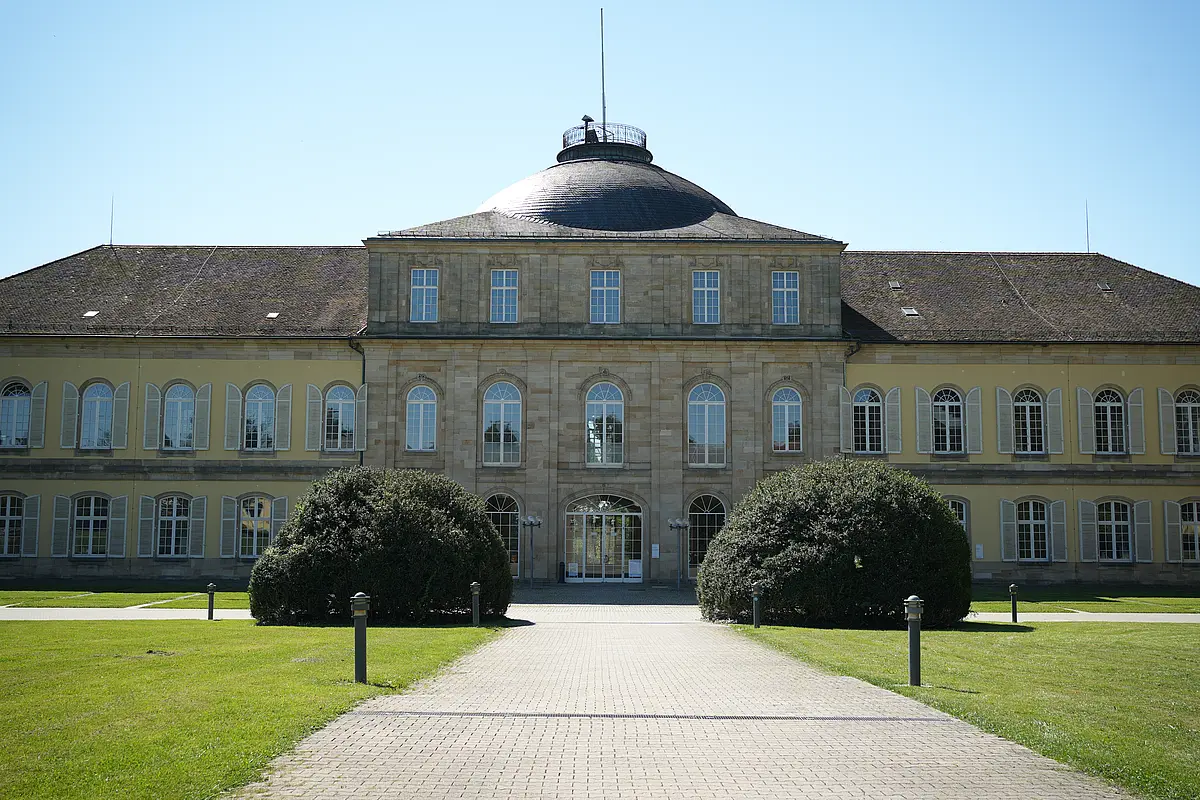
The University of Hohenheim is a campus-based university located south of Stuttgart. It was founded in 1818, making it the oldest university in Stuttgart. Its traditional areas of focus were originally in agricultural and natural sciences. Today, however, the majority of students are enrolled in one of the many degree programs offered by the Faculty of Business Administration, Economics, and Social Sciences. The faculty is regularly ranked among the best in the state, making the University of Hohenheim one of Germany’s leading institutions in these fields. The university maintains academic partnerships with a number of partner universities and participates in numerous joint research projects.

Some of the top majors of study include: 

  • International Business and Economics
  • Economics with Data Science
  • Nutrition Science
  • Economics
  • Food Science and Biotechnology
  • Digital Business Management
  • Business Education
  • Biology
  • Agricultural Sciences
  • Agricultural Sciences – Major in Animal Science

University of Konstanz (KON)

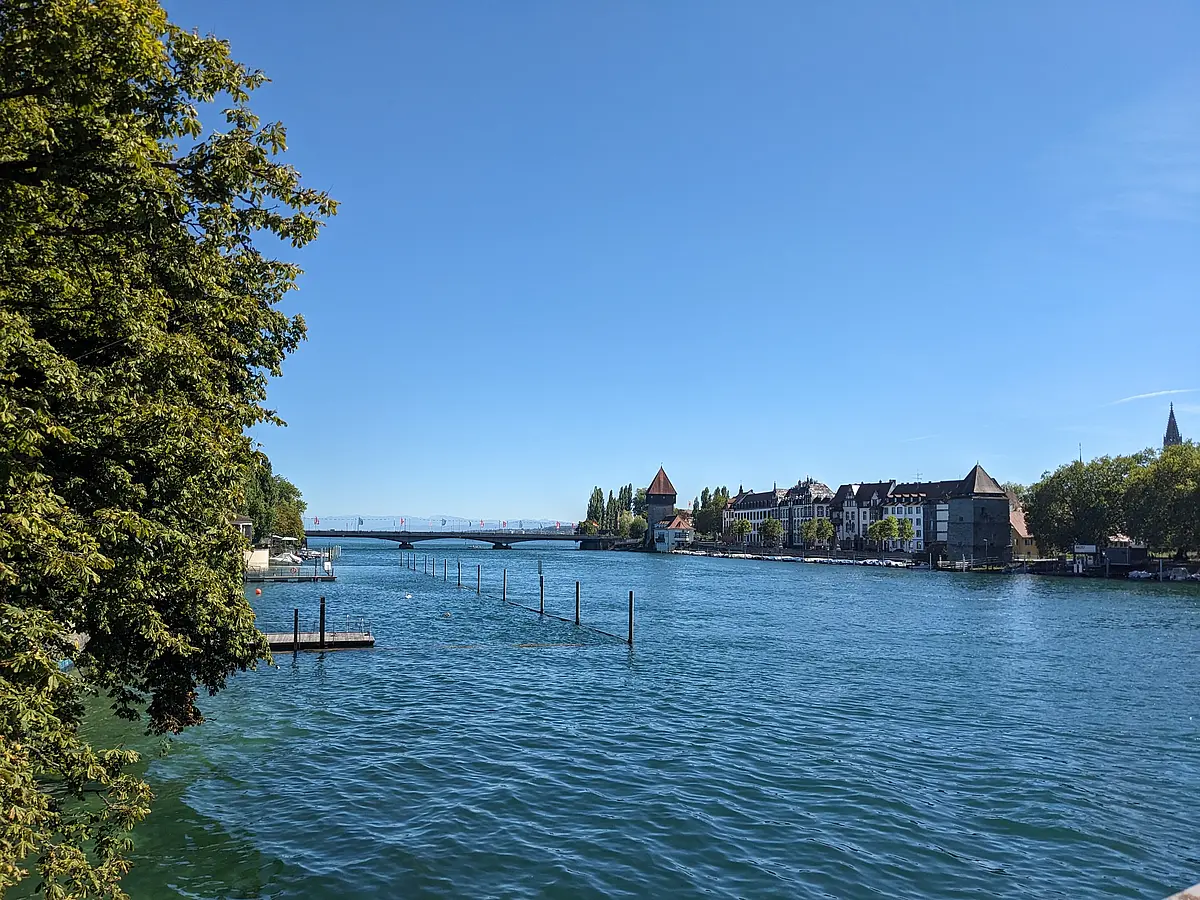
Founded in 1966, the University of Konstanz has quickly established itself as one of Germany’s most prestigious universities, with over 10,000 students. Opened in 1972, the compact campus is picturesquely situated directly on Lake Constance near the Swiss border. With short distances between buildings, it fosters interdisciplinary collaboration among students and faculty across the three academic divisions: natural sciences, humanities, and politics, law, and economics. The exceptional location offers a wide range of recreational activities, from sailing on the lake to skiing in the nearby Alps, and creates an inspiring blend of academic excellence and a high quality of life. The university is particularly well-known for its strong research focus and interdisciplinary teaching, with programs such as biology, chemistry, computer science, economics, and linguistics—as well as a growing number of English-language degree programs—enjoying international recognition.

Among the most popular degree programs are:

  • Psychology
  • Motor Neurorehabilitation
  • English (Teacher Certification for High School)
  • Law (First State Examination)
  • Life Sciences
  • Comparative Law Studies in German, European, and Chinese Law
  • Sports Science
  • Psychology with a Focus on Forensic Psychology
  • Psychology with a Focus on Clinical Psychology and Psychotherapy
  • Sociology

University of Mannheim (MA)

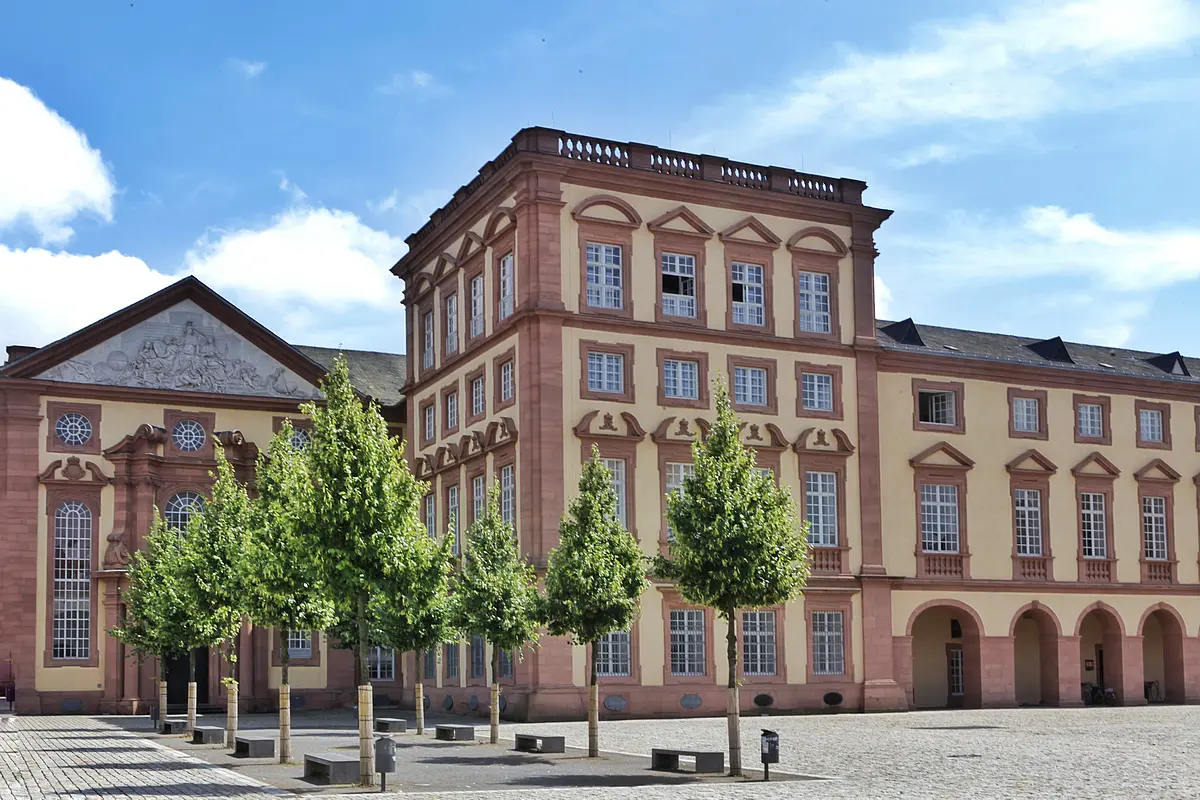
The University of Mannheim is a public research university located in the vibrant city of Mannheim, Germany, and a leading institution in the fields of economics and social sciences. Founded in 1967, the university traces its roots to the Palatinate Academy of Sciences, established in 1763, and the Mannheim Business School, founded in 1907. With over 10,000 students, the University of Mannheim offers a dynamic learning environment. The university is located in the heart of Mannheim and offers students access to a vibrant urban landscape with cultural attractions, shops, and restaurants right on their doorstep. The university’s main campus is located in Mannheim Palace, one of the largest Baroque palaces in Europe.

Some of the most popular majors are as follows:

  • Data Science – Part-time Program
  • Business Administration
  • Mathematics for Business
  • Psychology
  • Sociology
  • Culture and Economy: Media and Communication Studies
  • Mannheim Master’s in Data Science
  • Mannheim Master’s in Management
  • Culture and Economy: History
  • German – Teacher Certification for High School

University of Stuttgart (STGT)

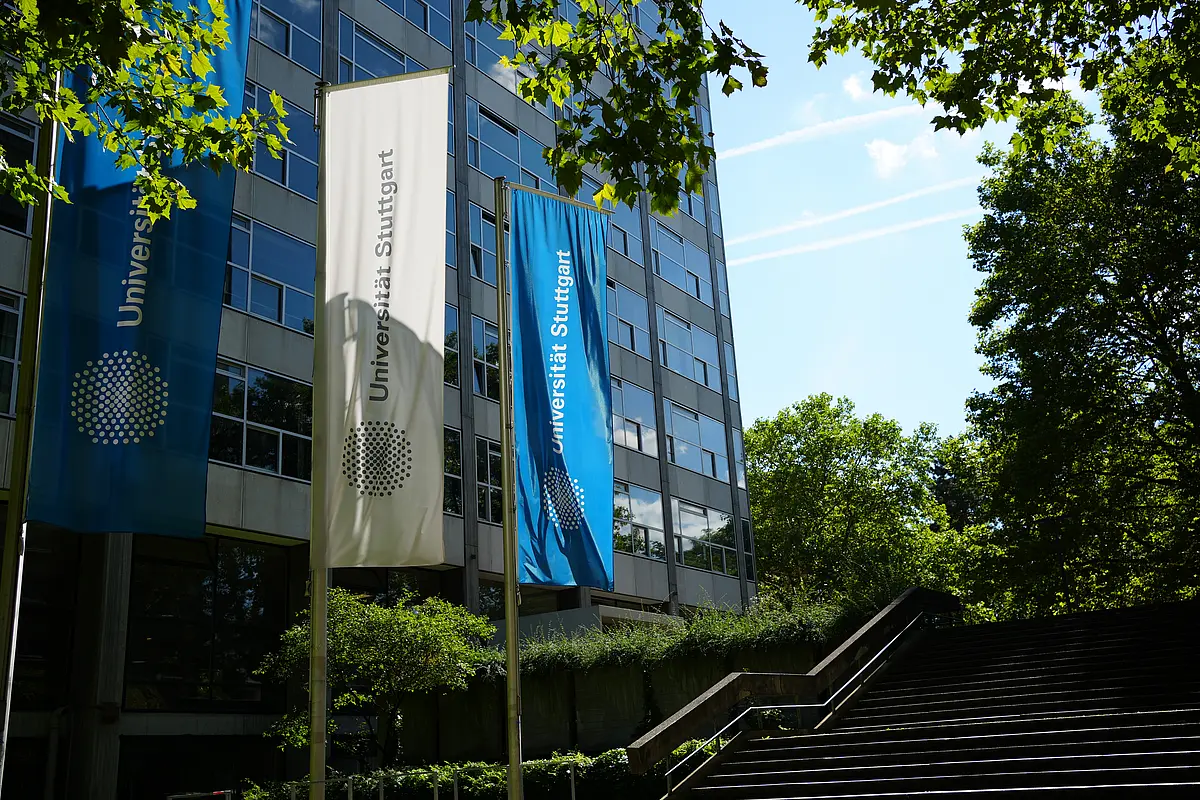
The University of Stuttgart is a renowned public research university founded in 1829. With approximately 22,000 students, it is one of Germany’s largest and oldest technical universities. The university is located in the vibrant city of Stuttgart and has two main campuses: the downtown campus and the Vaihingen campus, which is situated in a picturesque suburban setting surrounded by lush green spaces. The university’s location in Stuttgart, a hub for technology and innovation, offers students numerous opportunities for industry collaborations and internships.

Top degree programs include:

  • Physics
  • Computational Linguistics
  • Electrical Engineering
  • Computer Science
  • Geomatics for Environmental Monitoring (GEM)
  • Business Administration [Single-Major Program]
  • Architecture and Urban Planning
  • Information Technology (INFOTECH)
  • History: Time – Space – People
  • Business Informatics

University of Tübingen (TÜ)

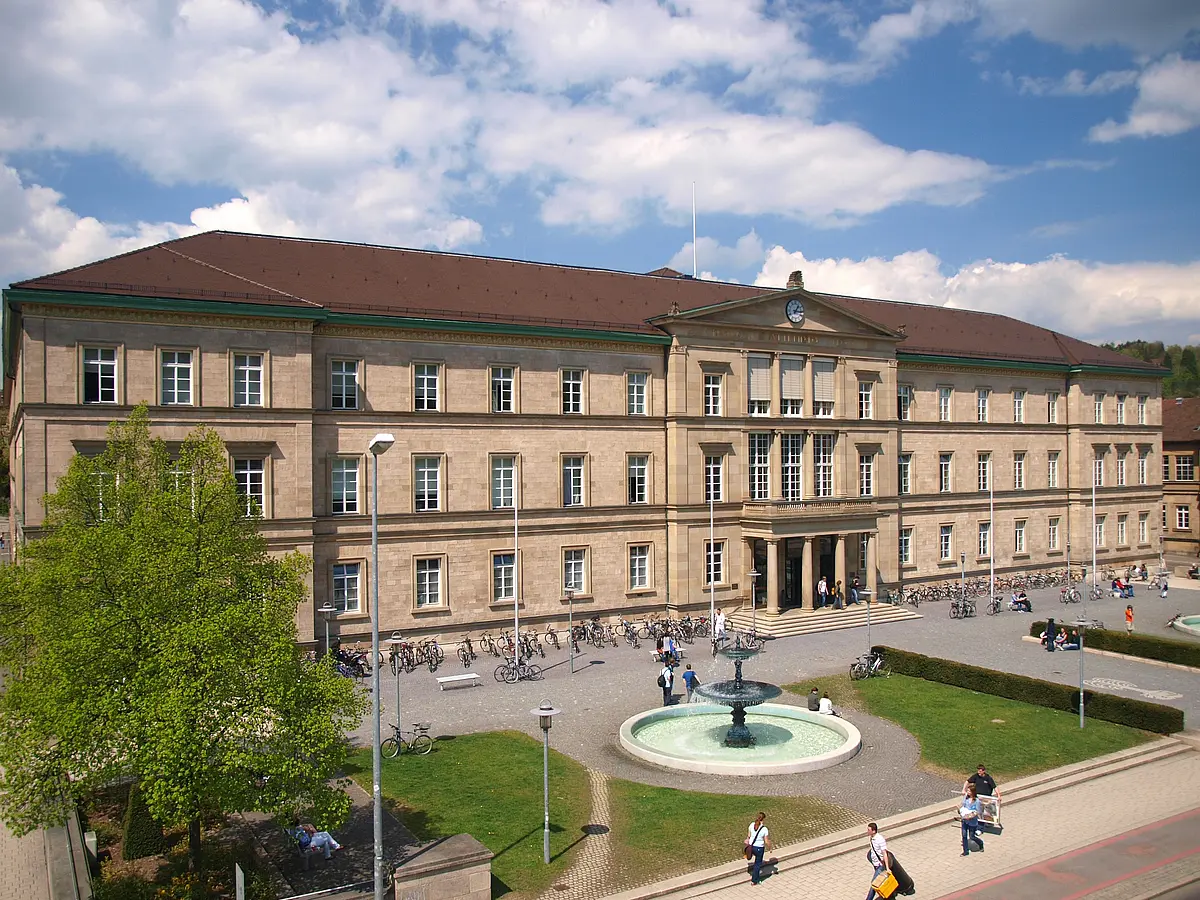
The University of Tübingen, officially known as Eberhard Karls University of Tübingen, is a renowned public research university. Founded in 1477, it is one of the oldest universities in Germany and currently has approximately 30,000 students. It is located in the city of Tübingen in the southern German state of Baden-Württemberg. The university campus is integrated into the picturesque historic city center, which is known for its medieval and modern architecture.

Top degree programs include:

  • Religious Studies—major or minor
  • Indology/South Asian Studies (major)
  • Molecular Medicine
  • Applied Environmental Geoscience
  • Psychology
  • Biology
  • Microbiology and Infection Biology
  • International Business Administration
  • Cognitive Science
  • Geoecology

Ulm University (ULM)

Ulm University was founded in 1967 as the “Ulm University of Medicine and Natural Sciences” and is the youngest public university in Baden-Württemberg. As of the 2024–25 winter semester, the university had approximately 10,000 students. As part of its commitment to internationalization, it offers language training (UNIcert) in various languages and subject areas to all its students. The university is known for its close collaboration with companies that have established themselves around the university in a science city.

Some of the most popular majors include:

  • Medicine & Life Sciences: Human Medicine and Molecular Medicine
  • Computer Science & Engineering: Media Informatics, Computational Science and Engineering (CSE), and Electrical Engineering
  • Sciences: Physics, Chemistry, and Biology
  • Mathematics & Economics: Mathematics, Economics (Economic Sciences), and Mathematics and Management
  • Social Sciences: Psychology