News and publications
Press release
02.11.2022
Novel insights into the daily lives of early industrial women workers
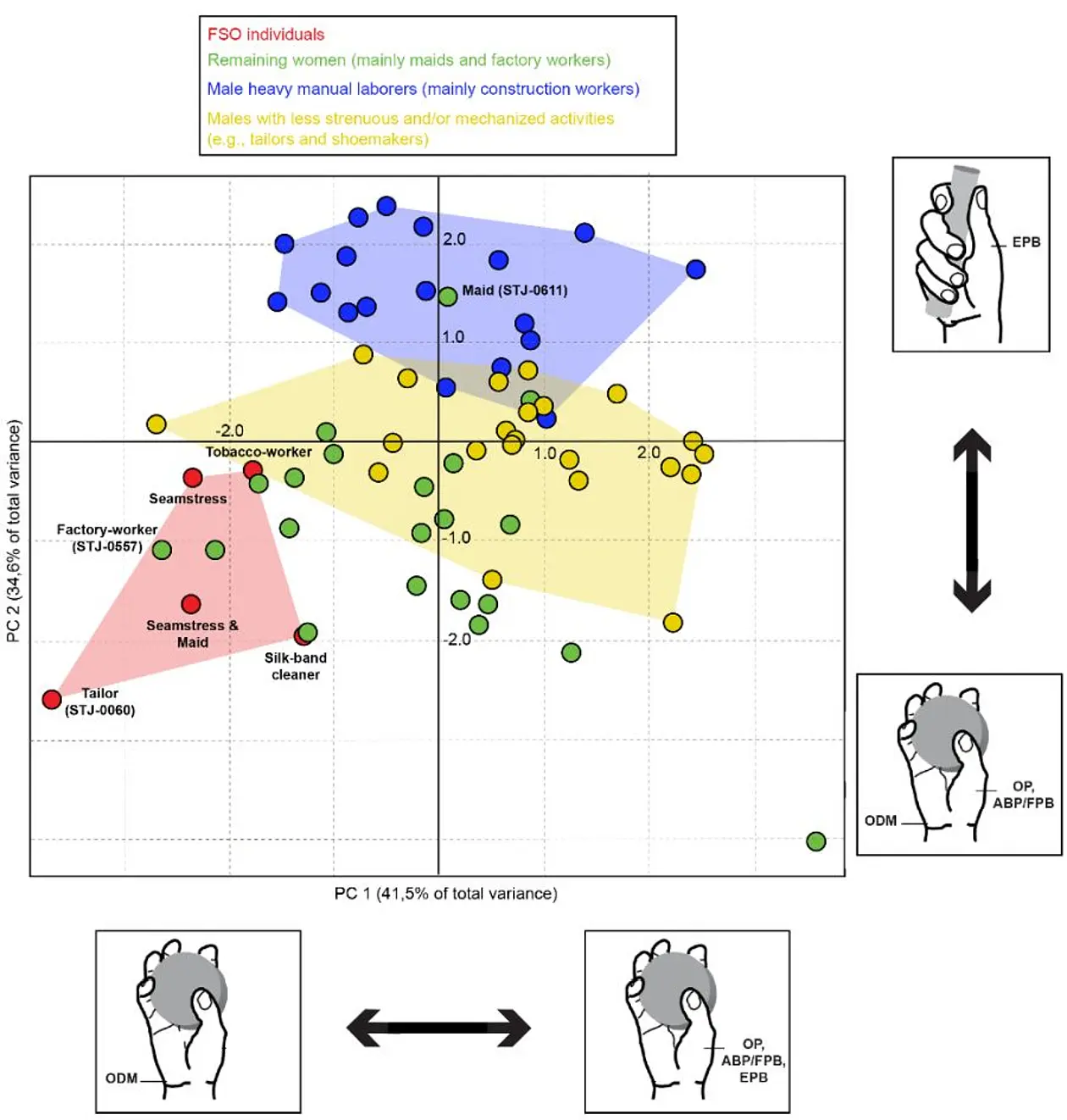
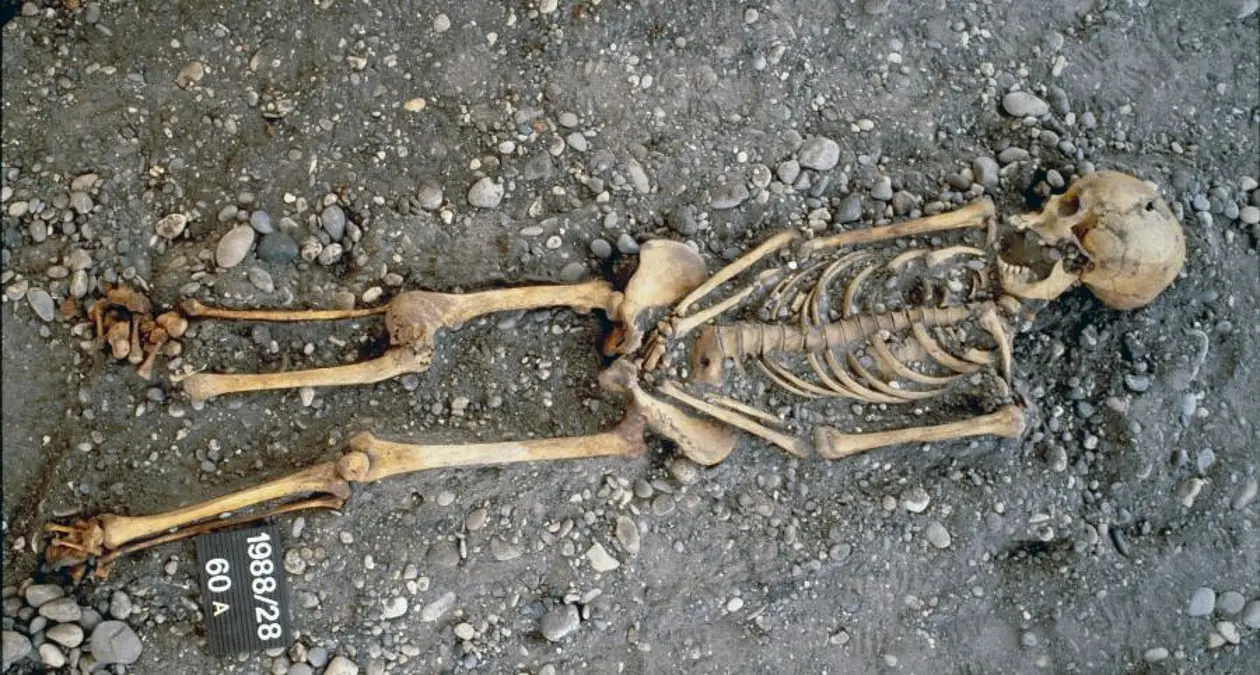
What hand skeletons tell about working in the 19th century: Re-searchers from the University of Tübingen and the Natural History Museum of Basel combine bone analysis with historical archives
Changing jobs
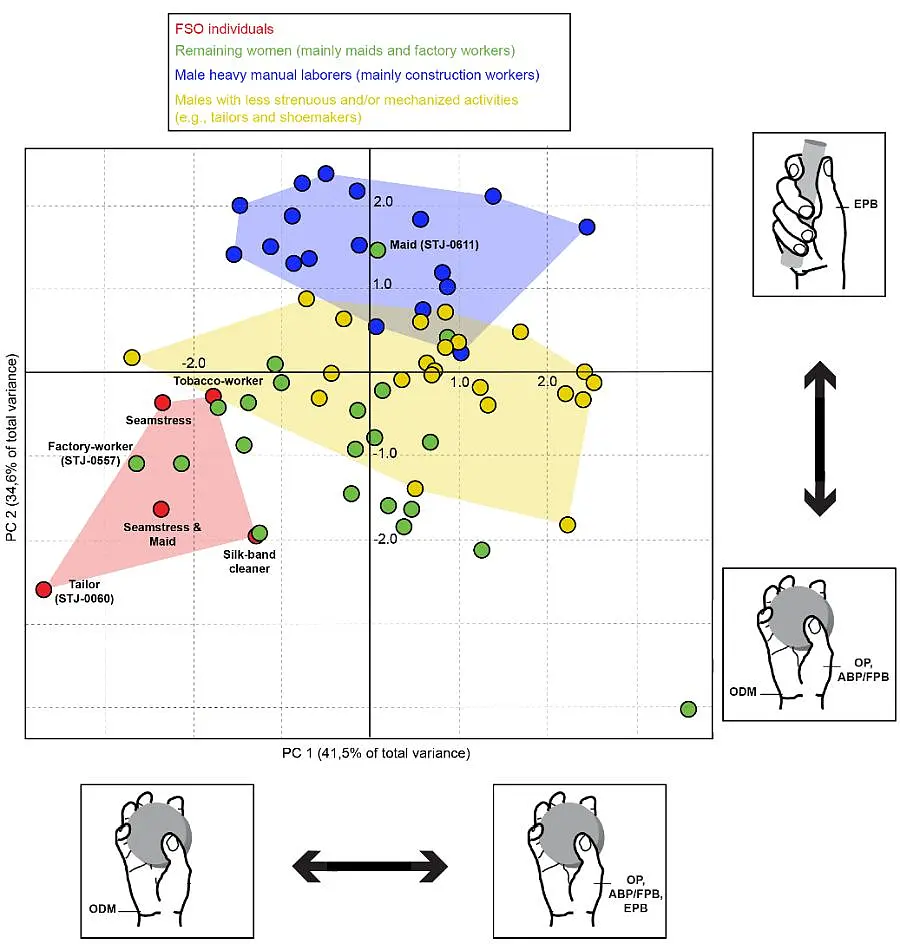
Unique documentation
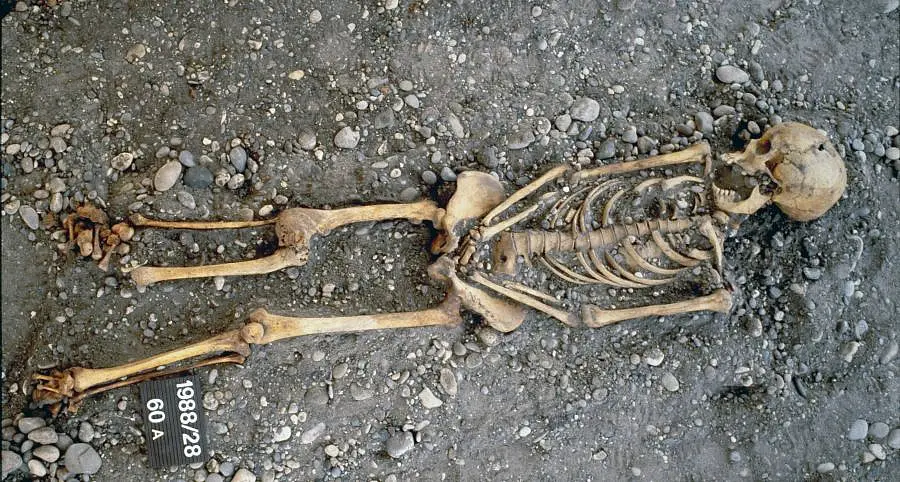
Publication:
Contact:
Dr. Alexandros Karakostis
University of Tübingen
Institute for Archaeological Sciences – Palaeoanthropology
Junior Research Group Leader & Lecturer
Phone: +49 7071 29-73950
alexandros.karakostis@uni-tuebingen.de
Dr. Gerhard Hotz
Naturhistorisches Museum Basel
Curator of Anthropology
Phone +41 61 266 55 45
Mobile +41 79 647 49 14
Gerhard.Hotz@bs.ch
Contact for press:
Eberhard Karls Universität Tübingen
Public Relations Department
Dr. Karl Guido Rijkhoek
Director
Antje Karbe
Press Officer
Phone +49 7071 29-76788
+49 7071 29-76789
Fax +49 7071 29-5566
karl.rijkhoek@uni-tuebingen.de
antje.karbe@uni-tuebingen.de