Magazine
29.09.2026
Milestones
Milestones from 550 years of university history that have changed our lives.
October 9, 1477
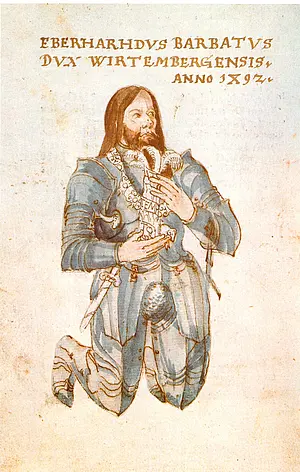
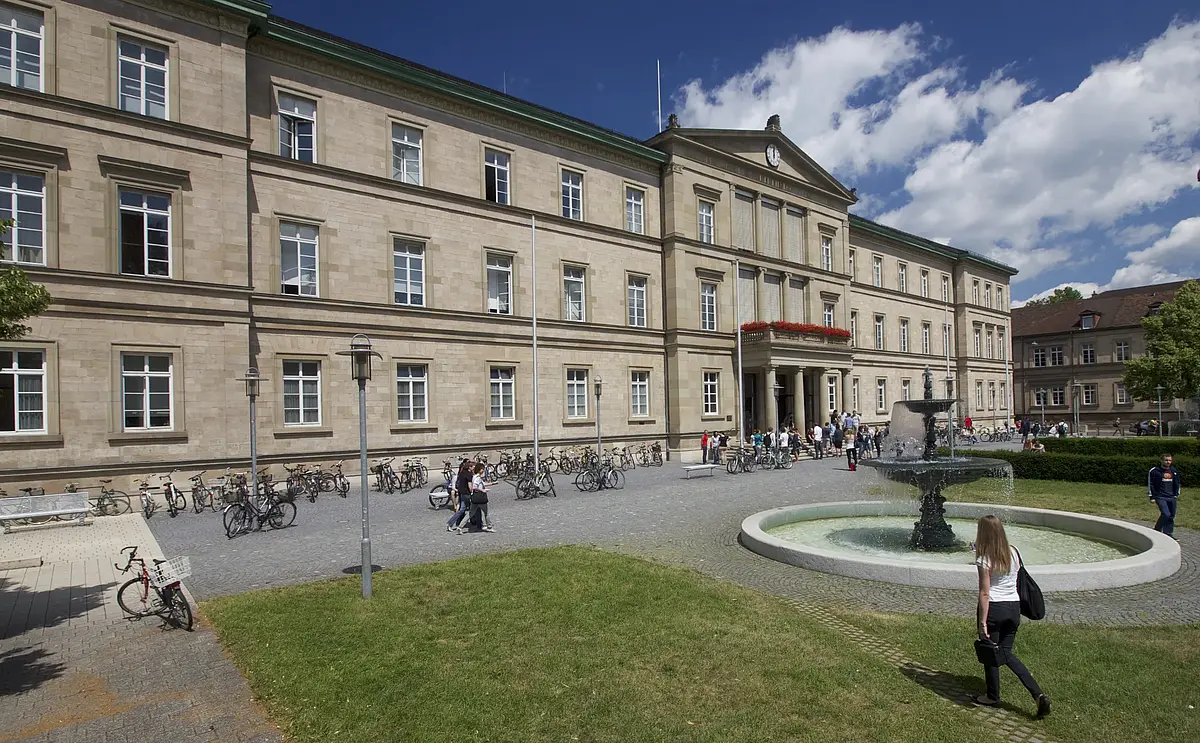
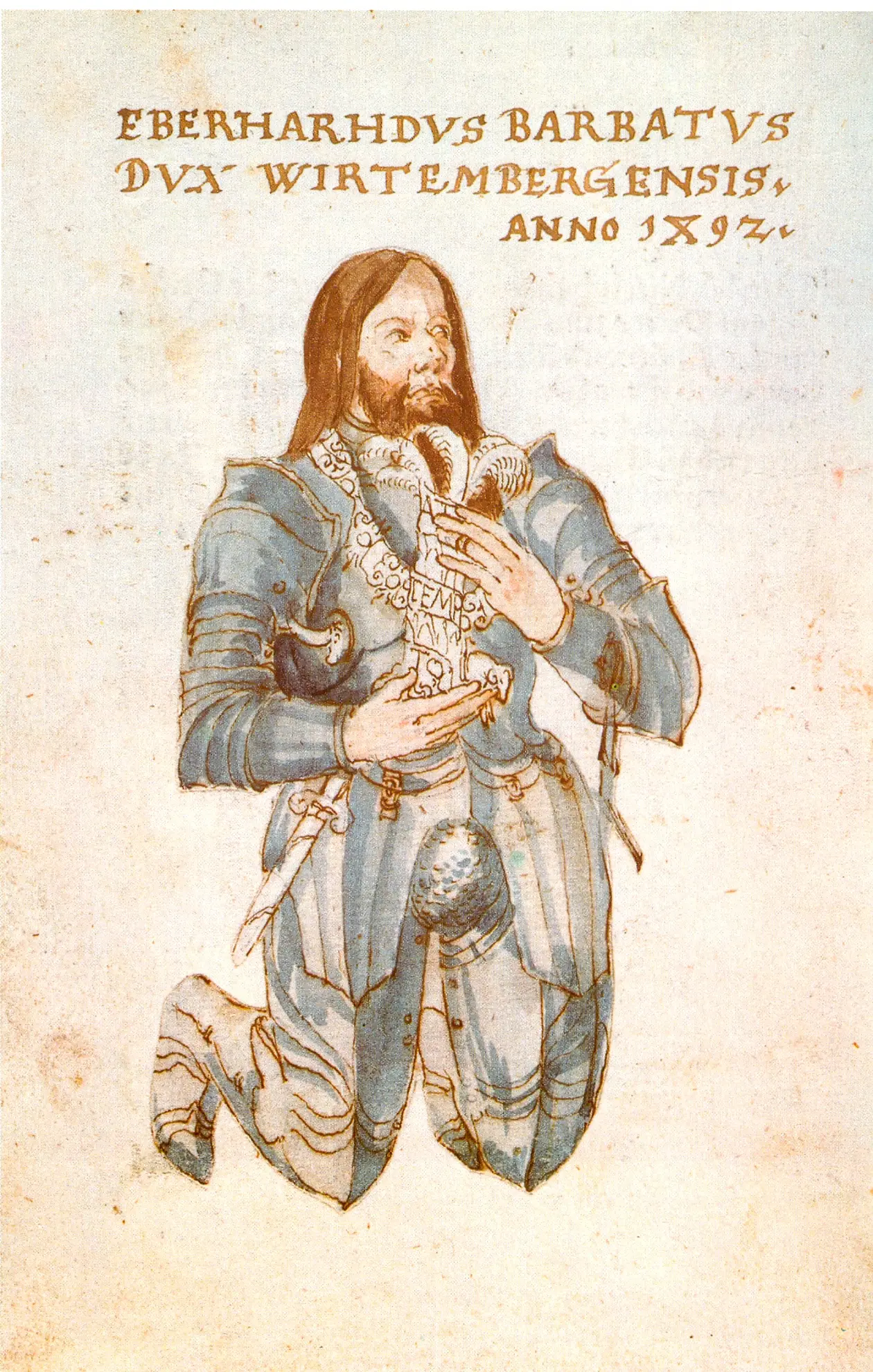
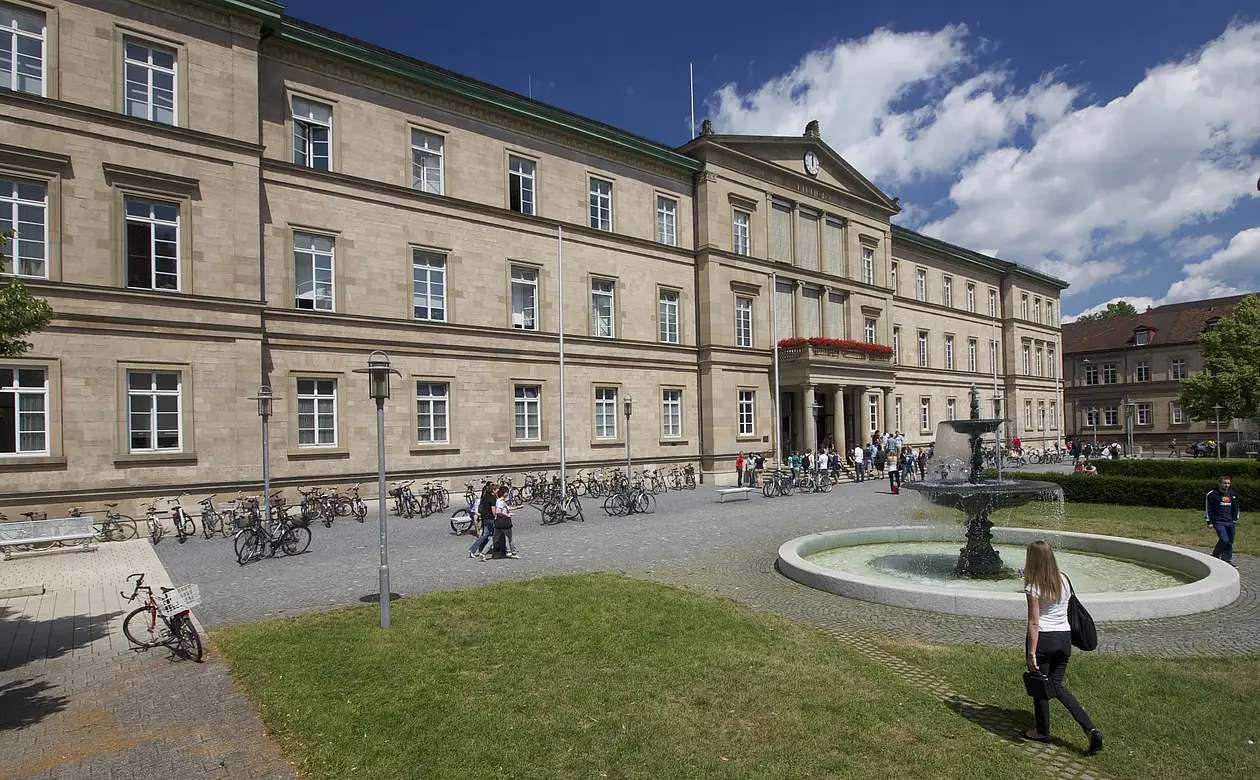
Eberhard I, Duke of Württemberg, founds the University of Tübingen. Two hundred students enroll for the first semester.
1536
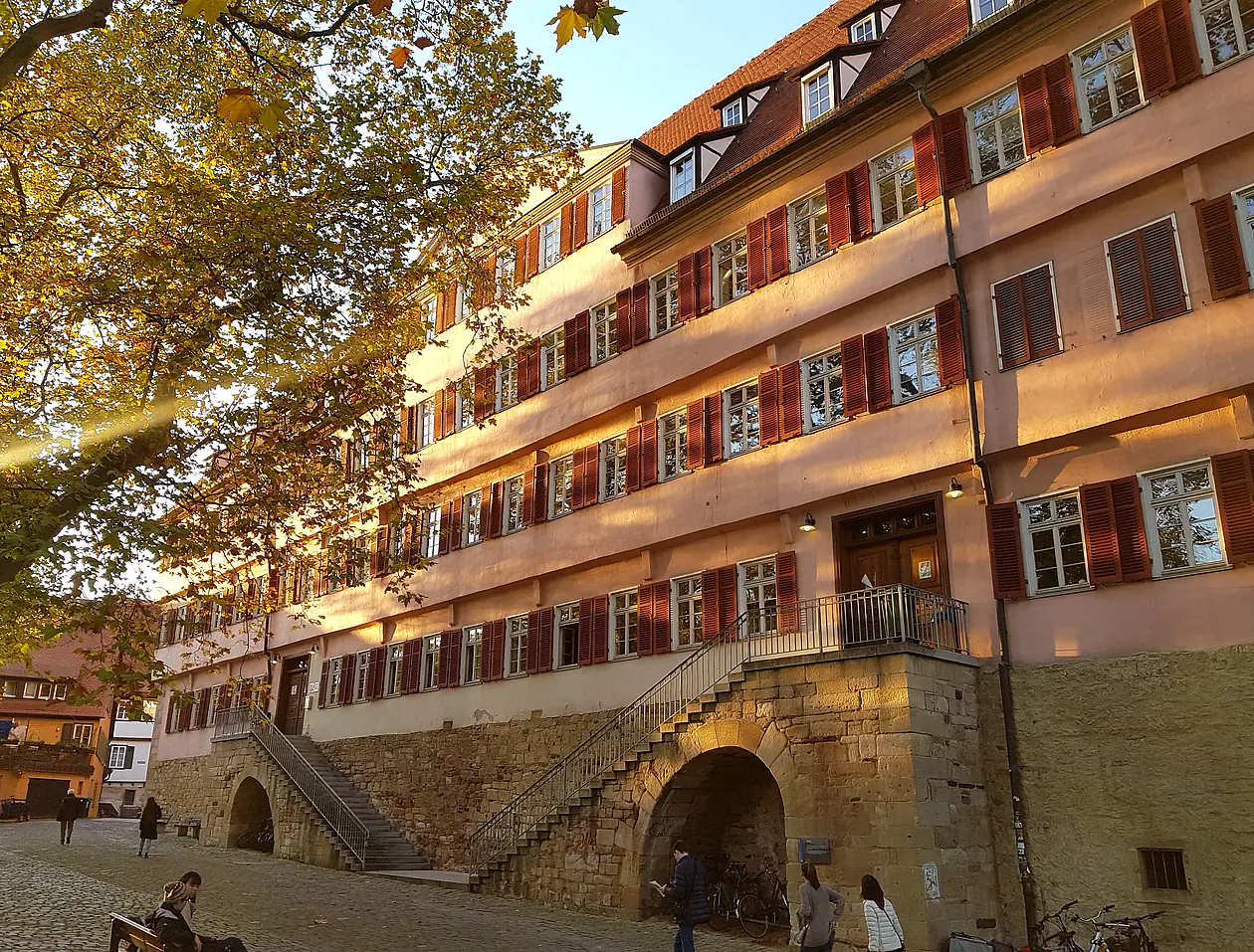
Duke Ulrich of Württemberg establishes the Tübingen Stift, a seminary also known as the Evangelisches Stift. Talented sons of craftsmen and farmers could study here.
1552
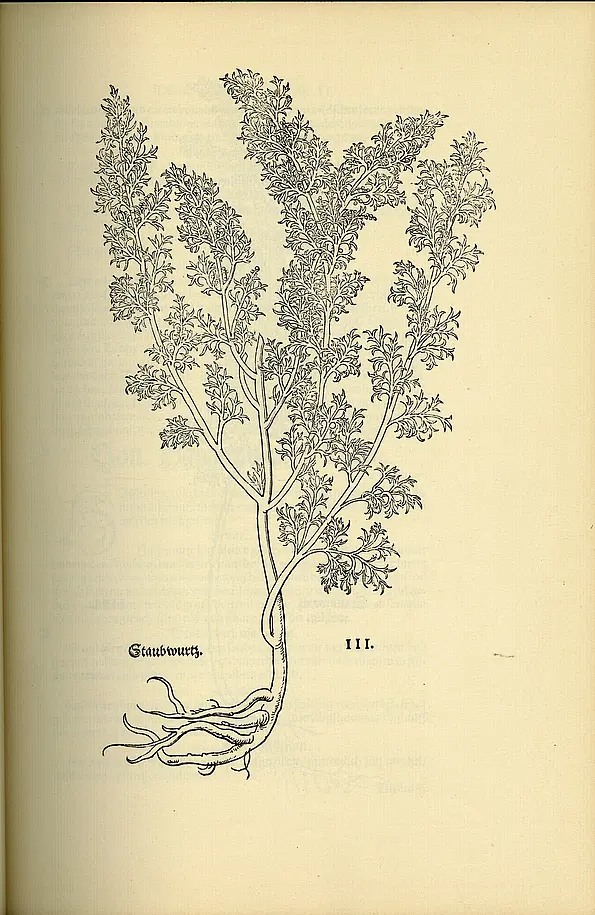
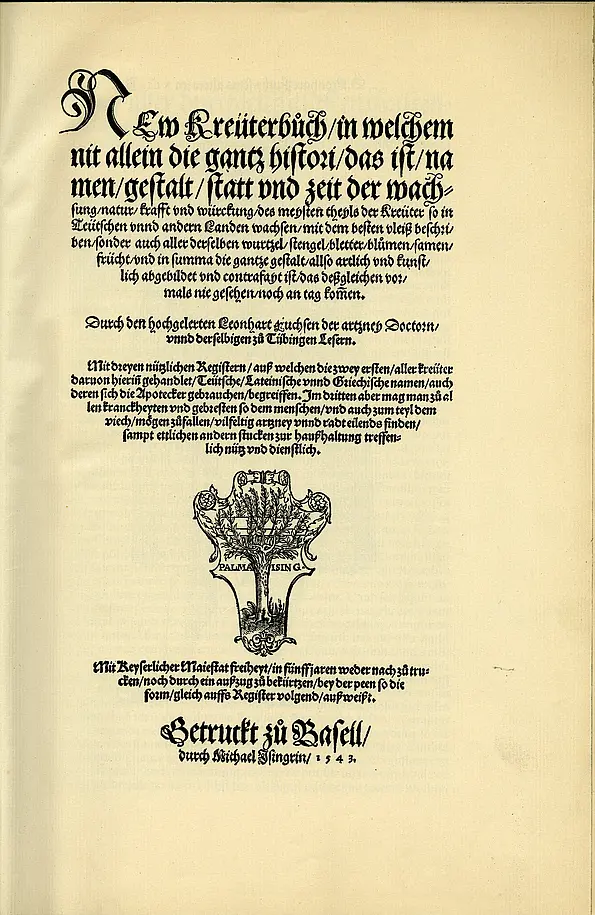
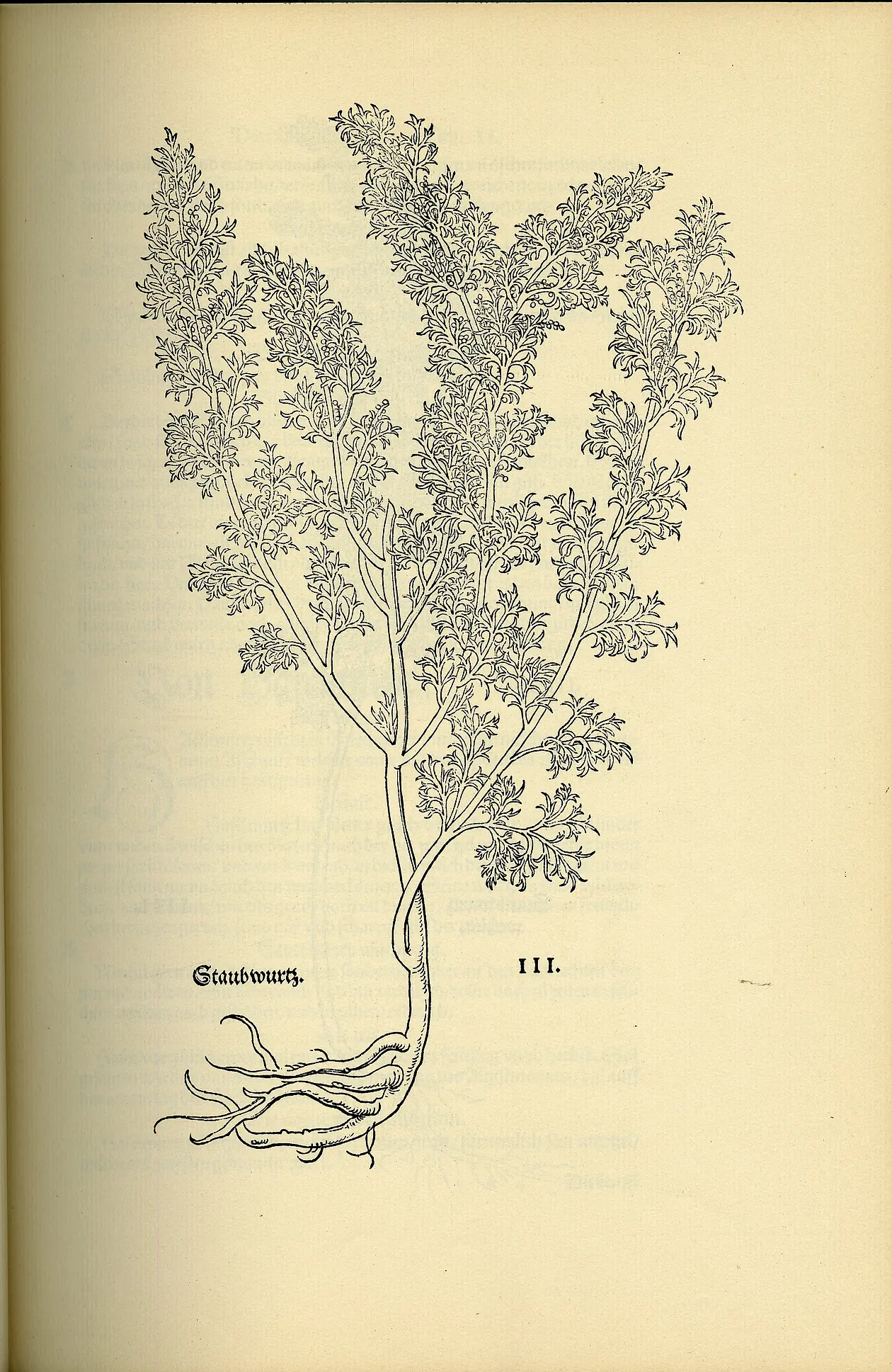
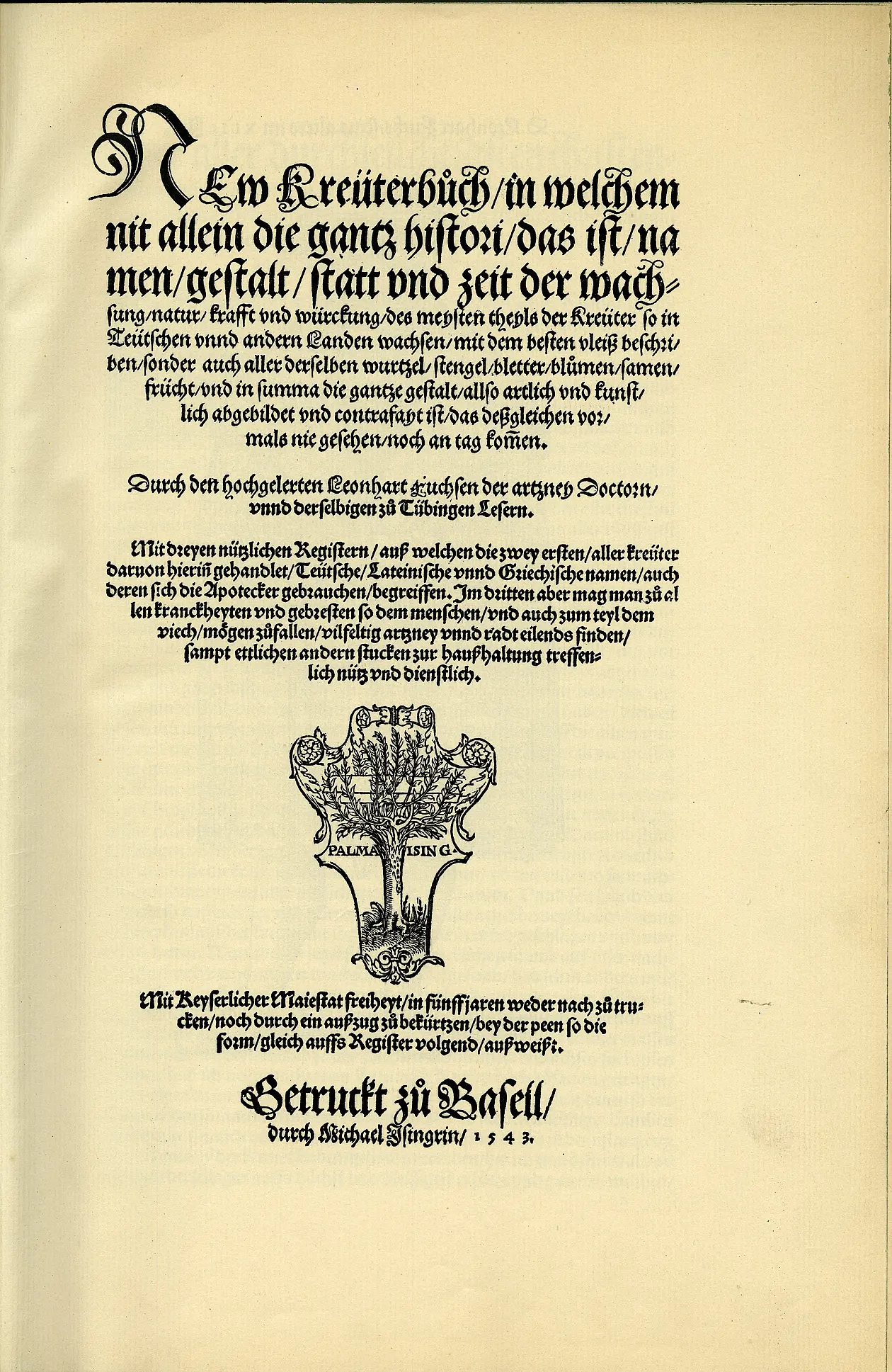
Publication of De historia stirpium by Leonhart Fuchs.
The book describes 400 European and 100 exotic plant species. Fuchsias are named after him–although they were only discovered in 1703.
August 3, 1593
The university senate issues a sentence of death by the sword against Felicitas Heppler. The 18 year old had killed her newborn child and hidden it in a chest.
1621
Katharina Kepler, the mother of the astronomer Johannes Kepler, was accused of witchcraft. The Faculty of Law issued the legal opinion that while Katharina Kepler could be shown the instruments of torture, they could not be used on her.
September 20, 1623
Wilhelm Schickard's first letter to Johannes Kepler, telling his friend and mentor about the invention of his mechanical calculating machine.
October 22, 1788
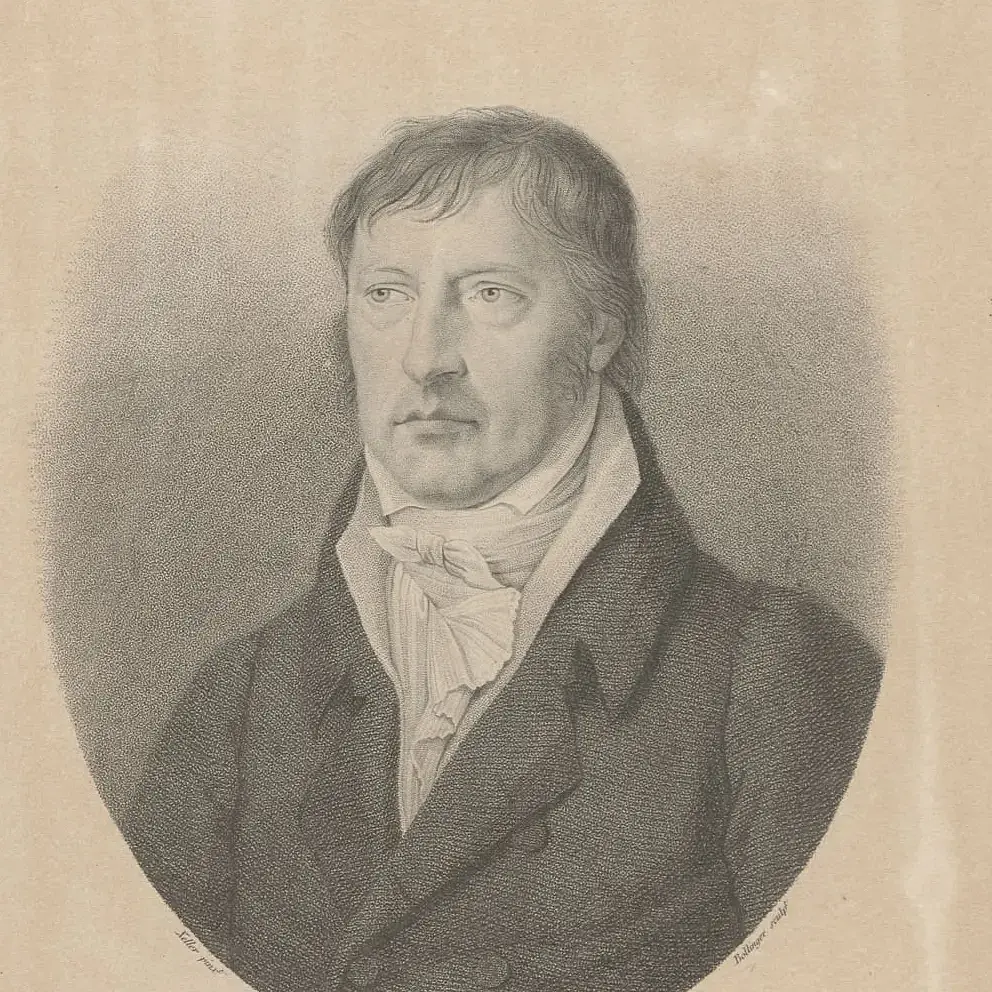
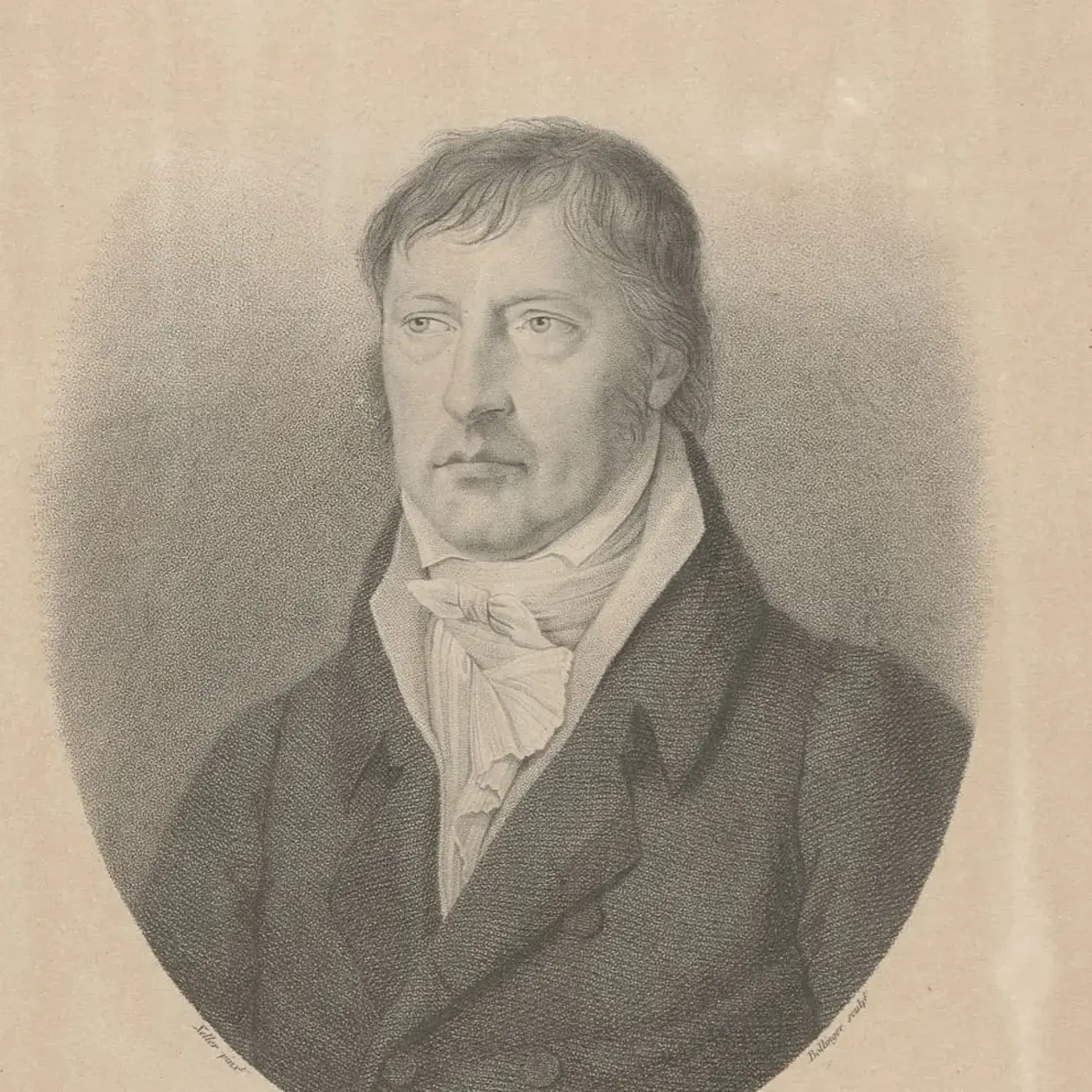
Georg Friedrich Hegel begins studying theology, along with Friedrich Hölderlin and Friedrich Schelling. The three Friedrichs share a room at the Tübingen seminary for three years together with other fellow students.
1805
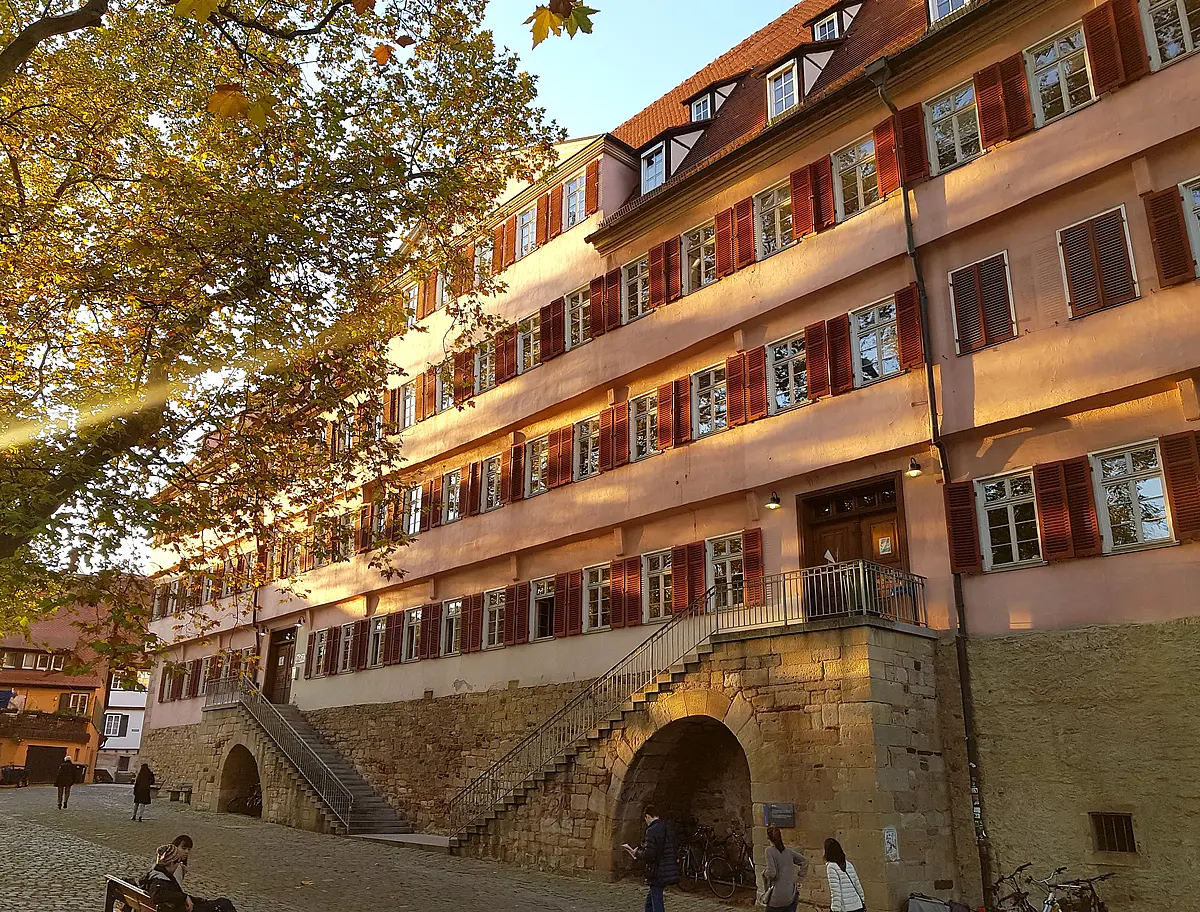
Establishment of the first university hospital in the Alte Burse building. Mentally ill patients are also admitted and treated–very progressive for those days.
October 17, 1817
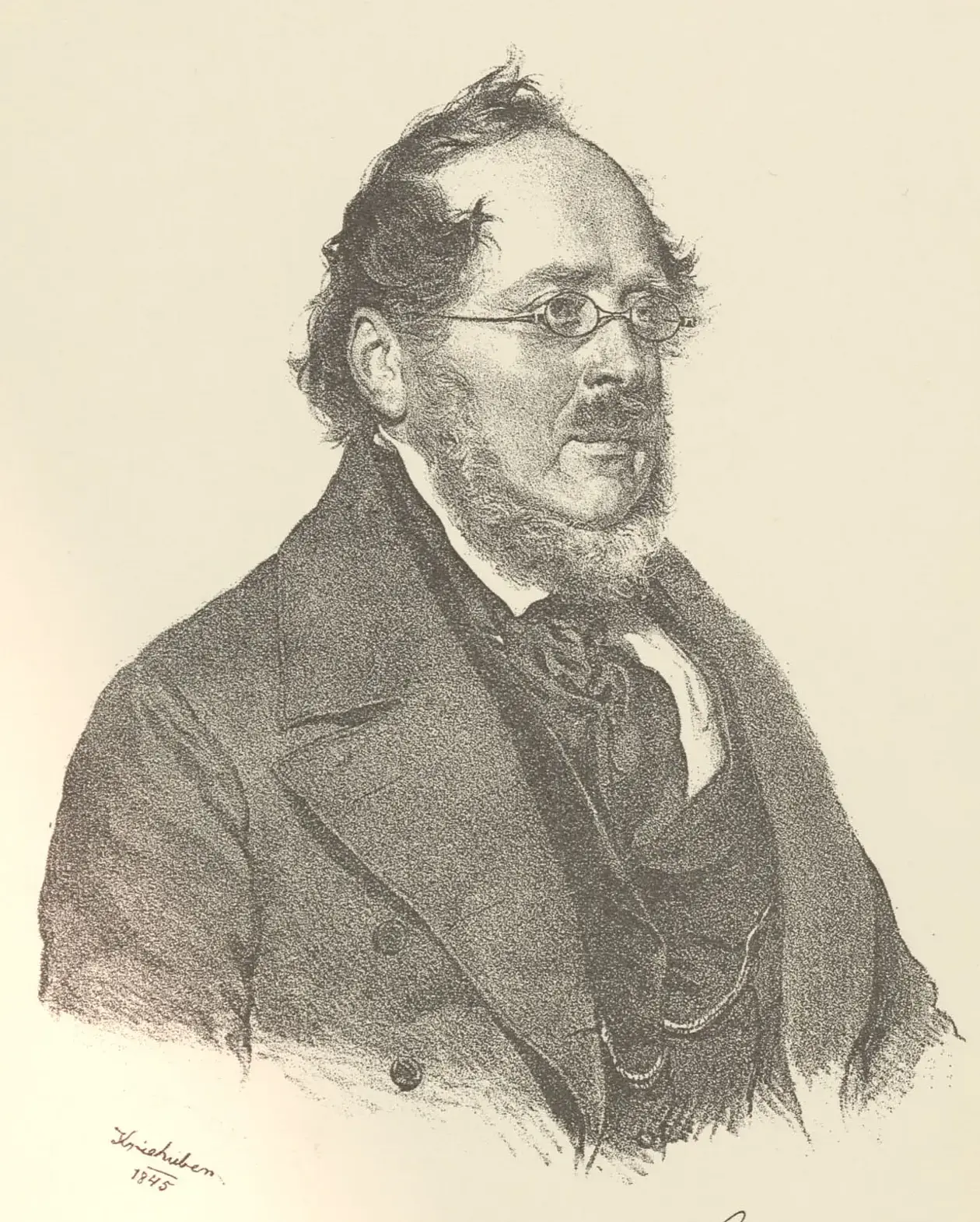
At the suggestion of the economic theorist and railway pioneer Friedrich List, the University of Tübingen founds the Faculty of Economics–the oldest one in Germany still in existence. Friedrich List's thoughts on 'infant industry tariffs' and a national system of innovation were studied and applied economically in many countries in East Asia, and elsewhere.
1821
The 'Ausschuß der Studirenden,' or first student representative body in Germany, is constituted in a university charter.
1832/33
Robert Mohl publishes his two-volume work, "Police Science According to the Principles of the Rule of Law".
In it, he becomes the first to develop a comprehensive concept of the term ‘rule of law’ .
1862
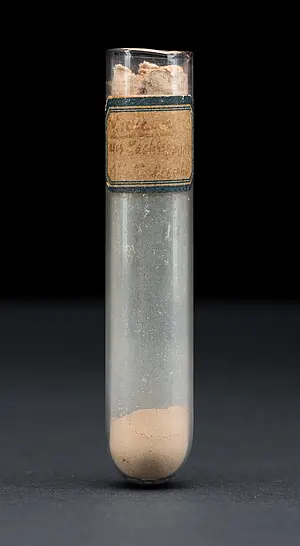
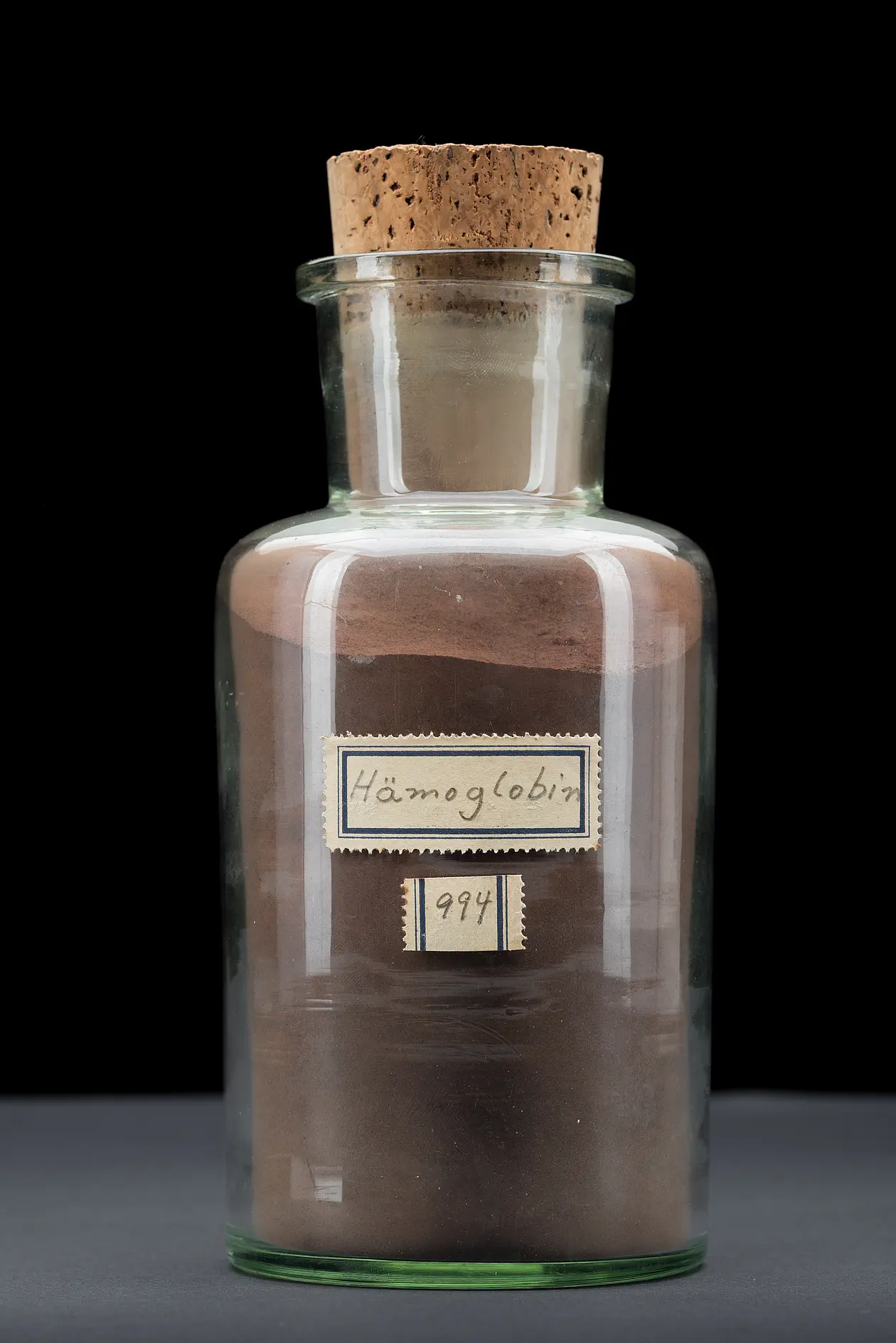
The chemist Felix Hoppe-Seyler proves that hemoglobin binds and transports oxygen in the body. He isolates and crystallizes the blood pigment.
October 16, 1863
Tübingen becomes the first university in Germany to establish a Faculty of Science.
1864
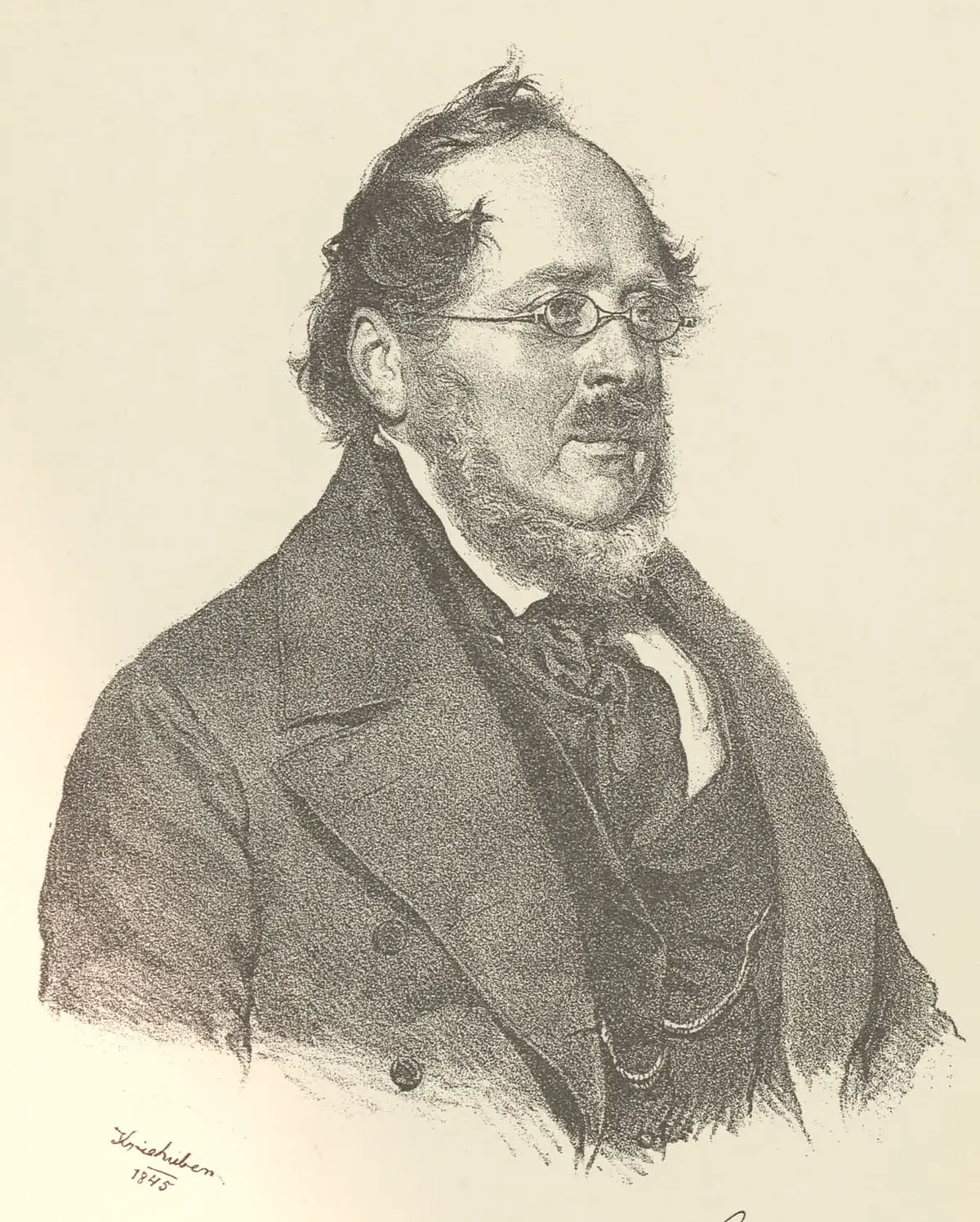
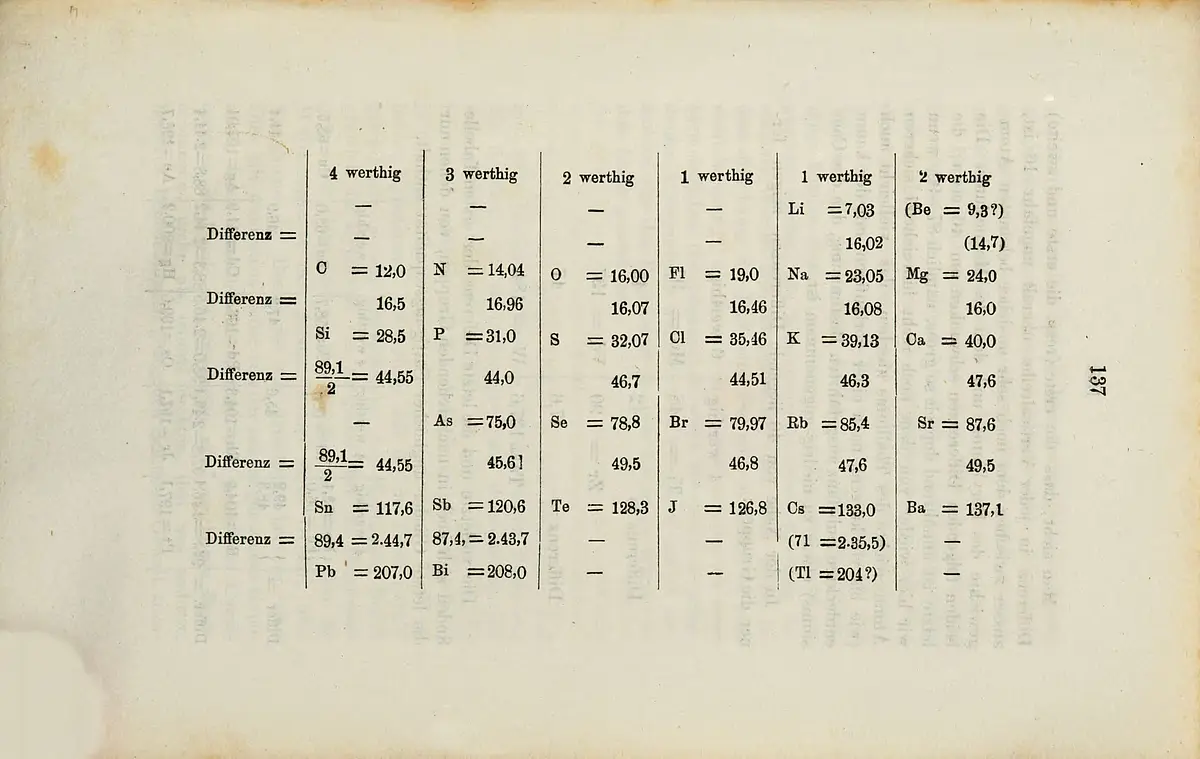
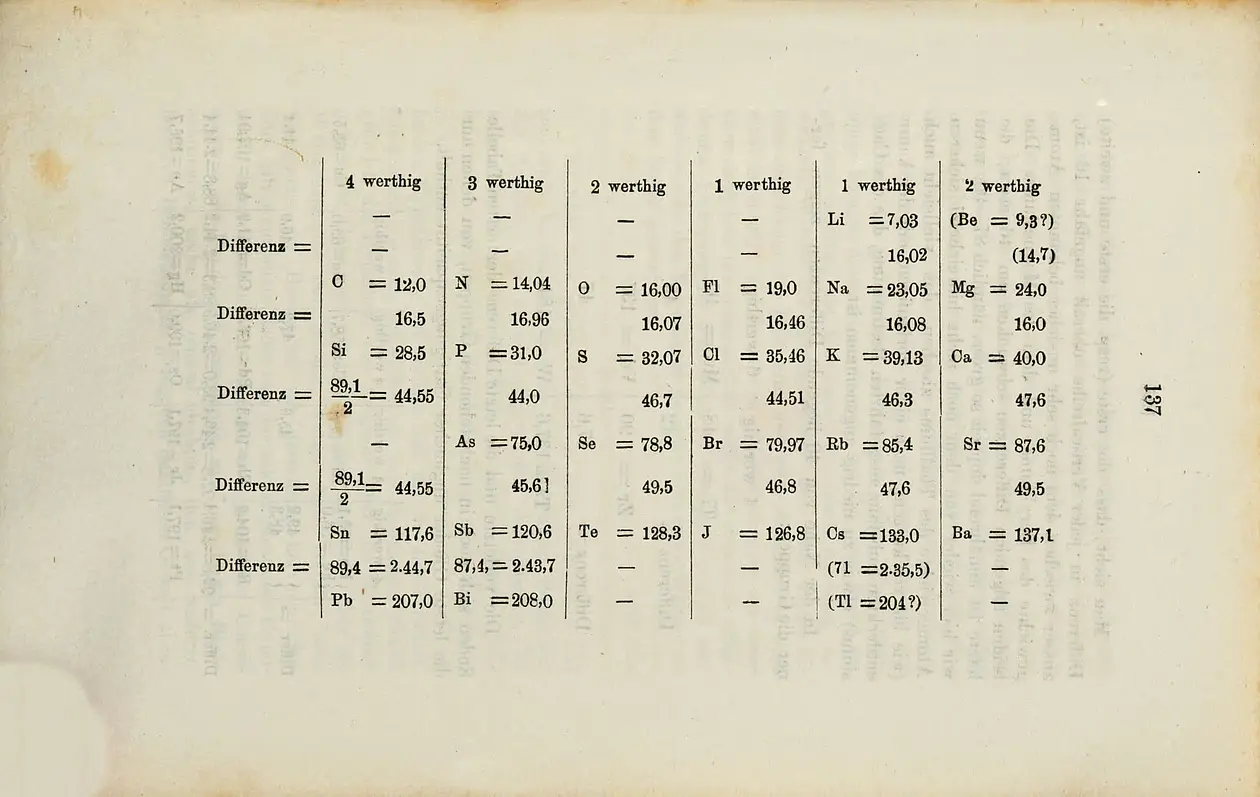
Lothar Meyer develops the periodic table for the 28 chemical elements that are then known. Five years later, Russian chemist Dmitri Mendeleev does the same - however Mendeleev has the idea also to leave gaps for as-yet-undiscovered elements in the periodic table.
Because of the flexibility of his periodic table, Mendeleev alone becomes world renowned as its inventor.
1869
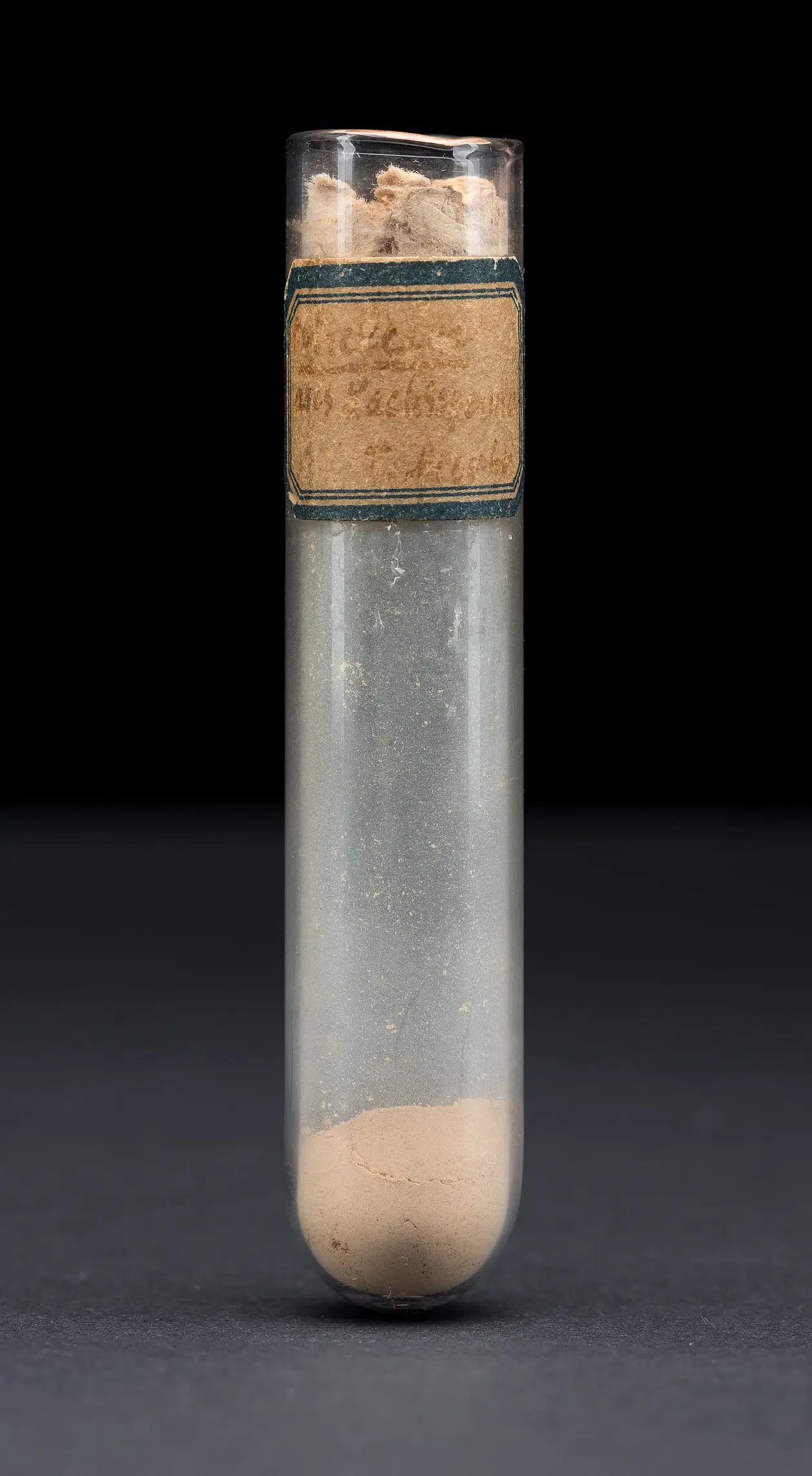
Friedrich Miescher isolates a substance he calls ‘nuclein’ during experiments with nuclei. Nuclein is later identified as the carrier of genetic information.
1889/1890
An openly colonialist lecture is held in Tübingen in the winter semester. Others follow.
1890
The law department establishes tutorials for students for the first time. Previously, students learned solely from lectures. Departmental libraries are also created as places of learning.
1895
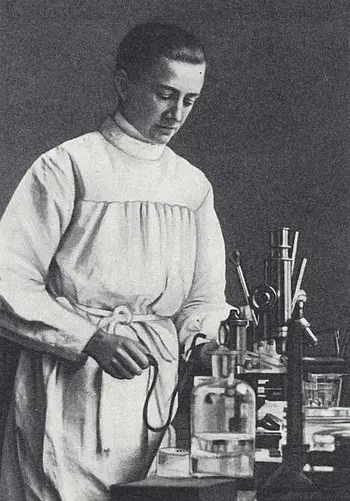
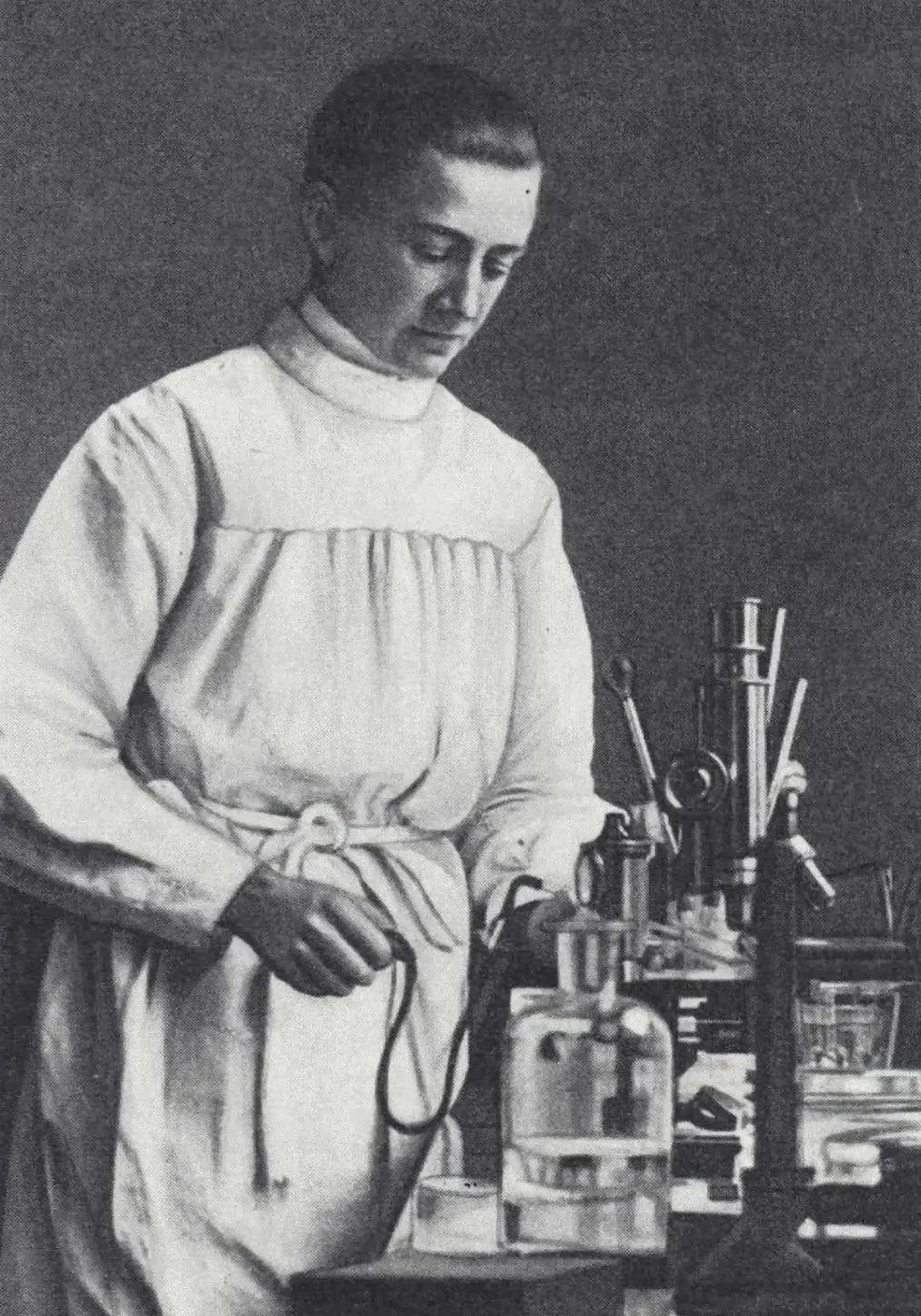
Maria von Linden becomes the first woman in Germany to receive a doctorate, in 1895 after studying science at the University of Tübingen.
She mainly conducted research into parasitology and infectious diseases such as tuberculosis.
1889
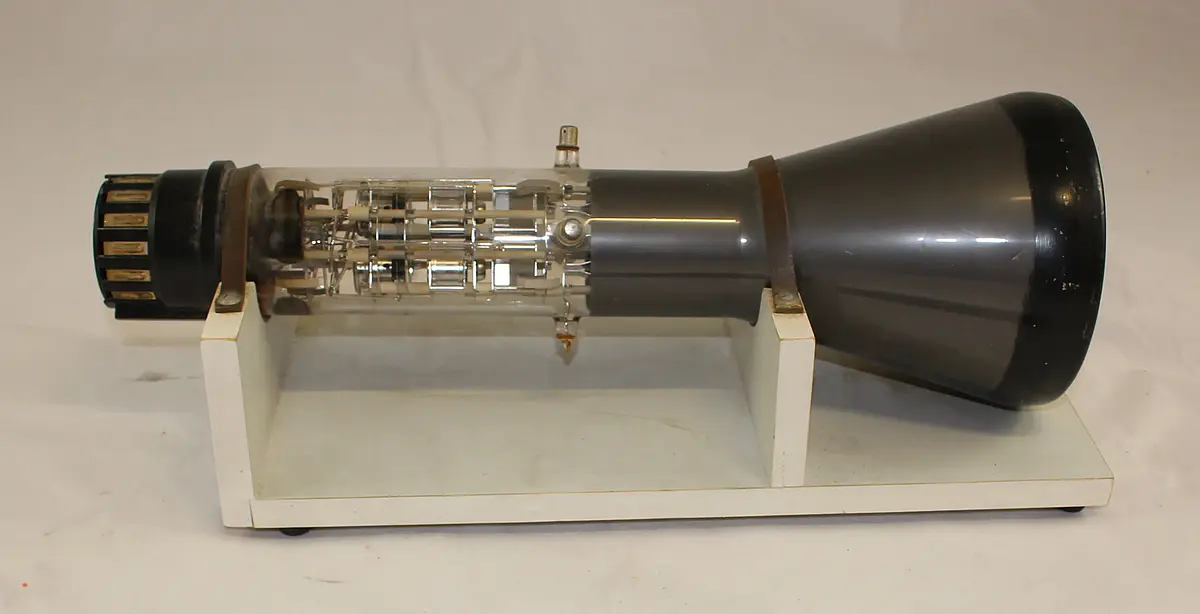
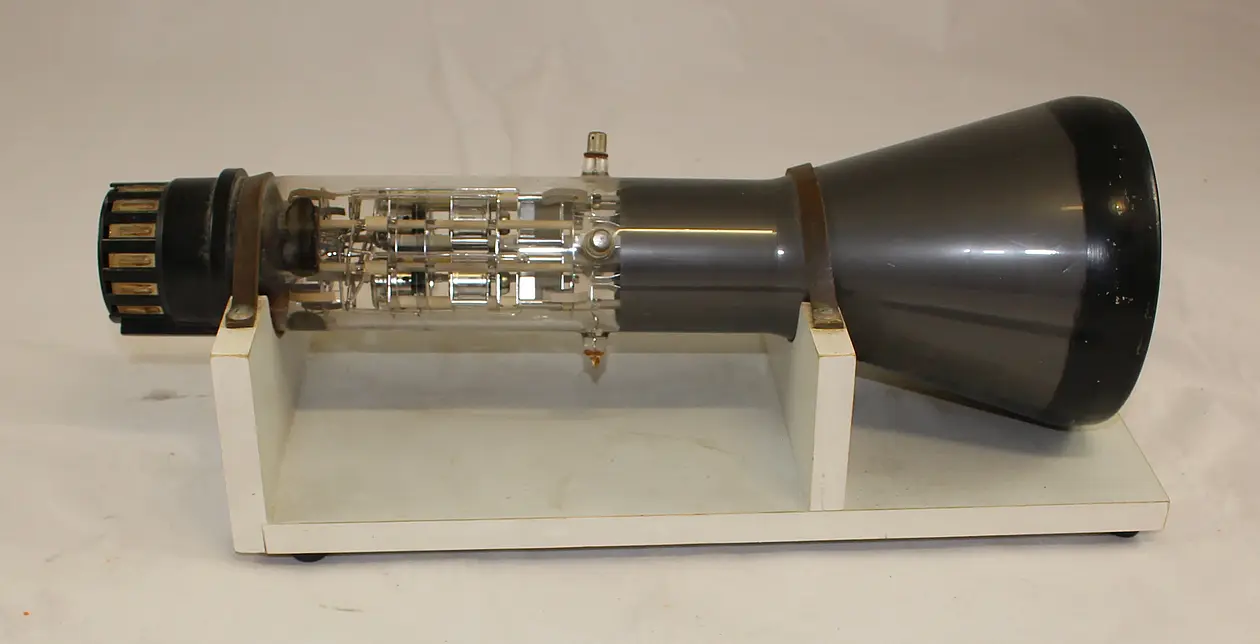
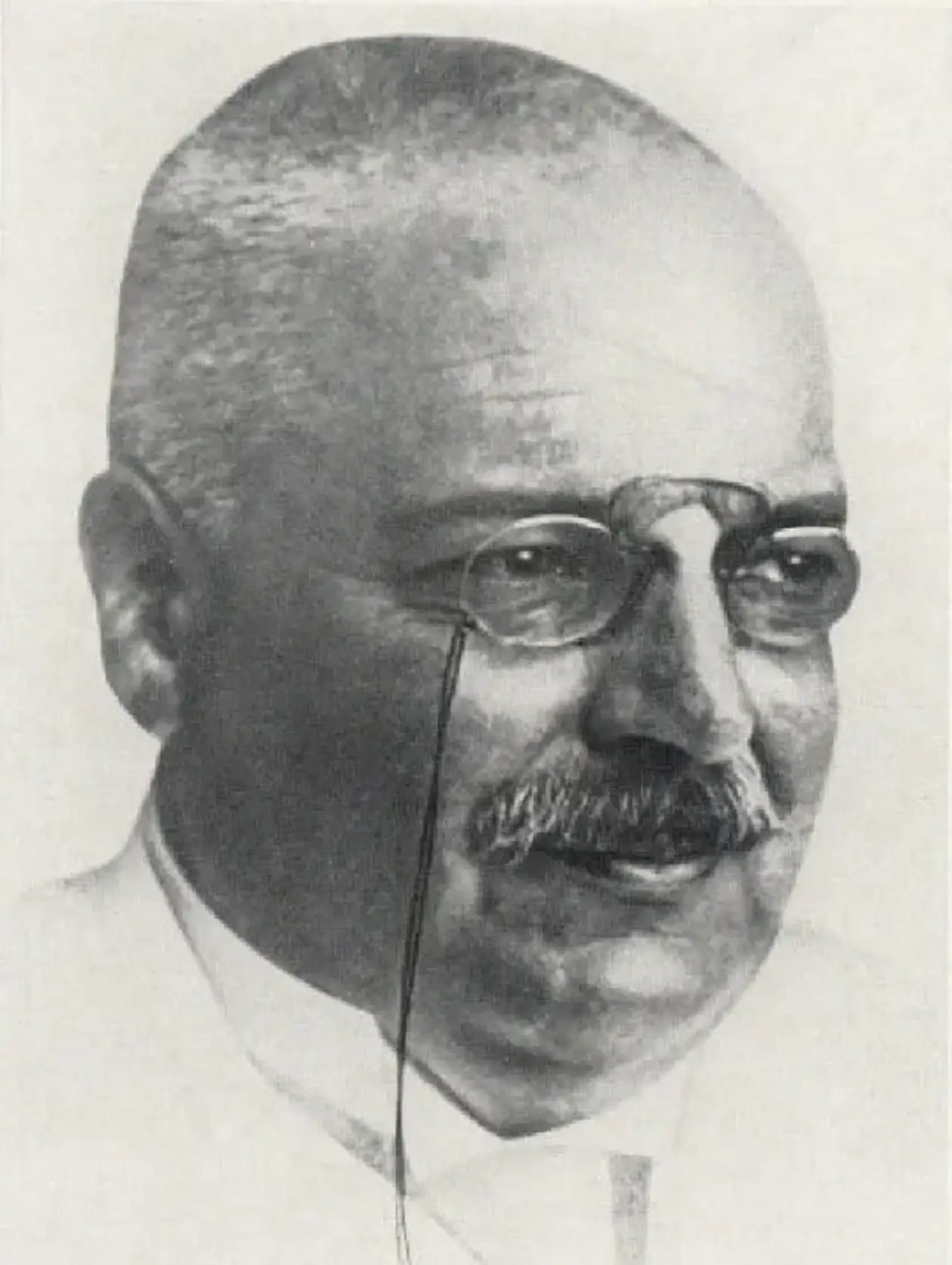
First demonstration of the cathode ray tube at the Institute of Physics in Tübingen, founded and led by Ferdinand Braun.
To market his invention, in 1903 Braun founds the company Telefunken.
1910
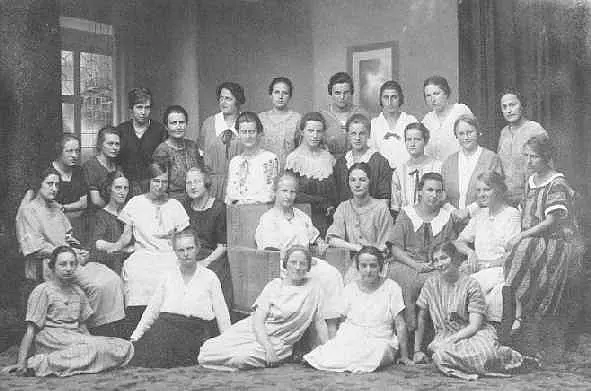
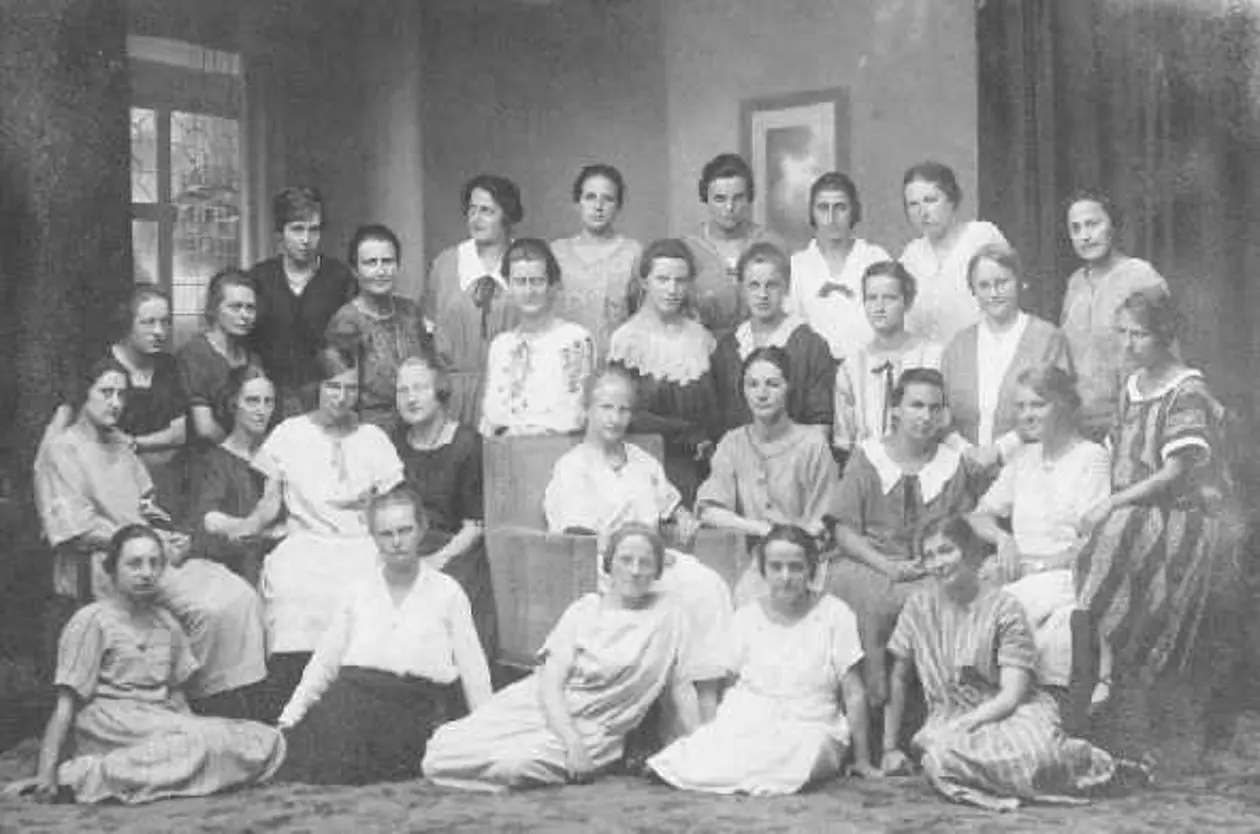
Twenty-one enrolled female students and five unenrolled female students join together to form the Tübingen association of female students, in order to counter discrimination against women more effectively. The University admitted its first female students only in 1905.
November 3, 1906
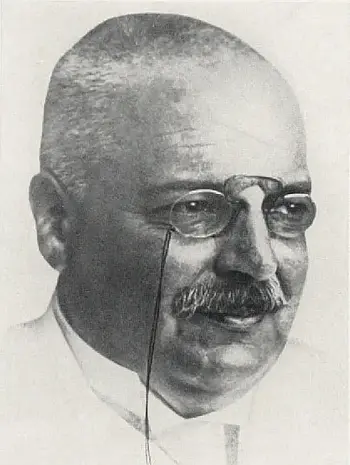
The psychiatrist and neuropathologist Alois Alzheimer gives his first talk on the form of dementia later named after him at a symposium in Tübingen.
The title of his lecture at the Psychiatric University Hospital: "On a peculiar disease of the cortex."
March 9, 1933
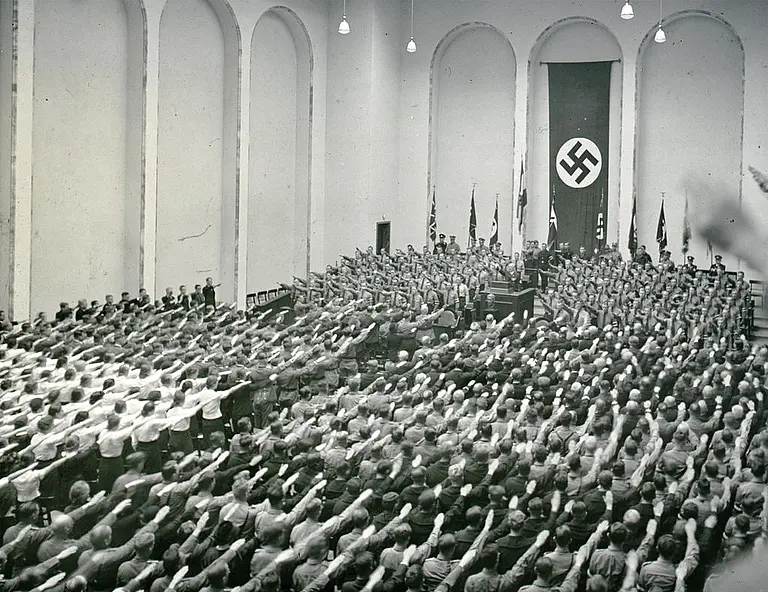
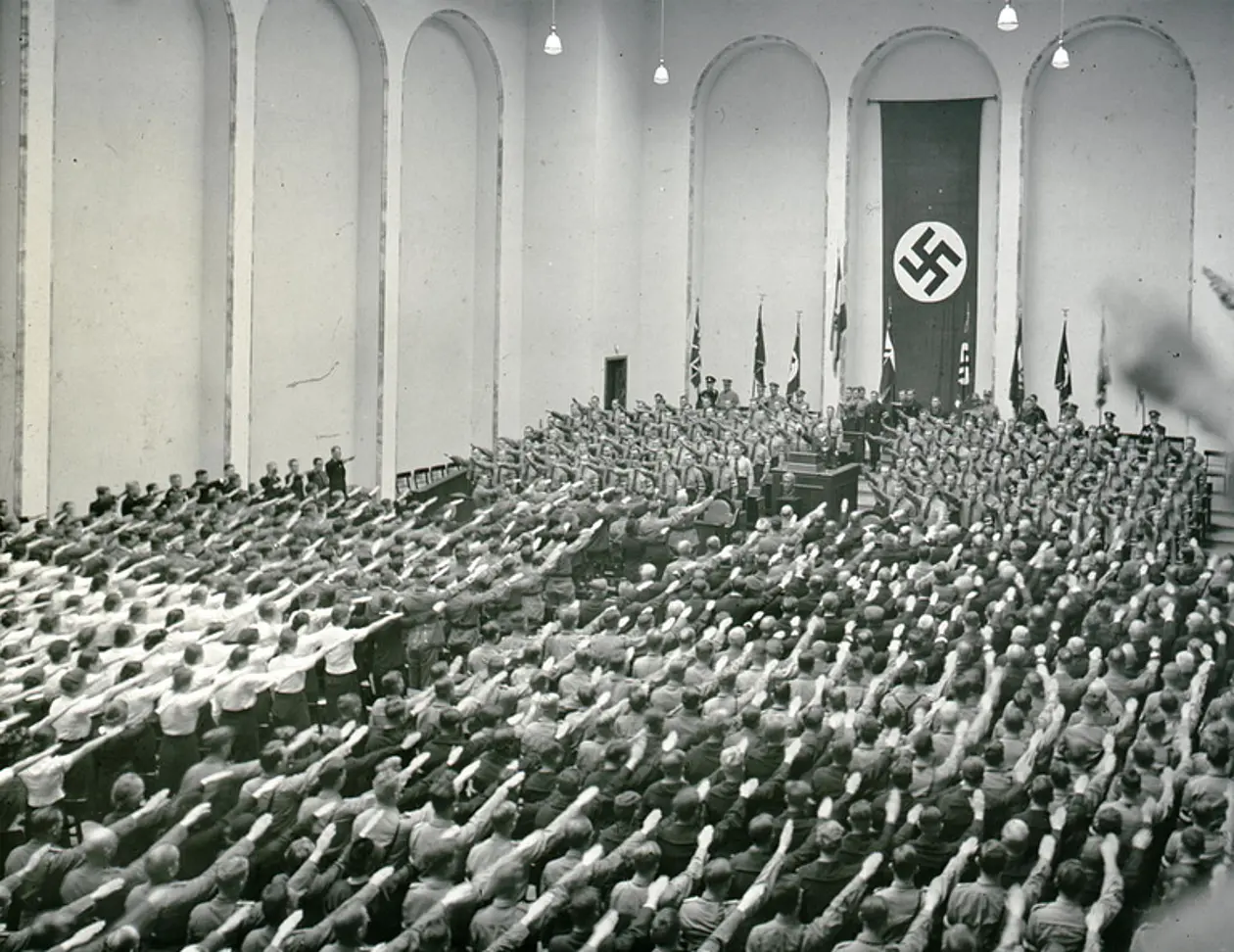
Nazi students raise the swastika flag in front of the town hall and in the University of Tübingen's festival hall. Many professors also welcome Hitler's seizure of power.
1933/34
Twelve teachers dismissed for having 'non-Aryan' origins.
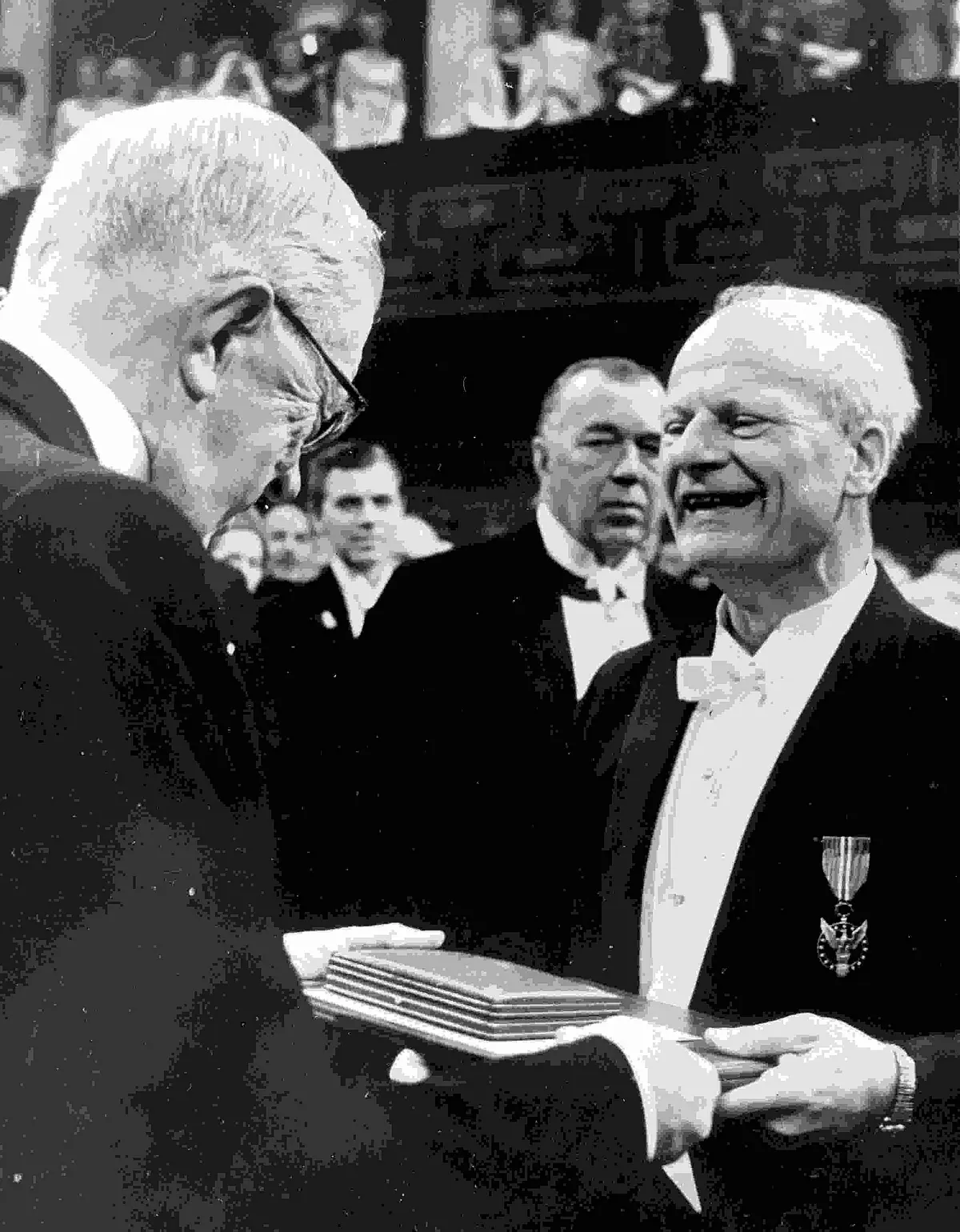
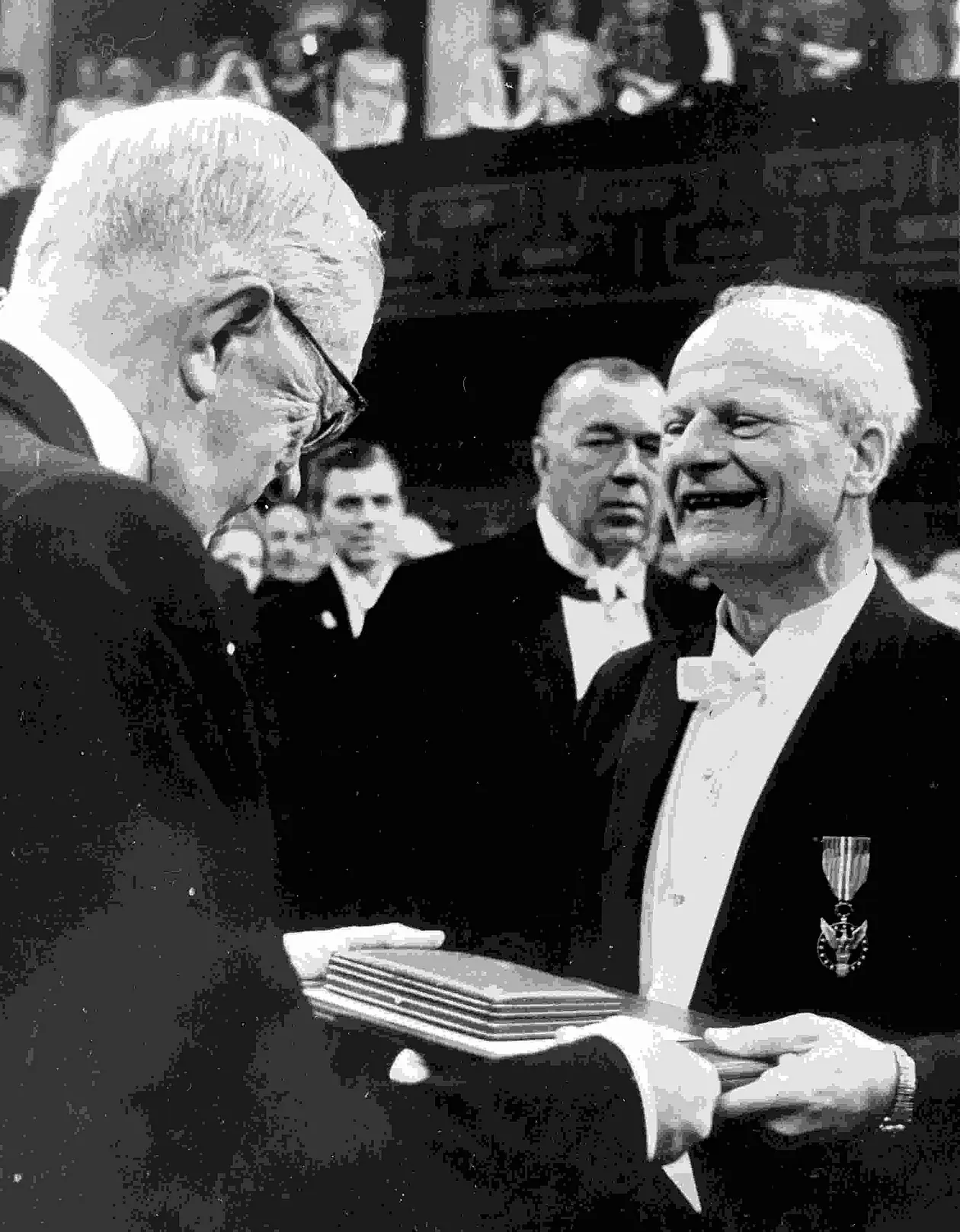
These include Hans Bethe (April 20), who later wins the Nobel Prize for Physics.
1934
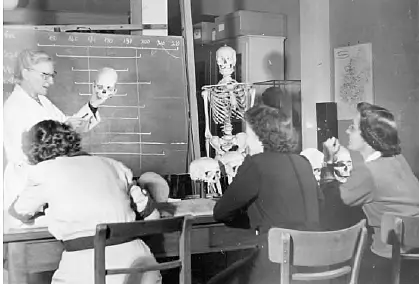
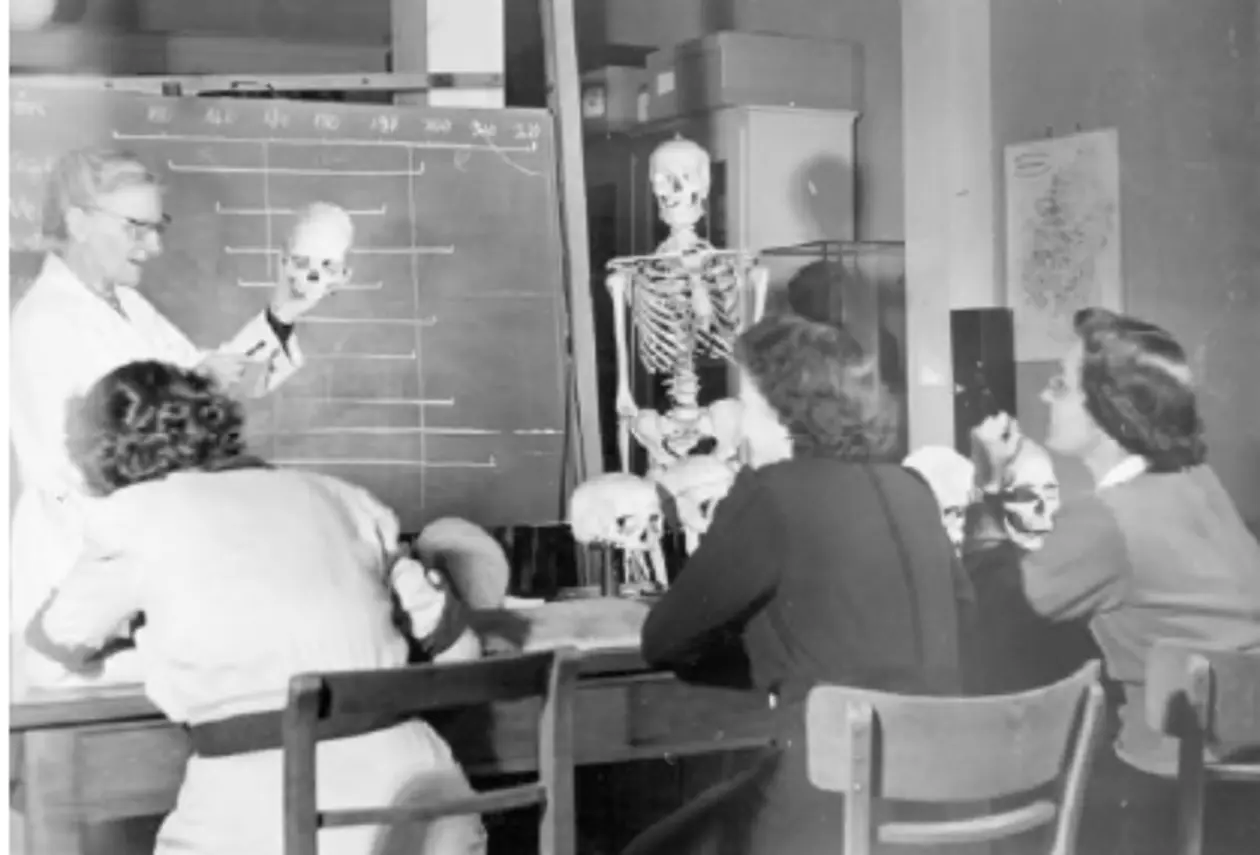
Two institutes supporting Nazi race theory established: the Institut für Deutsche Volkskunde and the Rassekundliches Institut. Members such as Sophie Erhard (left) continued to teach at the university even after 1945 (photo from 1951).
1936
Friedrich von Huene discovers the placodont Henodus chelyops on an afternoon excursion with his students.
Aged about 230 million years, the archaic placodont had a squared-off skull and the scoop-like teeth were so specific that it cannot be compared with other animals.
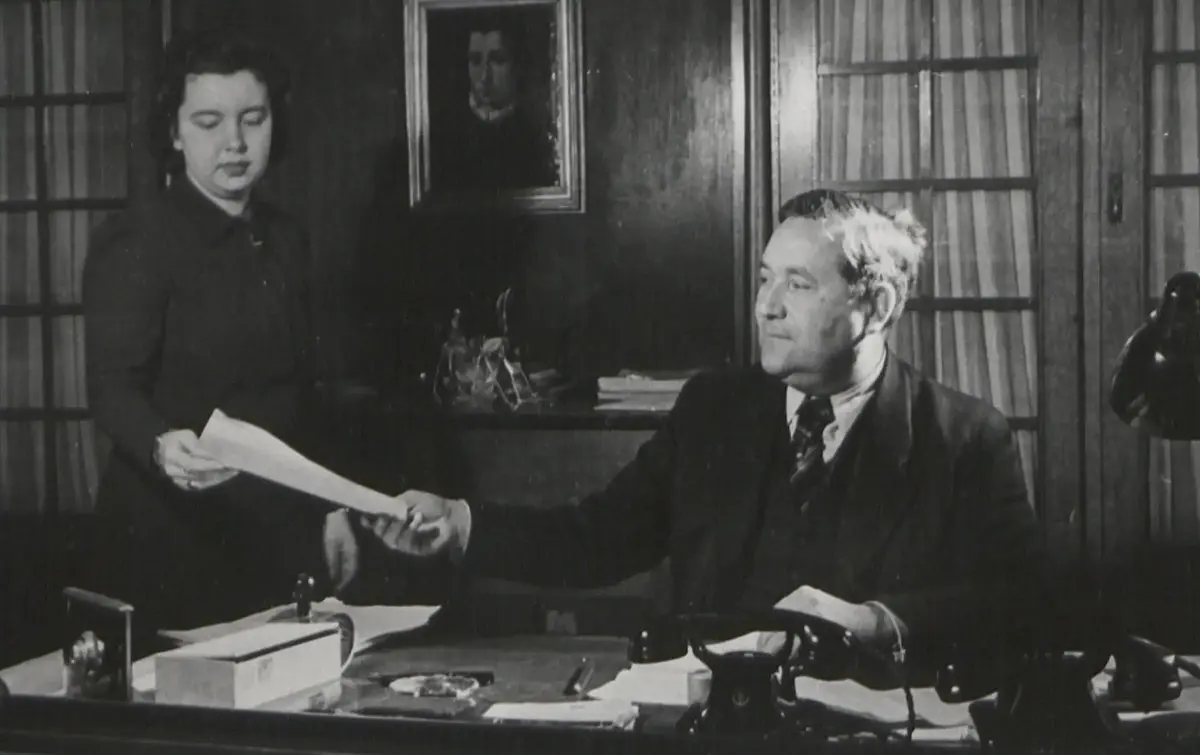
October 15, 1945
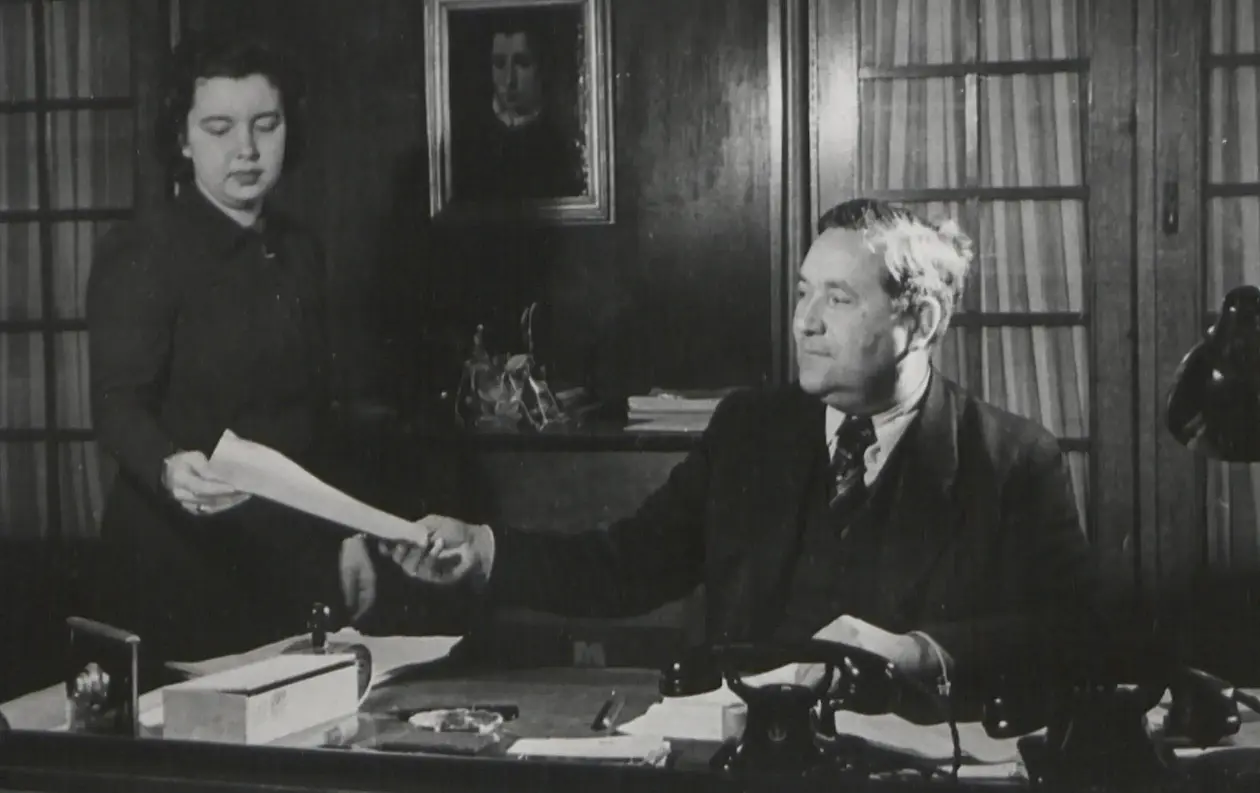
The university resumes teaching after WWII. The driving force behind this new beginning and the appointment of many professors is Carlo Schmid, Professor at the university's Faculty of Law and later chair of the central committee on the parliamentary council.
1959
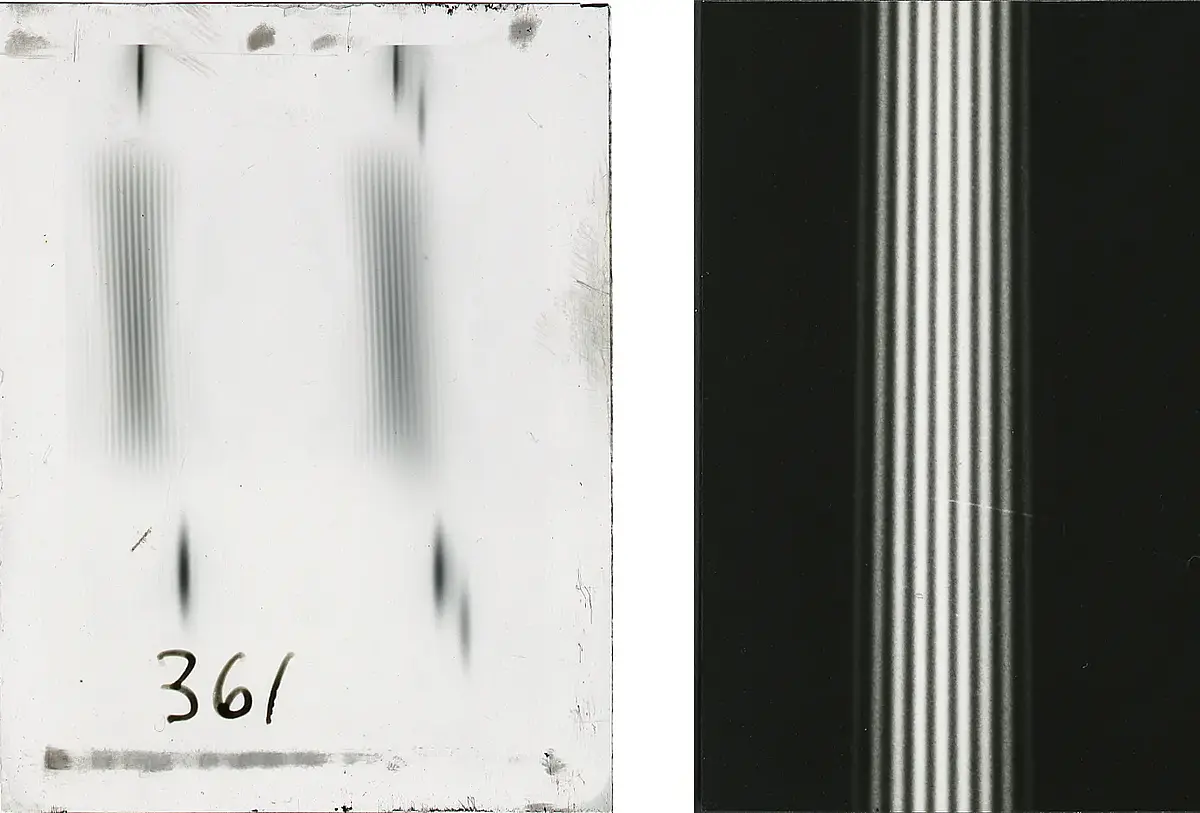
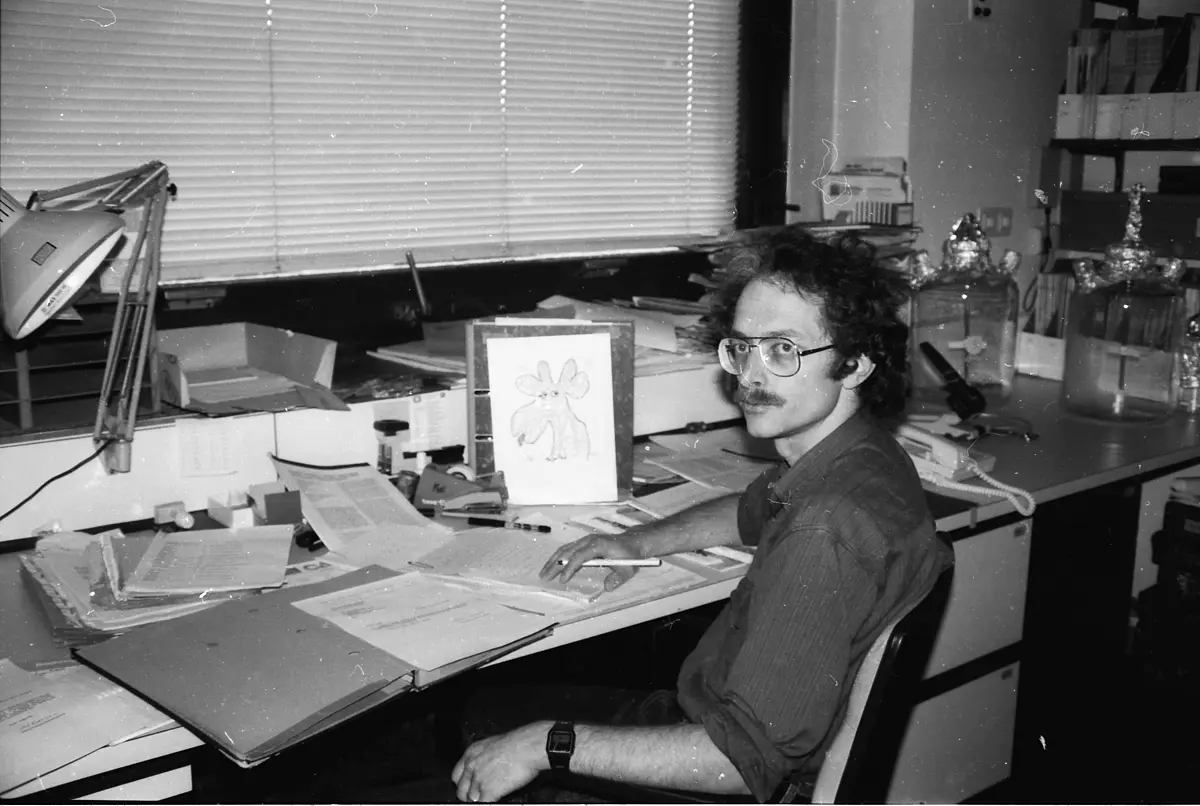
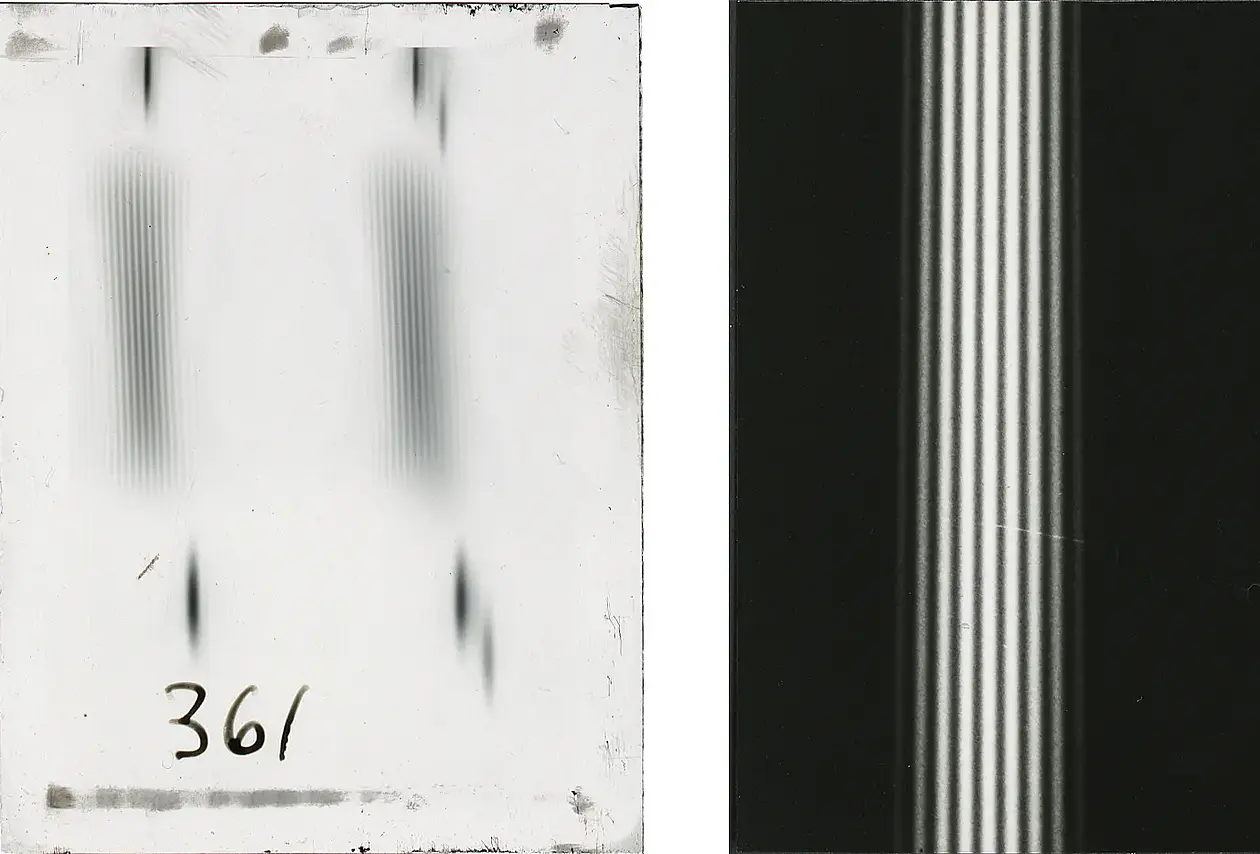
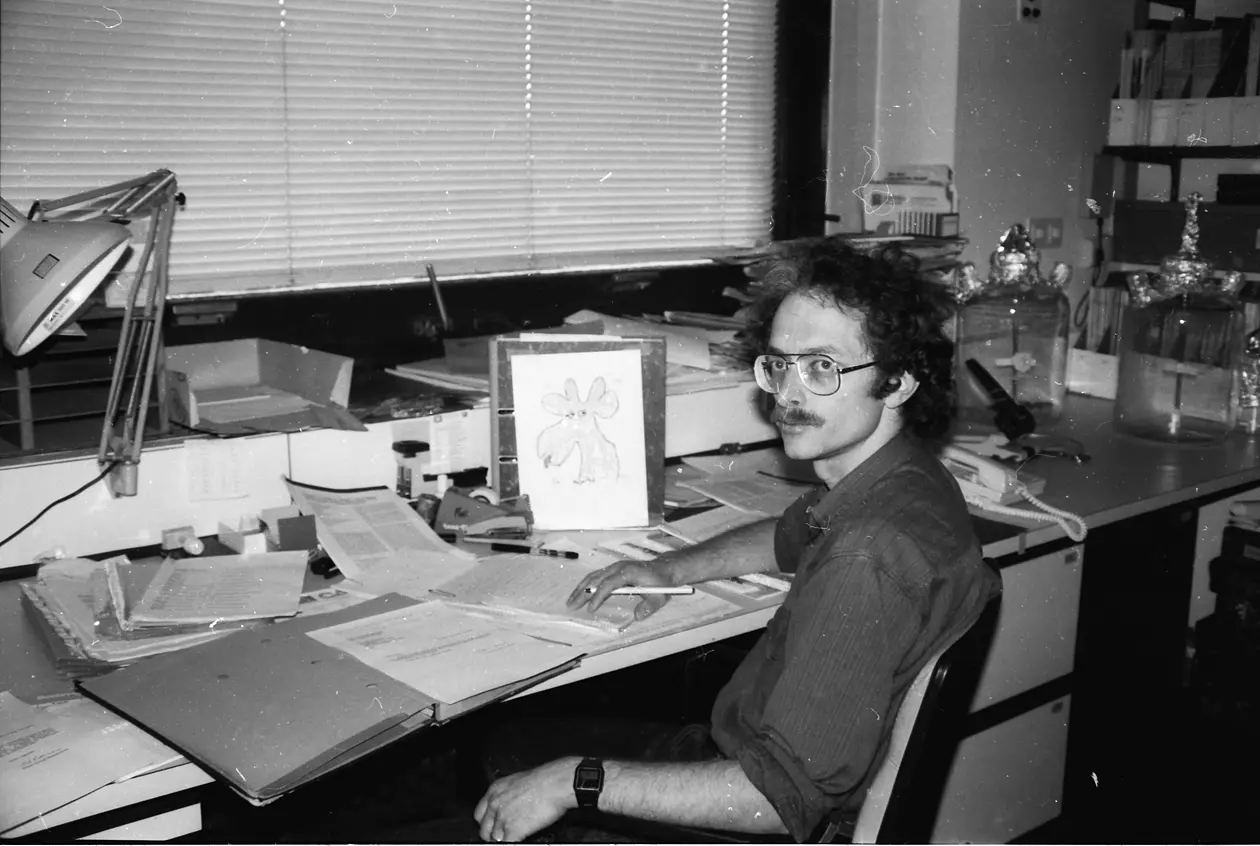
For his doctoral thesis, Claus Jönssen succeeds in focusing electrons with a double-slit so as to revealthe interference pattern.
This experiment was previously believed to be impossible. In 2002, the Royal Society named it "the most beautiful experiment" in its journal Physics Today – even greater than Galileo Galilei's experiment of falling bodies.
1961
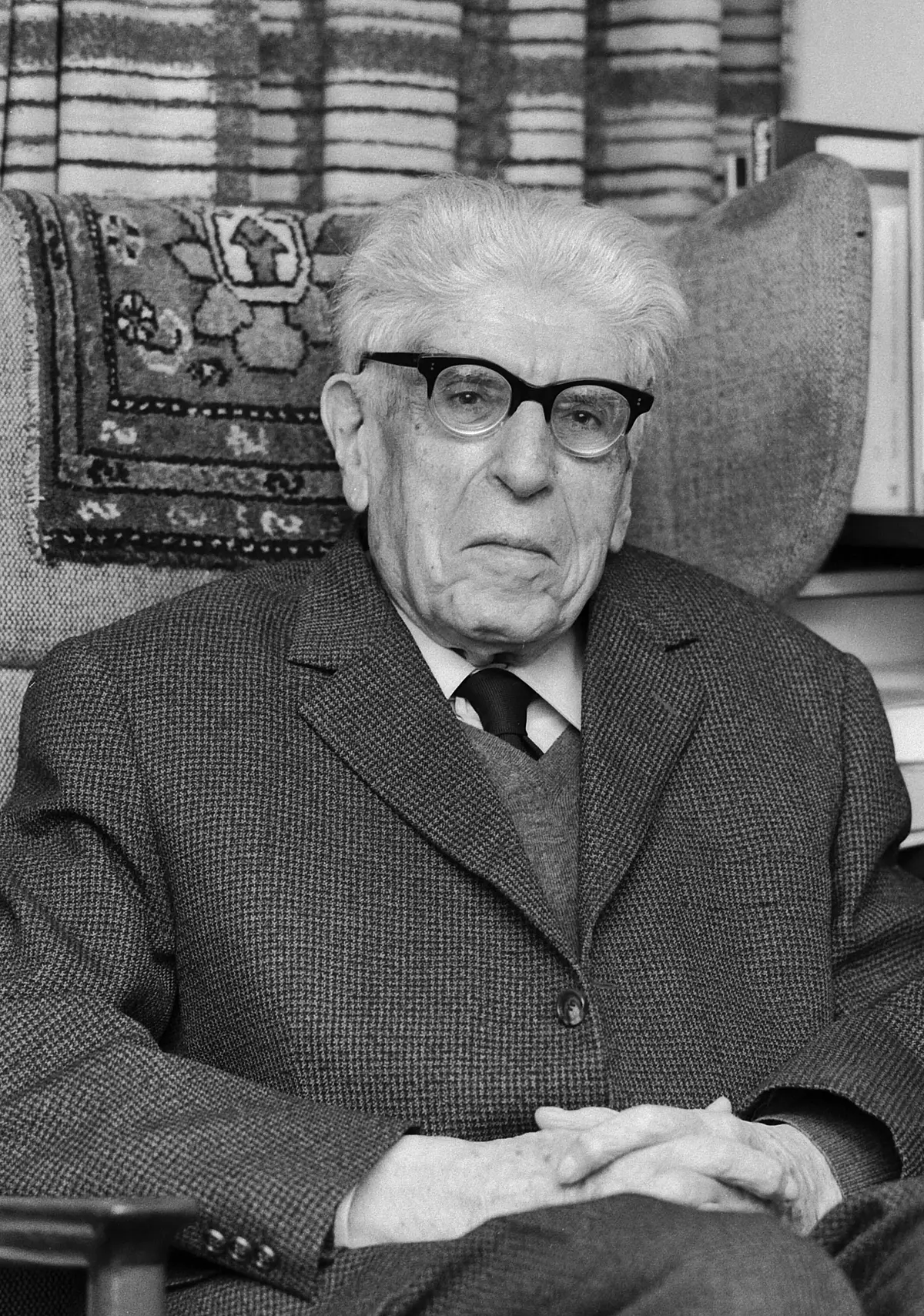
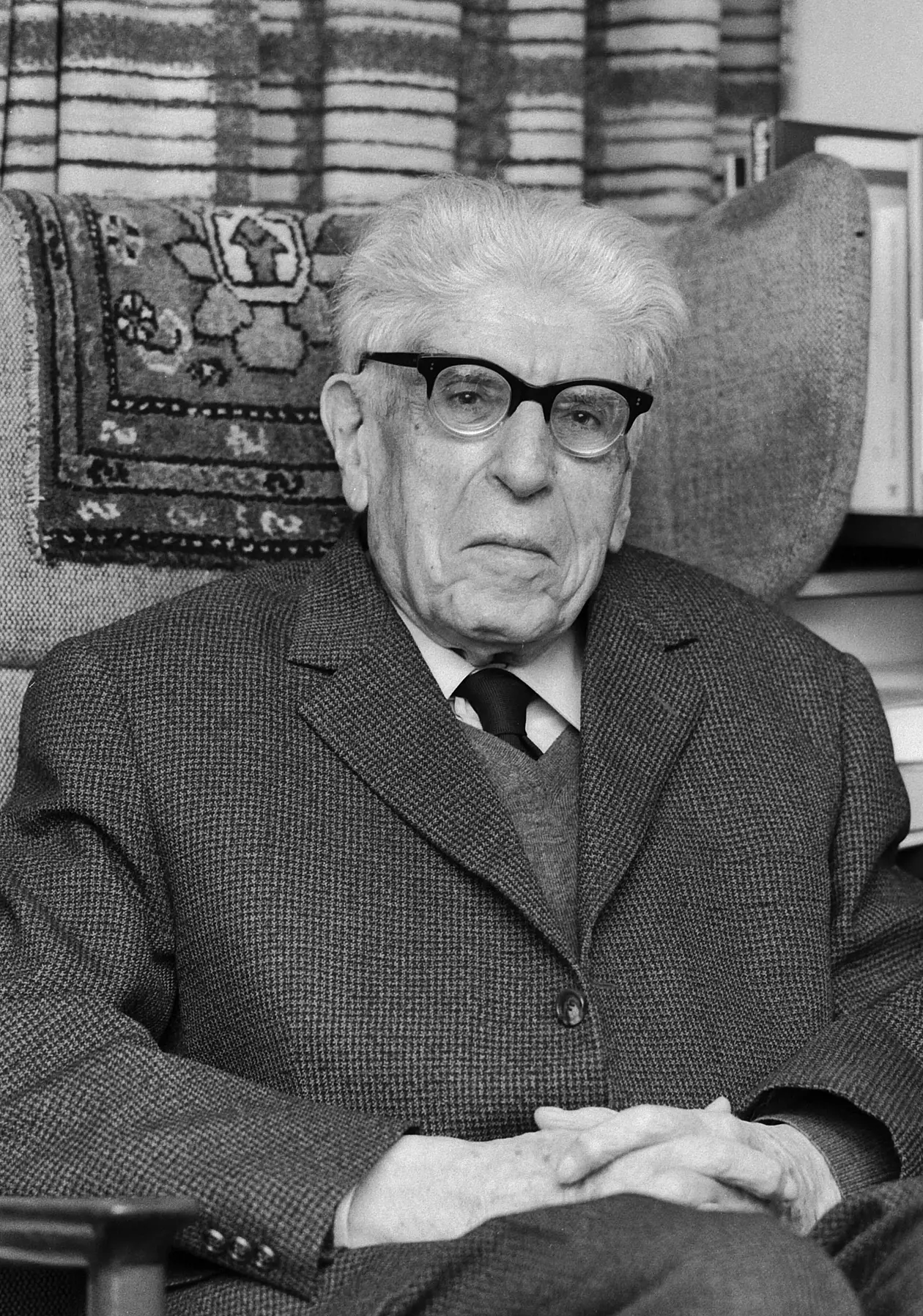
The philosopher Ernst Bloch takes up his professorship in Tübingen.
His work The Principle of Hope, which he wrote in exile in the USA, makes him world famous. He inspires post-war public debate in Germany.
1970s
Ophthalmologist Elfriede Aulhorn becames one of the first women to be appointed to a professorship at the University of Tübingen; virologist Evamarie Sander is appointed shortly thereafter.
July 1990
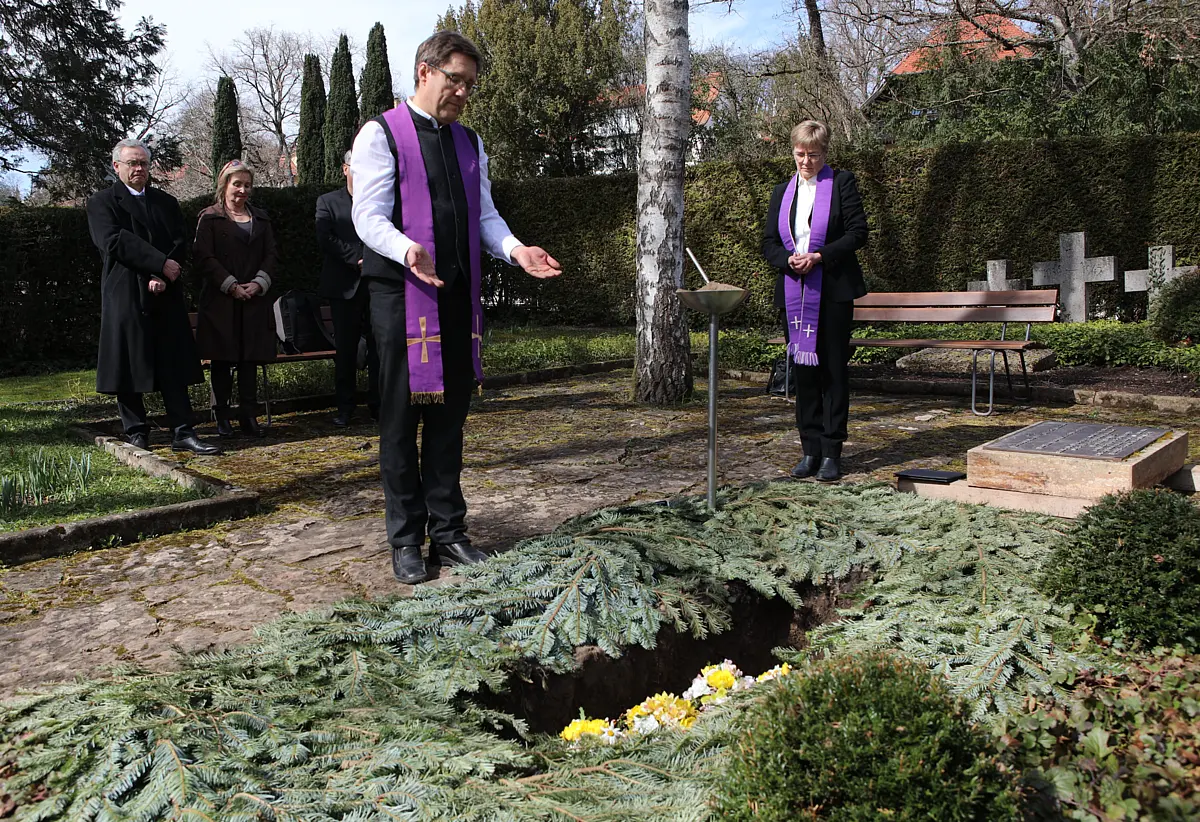
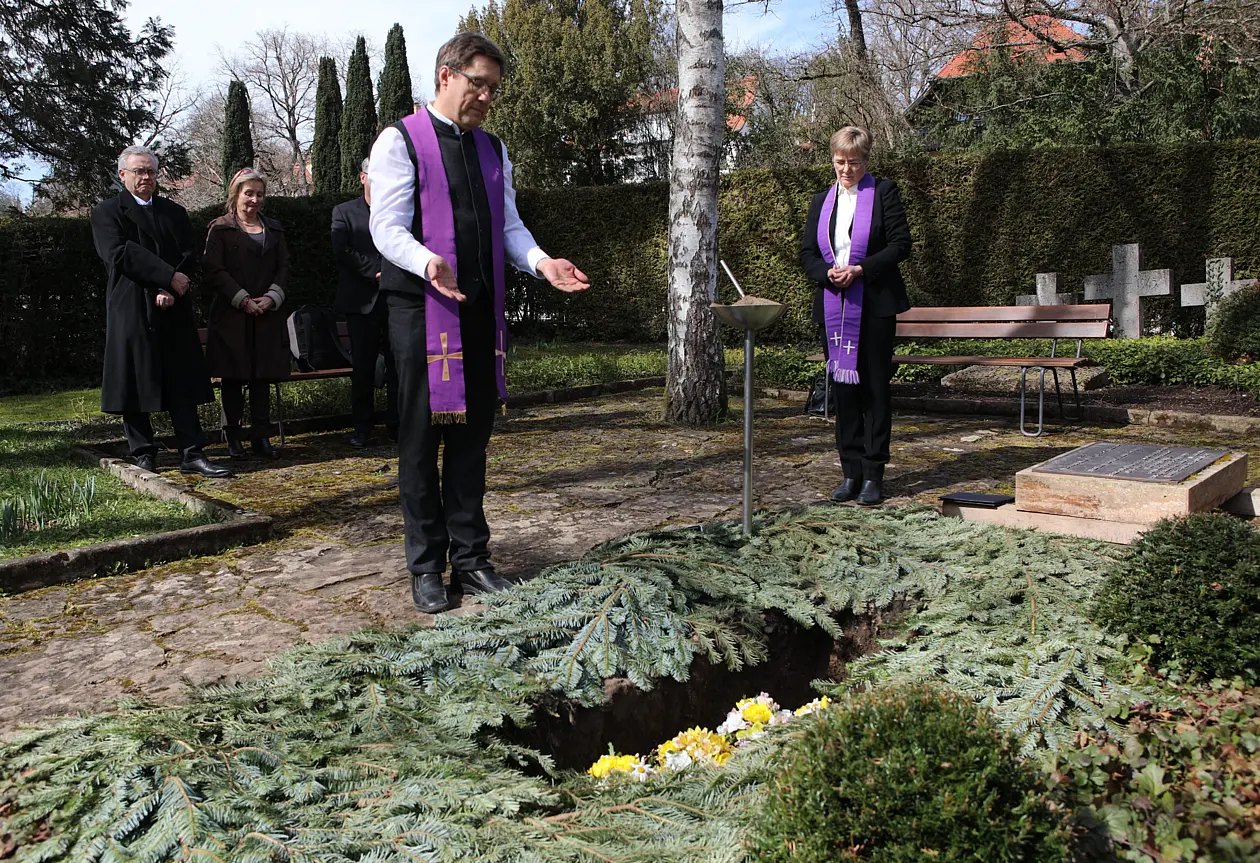
The University of Tübingen installs a plaque at Gräberfeld X, the section of the town cemetery where human remains from Nazi-era anatomy "research" were buried.
The plaque was laid following a research project led by Benigna Schönhagen to provide information on the link between victims of the Nazi regime and teachers and researchers of anatomy. Hundreds of bodies and body parts were interred in section X of the cemetery during the Third Reich.
May 23, 1991
Hans-Georg Rammensee and his team publish their findings on peptide-based cancer immunotherapy in the journal Nature - a pioneering achievement.
1995
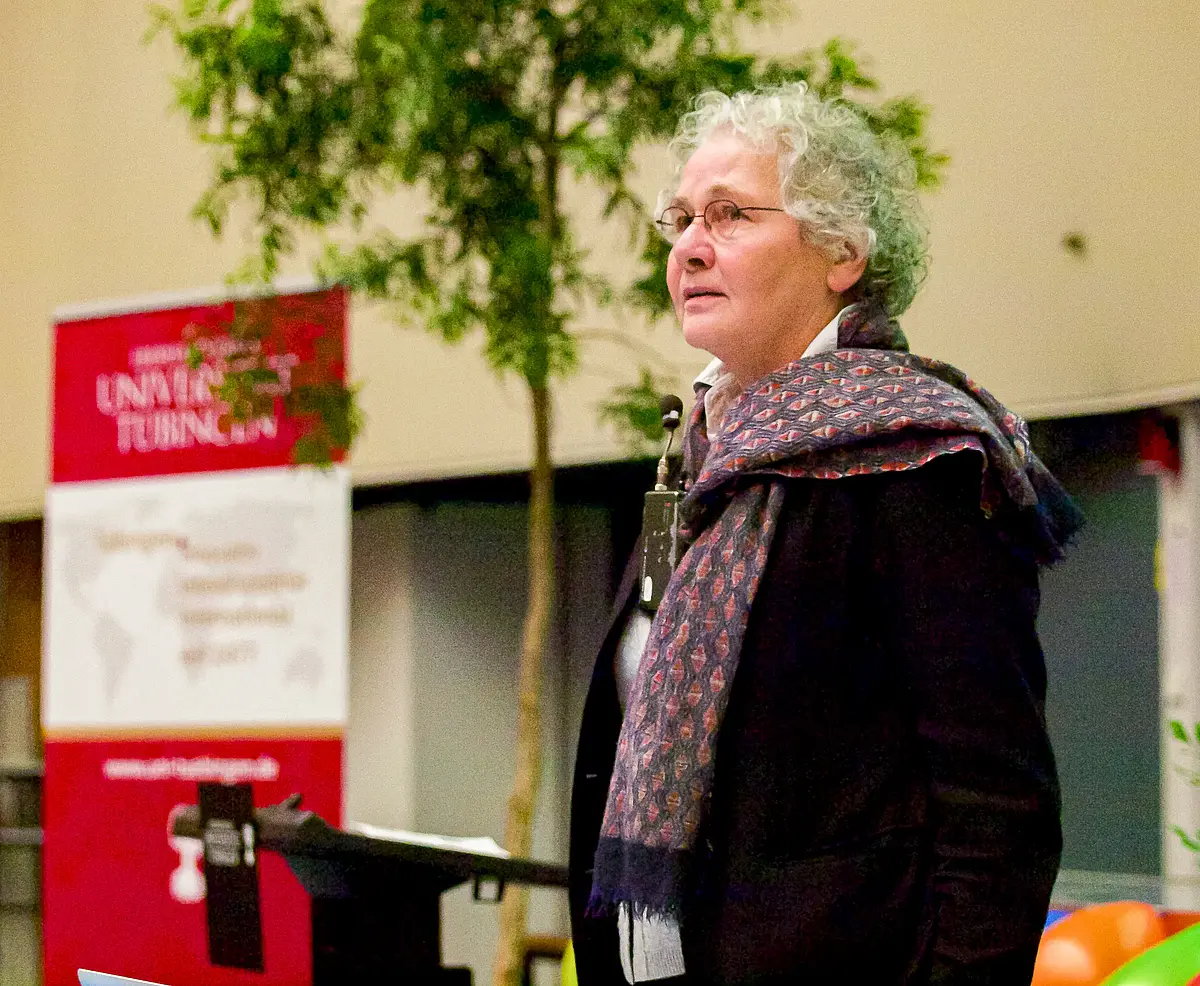
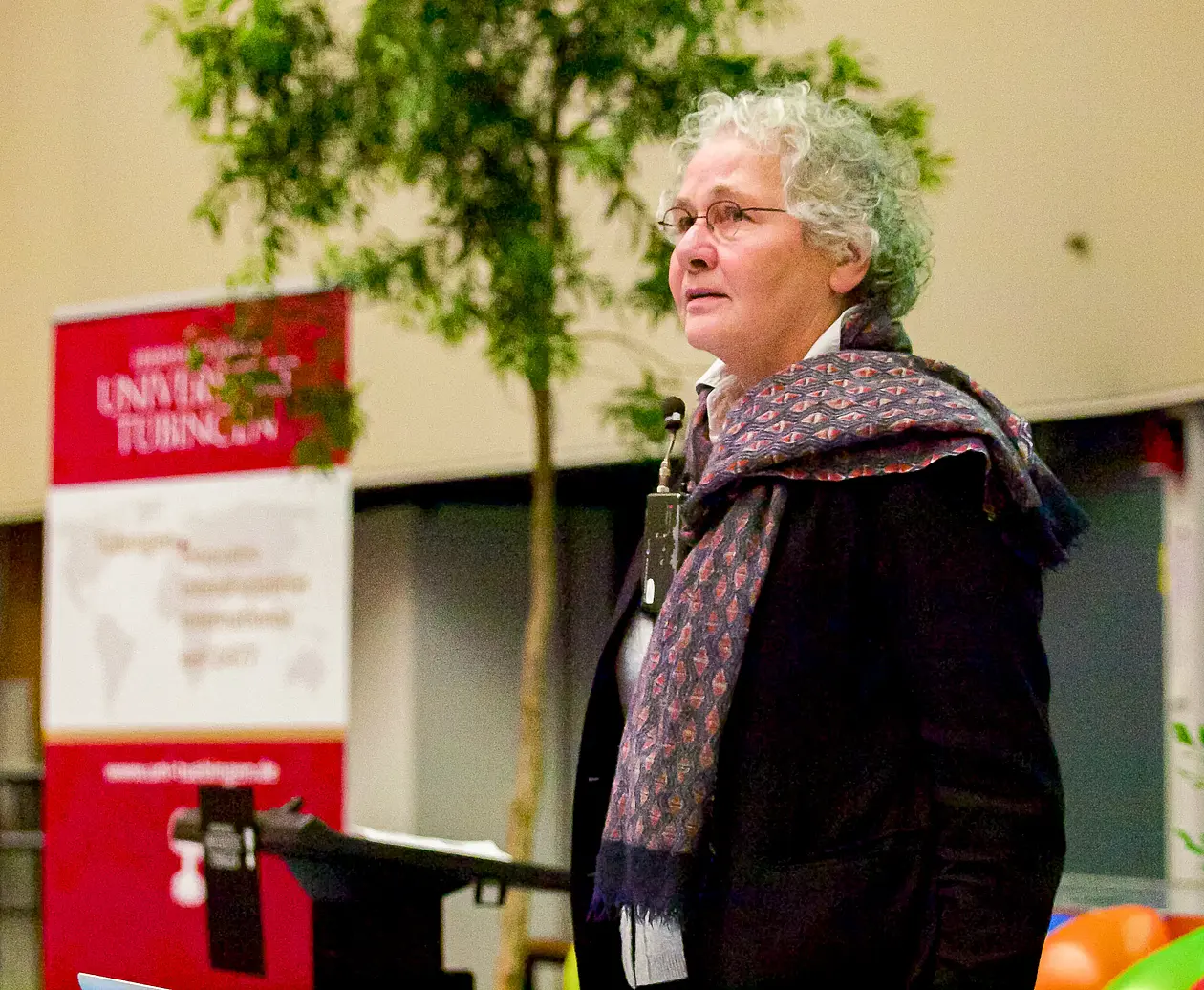
Biochemist Christiane Nüsslein-Volhard is the first German woman to receive the Nobel Prize for Medicine for her ground-breaking work on the genetic control of embryonic development.
1995
The Stiftung Weltethos (Global Ethic Foundation) is founded to realize the global ethic concept of theologian Hans Küngs: for an agreement of shared values across every religion, culture and nation.
1997
The Institute for Medieval Archaeology is founded under the direction of Barbara Scholkmann.
September 9, 1999
Ingmar Hoerr registers the first patent for an mRNA vaccine and later founds CureVac to develop mRNA vaccines.
March 17, 2001
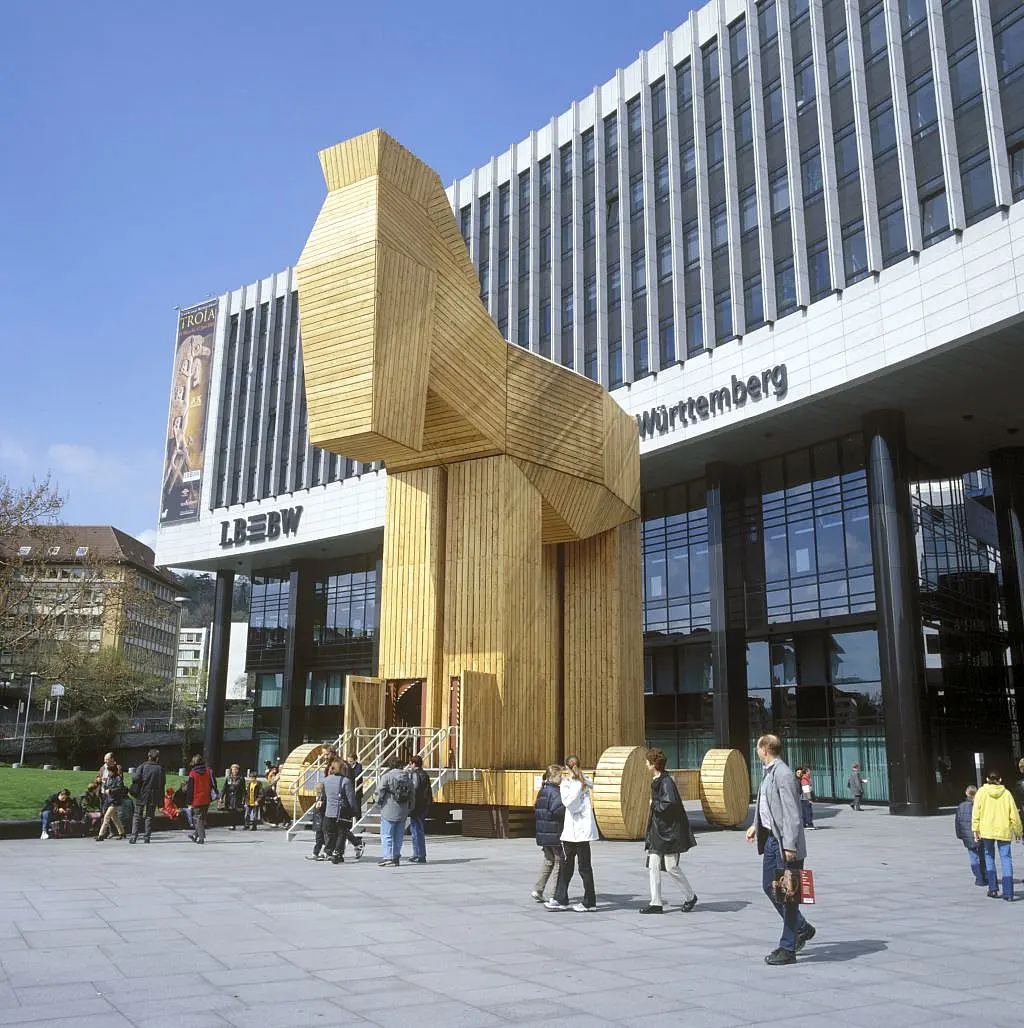
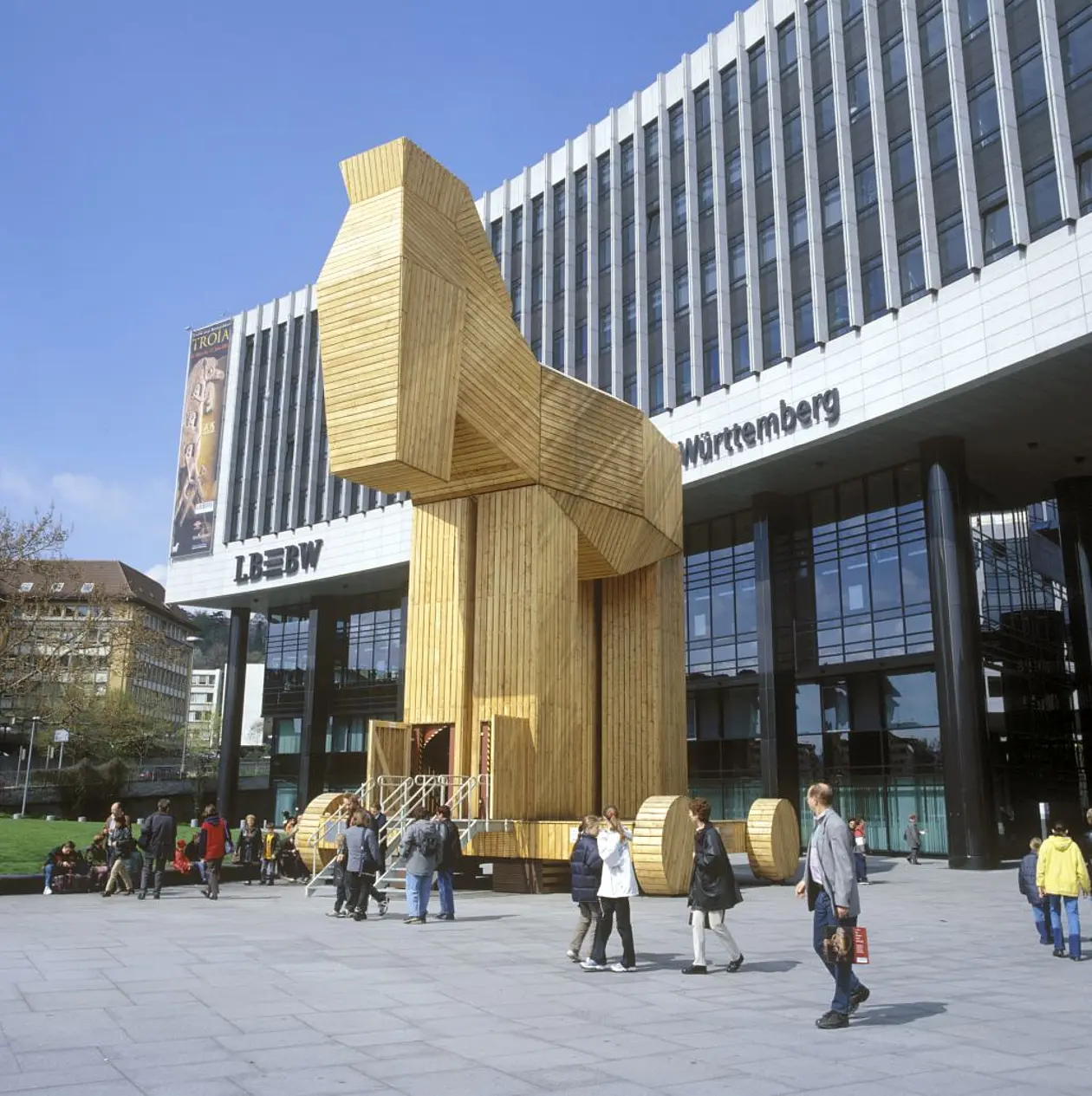
Opening of the exhibition 'Troy–Dream and Reality' by Manfred Korfmann. Korfmann had led excavations at Hirsalik in Turkiye since 1988 and found evidence of an extensive 'lower town' of Troy.
2002
Historian Hildegard Temporini publishes "The Empresses of Rome," a seminal work on the role of women in the Roman Empire.
September 9, 2008
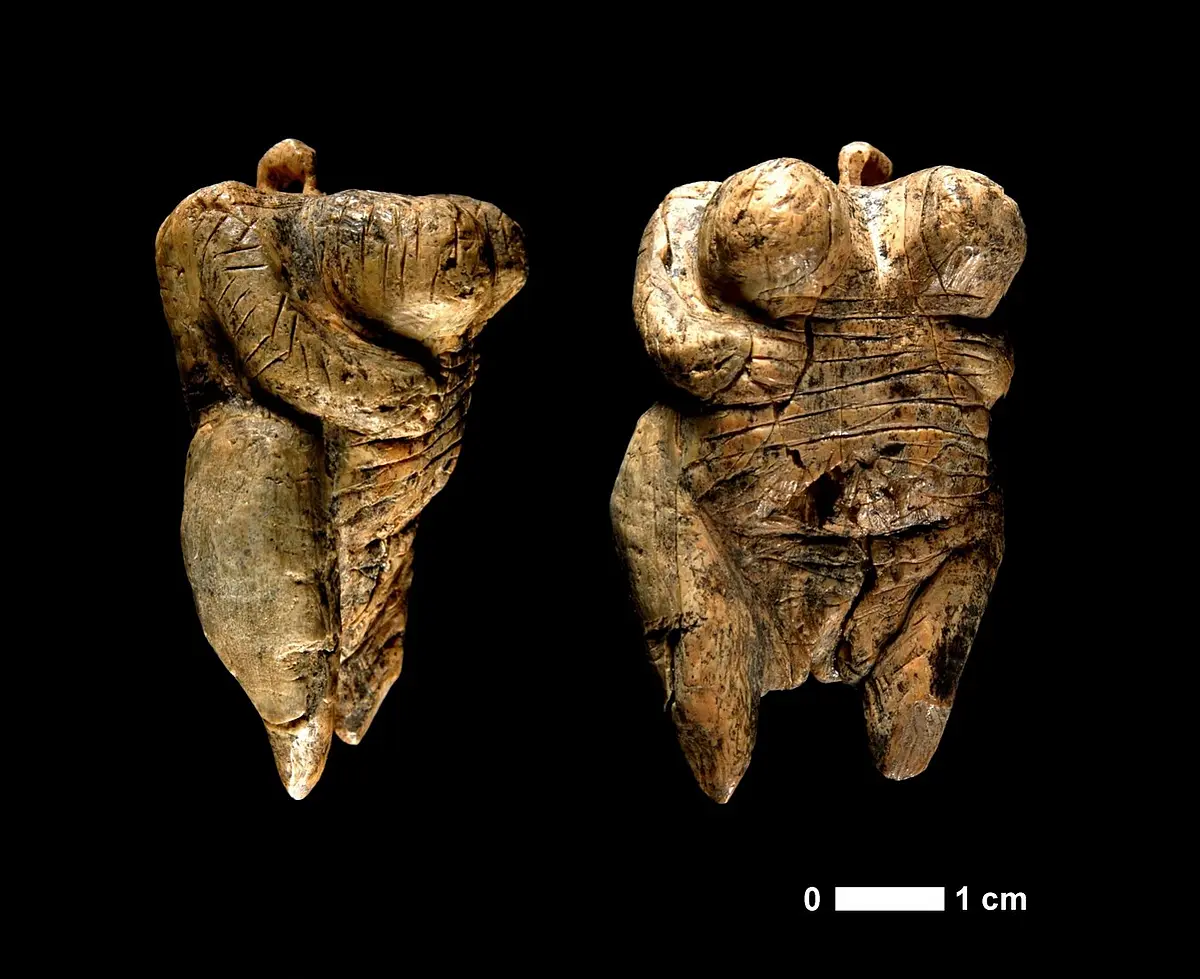
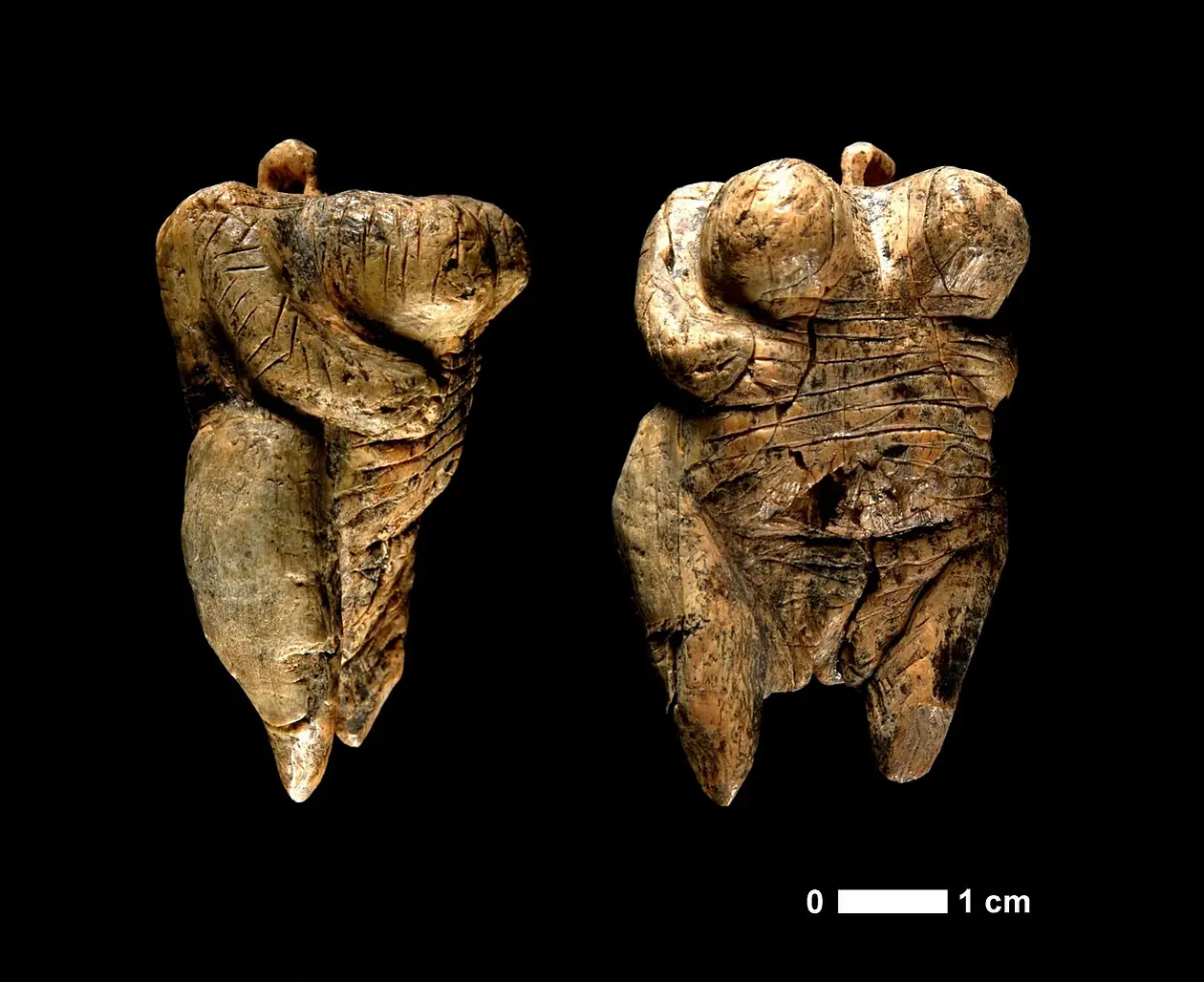
Nicholas Conard discovers a six centimeter female figure made of ivory in the Hohle Fels cave near Schelklingen– carved 35,000 to 40,000 years ago, it is the oldest depiction of a human being in human history.
2012
The University of Tübingen achieves Excellence status. Status renewed in 2019 and 2026.
July 2013
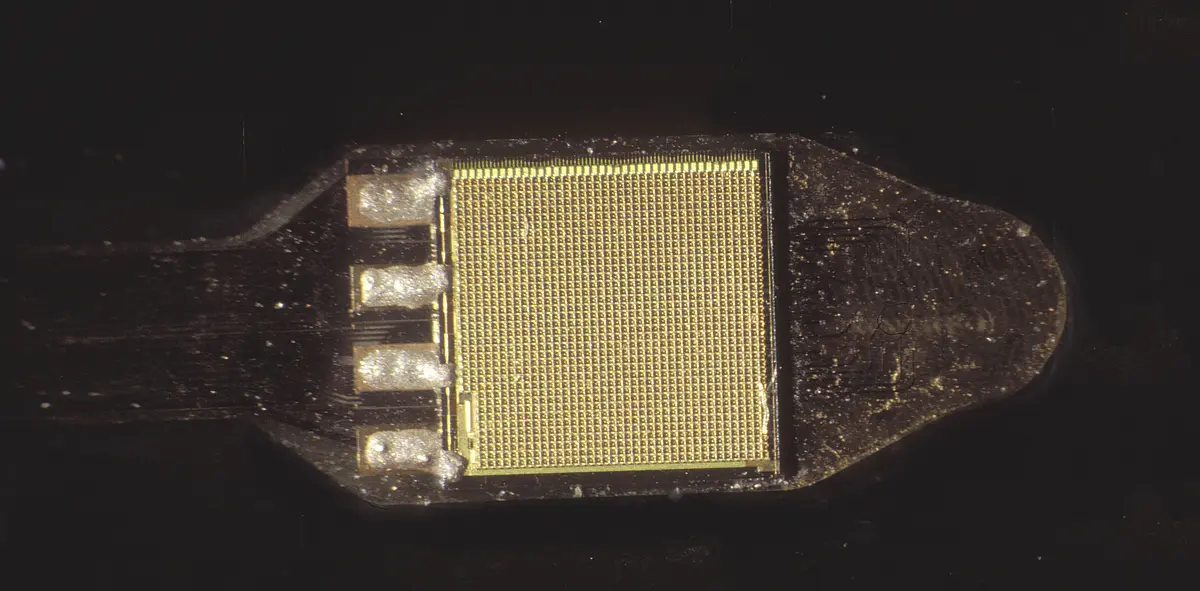
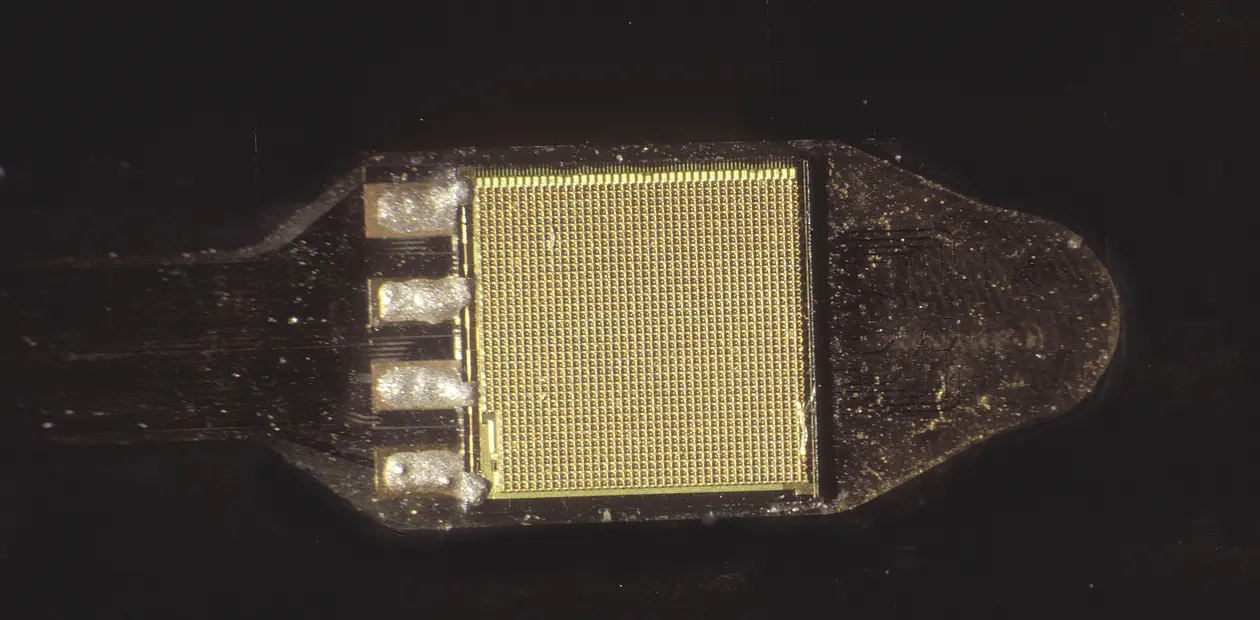
A retina implant is licenced for the EU and approved for health insurance funding in Germany. This visual prosthesis is largely based on a retinal chip with 1,600 pixels developed by Eberhart Zrenner and his team.
2015
The malaria vaccine RTS,S is officially endorsed by the European Medicines Agency (EMEA). In 2021, the WHO accepts the endorsement after the vaccine has been trialed in several pilot projects in Africa. Peter Kremsner is in charge of the Phase III study and leads the pilot project in Africa.
May 17, 2016
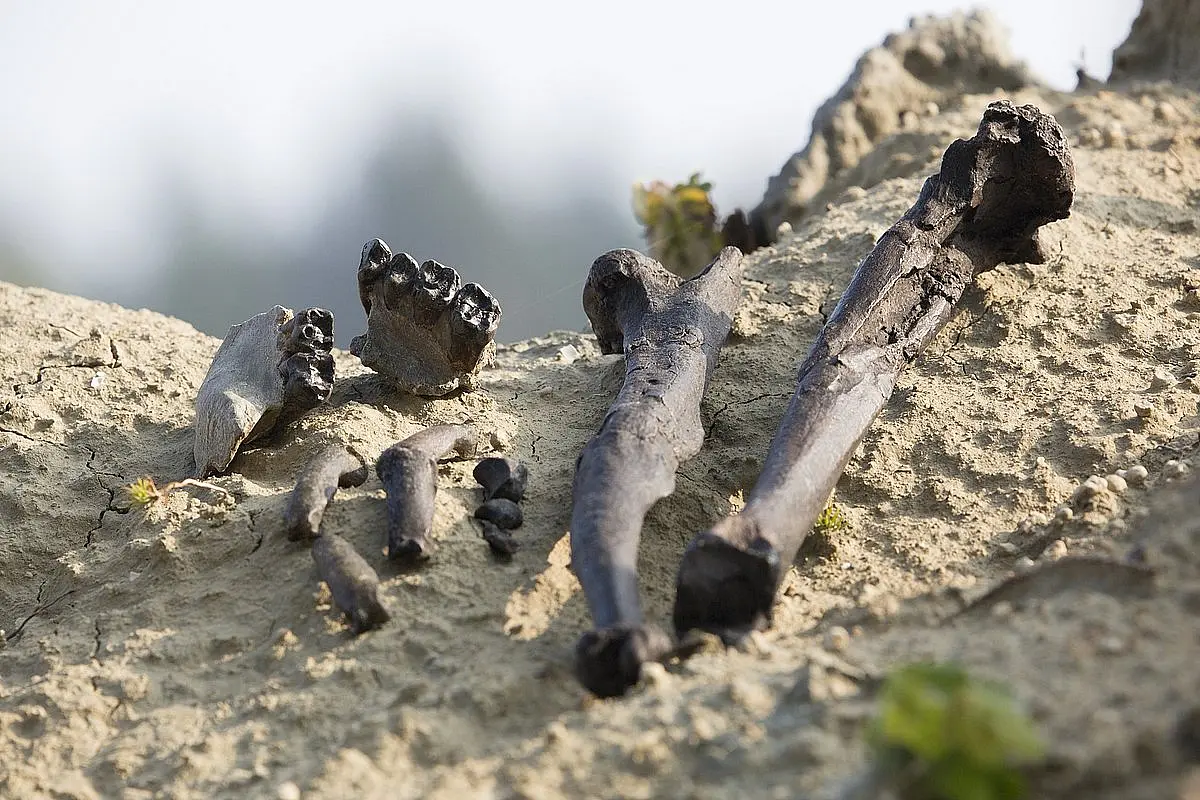
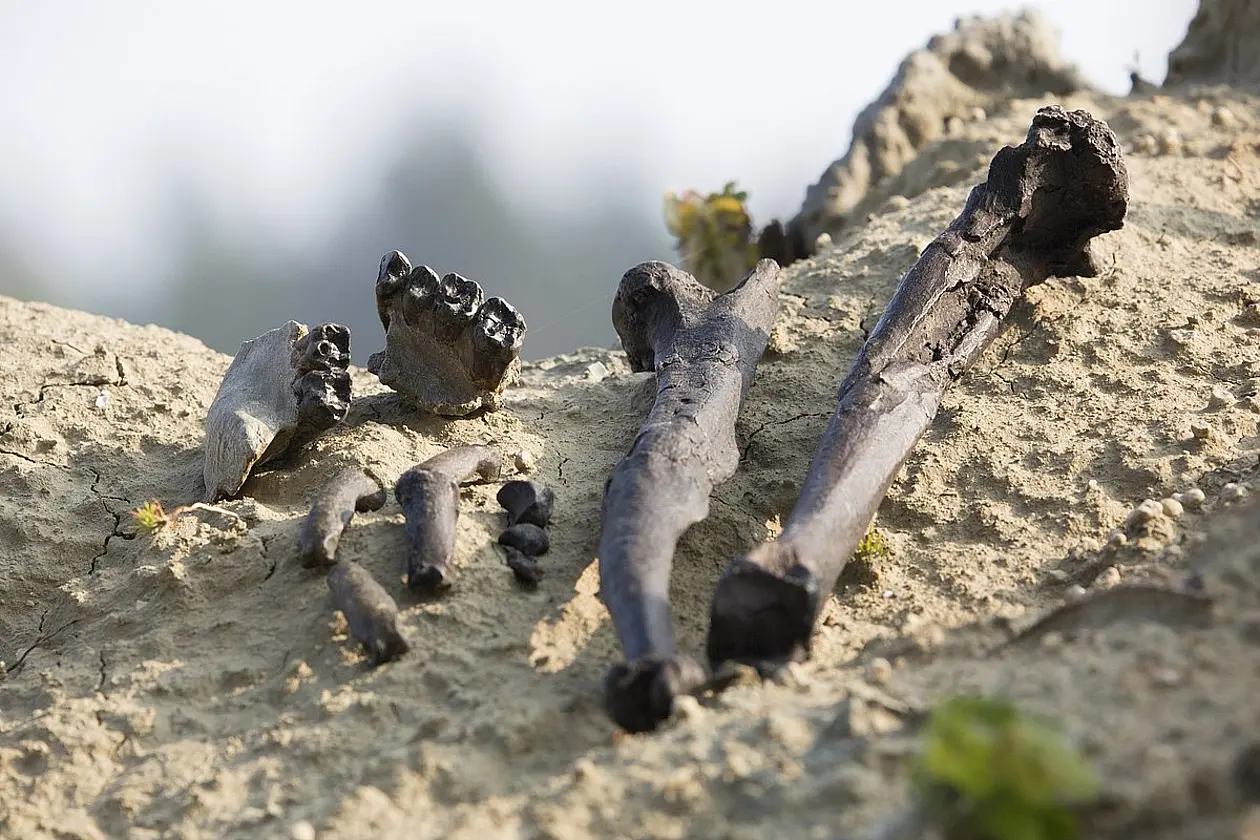
Danuvius guggenmosi, a 11.62 million year old fossil, is discovered by paleontologist Madelaine Böhme in southern Germany.
Danuvius was an ape that could probably walk upright, thus the find shifts the likely origin of upright walking from Africa to Europe and several million years back in evolutionary history.

2019
Ellen Reisinger succeeds in implanting a gene with the blueprint of the protein otoferlin into the inner ear of deaf mice. The result is that the mice are able to hear again – a big step in understanding congenital deafness.

October 1, 2022
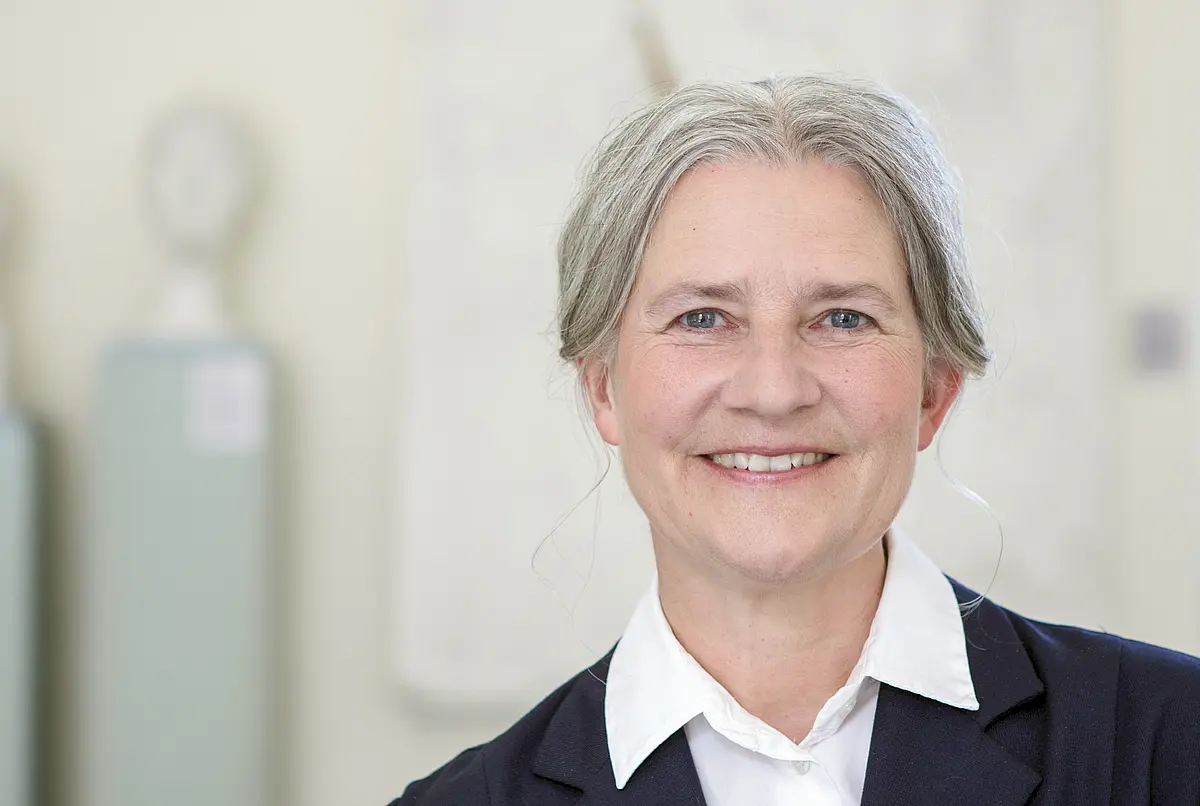
Karla Pollmann takes office as President. She is thus the first woman in the history of the University of Tübingen to hold this position.
2024
For his research into Parkinson's, Thomas Gasser receives the Breakthrough Prize. He and others discovered that mutations in certain hereditary factors increase the risk of Parkinson's.
May 22, 2025
The University of Tübingen receives approval for three new Clusters of Excellence and the three existing Clusters of Excellence at the University of Tübingen are reaffirmed and continued for an additional seven years.
February 10, 2026
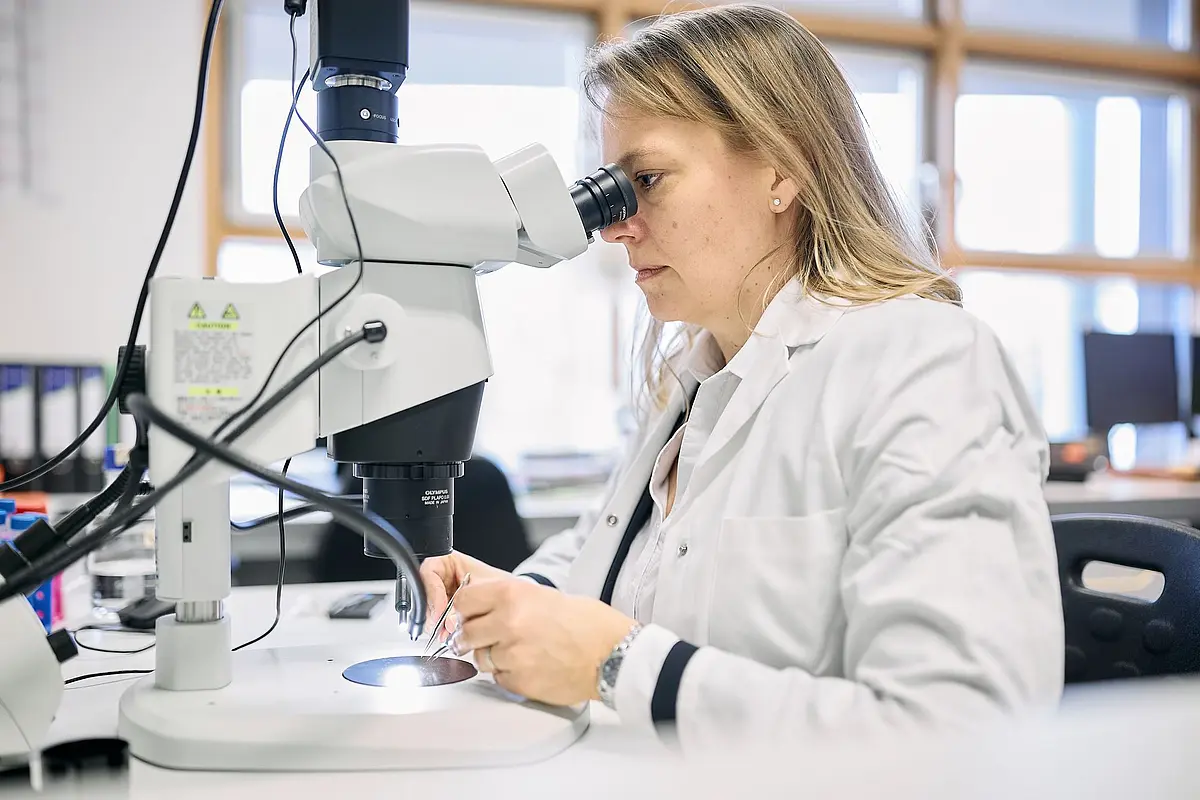
Katerina Harvati finds 430,000 year old wooden tool on the Peloppennese in Greece. This is the oldest wooden tool used by humans that has ever been found. It was used to dig in the sand and strip tree bark, among other things.
That same year, Harvati received the Albert Einstein World Award for Science.
March 11, 2026
Confirmation of the University of Tübingen's status as a university of excellence for another 7 years.
July 3, 2027
The University of Tübingen is celebrating its 550th anniversary with a campus festival.