Uni Tübingen

Magazine

29.09.2026

The Best Photos from 70 Years of ATTEMPTO!

The first issue of ATTEMPTO!, the University of Tübingen’s magazine, was published in 1953. Since then, ATTEMPTO! has been reporting on research projects, important events, and new ideas. Among its most influential editors-in-chief were Ralf Dahrendorf and Walter Jens. Since its relaunch in 2014, ATTEMPTO! has been published in color. We have compiled the most impressive photos from the past 70 years.
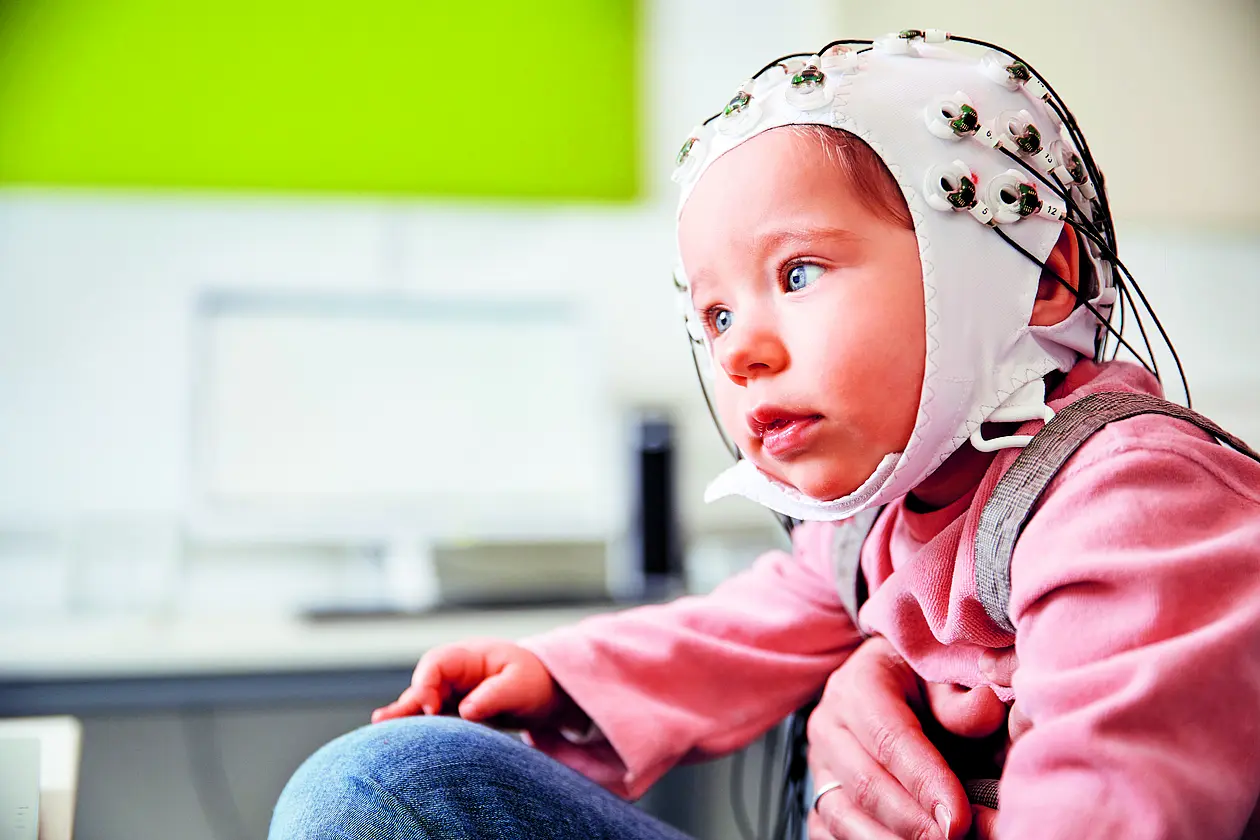
2016 - The Origins of Language

The cap on the baby’s head measures even slight differences in electrical voltage on the scalp. Depending on which image and word the child perceives, the voltage rises and falls. Ultimately, this produces an electroencephalogram (EEG), from which developmental psychologist Claudia Friedrich of the University of Tübingen deduces how “words enter the mind” – that is, how infants and children learn language. Although babies usually can't say more than one or two words by their first birthday, they can already recognize subtle differences in intonation and understand words their parents use frequently.
Flying high

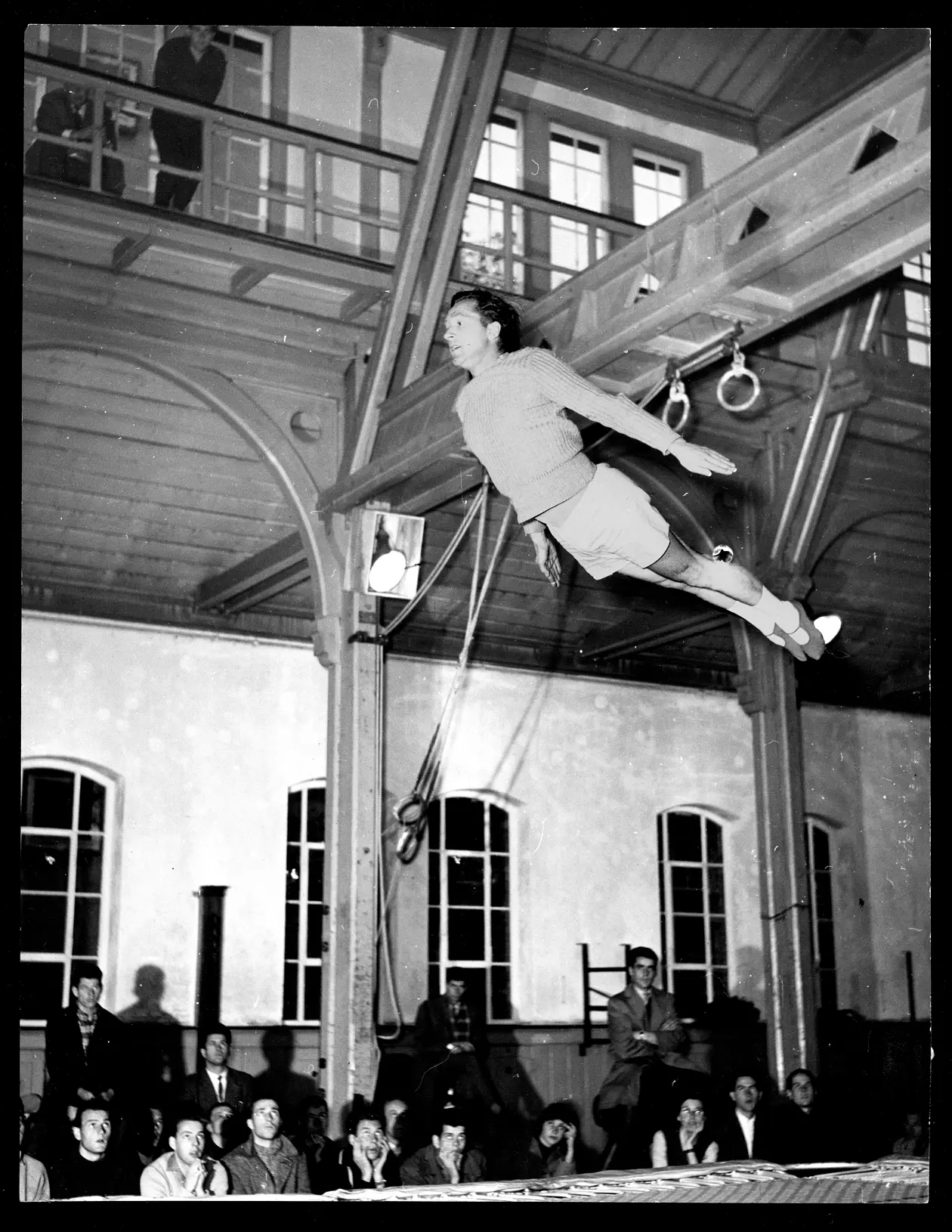
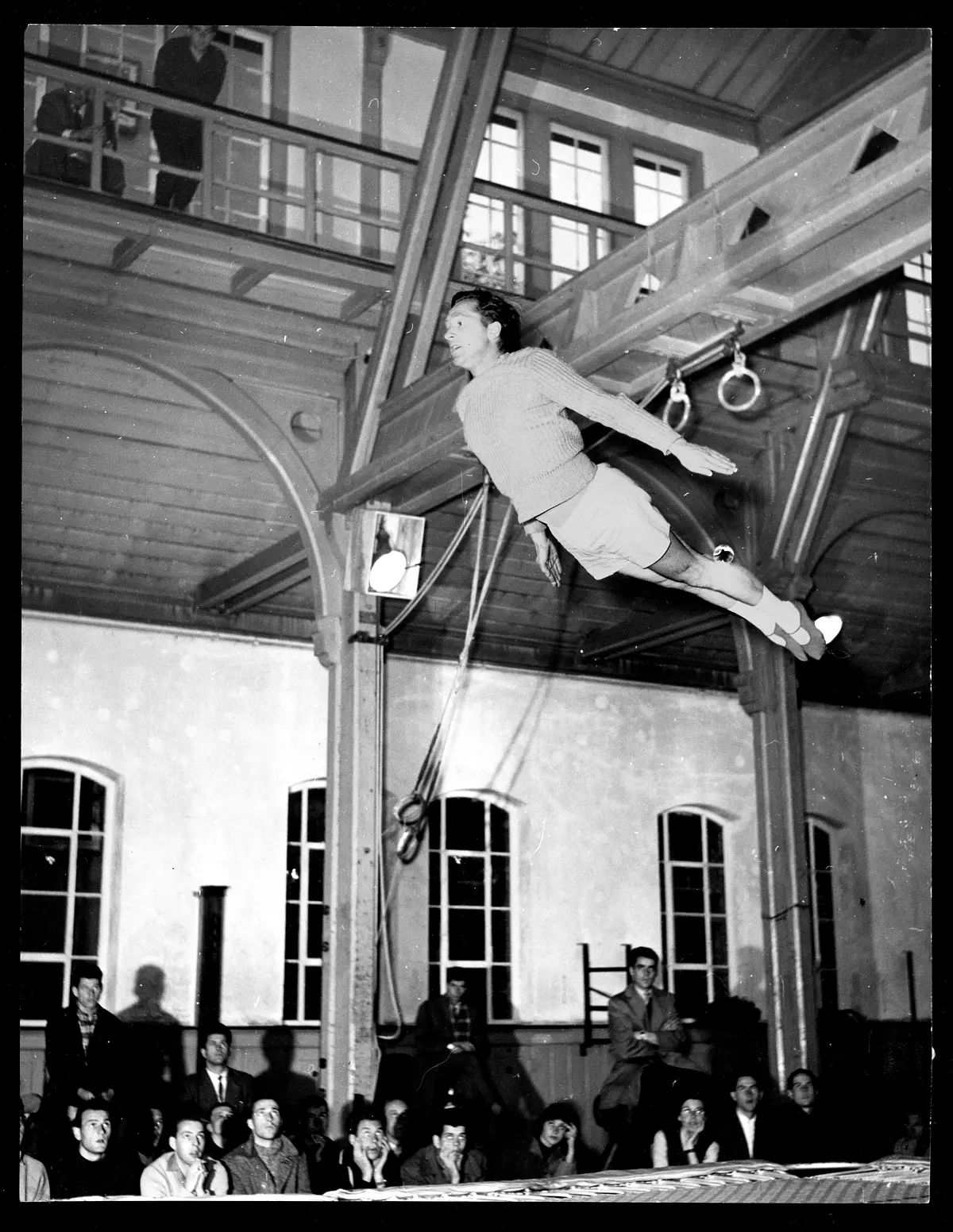
An athlete tests a new trampoline. Until then, there hadn’t been one in the University's old gymnasium, a building with oak beams supporting the rings and high bars. Physical education students watch the flying man in fascination. The photo was taken back in the 1950s but wasn’t published until 1973.


It´s all in the mix

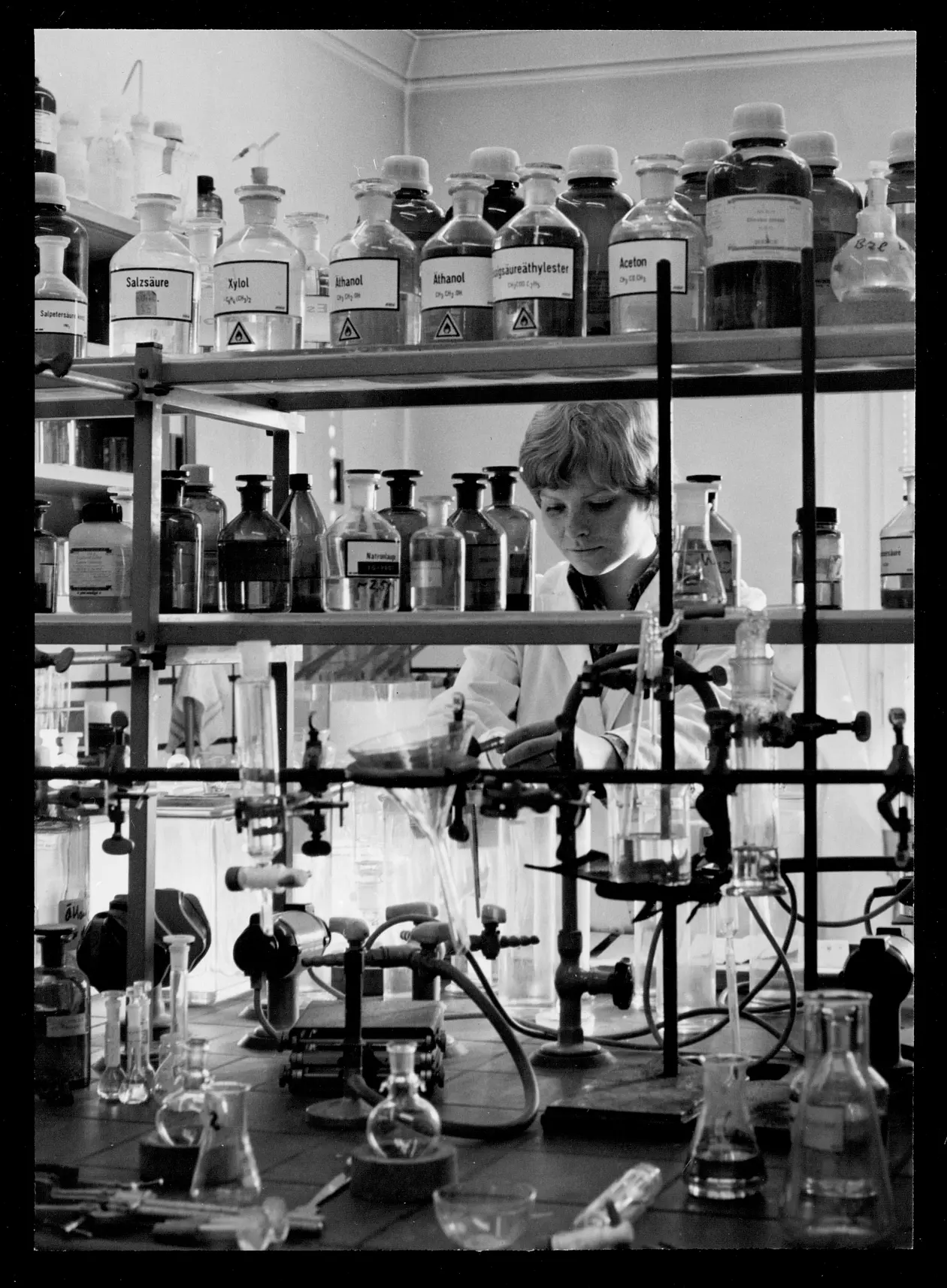
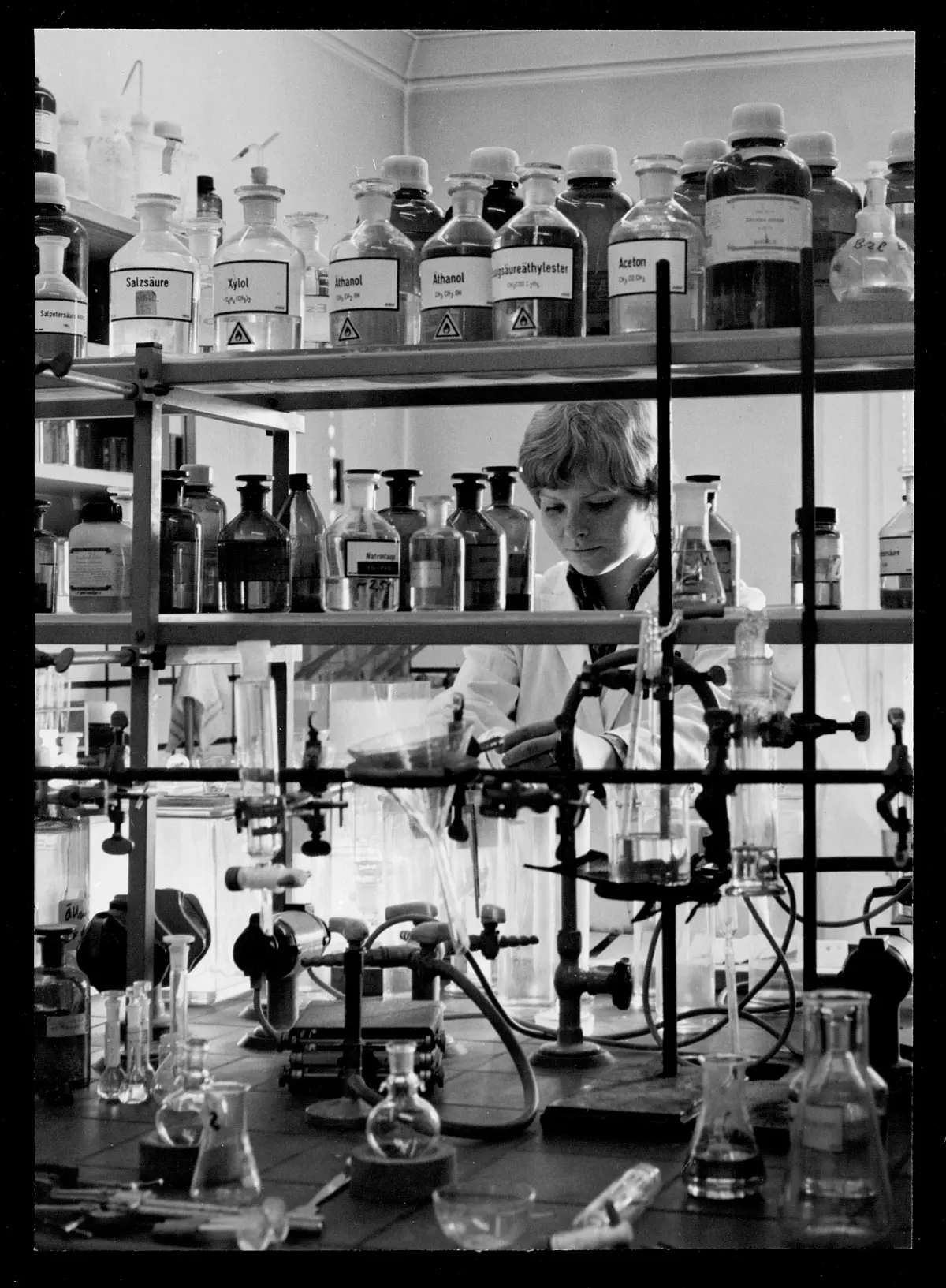
A new workstation has been added to the University chemical-toxicology laboratory. Vials of hydrochloric acid, acetone, and sodium hydroxide stand ready on shelves; behind them, a staff member demonstrates just how practical her new workspace is as she fills a container.


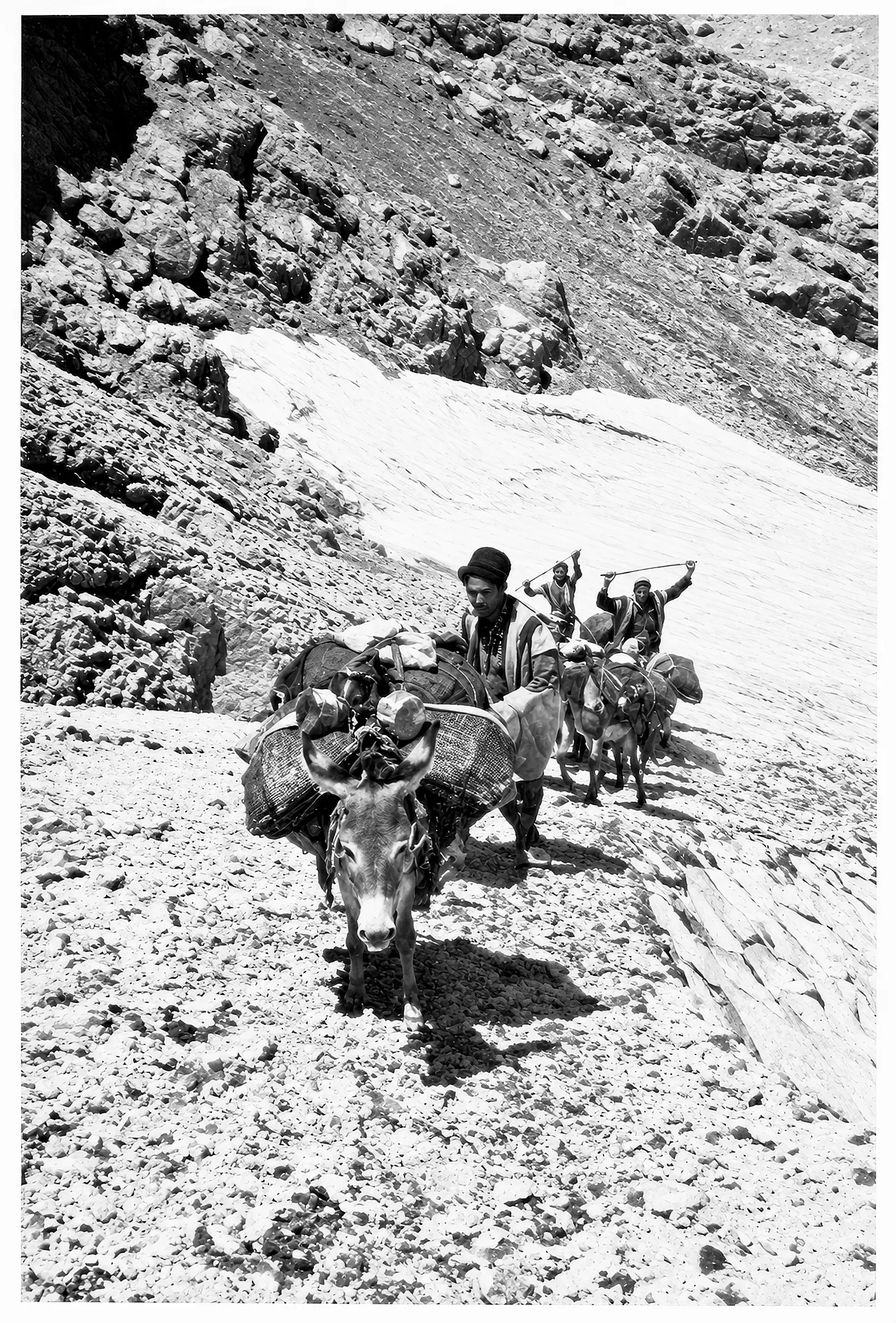
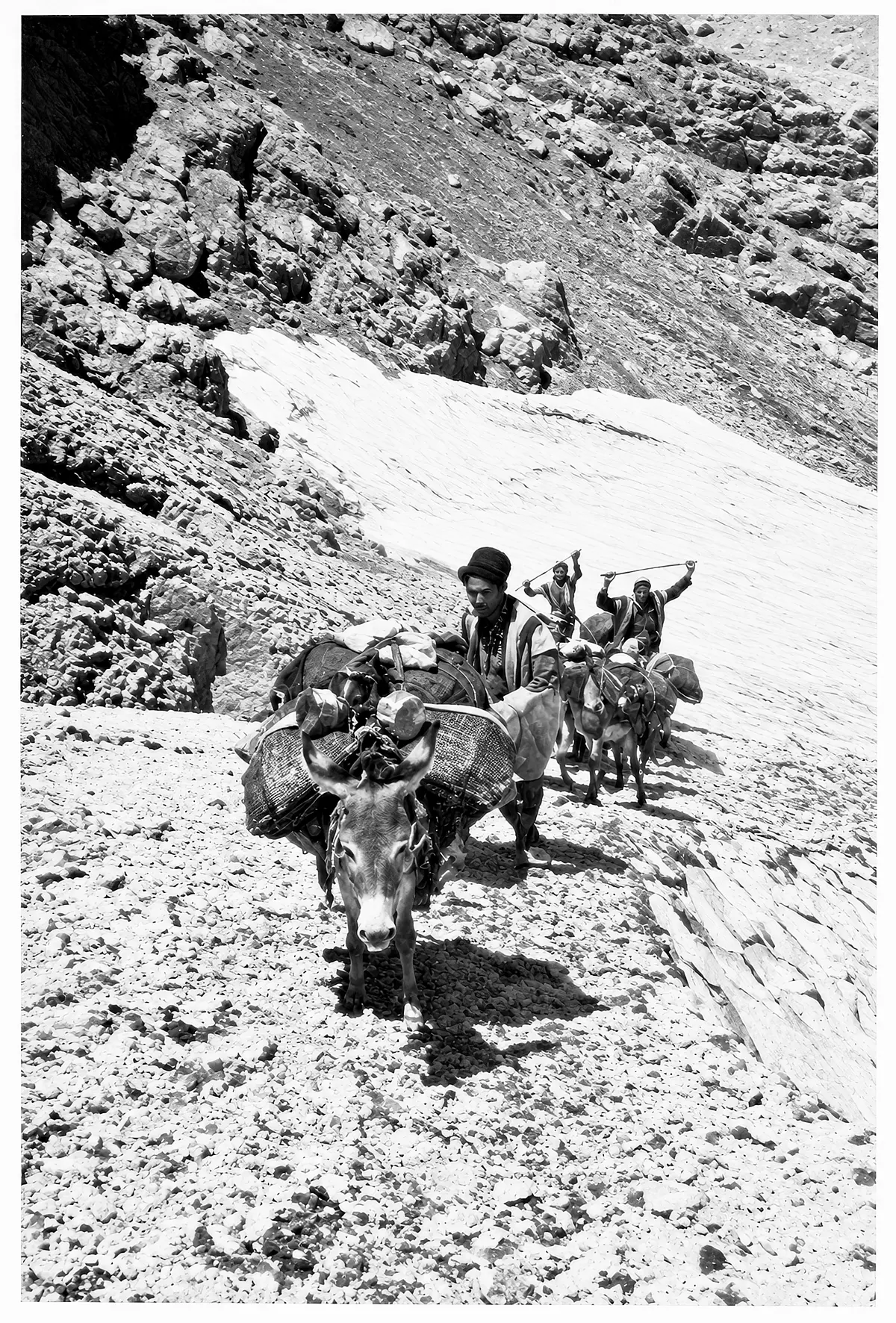
An expedition in the Zagros Mountains, Iran, 1972.


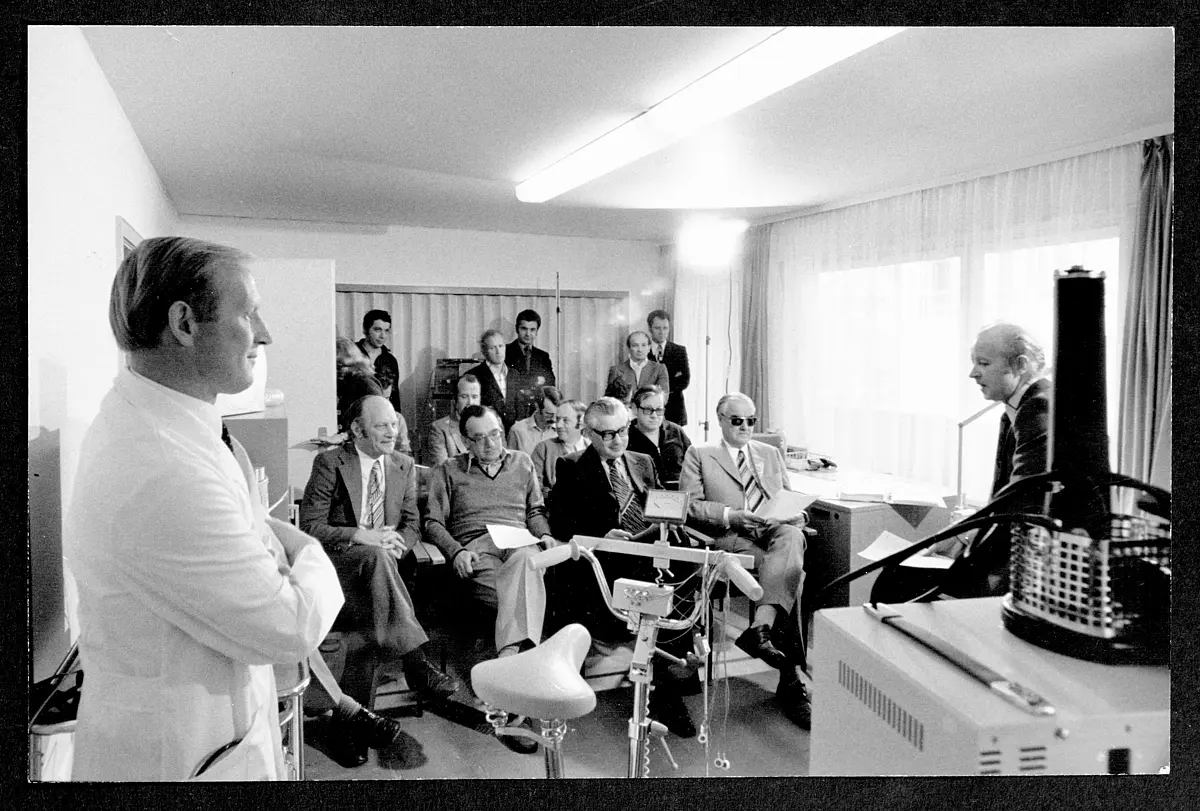
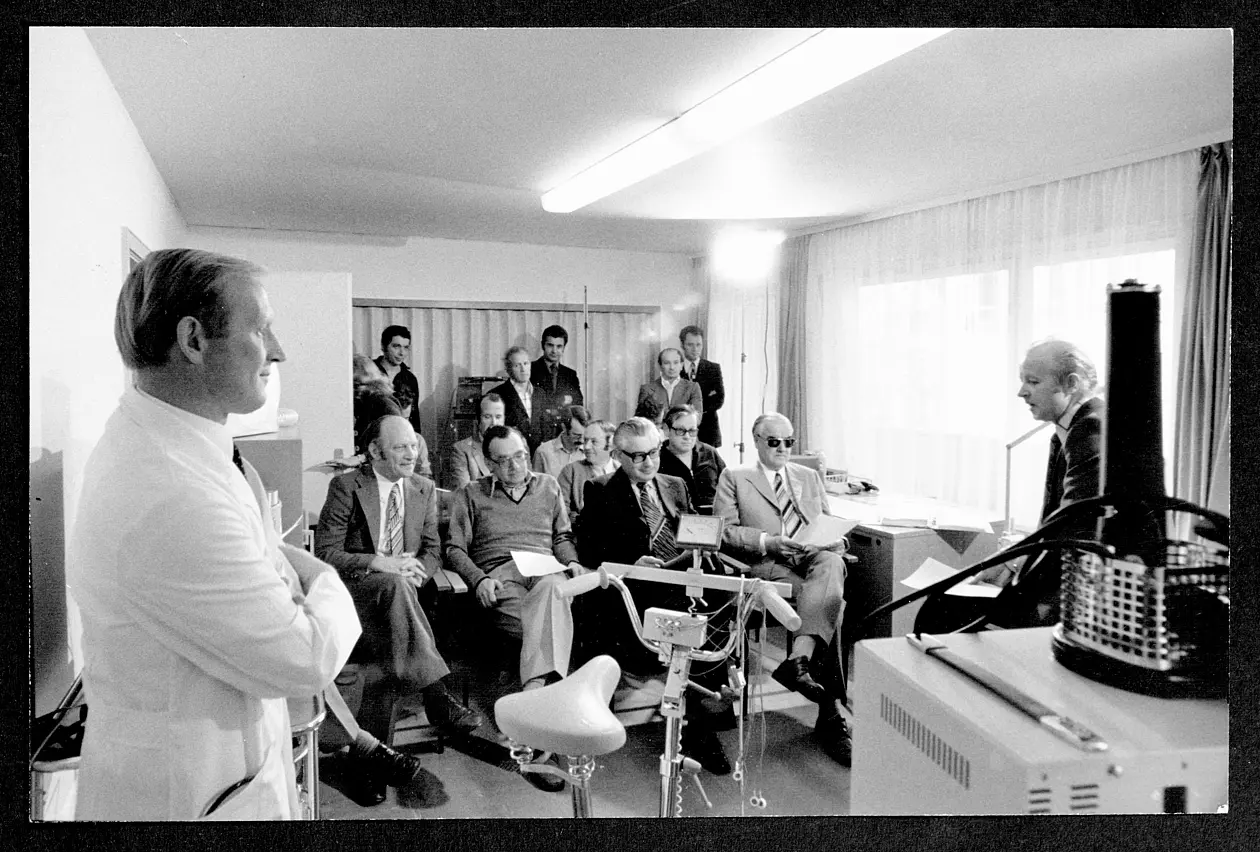
A group of men joins Professor Ommo Grupe at the opening of the sports medicine examination center at the Institute of Sports Science …


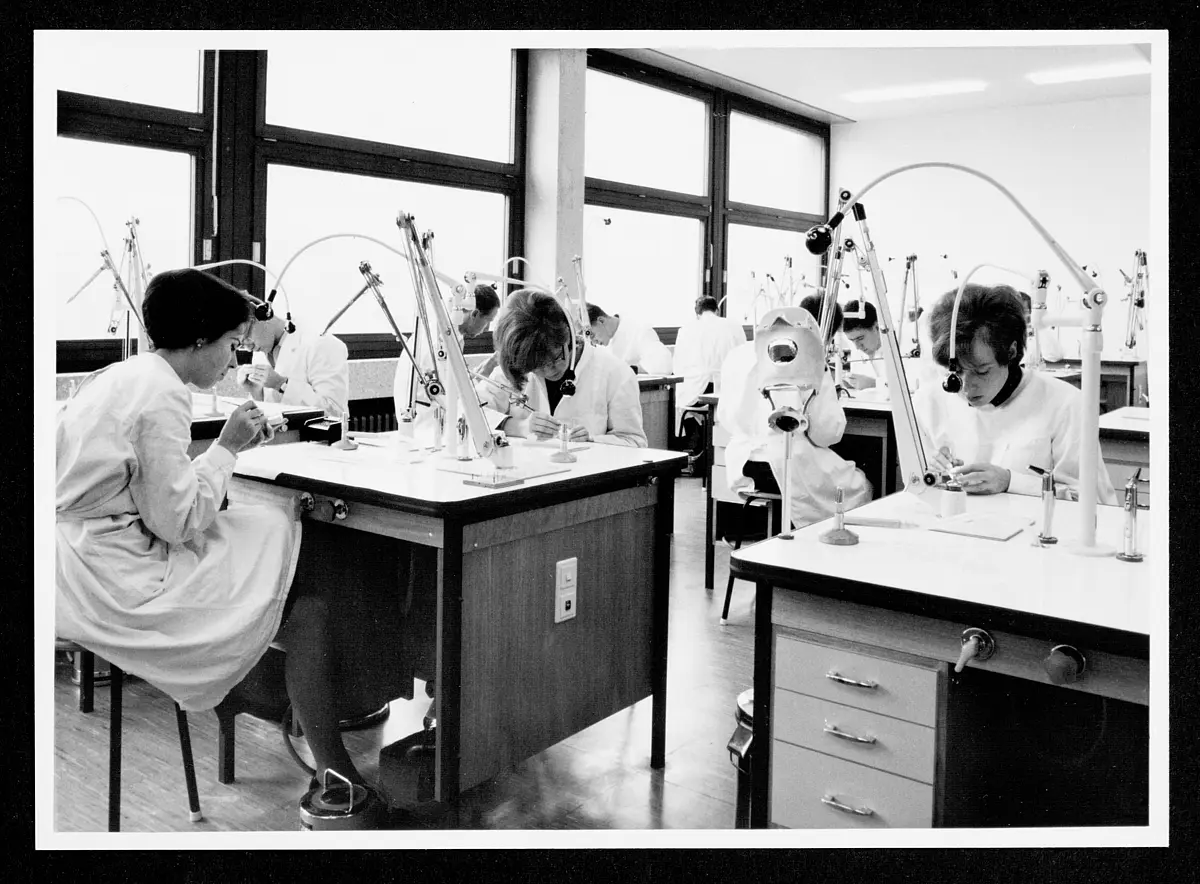
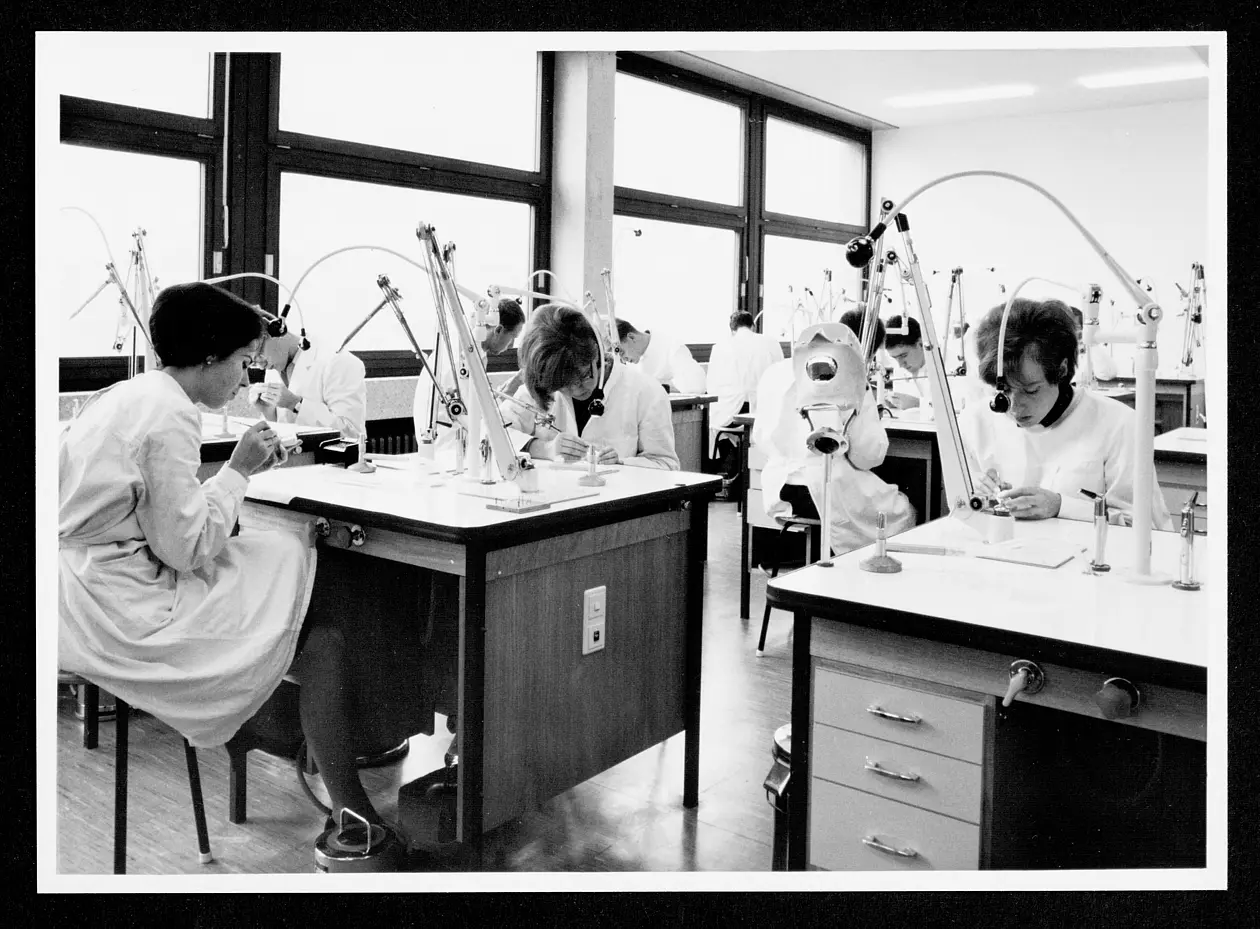
…while a course in simulated dental conservation is attended mainly by women.


The annual punt race on the Neckar has been a major spectacle in Tübingen for decades.


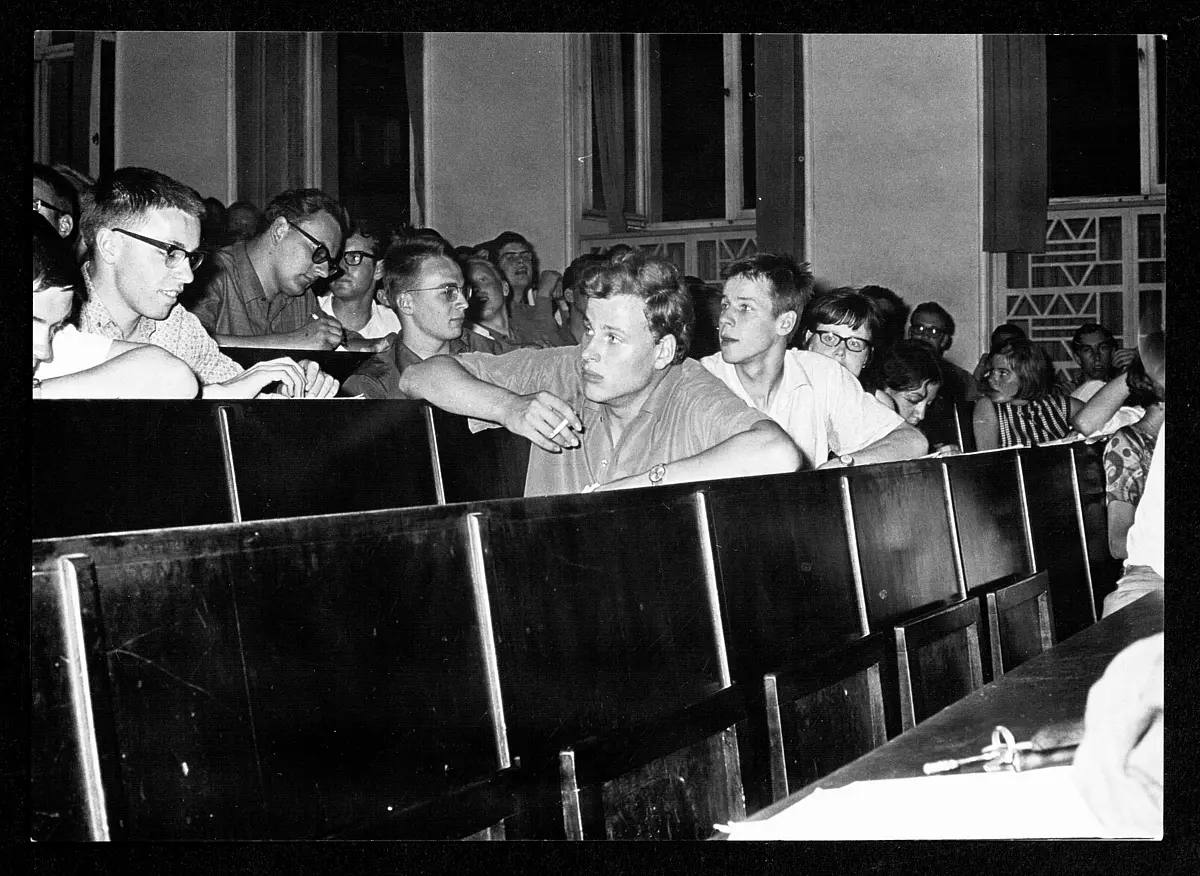
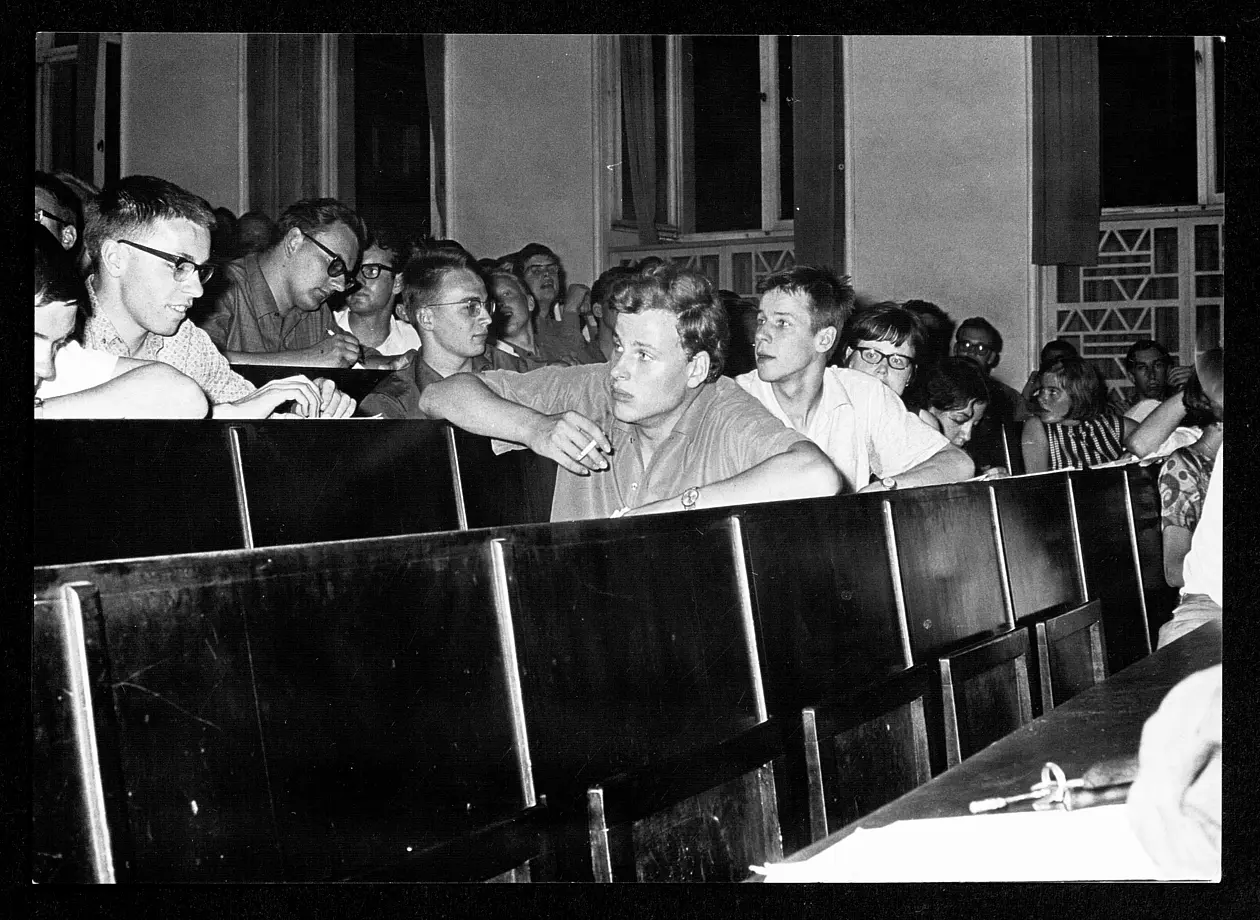
Back when smoking was allowed at the Student General Assembly in the Audimax.


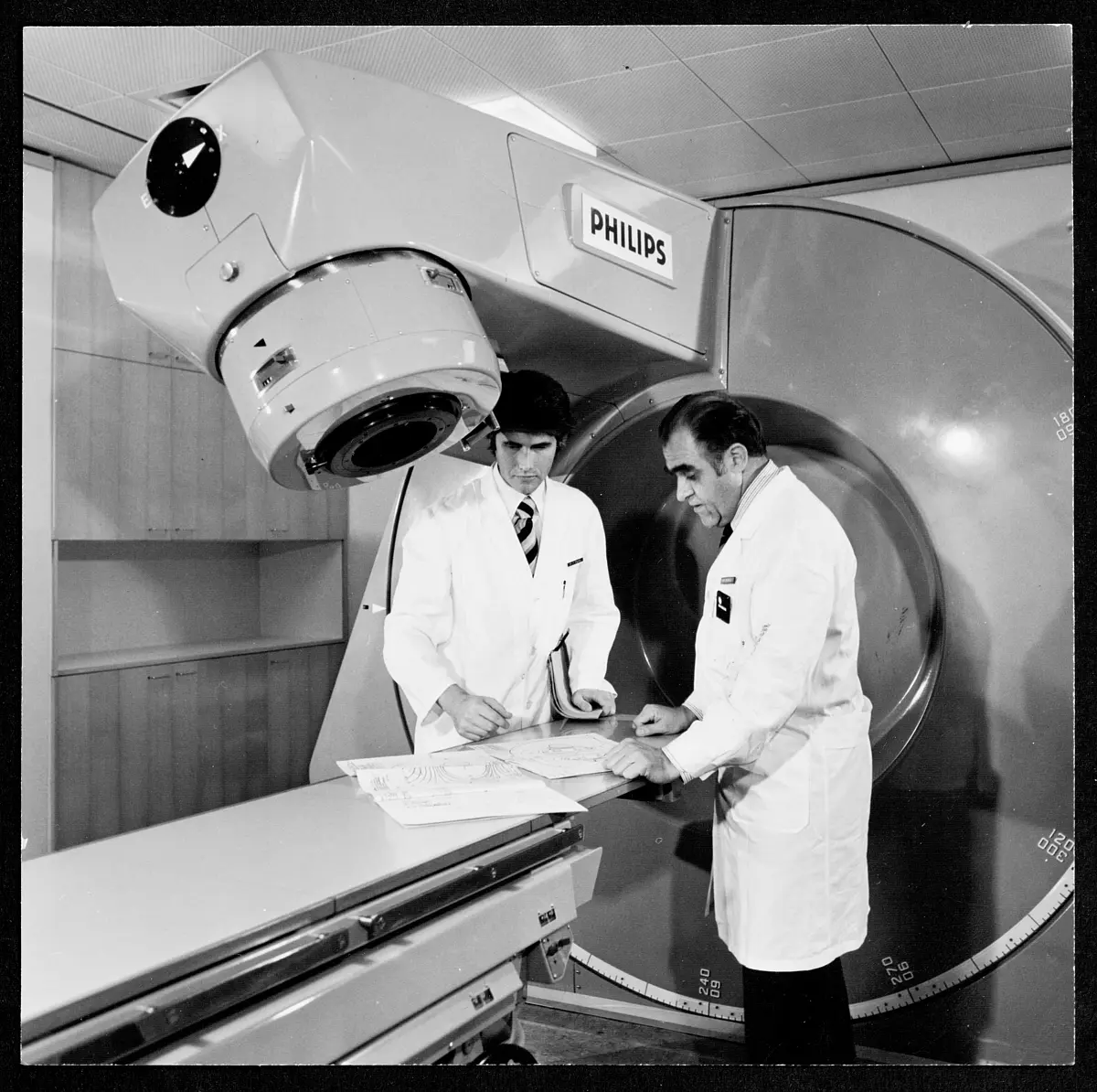
Linear accelerator with Prof. Walter Frommhold


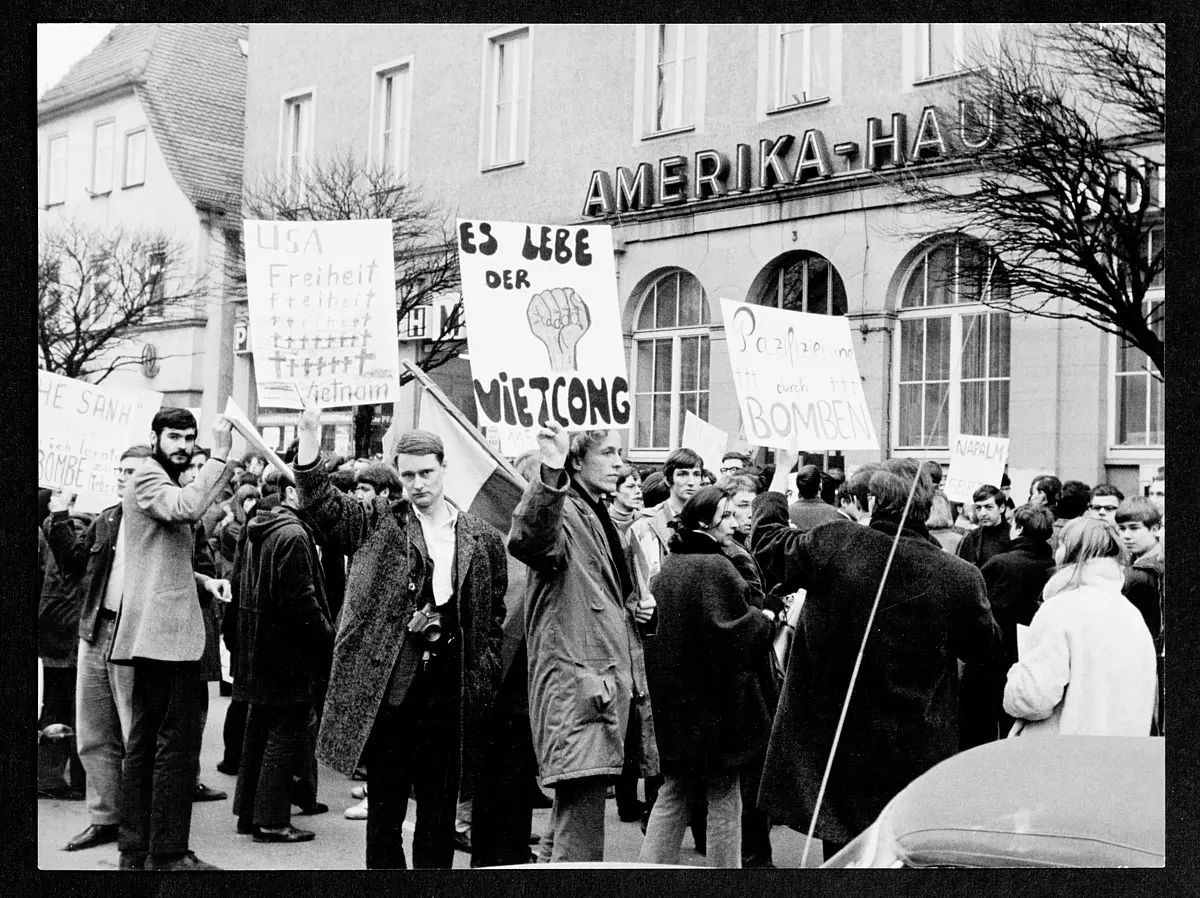
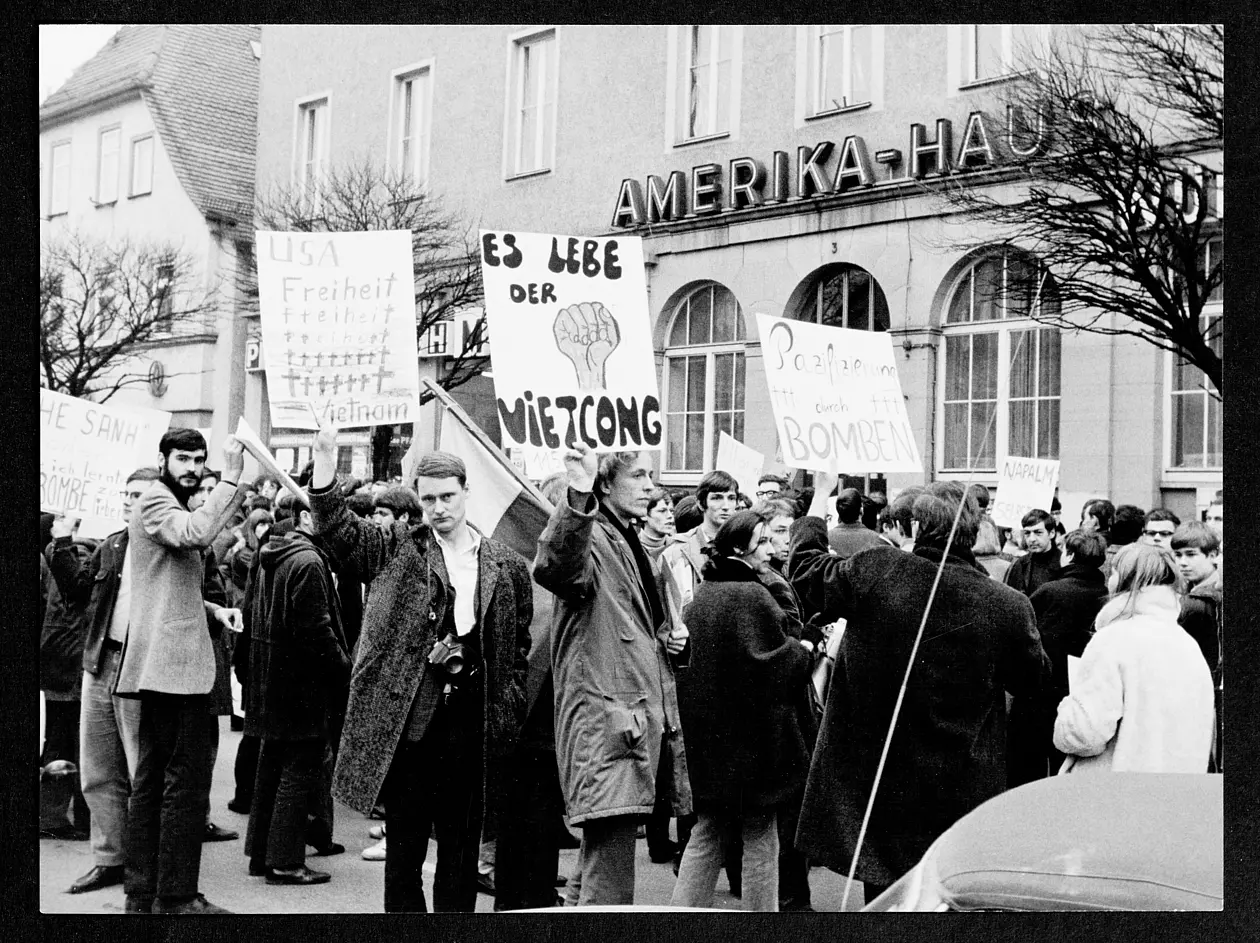
Demonstration in front of the Amerikahaus in the 60s. The slogans sound familiar; only the place names have changed.


Study Aid

Studying can be exhausting – or, at times, enjoyable. For generations, the Neckar River and its banks have made things just a little bit easier for students.


Master of Public Speaking

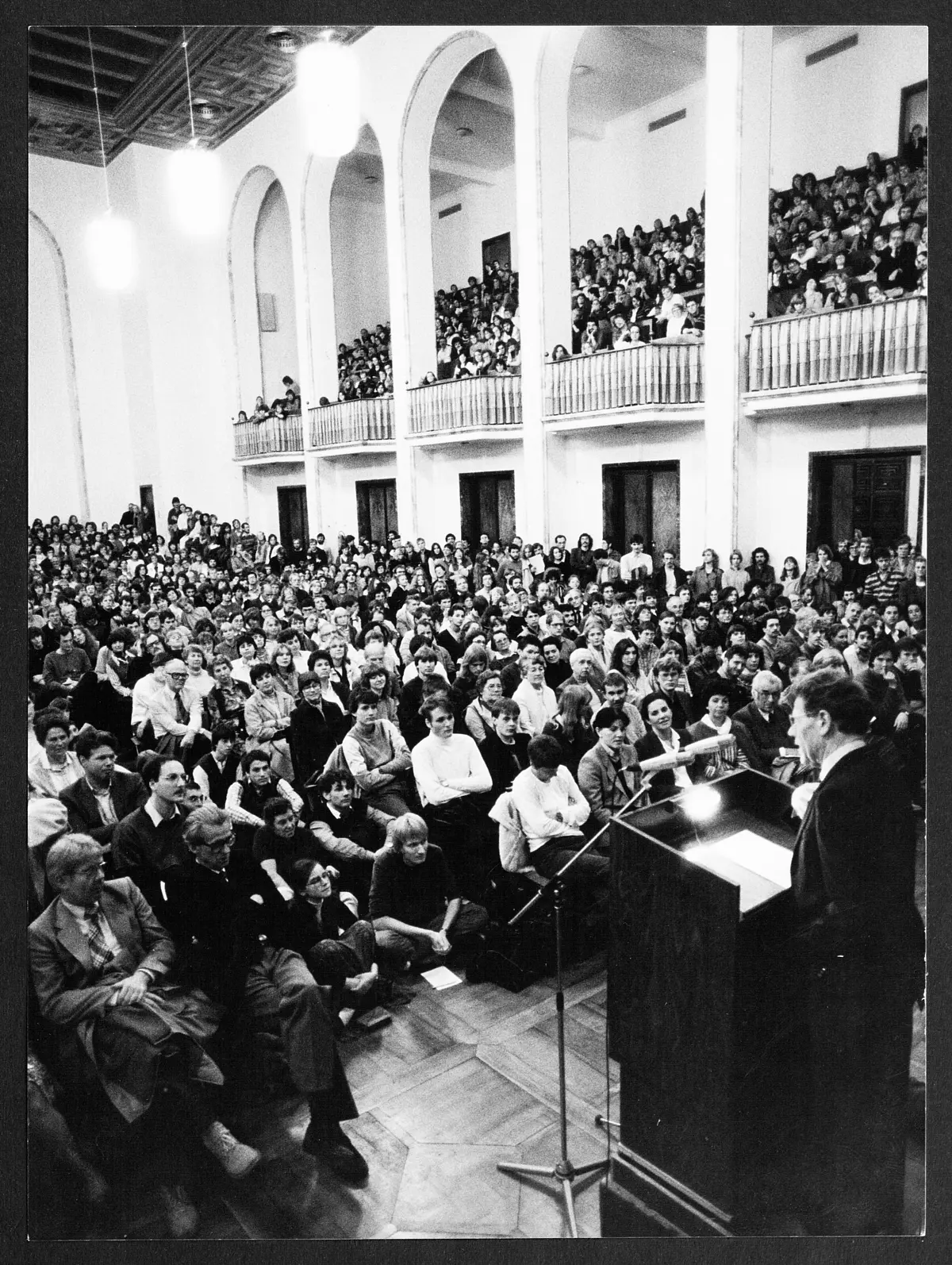
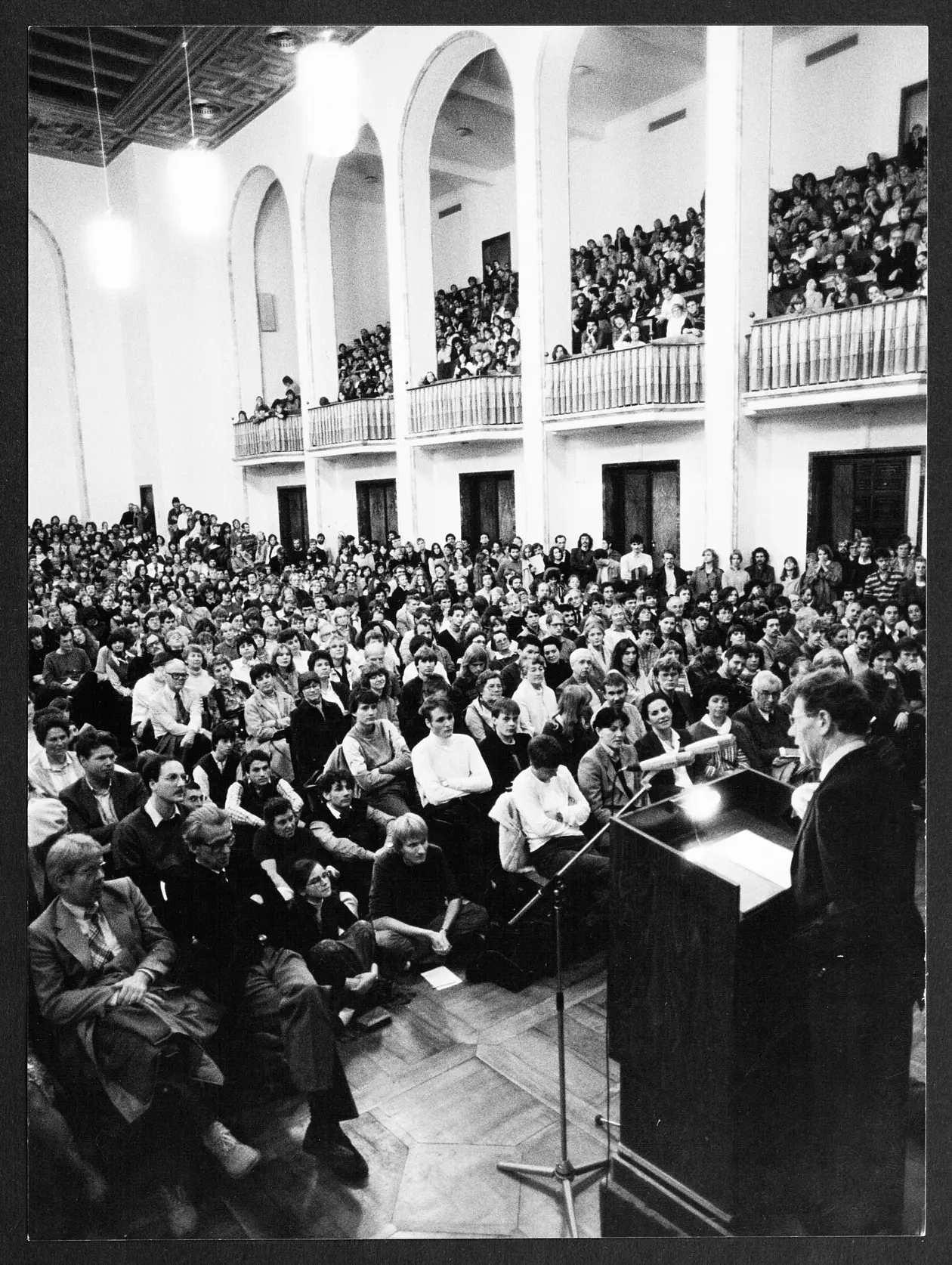
During the winter semester of 1984–85, the lecture series “Religious Works of World Literature” drew students from all faculties to the auditorium. The Catholic theologian and church critic Hans Küng took turns lecturing with the classical philologist and writer Walter Jens – both scholars who were renowned far beyond Tübingen as captivating speakers.


2015 - The Career of a Theology Student

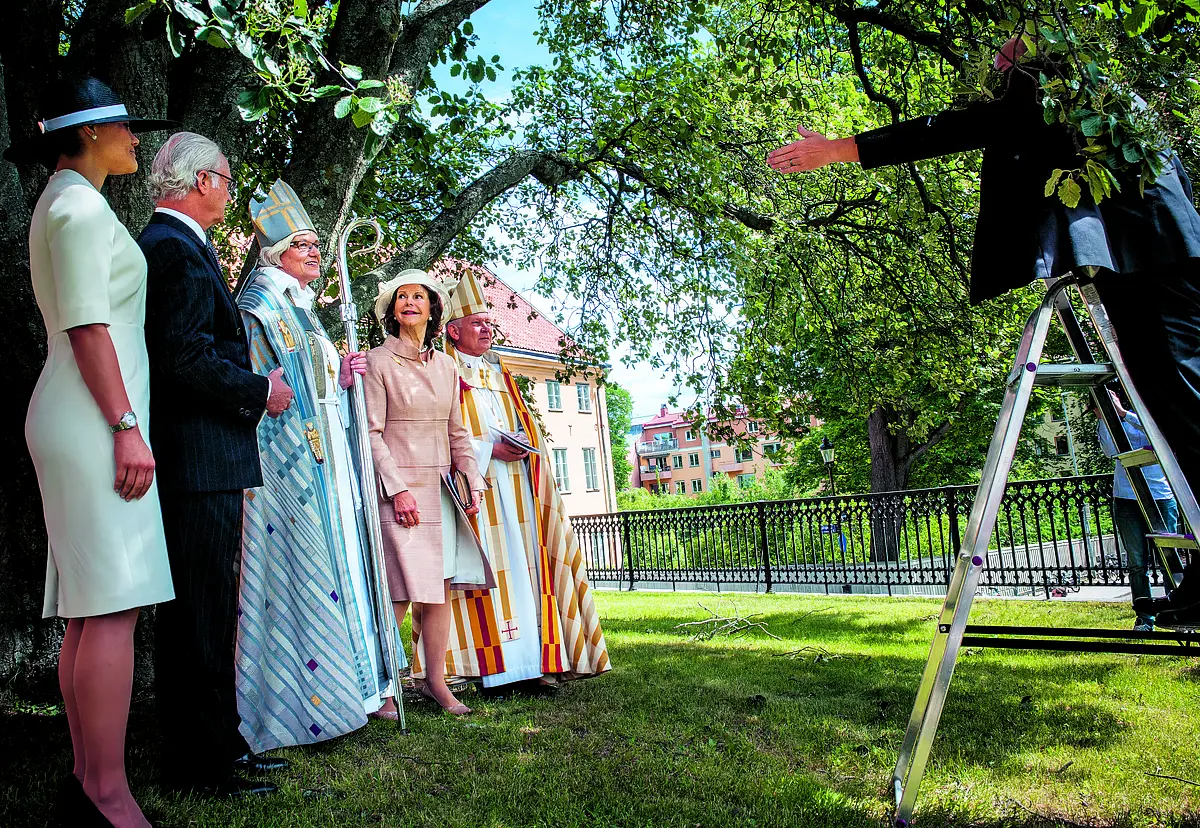
Sweden’s newly appointed archbishop, Antje Jackelén, and members of the Swedish royal family at a photoshoot. Jackelén studied Protestant theology in Tübingen, then moved to Sweden on a scholarship and was ordained as a pastor there in 1980. Jackelén, who was born in Westphalia, wasn’t surprised by the appointment: “In the church, baptism counts for more than a passport.”


2023 - The Glass Tumor

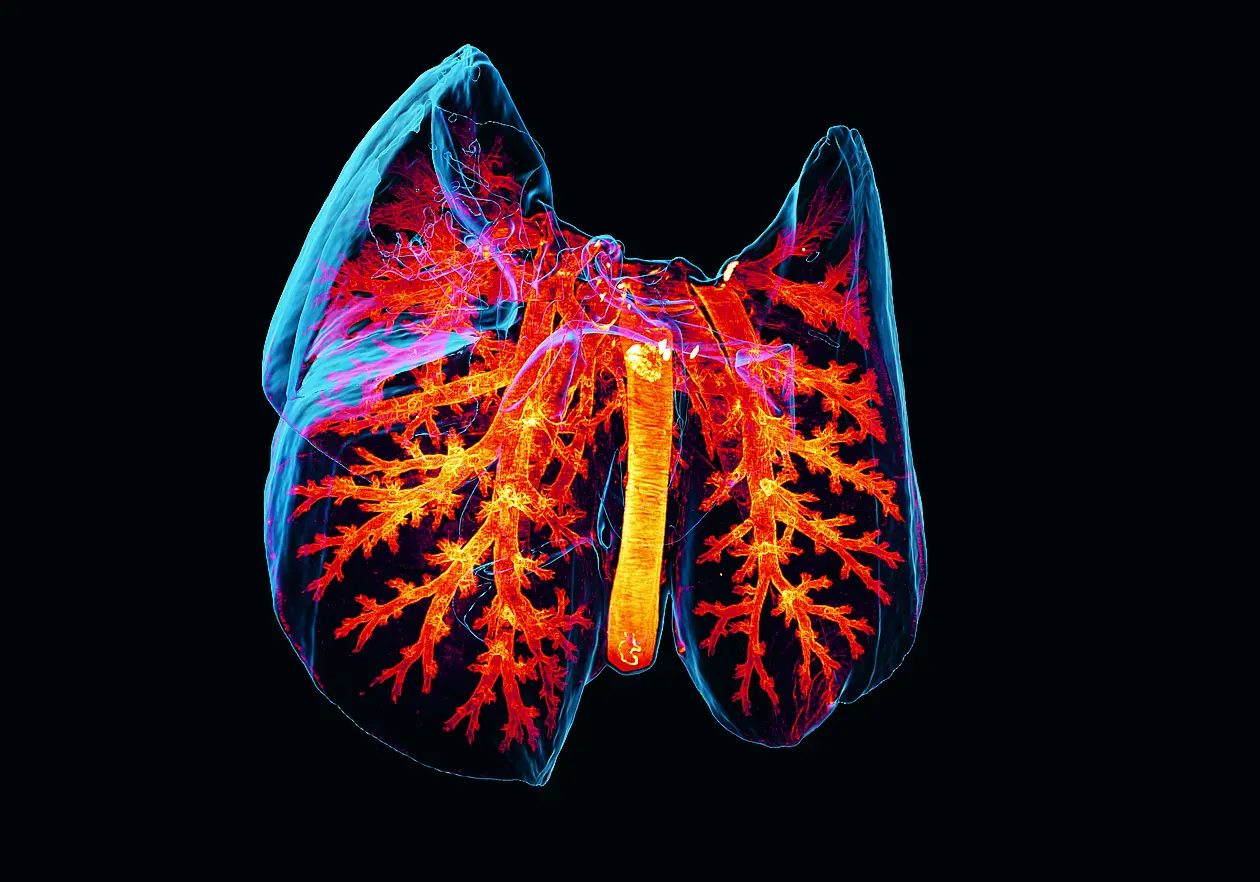
This mouse lung looks mysteriously beautiful – yet it is afflicted by an ulcer, the lightcolored nodule in the middle lobe. The image was taken by cell biologist Bettina Weigelin from the iFIT Cluster of Excellence. In a technique known as light-sheet microscopy, reflective fats, dyes, and proteins are extracted from the mouse lung tissue using chemicals, and the organs are then illuminated. The image shows individual cells that have survived a treatment. The treatment can then be optimized. This can prevent the cancer from returning in the long term – first in mice, then in humans.


2022 - Mirror, Mirror in the Lab

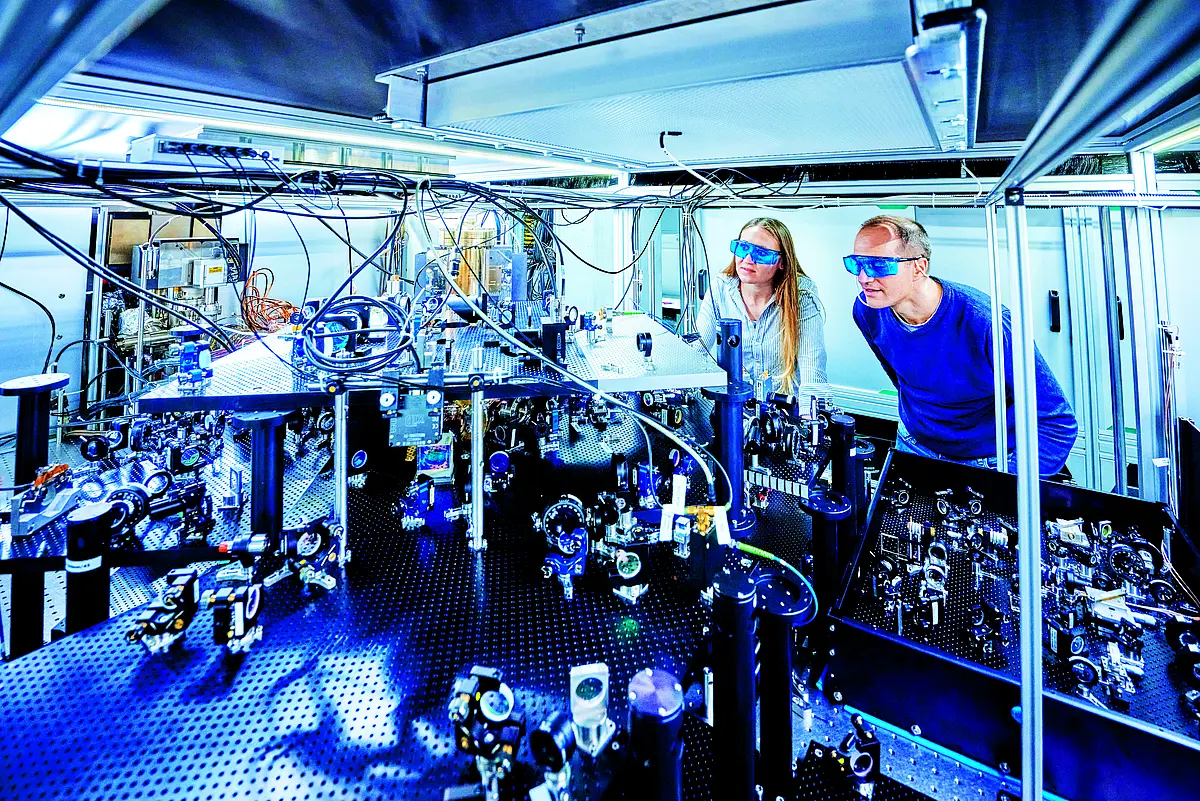
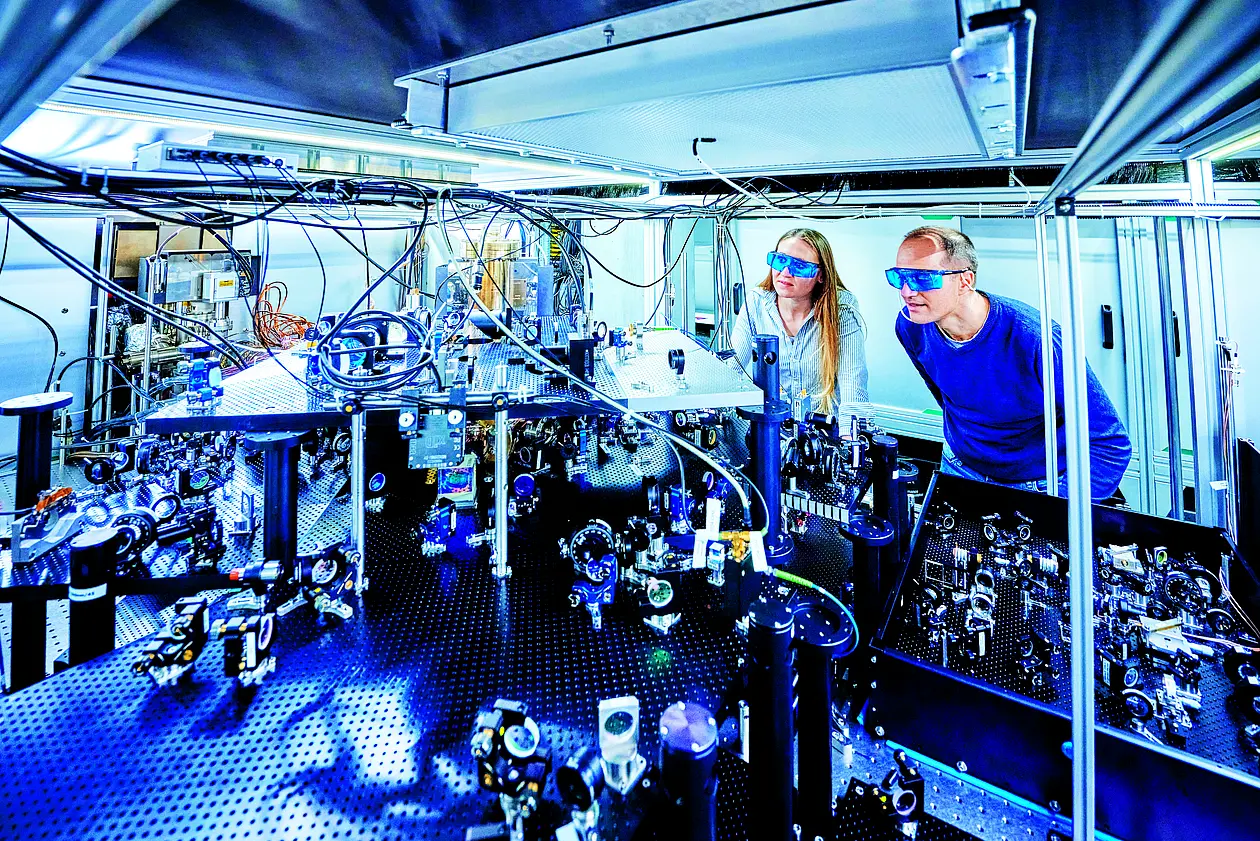
Mirrors in this apparatus are arranged so skillfully that they reflect infrared light from three lasers and generate a complex light field. Christian Groß (right), a professor at the Institute of Physics at the University of Tübingen, then studies the interactions of individual lithium atoms in this light field and gains insights that could be important, for example, for the design of quantum computers. To maintain a stable environment for his measurements, he must generate temperatures of a few billionths of a degree above absolute zero, which is minus 273.15 degrees celsius.


2016 - Learning from Bacteria

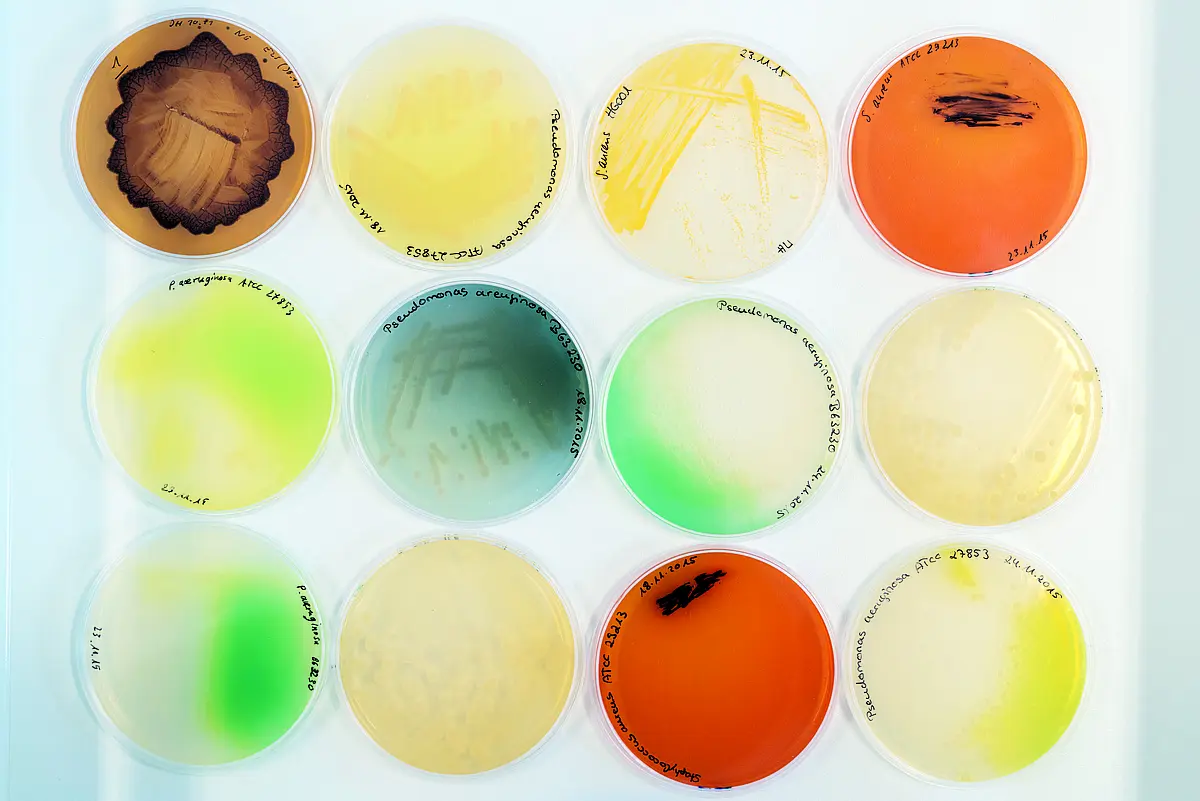
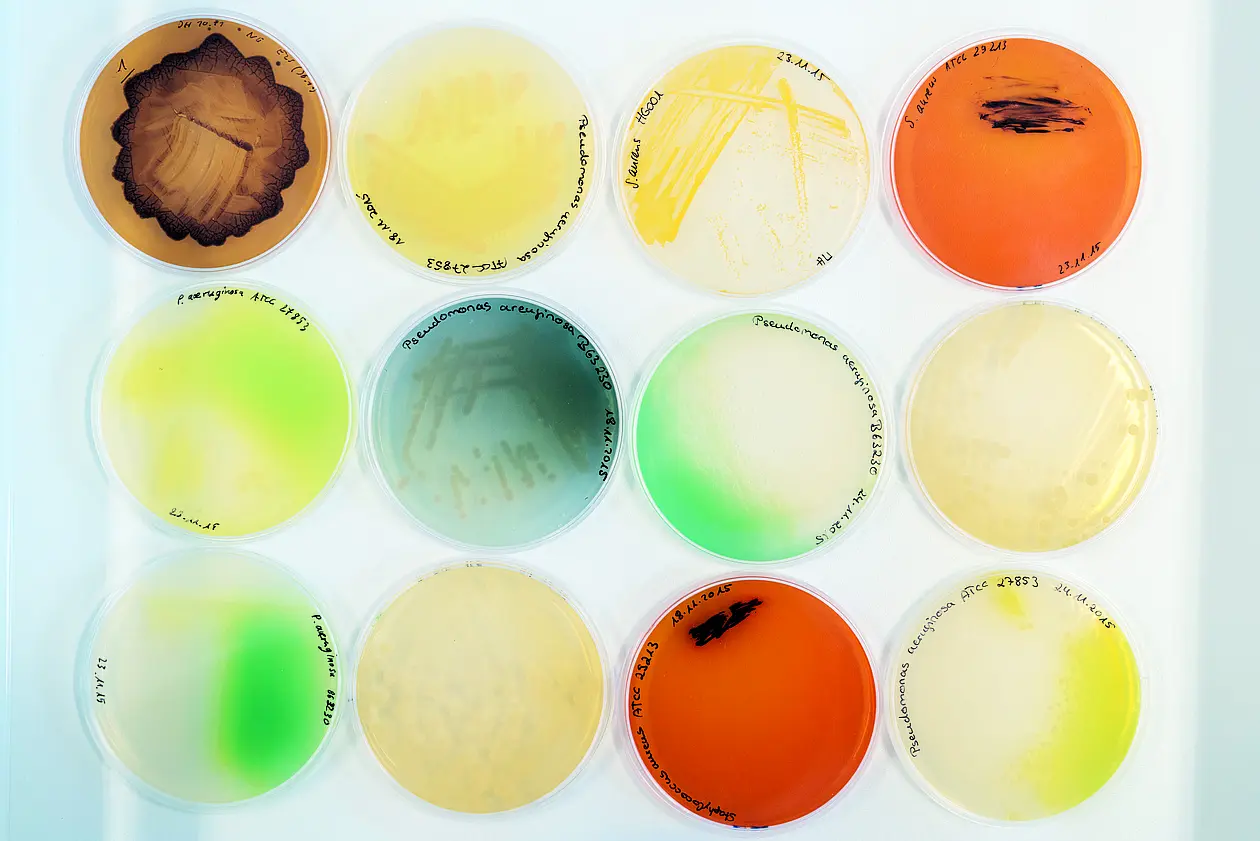
Each colour in these Petri dishes represents a different strain of bacteria. The vibrant display of colours is actually a good sign: diversity increases the chances of discovering new antibacterial agents. They just need to be found in nature. That’s because they arise primarily when bacteria or fungi defend themselves against other microorganisms. Humans simply need to better understand how they work. The CMFI Cluster of Excellence, “Controlling Microbes to Fight Infections,” has set itself this task. Researchers are searching for new active compounds right in the soil, in strains already identified in this colourful collection or in bacterial strains that live on and inside our bodies.


2024 - Every Letter counts

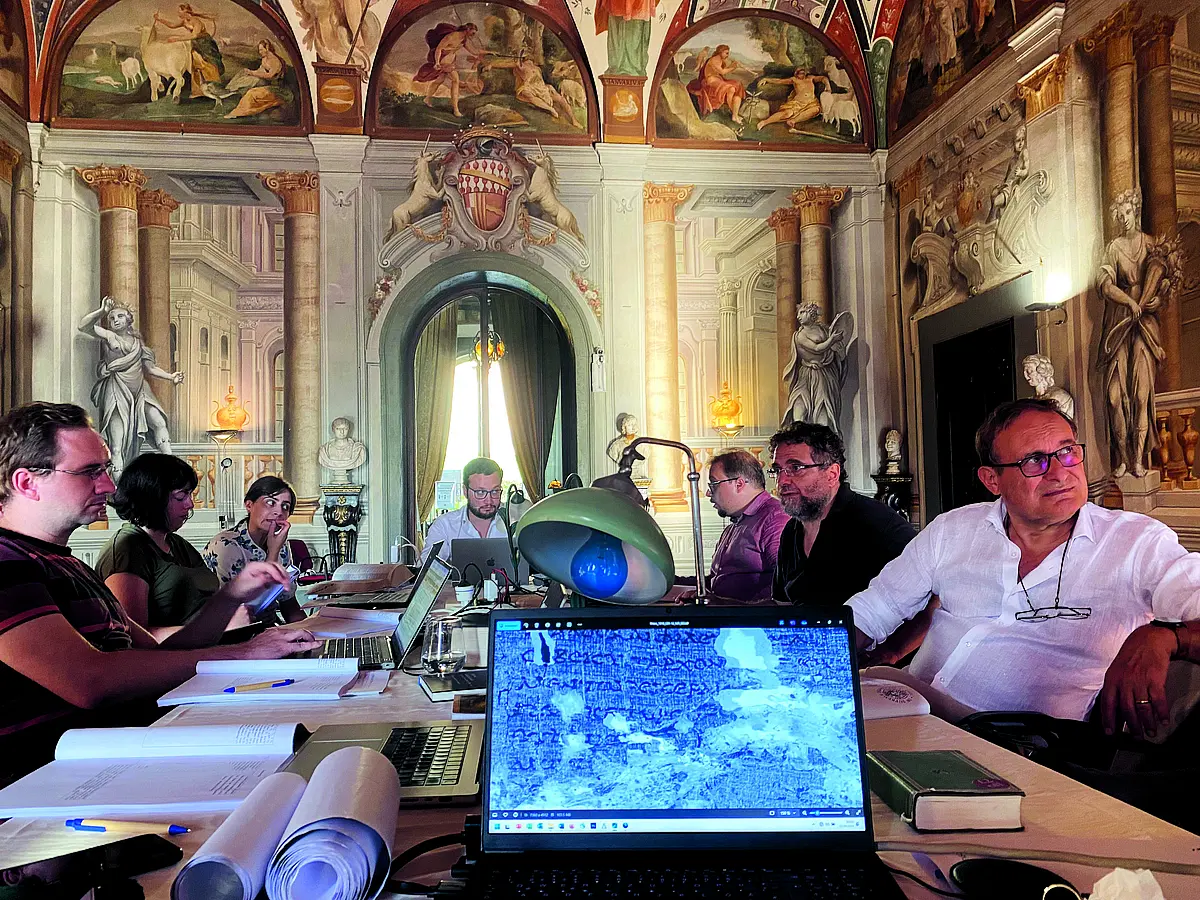
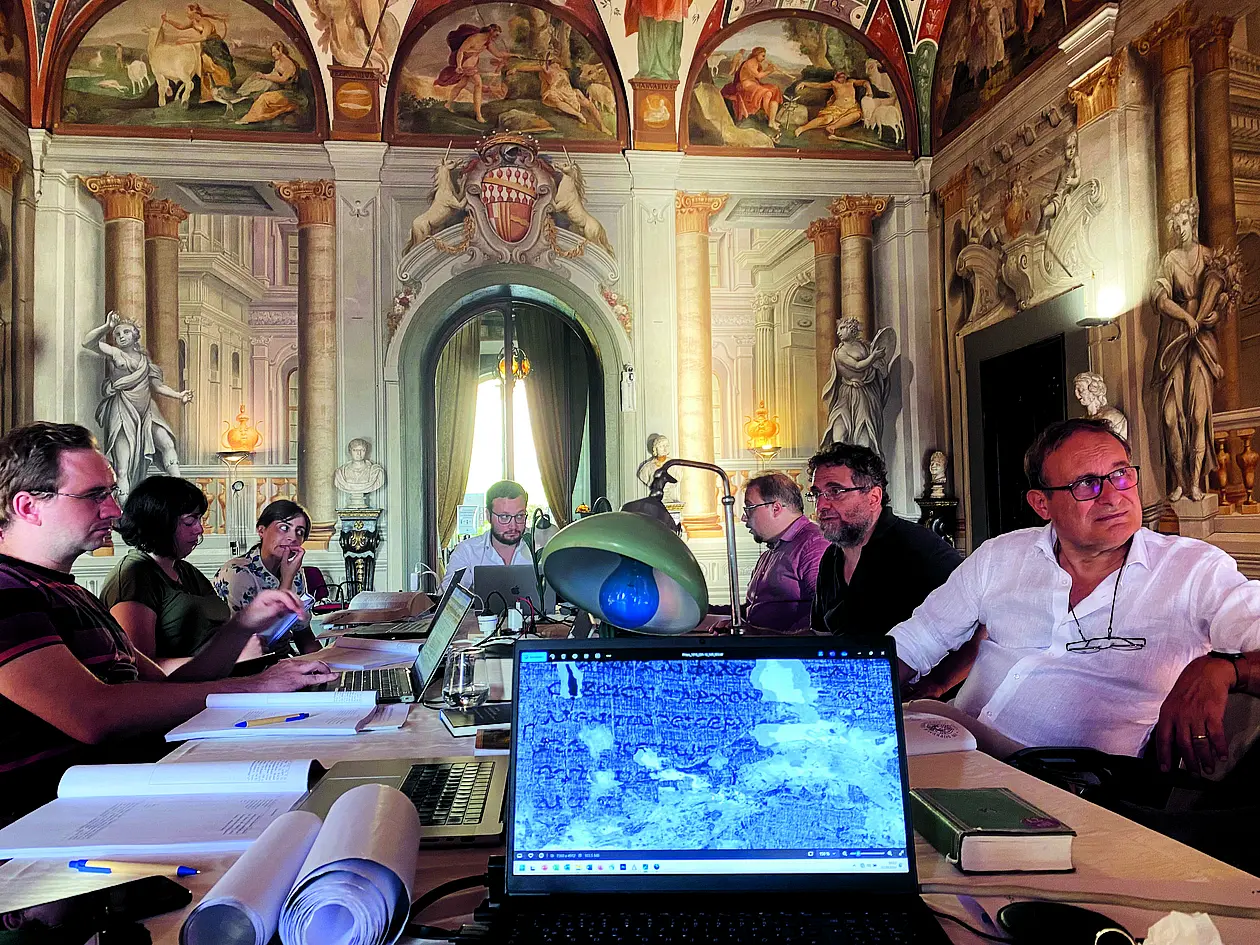
A text fragment written in ancient Greek letters – scanned and displayed on a screen – presents a challenge to a group of Greek scholars. The gaps in Epicurus’ papyrus scroll need to be interpreted. The exchange with colleagues from different countries and the atmosphere at this seminar in Pisa are helpful. An expert briefly stepped away from his seat to take this photo: Kilian Fleischer, a papyrologist from Tübingen. In addition to his own expertise, Kilian Fleischer also uses AI to decipher charred papyrus scrolls.


2023 - Digitally Immortal

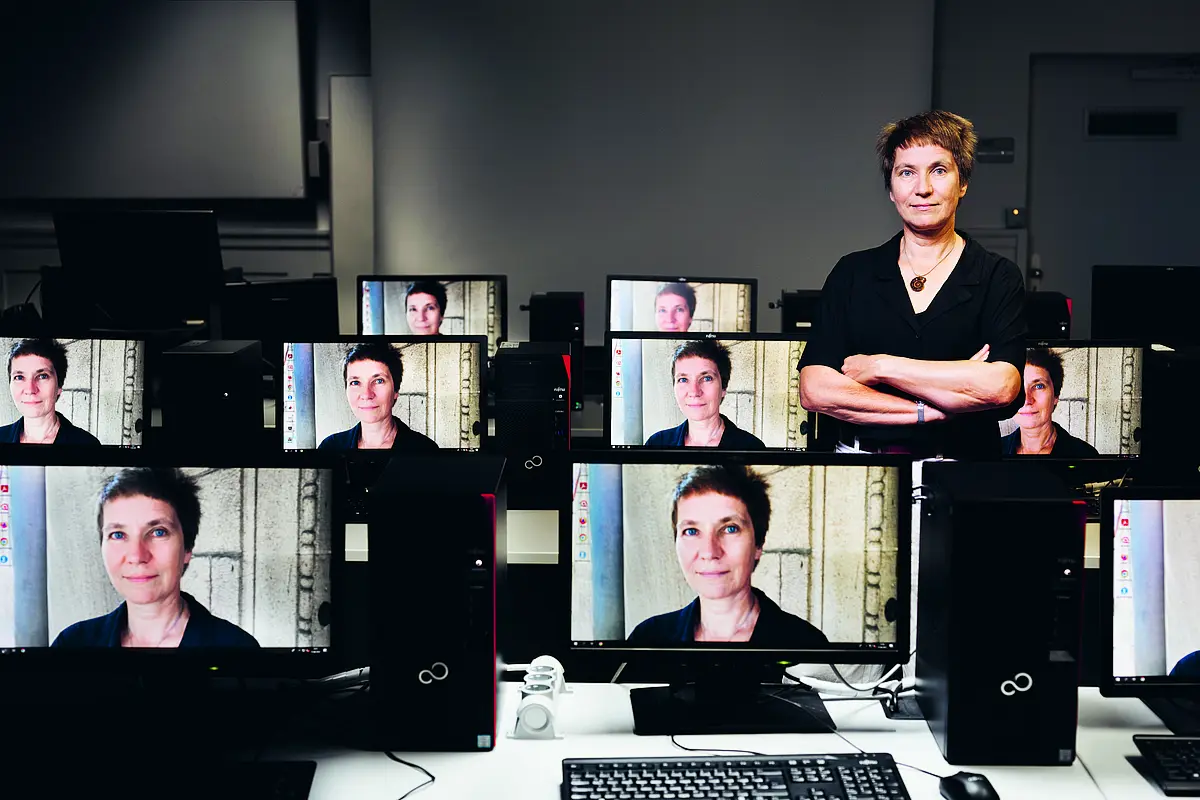
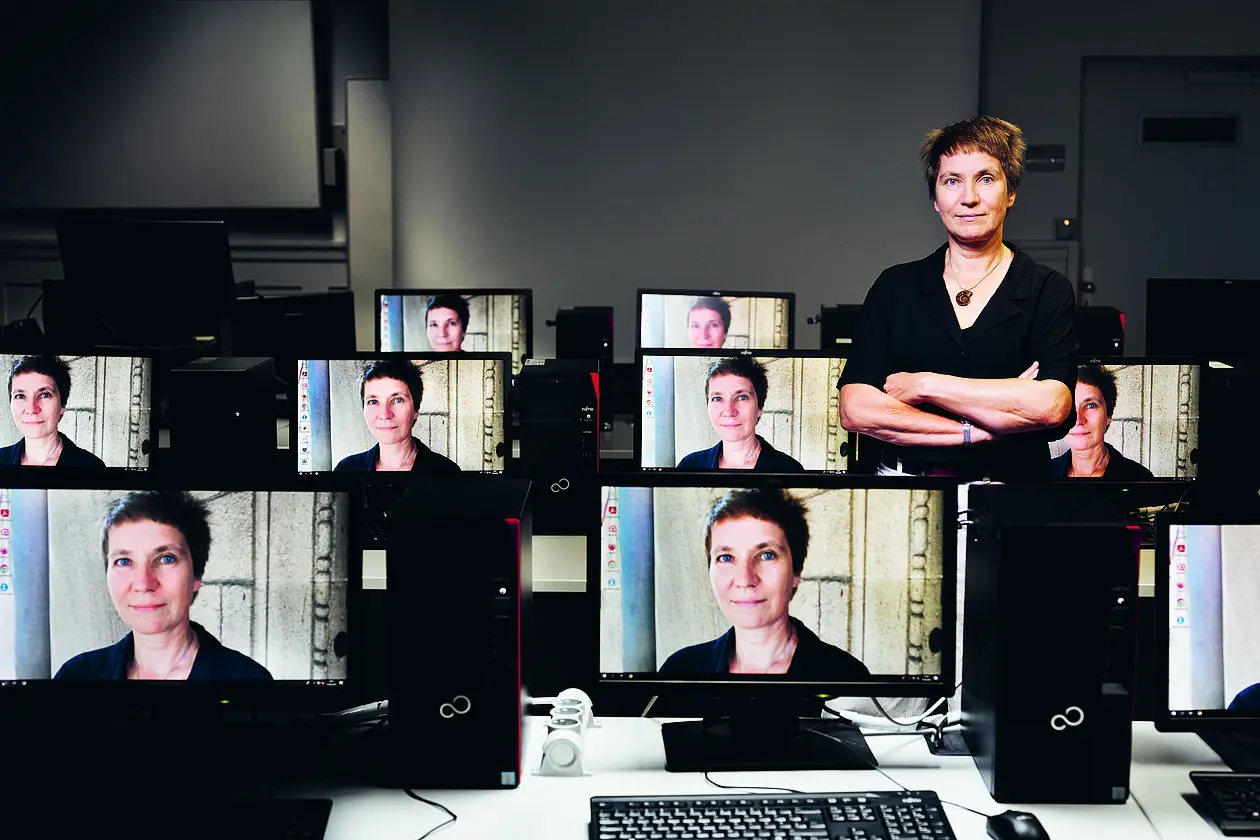
Ethicist Jessica Heesen, too, could live on forever on the internet as a digital avatar and communicate with future generations. At the International Center for Ethics in the Sciences and Humanities (IZEW), the philosopher investigated how such AI applications might change the way we deal with grief and death, and how the rights of those affected can be protected against commercial interests and abuse. To this end, Heesen and her colleague Matthias Meitzler analyzed questionnaires completed by people likely to be affected, as well as funeral homes, and grief counselors.


2015 - The Wisdom of the Corn Leaf

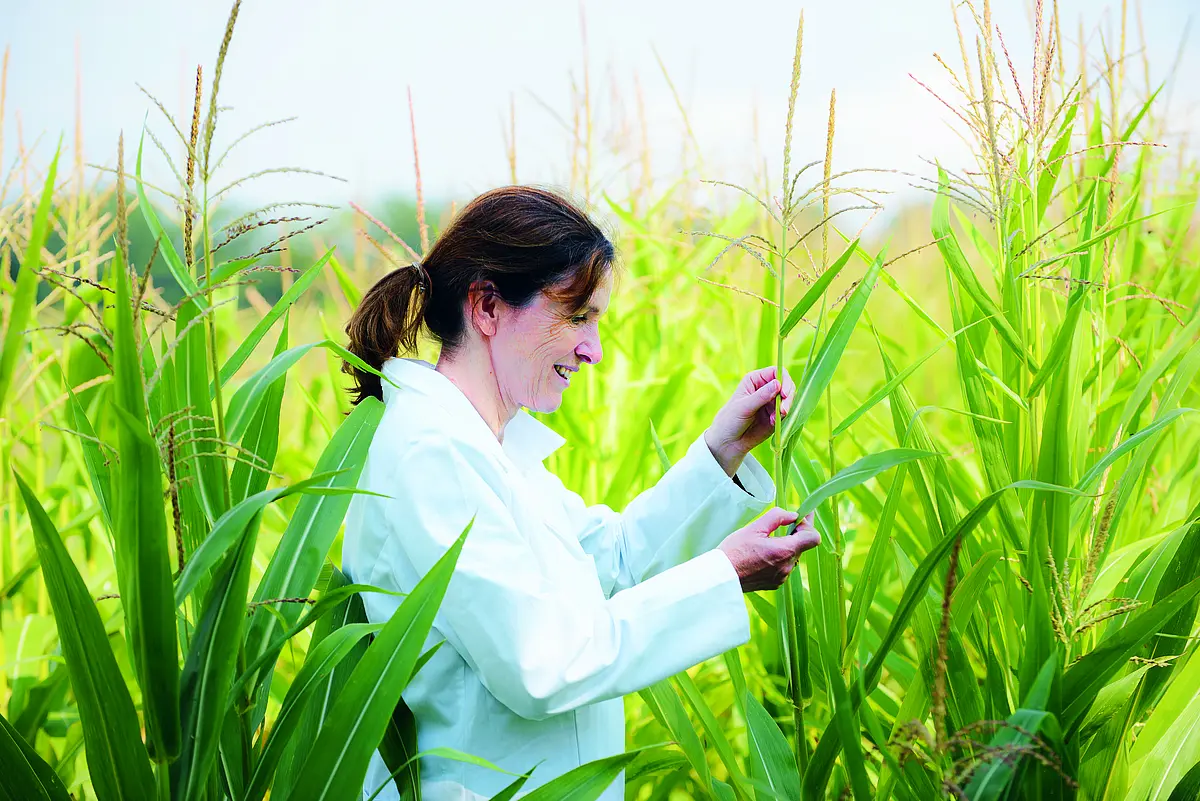
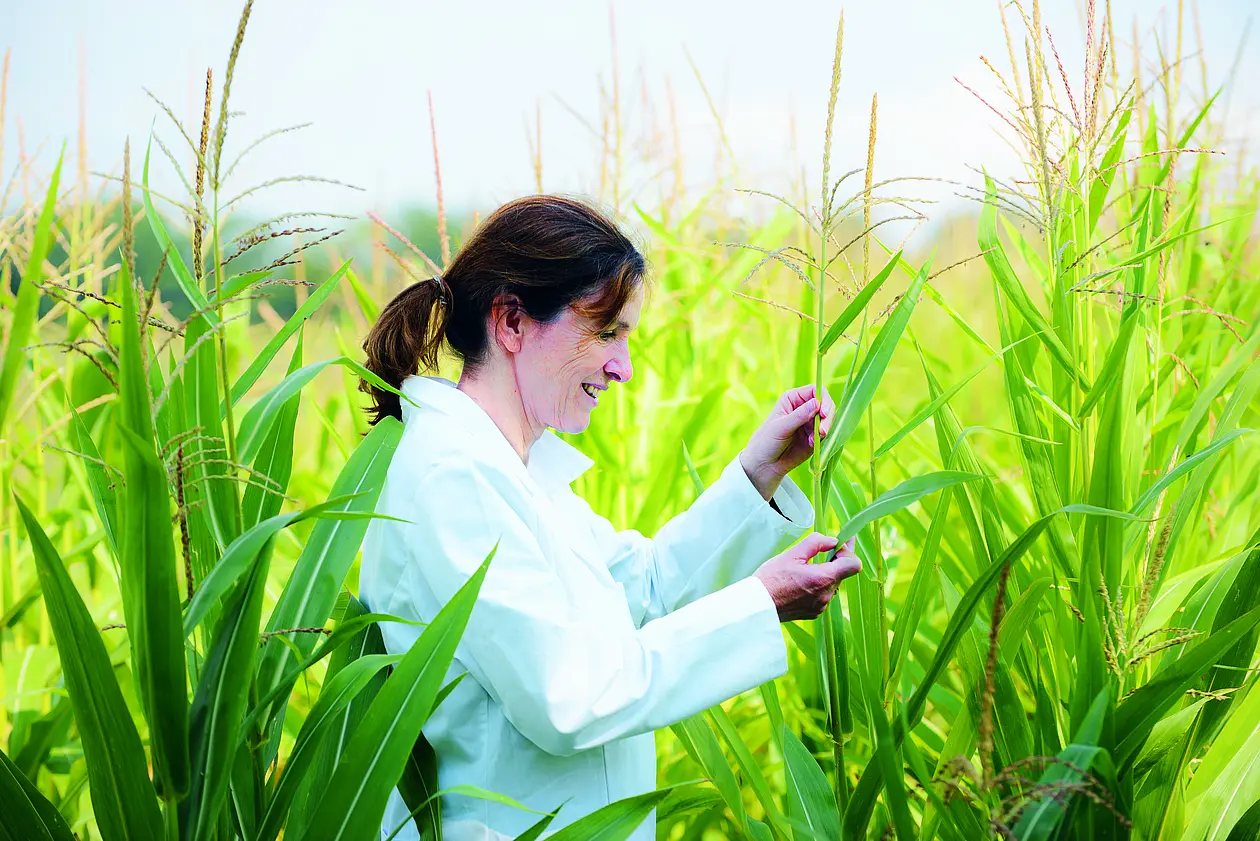
How does the corn leaf know which side is up and which is down? To become a healthy leaf, it must form cells on its upper surface that perform photosynthesis, while on its underside it must form cells that take in carbon dioxide and release water vapor through stomata. Over many years, Marja Timmermanns has identified substances that are produced only in the upper cells of the leaf, and others that are found only in the lower cells.


2024 - A Rare Encounter

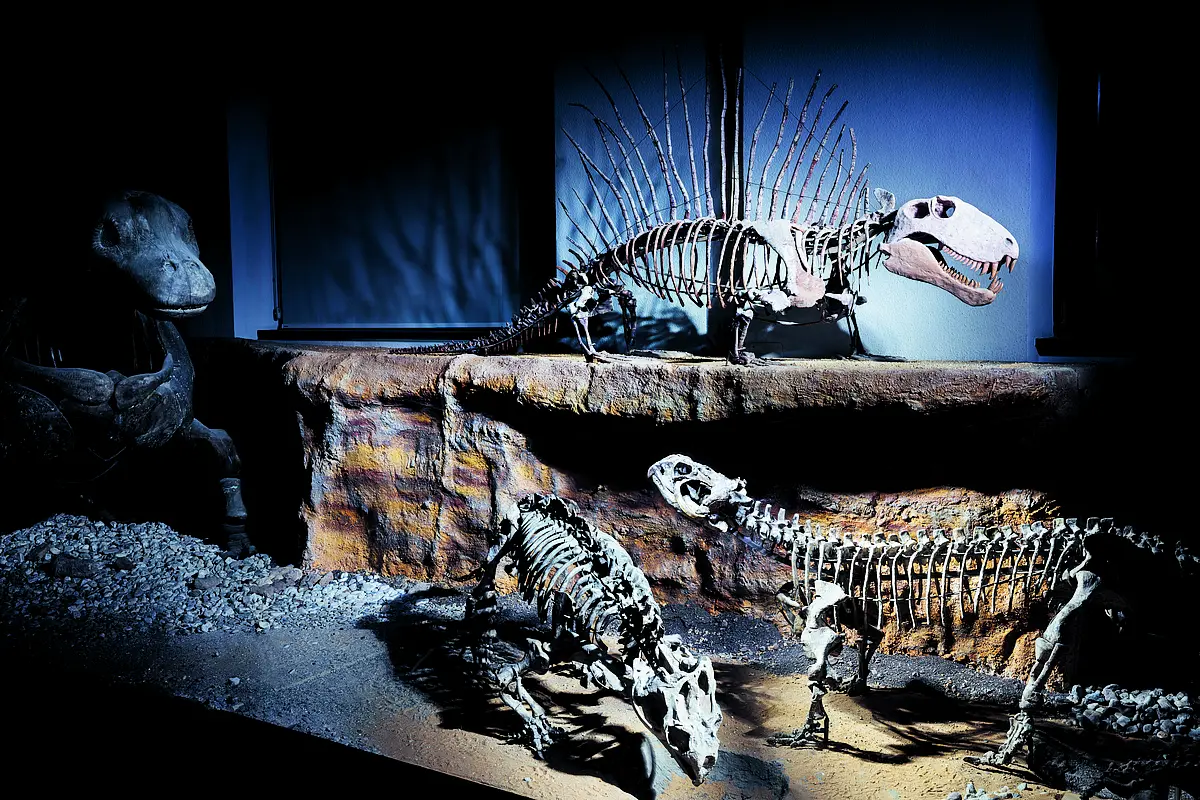
Dinosaurs gather for a nighttime rendezvous in the Paleontological Collection at the University of Tübingen. At the very top: a Dimetrodon incisivus with its dorsal sail, which allowed it to regulate its body temperature. This kept the animal more agile than many of its competitors. At its feet: two Stenaulorhynchus stockleyi, early dinosaurs that lived in Africa 250 to 200 million years ago – slightly later than the Dimetrodon. In reality, these animals never actually encountered one another. In the Therapsid Hall, however, they stand side by side, because mammals evolved from these therapsis in the course of evolutionary history. Experts from all over the world now come to study these and other rare finds.


2023 - Oral Traditions

Radio host, Bahati Ngazi, in Kenya on the shore of the Indian Ocean. She performs her own songs and poems for the people around her, urging them to protect the vast yet vulnerable beaches, water, fish and corals of the ocean. Jacky Kosgei, an assistant professor at the University of Tübingen, researches oral literary traditions like these in her home country, analyzes their structures and gives the body of work back to the public through exhibitions and workshops. “Ultimately, it’s about who we are,” she says. Her work is part of the Global Encounters platform of the University of Tübingen, which examines the social and cultural impacts of mobility and communication.