Uni-Tübingen

P4: Crosstalk of cGMP and extracellular matrix signaling in atherosclerosis

Aims

To elucidate how the interplay of cGMP signaling and the extracellular matrix protein fibronectin affects the phenotypic modulation of vascular smooth muscle cells and thus plaque stability in atherosclerosis.

Questions and Methods

cGMP and Atherosclerosis

Vascular SMC cultures and tissues derived from wild-type and atherosclerotic mice will be studied to investigate phenotypic modulation. Expression studies, pharmacological treatment and single cell sequencing will elucidate the mechanism of Fn/cGMP interactions.

In a mouse model of atherosclerosis (ApoE-deficient mice) we will compare control and smooth-muscle specific Fn knockout mice. We will use FRET-based cGMP imaging and non-invasive PET imaging in vivo in cGMP sensor mice and PET-based reporter mouse lines, respectively.

Expression studies to analyze markers of modulated SMCs, ECM and components of the cGMP pathway are performed e.g. in liver and aorta to investigate the role of Fn in NASH or abdominal aortic aneurysms in the ApoE-deficient mice on high-fat diet.

Boston Internship

Blanton Lab

In the Blanton lab in Boston, the doctoral researchers will receive training in several biochemical screening methods, including GST-pulldown studies using a cGKI-LZM mutant protein, direct cGMP pulldowns, and standard immunoprecipitations.

Boston Co-mentor

Assist. Prof. Robert M. Blanton, MD

Link to Boston researcher lab

Doctoral Students

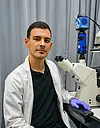
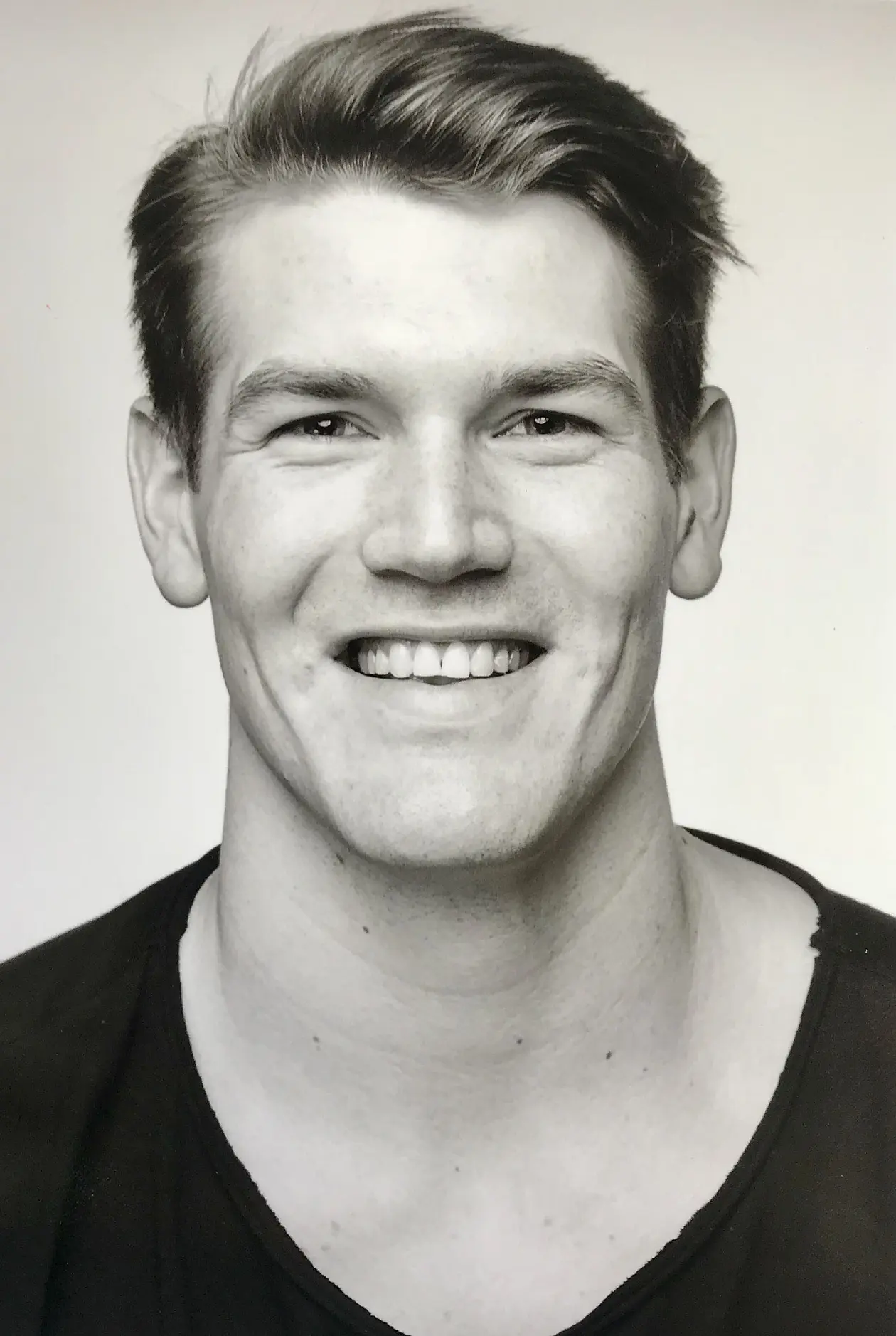
Kevin Dervishi

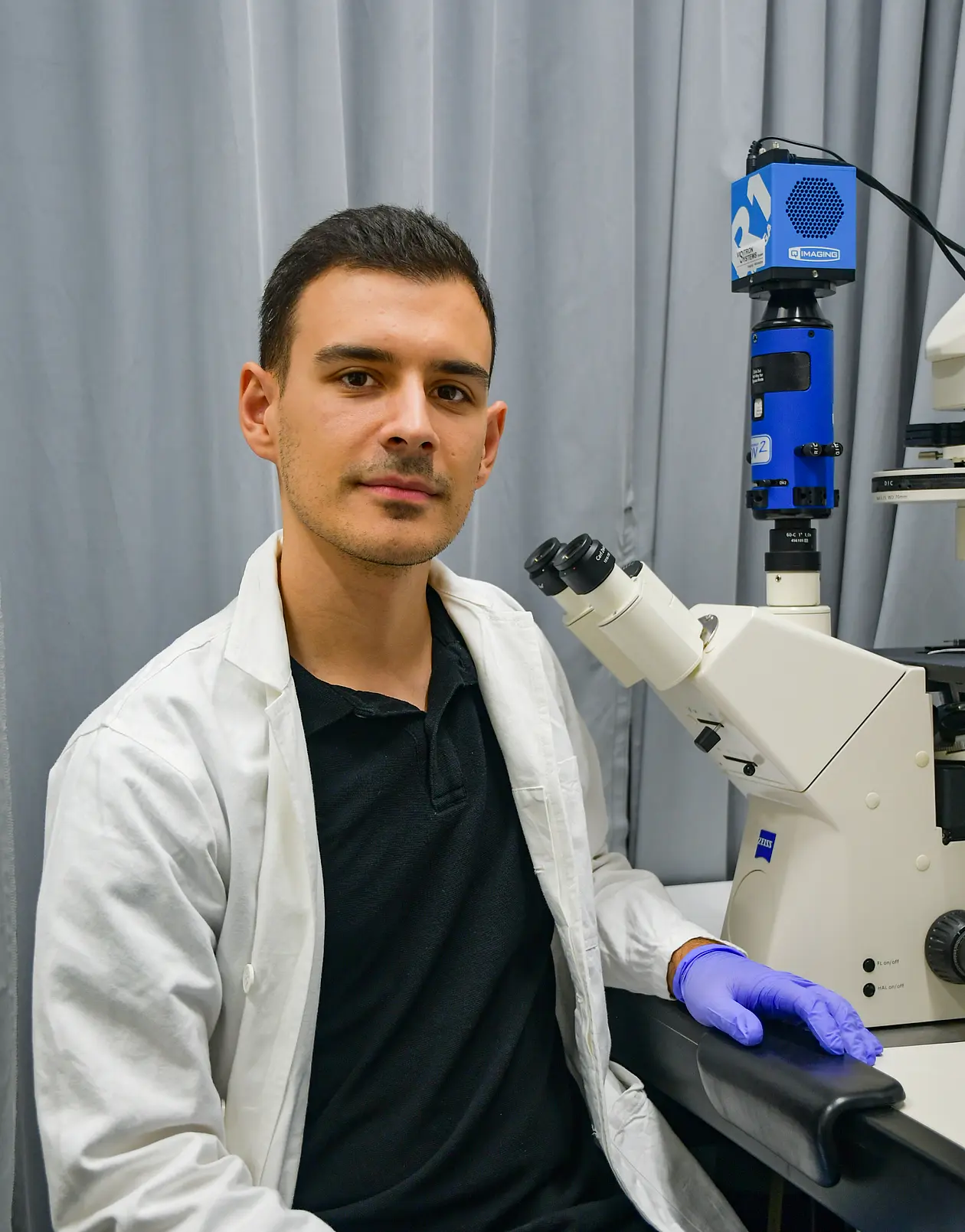
Kevin Dervishi completed his bachelor’s degree in Biotechnology at the University of Verona with a thesis focused on pharmacogenetics in cancer patients.
Then, he continued in Verona with a Master’s degree in Molecular and Medical Biotechnology culminating with a thesis focused on Illumina Whole Genome Sequencing (WGS).

After obtaining his Master’s degree he started a post-graduate research fellowship with the Biomolecular research group for Degenerative Diseases working on bone diseases and osteosarcoma. This experience strengthened his motivation to enroll in a doctoral program.

In July 2025, Kevin joined the Feil group to pursue his PhD under the supervision of Dr. Susanne Feil.

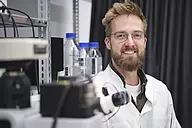
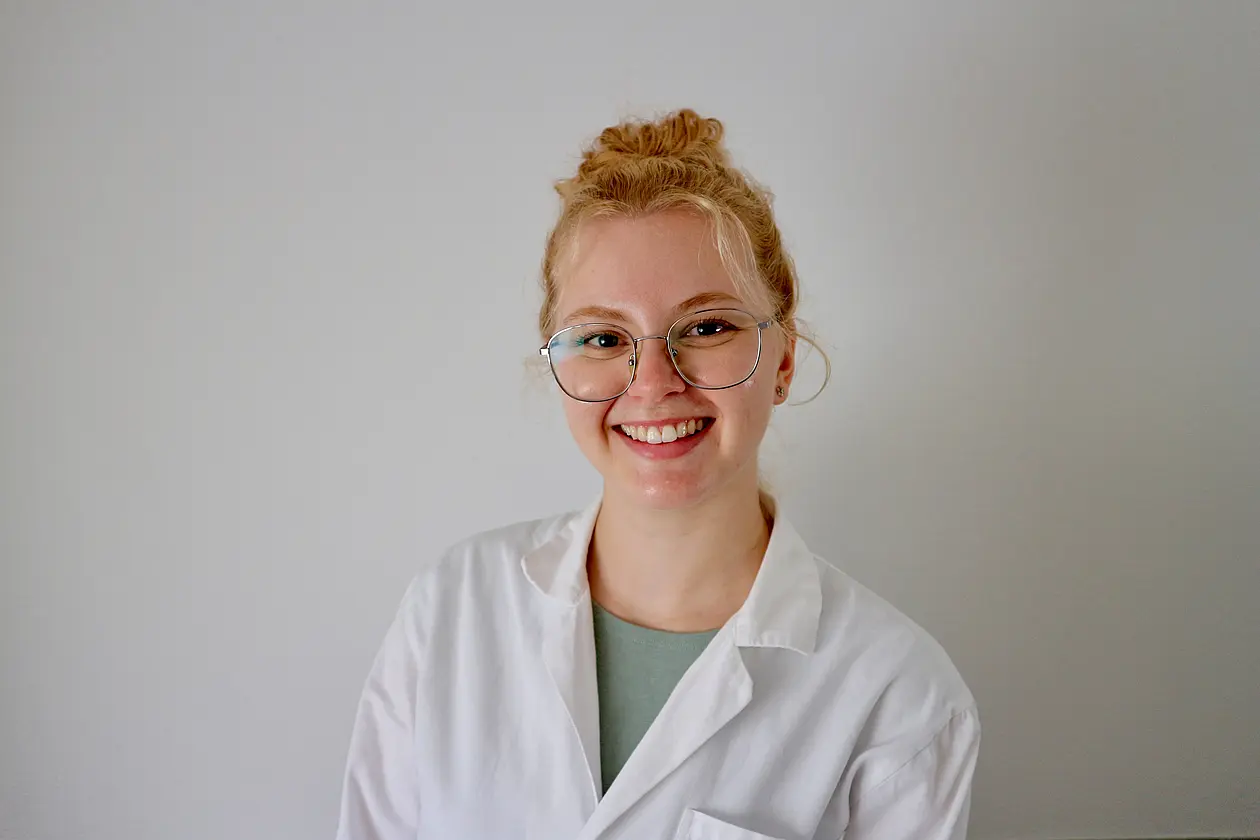
Anja Turnschek (associated PhD student)

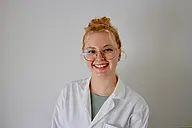
Anja earned her bachelor’s degree in Molecular Medicine from the University of Freiburg, where her thesis focused on immune cell infiltration in lung carcinoma. Using multiplex imaging analysis, she characterized distinct cell types within the tumor microenvironment.
She continued her studies at the University of Freiburg in the master’s program in Molecular Medicine, where she developed a strong interest in the cardiovascular system. For her master’s thesis in molecular cardiology, she examined the impact of different doses and delivery routes of a single siRNA on gene expression in animals, aiming to determine the optimal administration approach for future studies.
In October 2025, Anja joined the Feil Lab as a PhD student. Building on her background in cardiovascular research, she now investigates how mechanical forces modulate cGMP signaling in blood vessels and how this process changes under pathological conditions.
In her free time, Anja enjoys reading, cooking, and jogging.
 

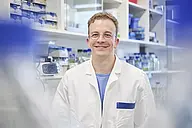
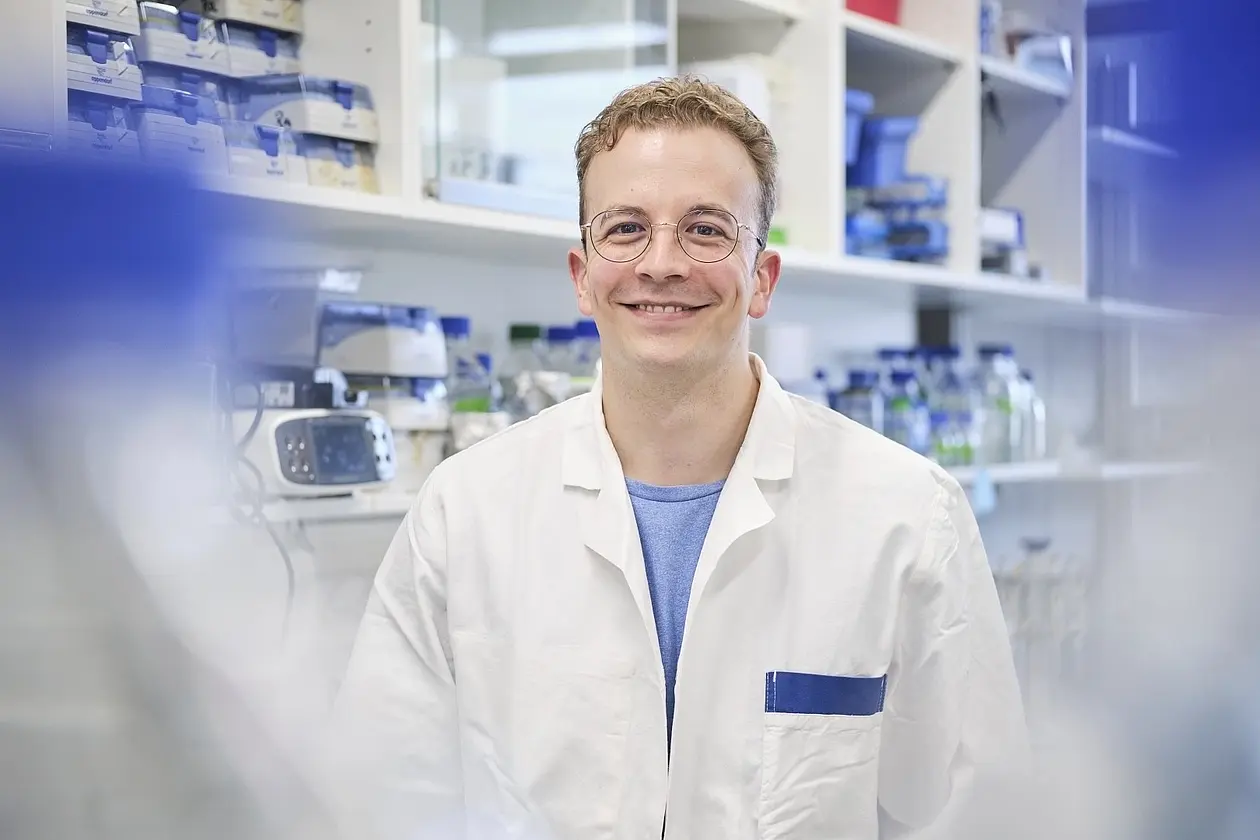
Timo Hinnenthal

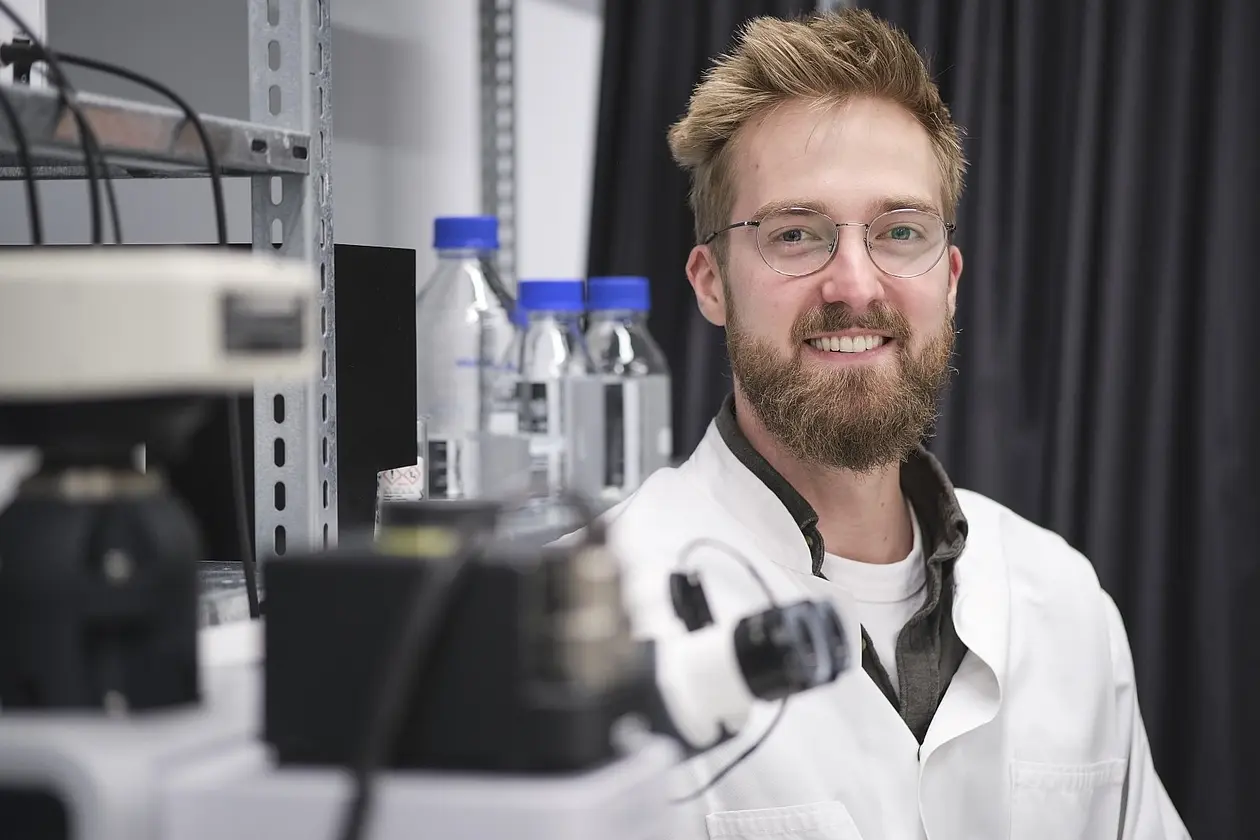
Timo Hinnenthal's scientific education began at the Freie Universität Berlin, where he completed his bachelor's degree in biochemistry. In his bachelor's thesis at the German Rheumatism Research Center in Berlin, he pursued his interest in immunology and focused on super-functional T helper cells in systemic lupus erythematosus. Timo then continued his studies at the University of Tübingen, where he joined the master's program in biochemistry. During a four-month research stint at the SciLifeLab in Stockholm, he started working with macrophages on a phagocytosis assay, which sparked his interest in this unique cell type. During his master's thesis at the Werner Siemens Imaging Center in Tübingen, Timo established an electroporation protocol to generate macrophages that transiently express a chimeric antigen receptor and tested their potential for cancer immunotherapy.
In May 2024, Timo joined the group of Dr. Susanne Feil, to do his PhD. Following his passion for macrophages, Timo aims to decipher the true identity of macrophage-like cells in atherogenesis and atherosclerosis using fate-mapping.
Outside of the lab, Timo is passionate about food and cooking and likes to stay healthy with swimming and bouldering.

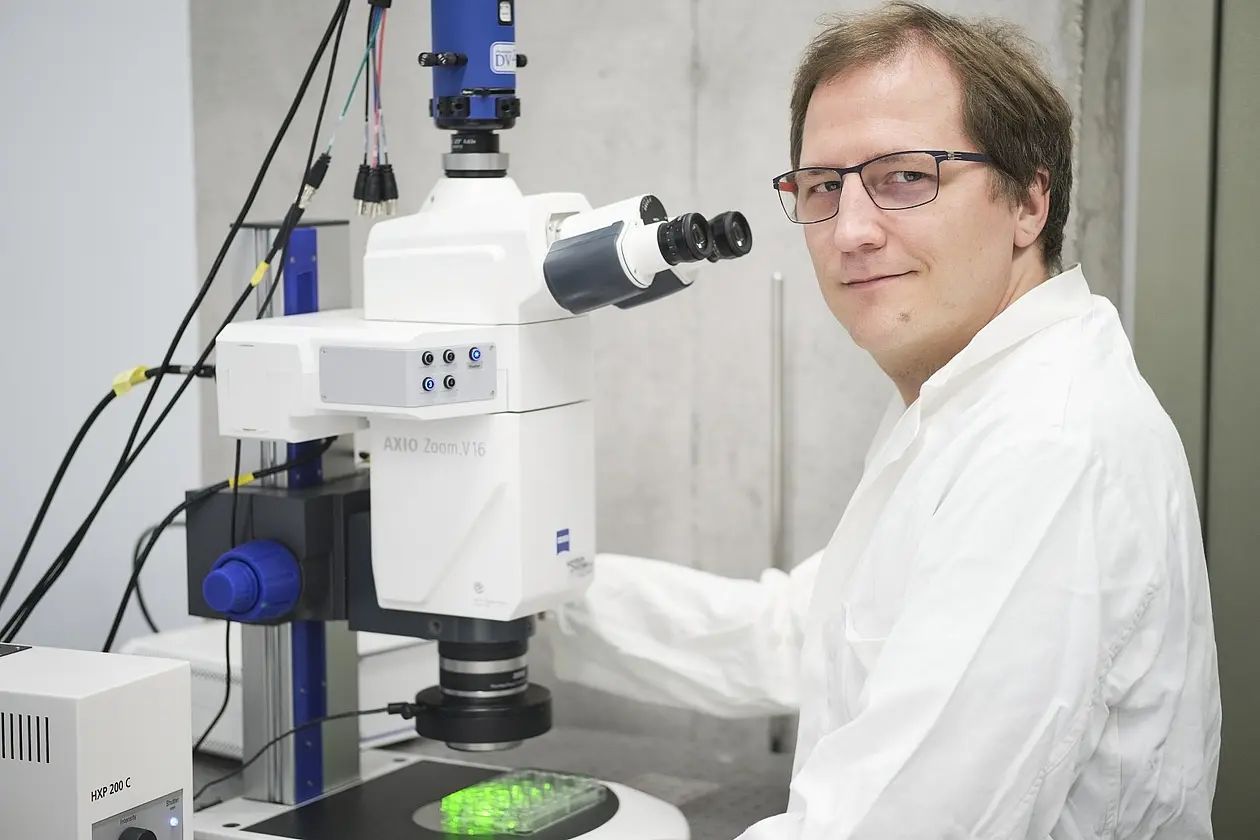
Timo Kopp (graduated in December 2024, Start-Up Funding)

Timo Kopp got his bachelor’s degree in Biology at the Johannes-Gutenberg-University in Mainz, where he was especially interested in molecular genetics. Accordingly, he did his bachelor’s thesis at the Department of Organismic and Molecular Evolutionary Biology, where he characterized a protein of unknown function. He then continued to earn his master’s degree in Biomedicine, where he focused on immunology. Due to his growing interest for this field of research, he decided to do his master’s thesis at the Department of Dermatology of the University Medical Centre, in which he investigated the influence of coagulation factors on the differentiation of macrophages from monocytes. After his M.Sc., Timo joined the group of Dr. Susanne Feil, to do his PhD. Here, his research focuses on pressure induced cGMP signalling in vascular smooth muscle cells.

Timo graduated in December 2024 and subsequently received start-up funding to support his further career as a potdoc at the IFIB (see also here).

Malte Roeßing (graduated in April 2024)

Malte Roeßing did his undergraduate studies in Biology at the Heinrich-Heine-University in Duesseldorf, where he was especially interested in protein biochemistry. Therefore, he did his bachelor’s thesis in the department of plant biochemistry, which dealt with the characterization of protein with an unknown function. In his master’s studies at Heinrich-Heine-University in Duesseldorf, he focused on molecular biomedicine. Due to his rising interest in the biochemical and pharmaceutical research field, he decided to do his master’s thesis at the Bayer AG in Wuppertal in the Biochemistry Department of the Institute Lead Discovery. The combination of the research on atherosclerosis with investigation of the important cGMP signaling system is a unique challenge for him as a young scientist. Thus, he decided to take up this challenge as a doctoral student of the GRK 2381 “cGMP: From Bedside to Bench” in the group of Dr. Susanne Feil. Here he is investigating the role of the cGMP signaling pathway in disease models of atherosclerosis.

Moritz Lehners (associated Postdoc)

Moritz Lehners earned his Diploma in Biochemistry at the University of Tübingen with a focus on cellular signalling mechanisms and live cell imaging. His interest in the analysis of complex signalling networks prompted him to do his PhD in the Feil laboratory. Here he investigates the role of the cGMP signalling pathway in the plasticity of vascular smooth muscle cells and disease models of the cardiovascular system. Moritz graduated in summer 2022 and is currently continuing his research in the IFIB as a postdoc.


5 Key Publications

Feil S, Zaldivia MTK, Kiesel J, Roessing M, Peter A, Morales‐Cano D, Bentzon JF, Lehners M, Feil R. Smooth muscle cell‐derived fibronectin promotes an atheroprotective smooth muscle cell phenotype associated with altered NO‐cGMP signaling. J Am Heart Assoc, 2025 May 29:e040395. doi: 10.1161/JAHA.124.040395

Lehners M, Schmidt H, Zaldivia MTK, Stehle D, Krämer M, Peter A, Adler J, Lukowski R, Feil S, Feil R. Single-cell analysis identifies the CNP/GC-B/cGMP axis as marker and regulator of modulated VSMCs in atherosclerosis. Nat Commun. 2025, 16, 429. doi: 10.1038/s41467-024-55687-9

Yokomizo S, Kopp T, Roessing M, Morita A, Lee S, Cho S, Ogawa E, Komai E, Inoue K, Fukushi M, Feil S, Kim HH, Bragin DE, Gerashchenko D, Huang PL, Kashiwagi S, Atochin DN. Near-Infrared II Photobiomodulation Preconditioning Ameliorates Stroke Injury via Phosphorylation of eNOS. Stroke 2024, 55, 1641. doi: 10.1161/STROKEAHA.123.045358

Feil S, Stowbur D, Schorg BF, Ehrlichmann W, Reischl G, Kneilling M, Pichler BJ, Feil R. Noninvasive Detection of Smooth Muscle Cell-Derived Hot Spots to Study Atherosclerosis by PET/MRI in Mice. Circ Res 2023, 10.1161/CIRCRESAHA.122.322296

Feil S, Fehrenbacher B, Lukowski R, Essmann F, Schulze-Osthoff K, Schaller M, Feil R. Transdifferentiation of vascular smooth muscle cells to macrophage-like cells during atherogenesis. Circ Res 2014, 115:662-7