
News and publications
Press release
10.11.2020
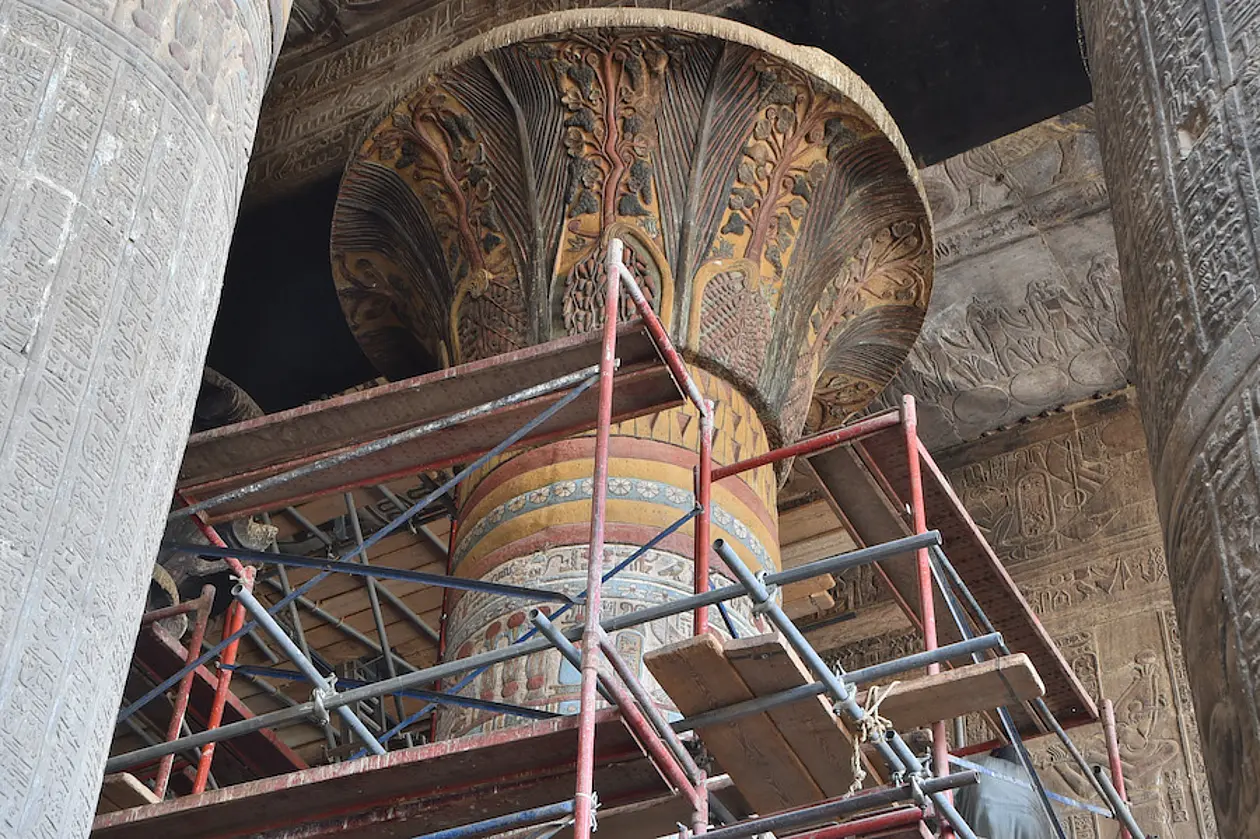
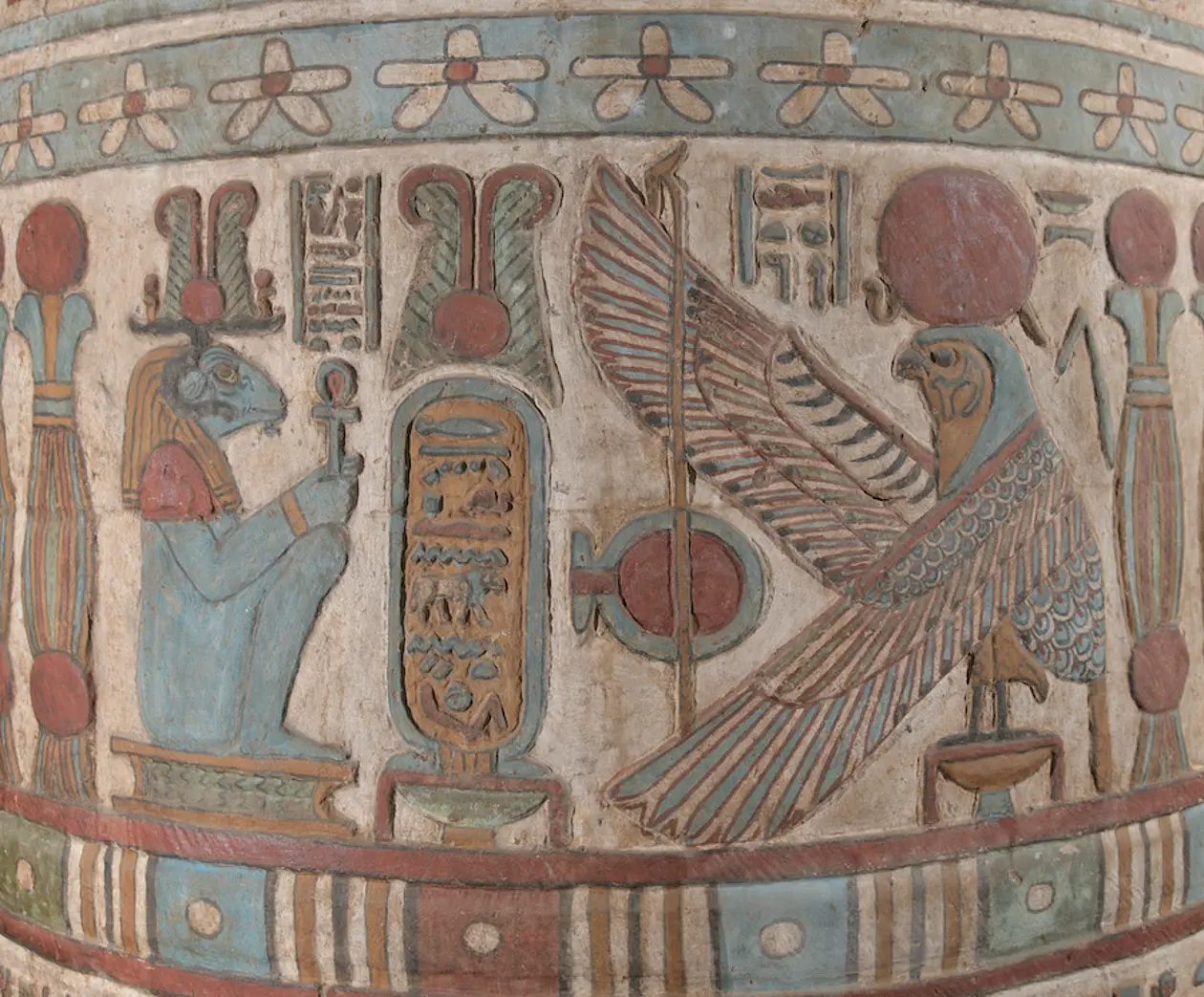
The temple of Esna in full color
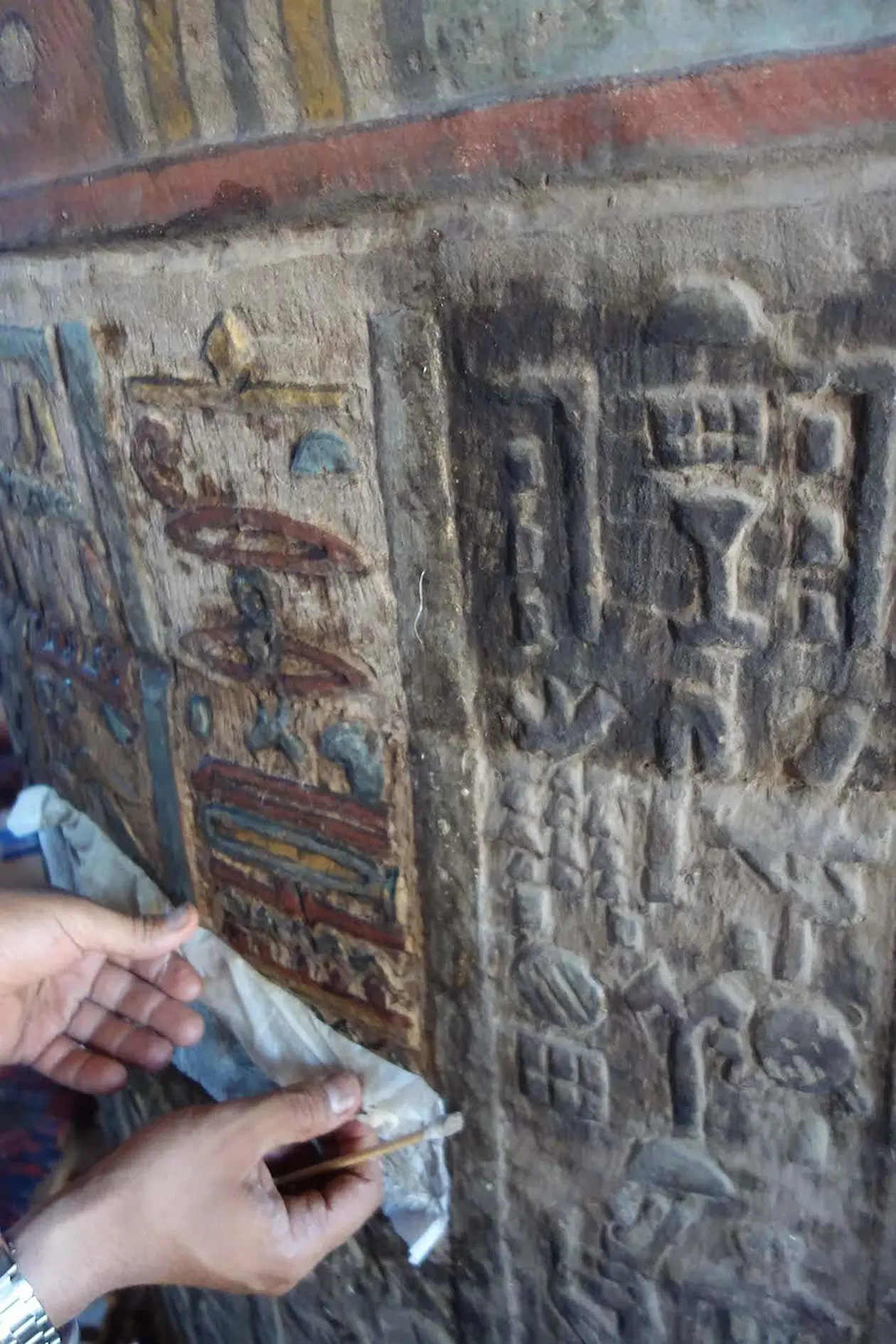
German-Egyptian research project reveals the original pigments of inscriptions some 2000 years old
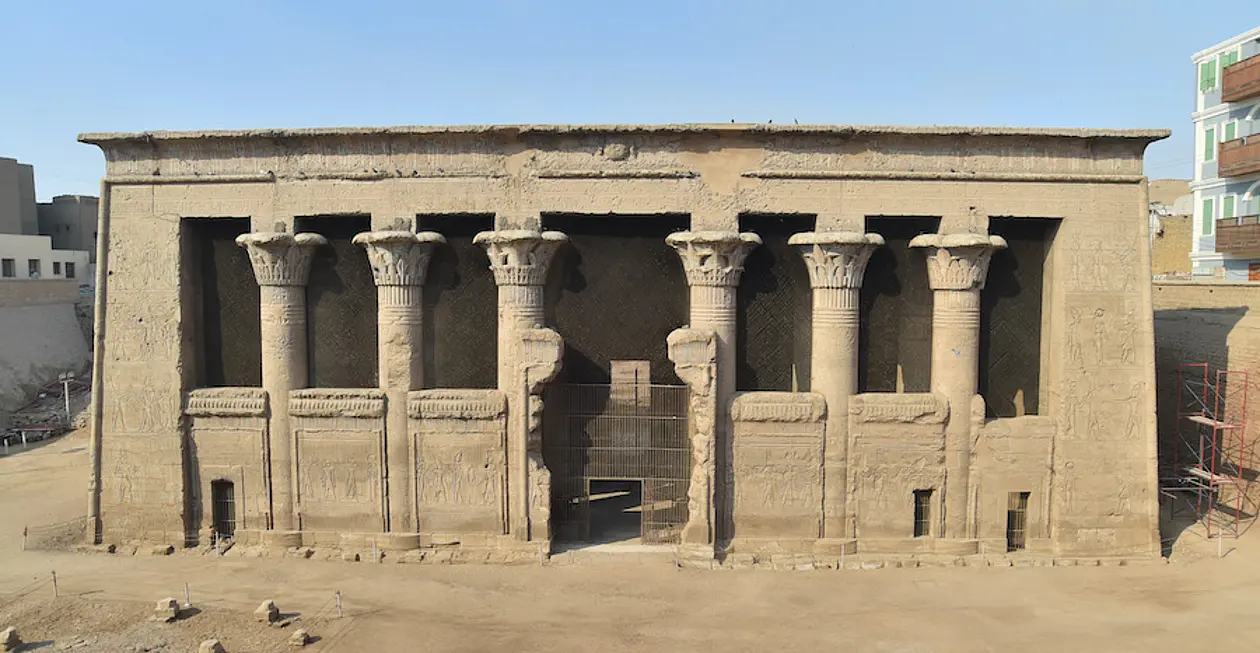
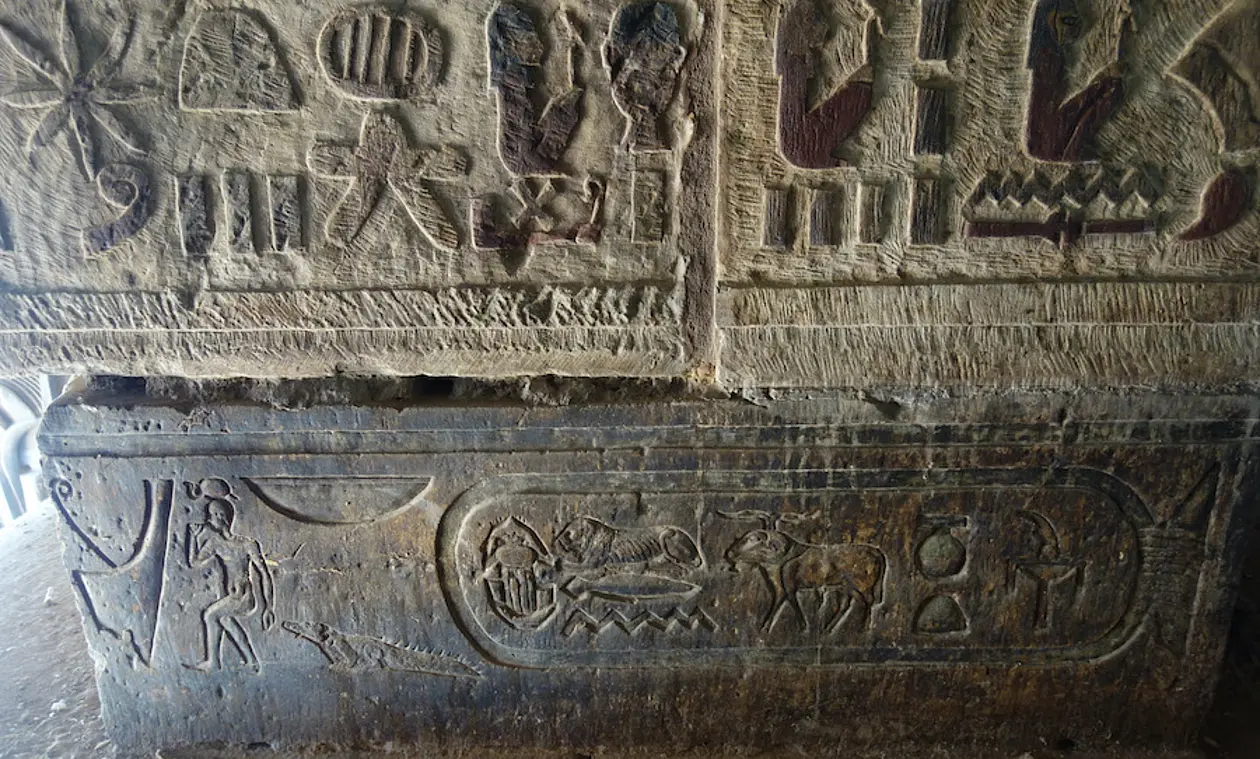
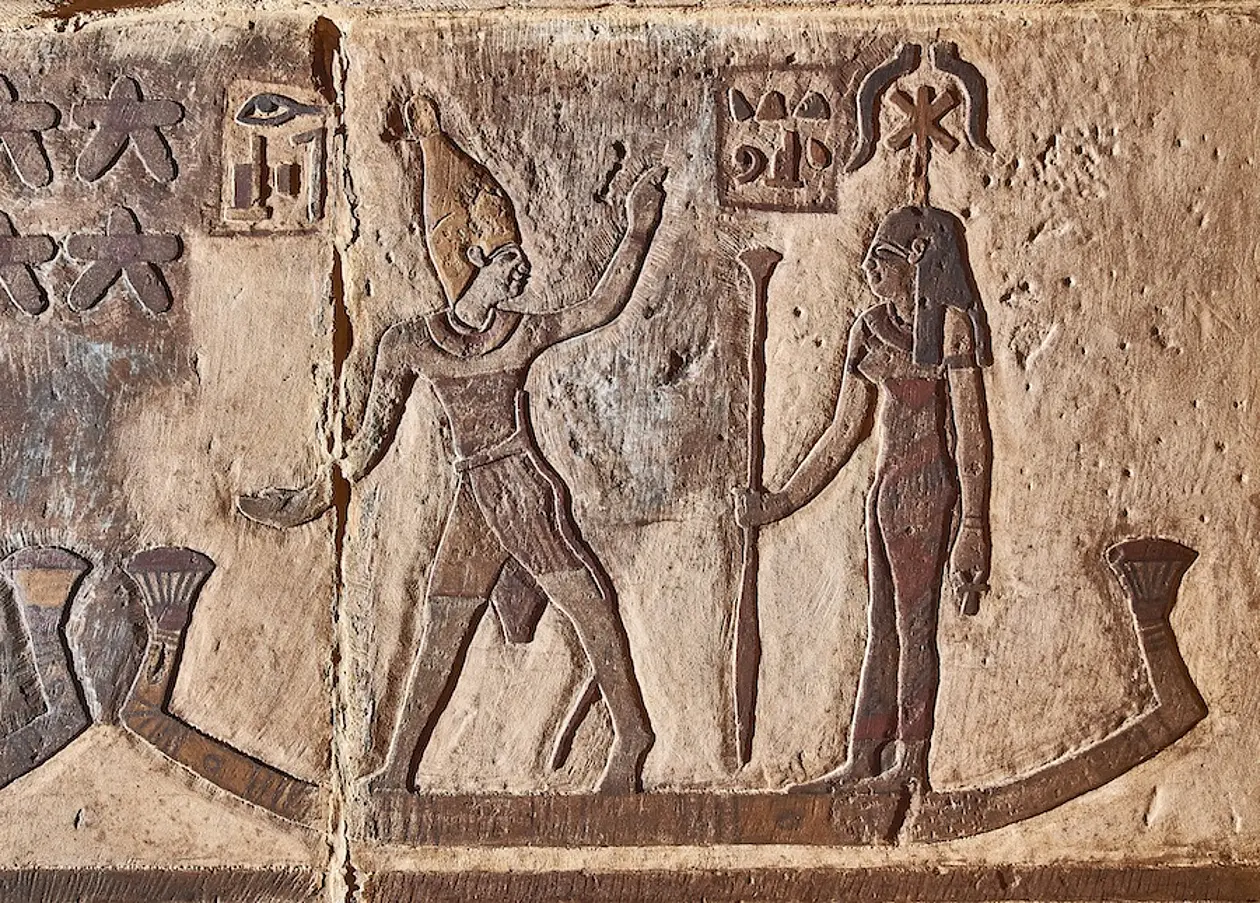
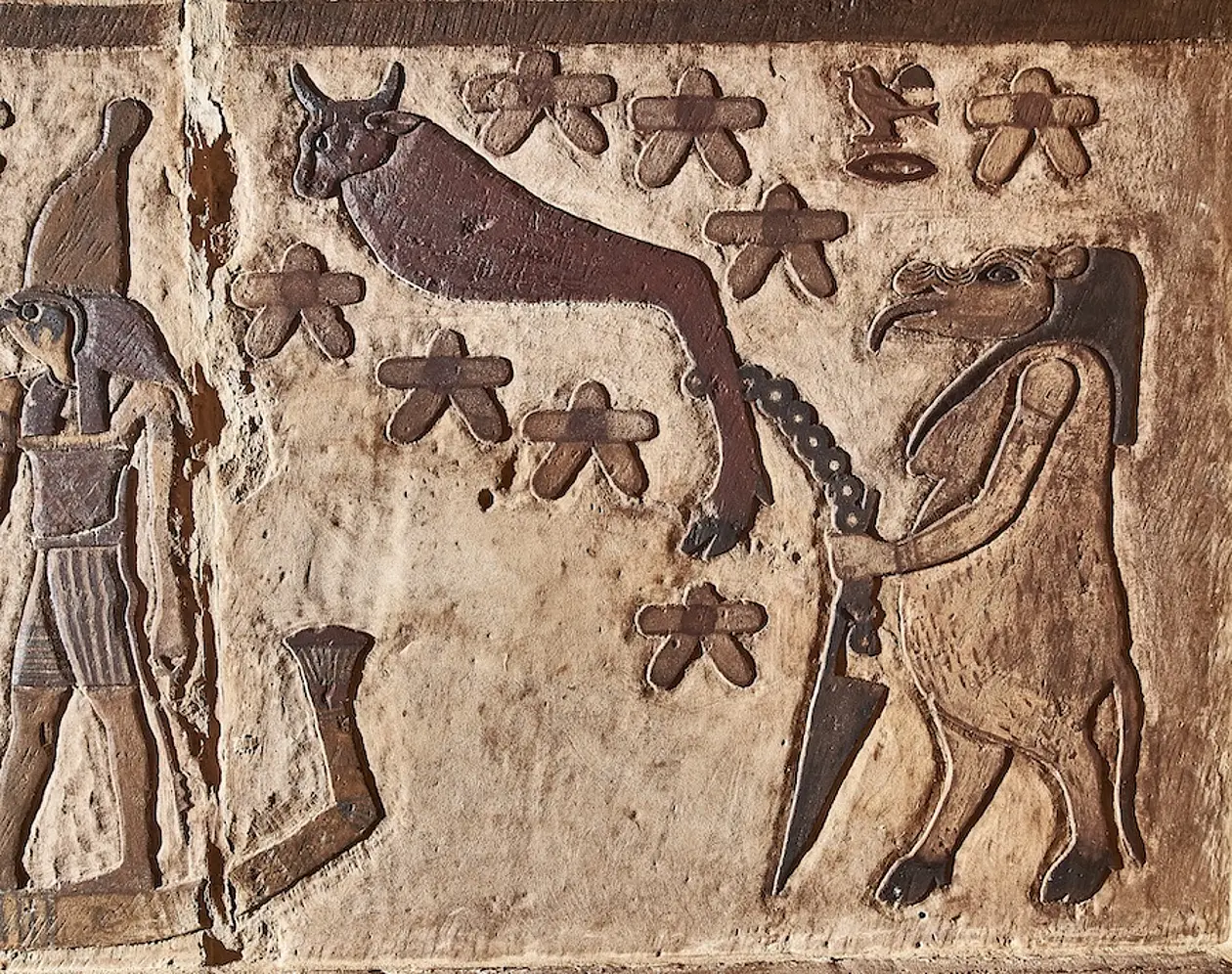
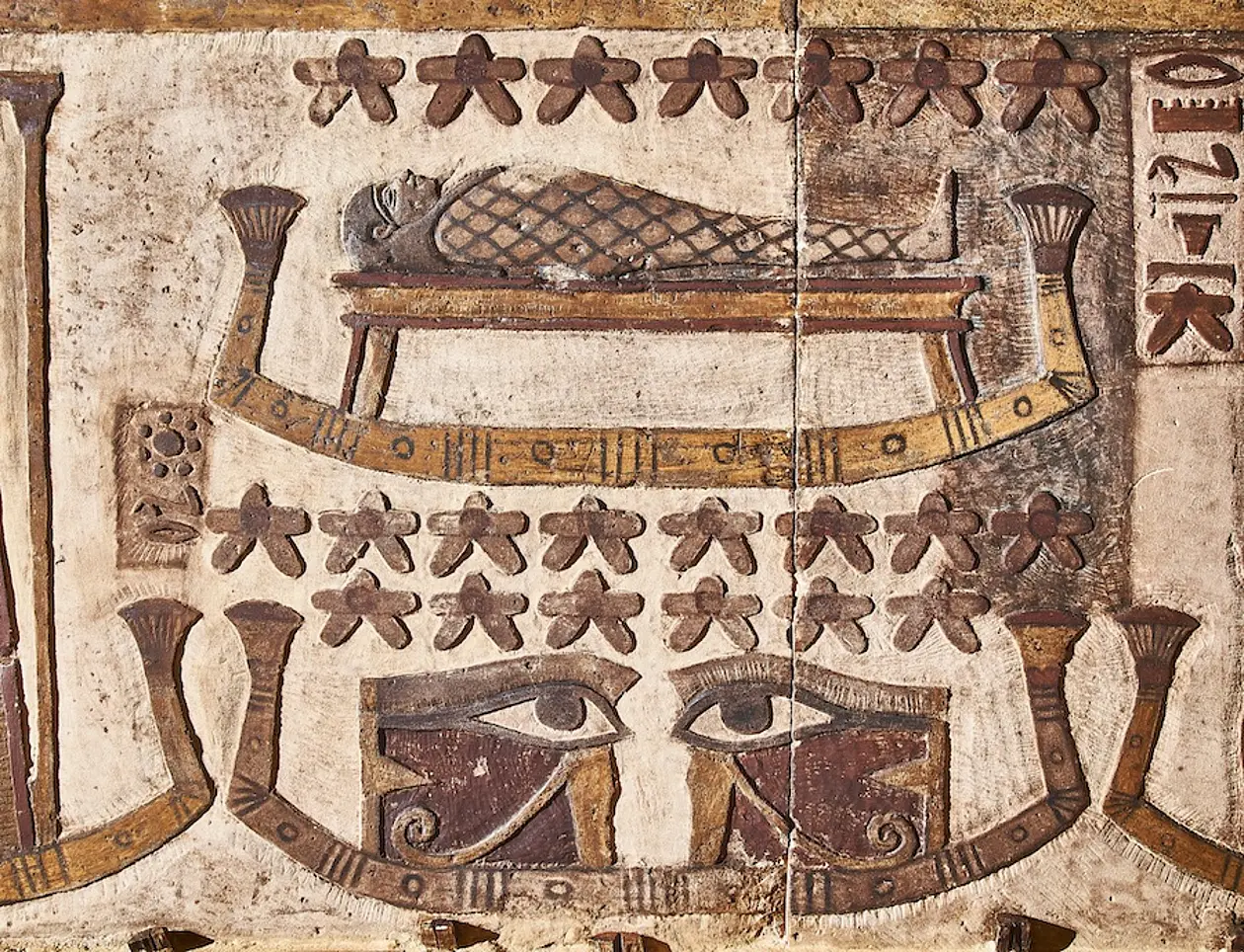
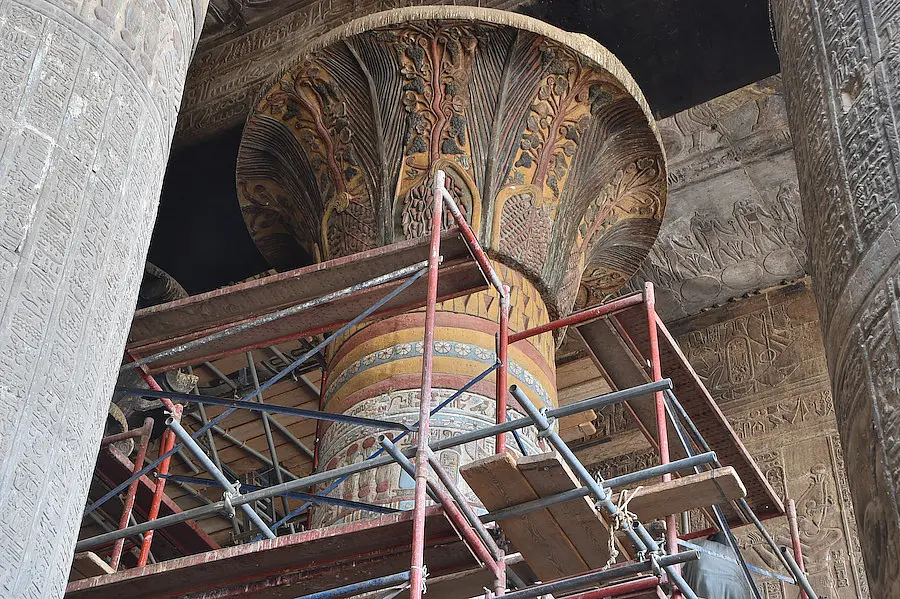
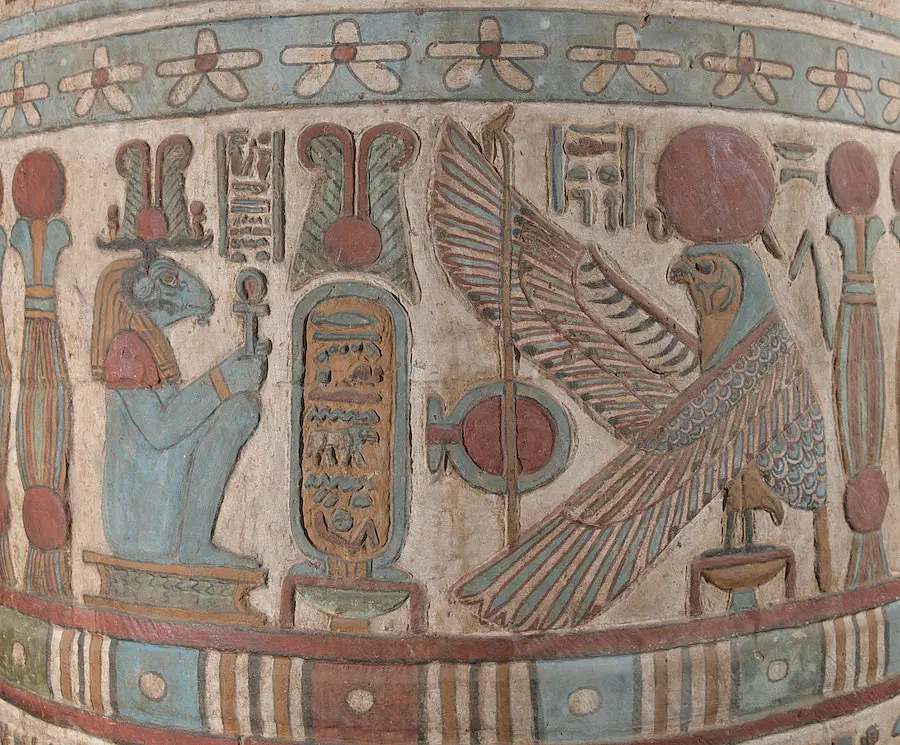
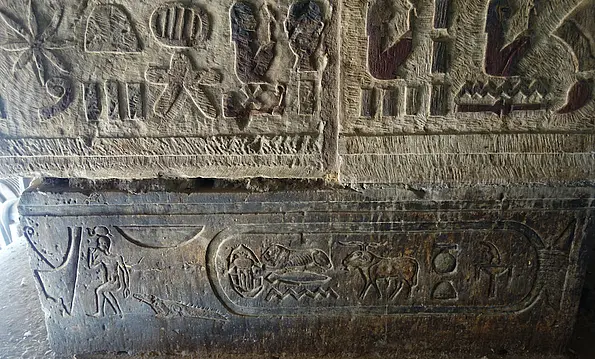
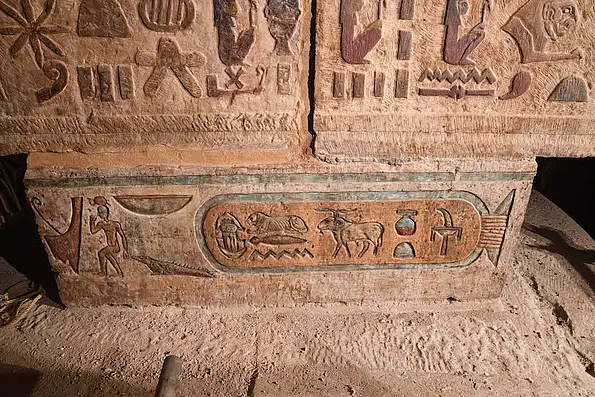
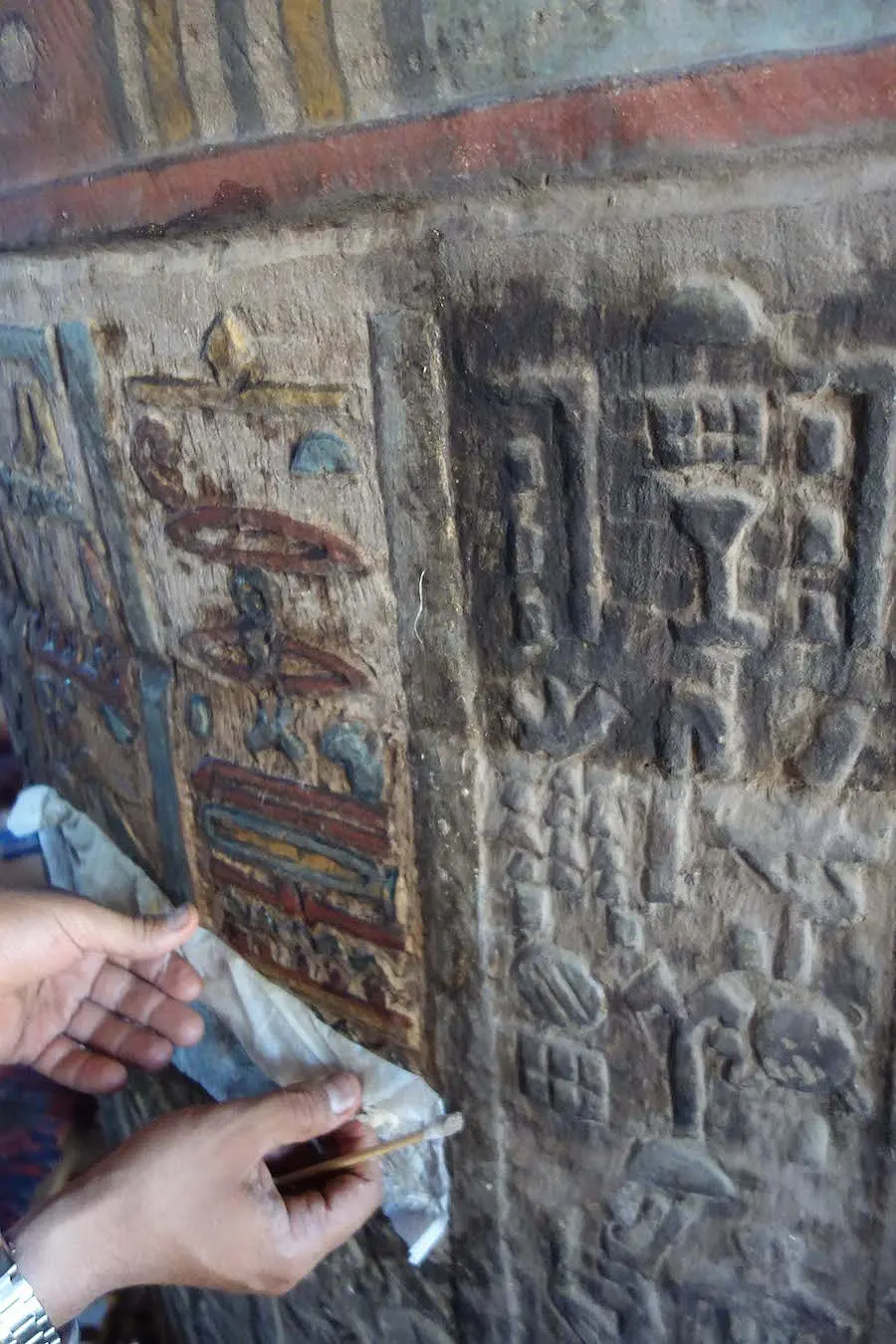
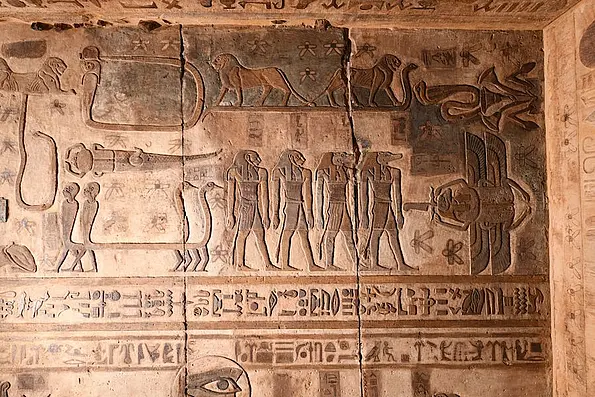
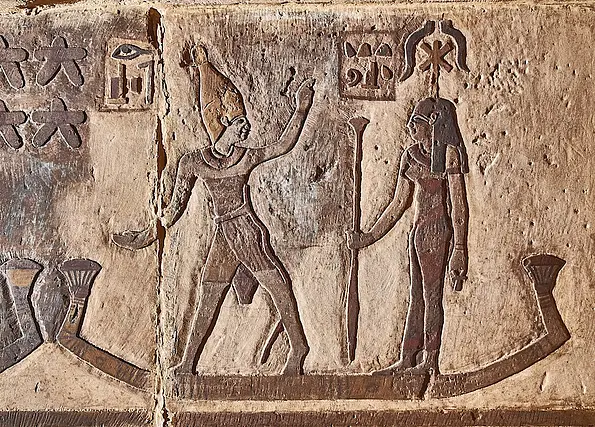
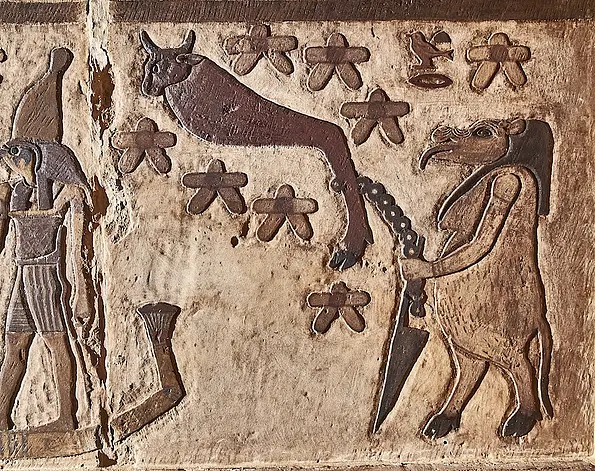
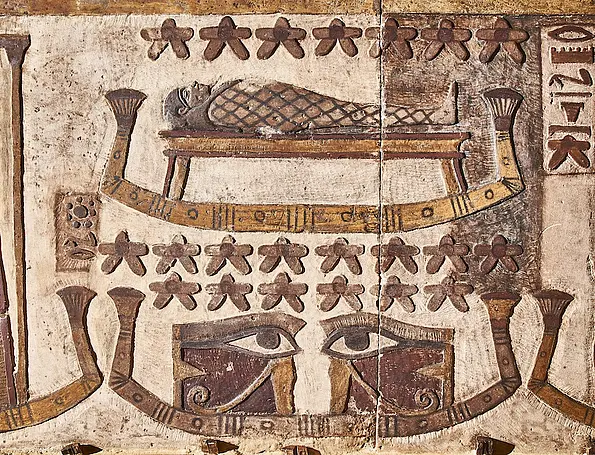
More than 200 years after the rediscovery of an Egyptian temple, a German-Egyptian research team has uncovered the original colors of inscriptions that are around 2,000 years old. Freed from thick layers of soot and dirt, the reliefs and inscriptions can now be admired again in bright colors. The project, led by Egyptologist Professor Christian Leitz, also discovered new inscriptions that reveal the ancient Egyptian names of constellations for the first time. The restoration work is a cooperation between the Institute for Ancient Near Eastern Studies (IANES) at the University of Tübingen and the Egyptian Ministry of Tourism and Antiquities.
Contact:
University of Tübingen
Institute for Ancient Near Eastern Studies (IANES)
Professor Dr. Christian Leitz
christian.leitz@uni-tuebingen.de
Dr. Daniel von Recklinghausen
daniel.von-recklinghausen@uni-tuebingen.de
Contact for press:
Eberhard Karls Universität Tübingen
Public Relations Department
Dr. Karl Guido Rijkhoek
Director
Antje Karbe
Press Officer
Phone +49 7071 29-76789
Fax +49 7071 29-5566
antje.karbe@uni-tuebingen.de