What does this mean?
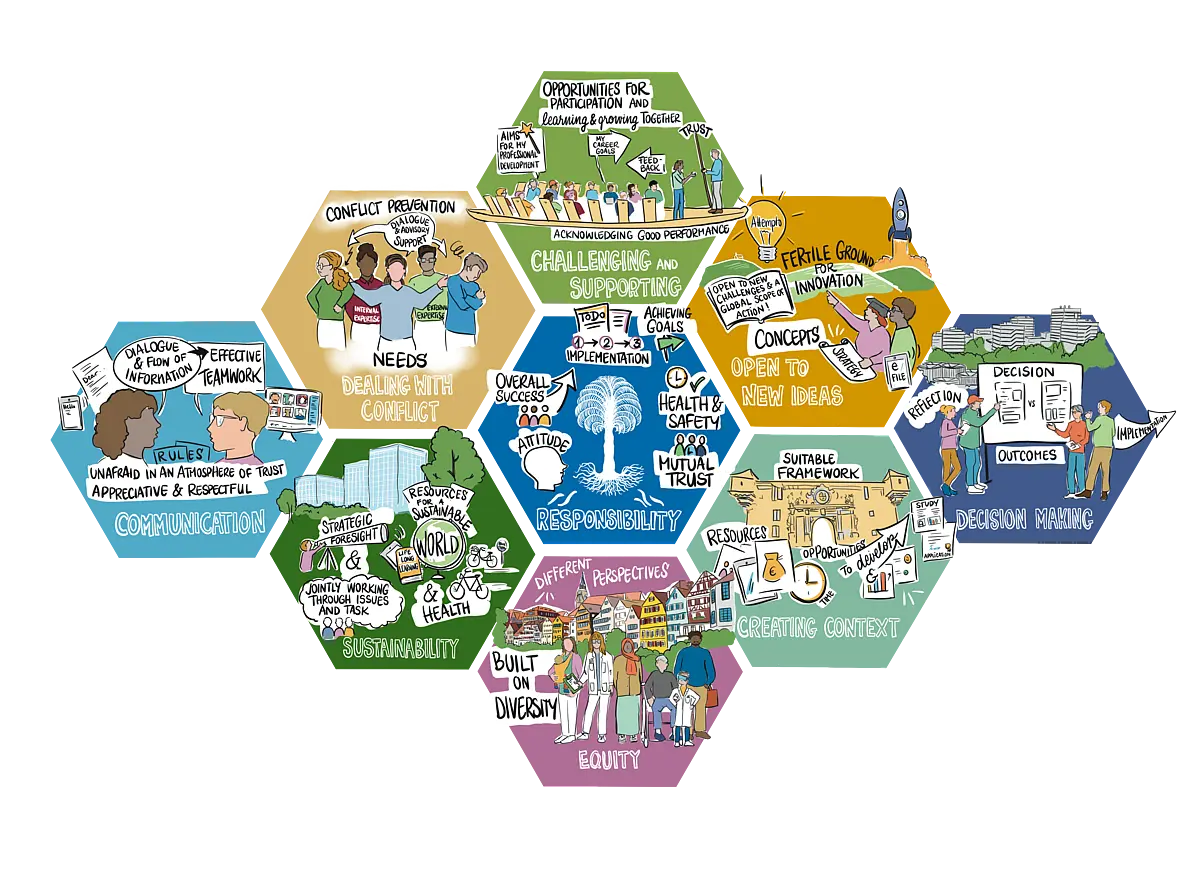
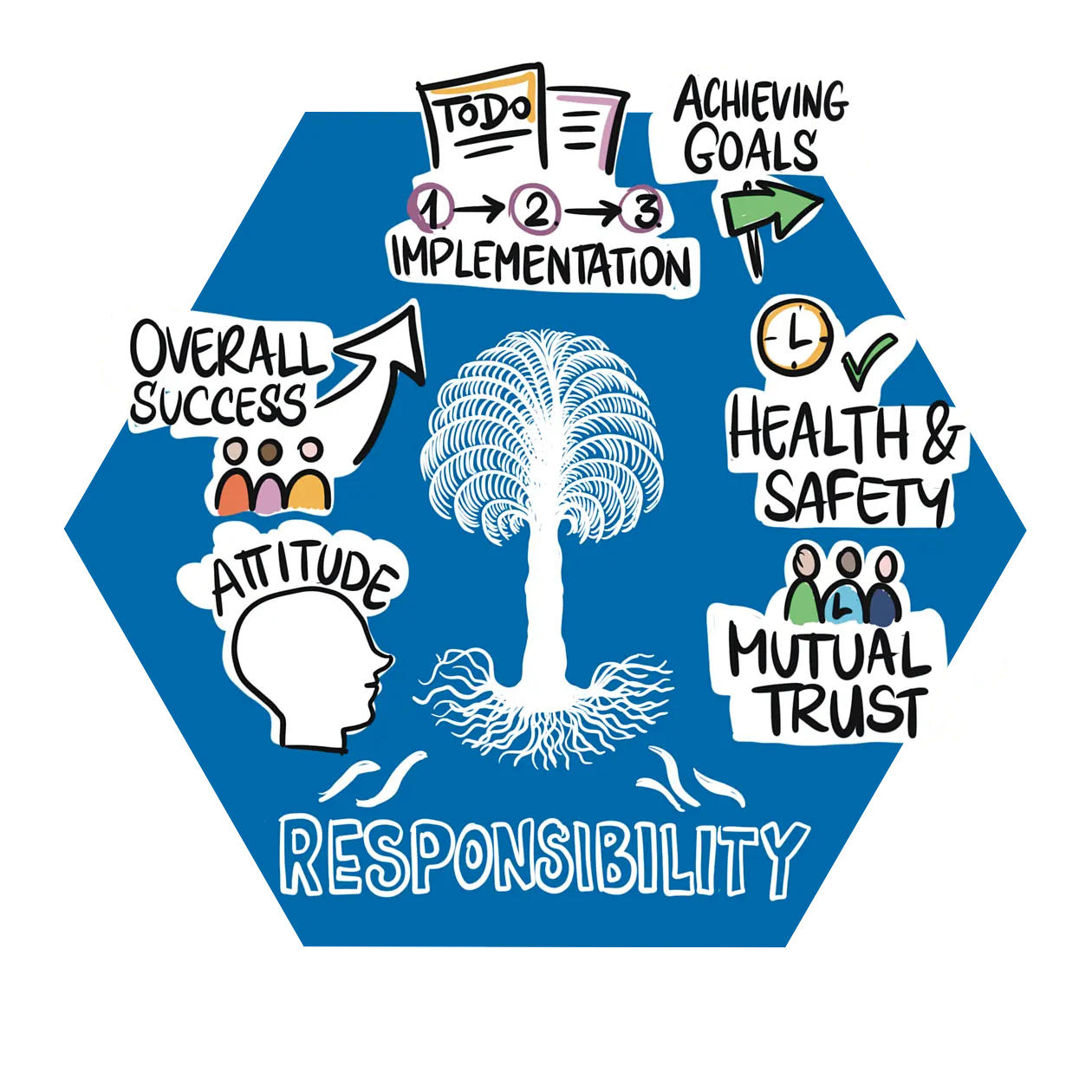
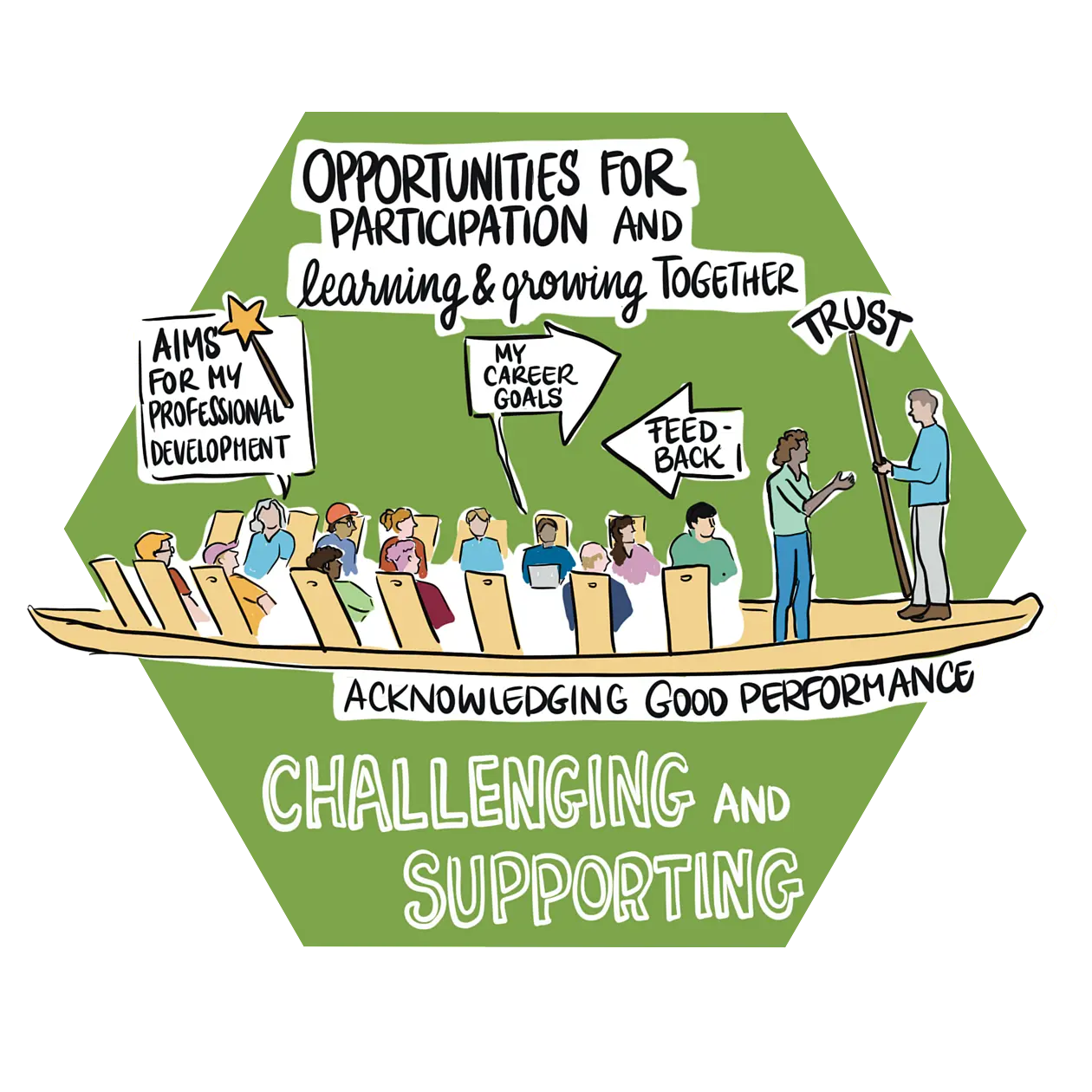
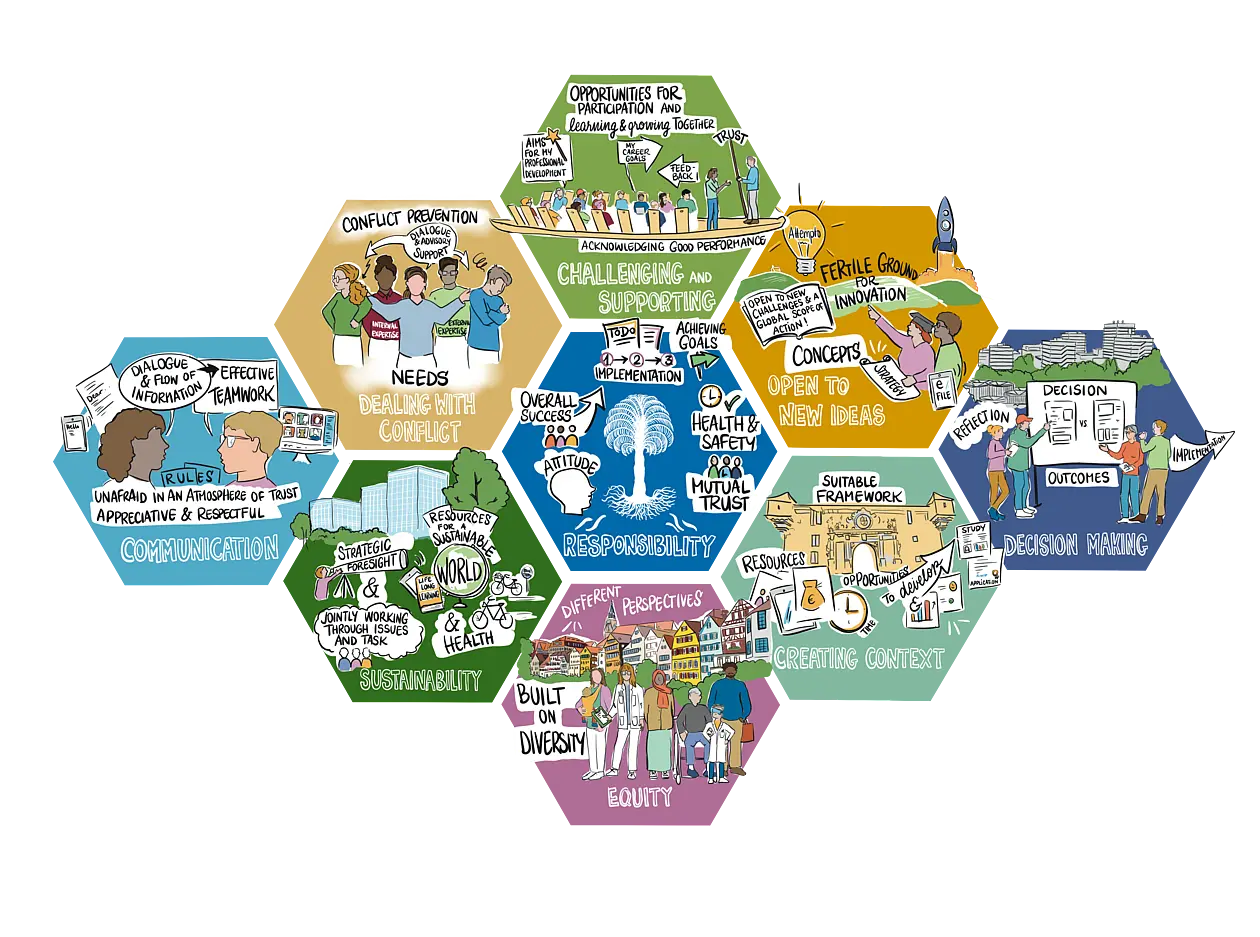
By successfully fulfilling their duties, all employees contribute to both the achievement of the goals set and the overall success of the University of Tübingen. Through qualification, opportunities for participation, and professional development, we strive to create a culture of challenge and support.
What attitude is needed here?
Managers require employees to fulfill their tasks; in return, they should support employees in their participation opportunities, qualification, and professional development.
Managers should understand the value of committed, reliable and consistent working relationships.
They need to take an interest in their employees’ views as well as their personal situations and take these into account wherever possible. Good managers view mistakes as opportunities for learning and development.
It should be important to employees to perform their duties reliably and conscientiously. We want them to view opportunities for further development as a chance to grow and be motivated to get involved and acquire new skills. They should approach (new) challenges with confidence that they will learn from them.
How does this show in our actions?
When assigning new tasks, managers must take into account the strengths, weaknesses and potential of their employees and deploy them accordingly. They should build a framework for cooperation by formulating clear expectations and offering appropriate support.
Managers should acknowledge good performance. And if performance is not good, they need to provide constructive criticism and point out opportunities for improvement.
Managers must encourage their employees by showing them opportunities for further training and development; if need be, they can seek advice and support from Personnel Development.
We want employees to perform their tasks thoroughly and reliably. If they need support, resources, or new skills to do so, they should communicate this to management.
Employees are welcome to actively share their wishes and goals for professional development and to take every opportunity for participation to help ensure that the workplace is productive both for themselves and others. At the same time, they must be able to receive feedback and look for ways to improve.