Uni-Tübingen

Virtual lymph Nodes

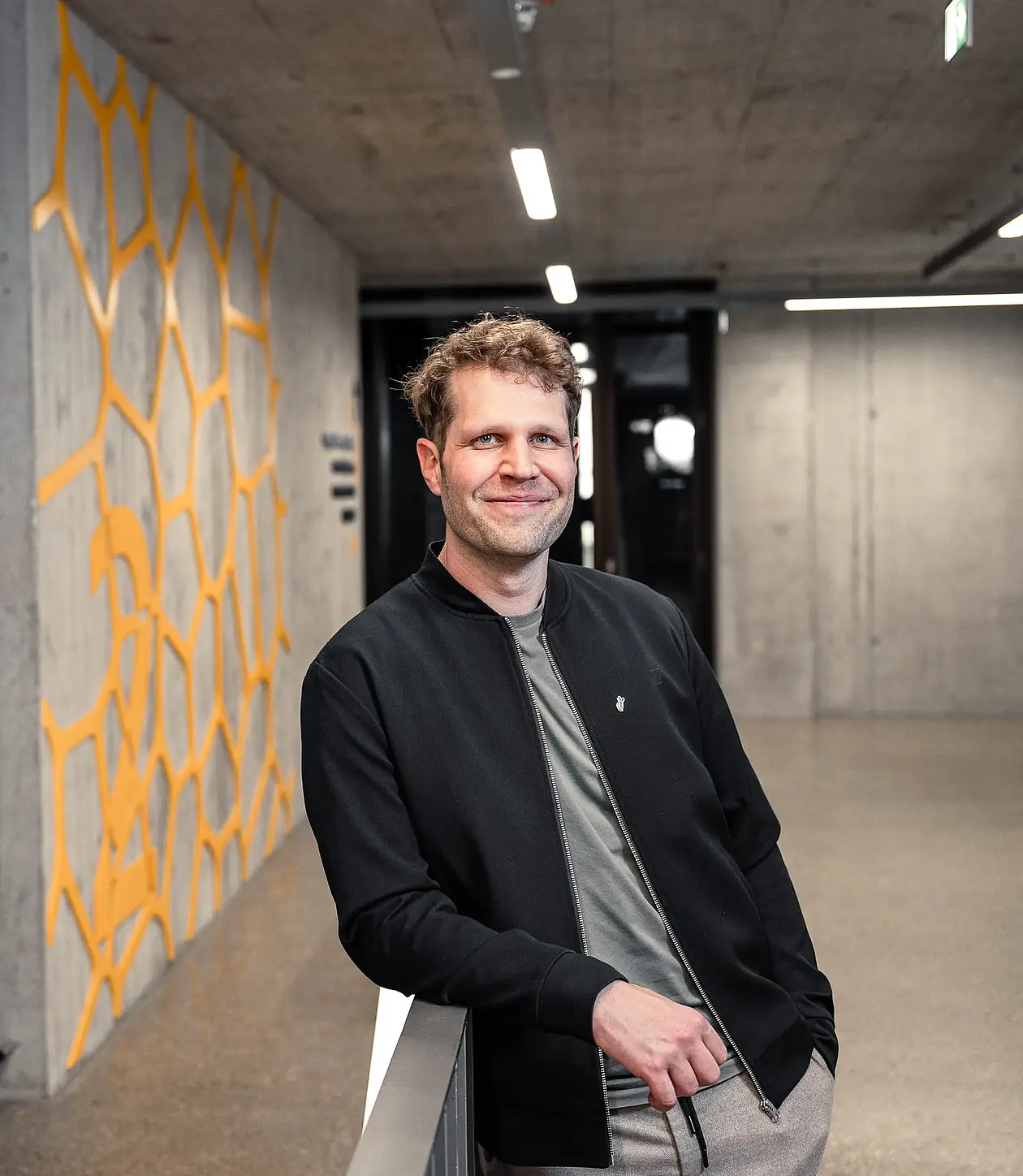
Florian Wimmers is investigating how AI can improve vaccinations for cancer patients.

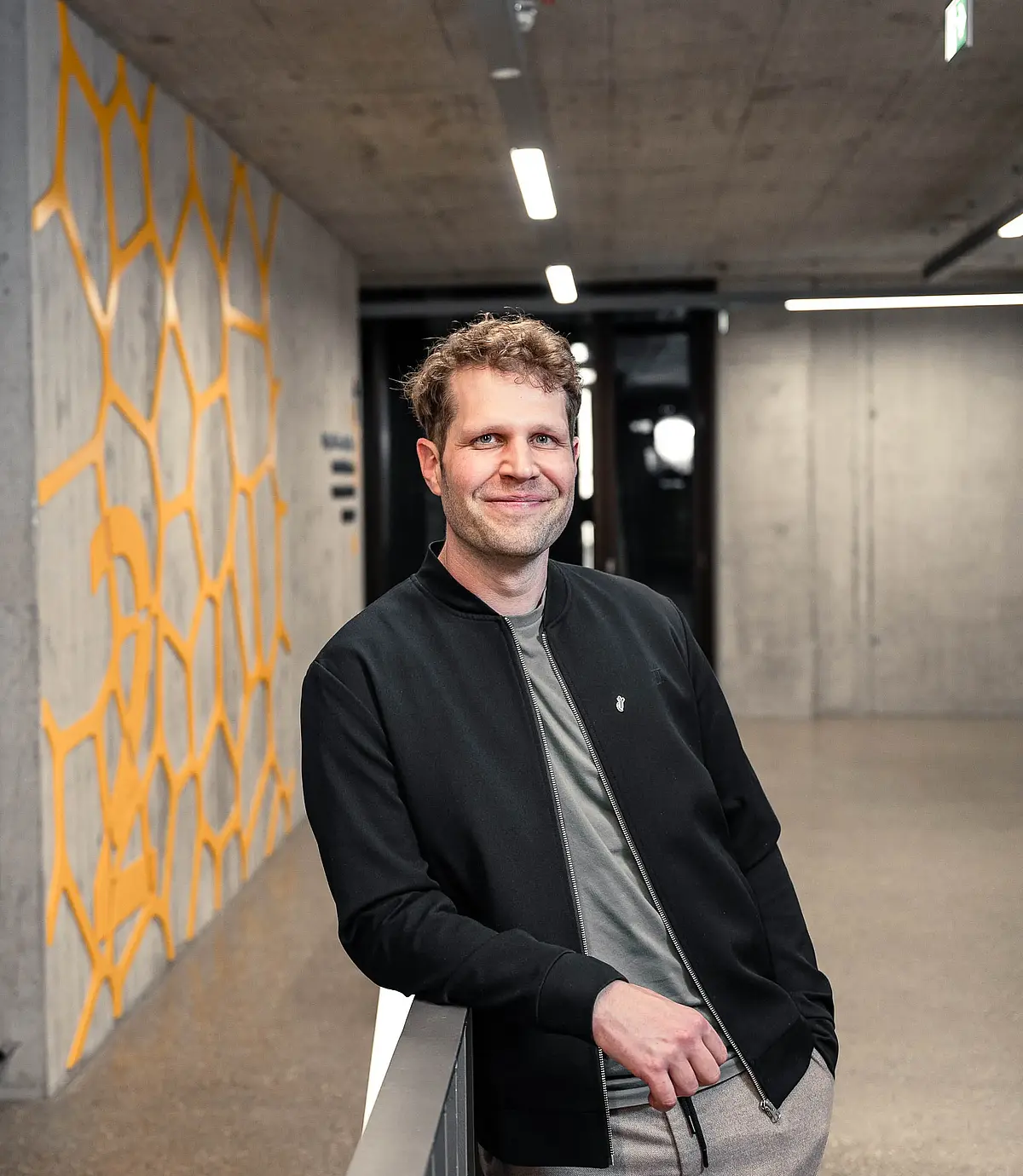
On the sixth floor of a new university building on the Morgenstelle campus, where floor-to-ceiling windows look over the City of Tübingen and the Swabian Alb, Florian Wimmers and his team spend their day between the offices, meeting rooms and the kitchen investigating why people with cancer often respond worse to vaccines and have a significantly higher risk of dying from infections.

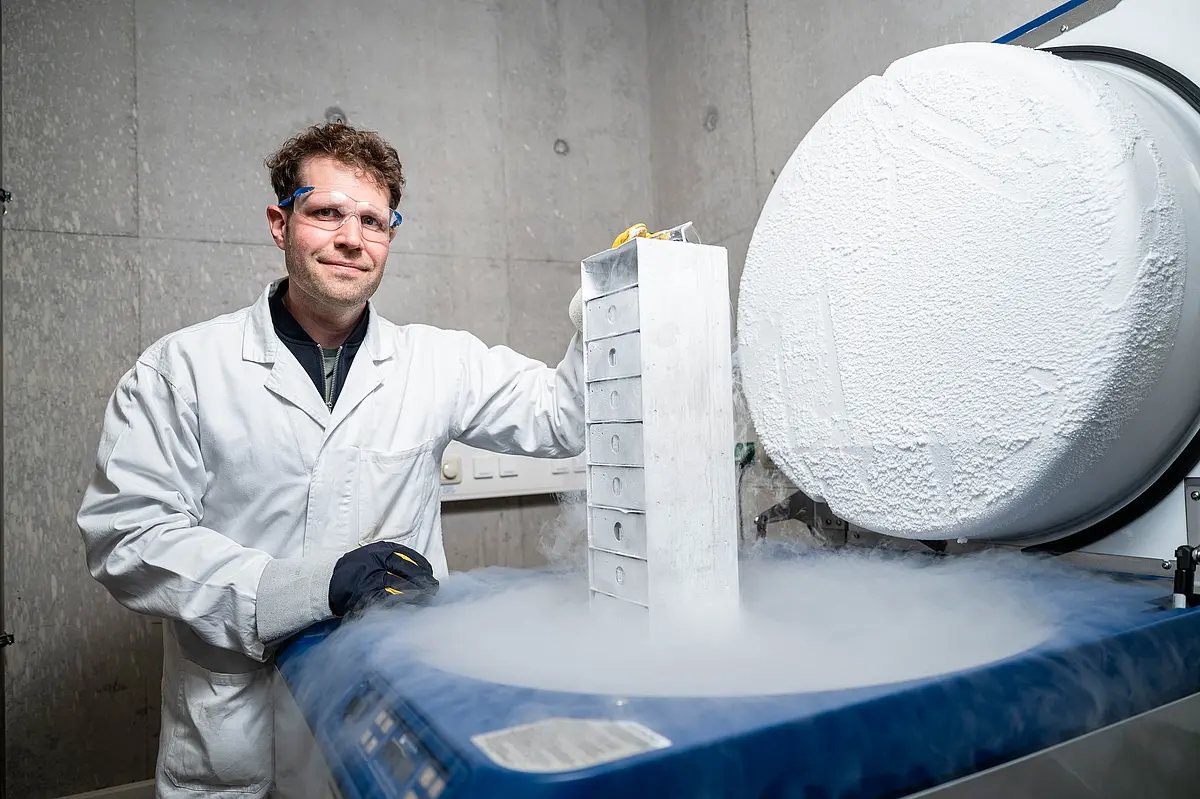
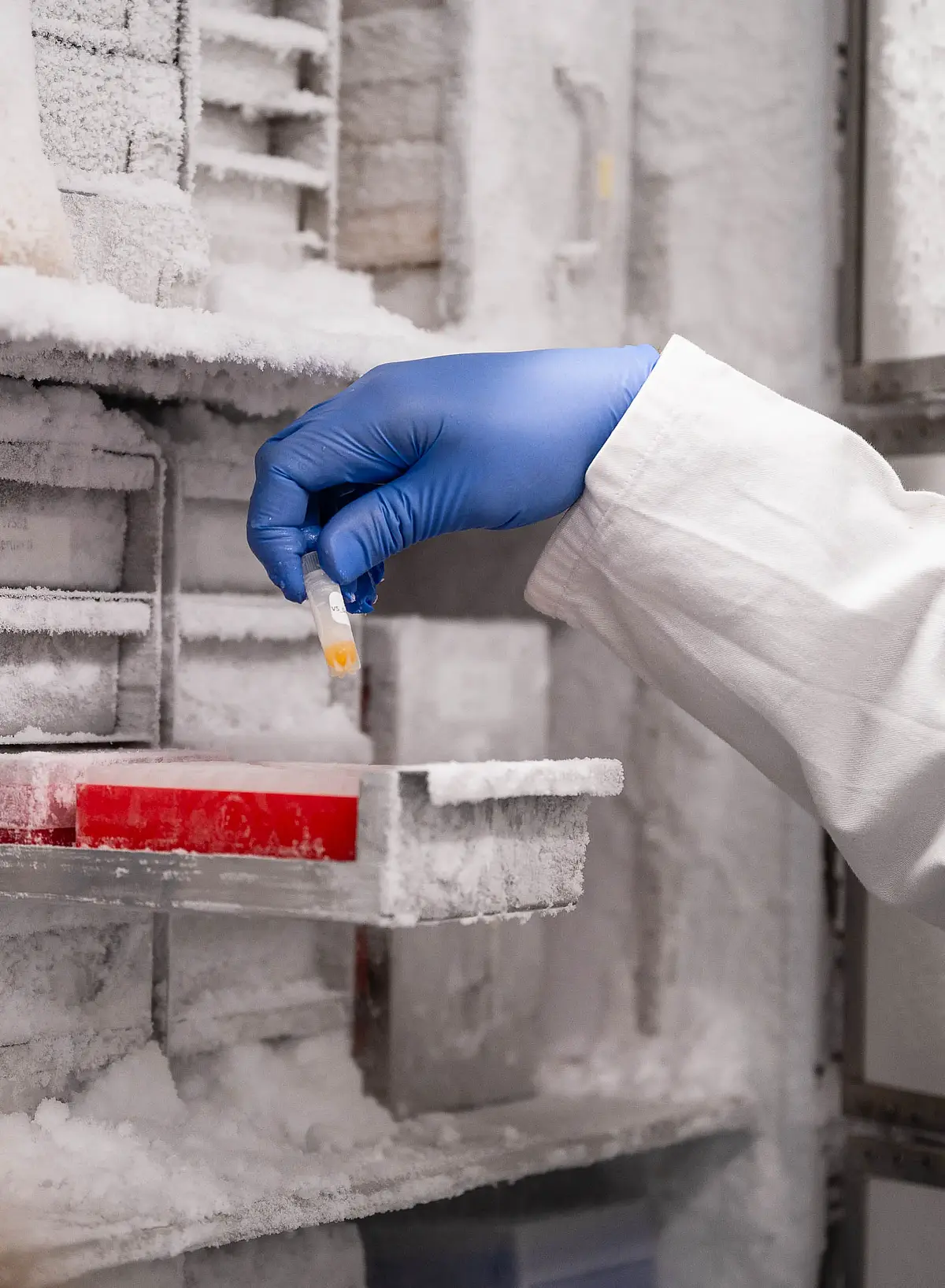
“Cancer itself can be a contributing factor to this higher risk but another possible explanation is that many cancer treatments weaken the immune system and cause weaker responses to vaccinations,” explains the expert for systems immunology. He enters the laboratory in a separately secured area and opens the door to a large refrigerator, releasing a cloud of white steam. He removes a capsule cooled to minus 196 degrees Celsius containing material from human tonsil cells – biological leftovers from routine operations. Tonsils are part of the lymphatic system and a perfect model for researchers because they contain immune cells that respond directly to vaccines.

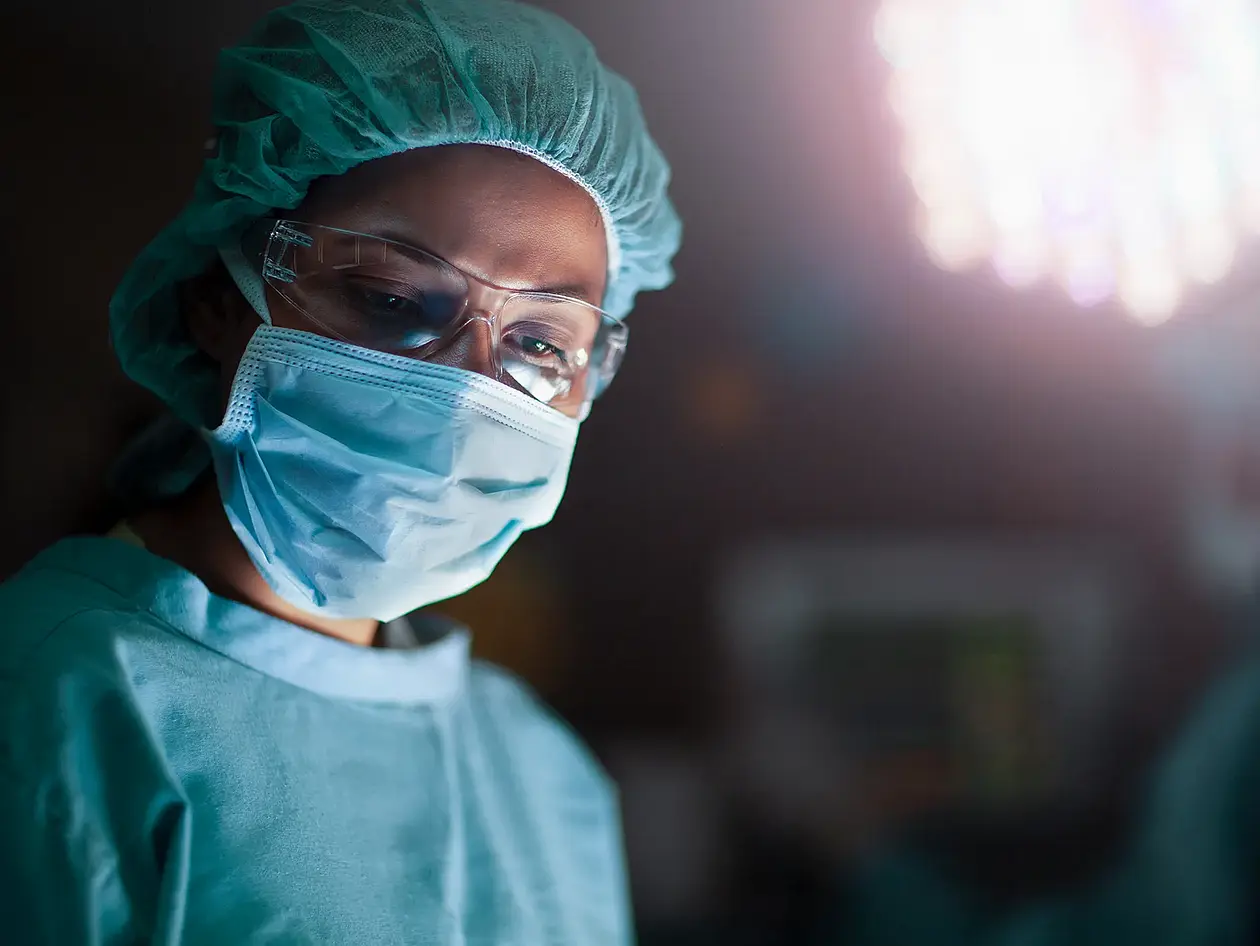
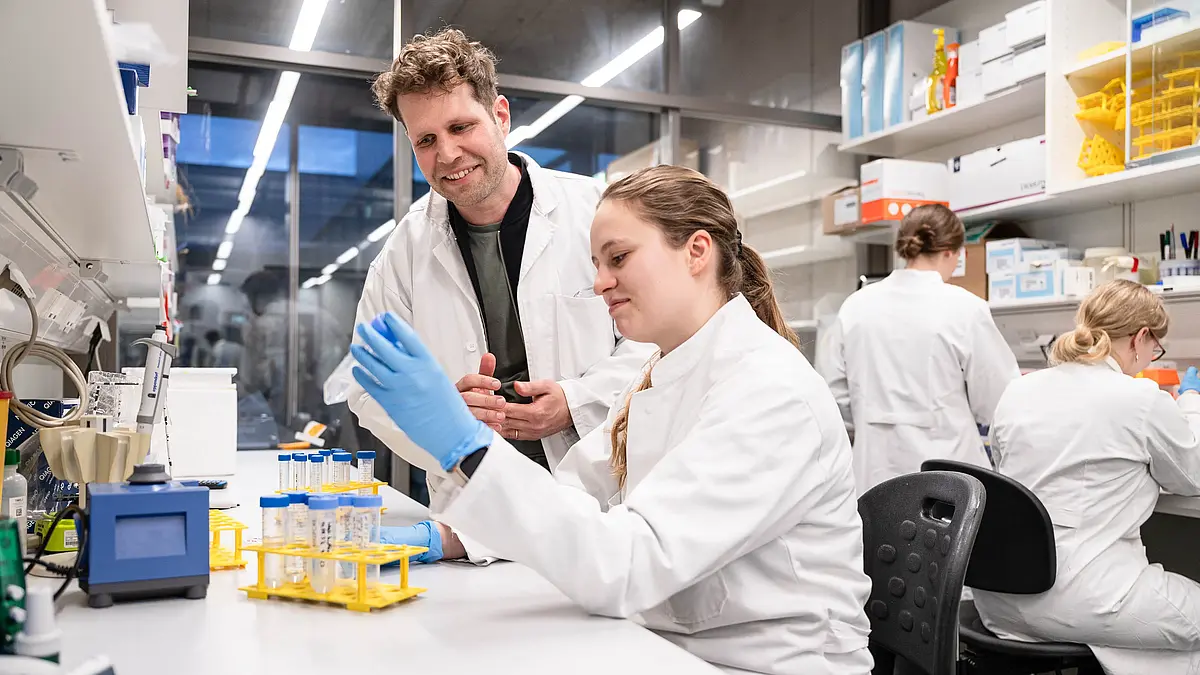
Researchers cultivate these cells into so-called organoids or “mini-organs” that can be used to simulate vaccination reactions. Using a pipette, a doctoral student carefully dispenses a liquid containing cells extracted from tonsil tissue into 96 wells on a microplate. Through molecular signals, the cells join to form an organoid
representing the cellular organization of tonsil tissue. Vaccines for influenza or herpes, or cancer drugs are added by the doctoral student to some of the wells.

Researchers can now observe the effects of each combination. Antibodies are produced diligently by cells in some of the wells – surprisingly antibodies are also produced for some drugs that are supposed to slow down the immune response – in other wells there is little activity at all. Through their observations, the researchers can test the effects of hundreds of cancer drugs on immune cells. However, the number of possible variants and combinations of drugs is too large for all of them to be analysed with a pipette and laboratory equipment. More than 300 approved cancer drugs would result in almost 45,000 variants just for vaccine and drug pairs, without considering different dosages.


Cancer therapies weaken the immune system.

Virtual lymph node delivers results in record time 

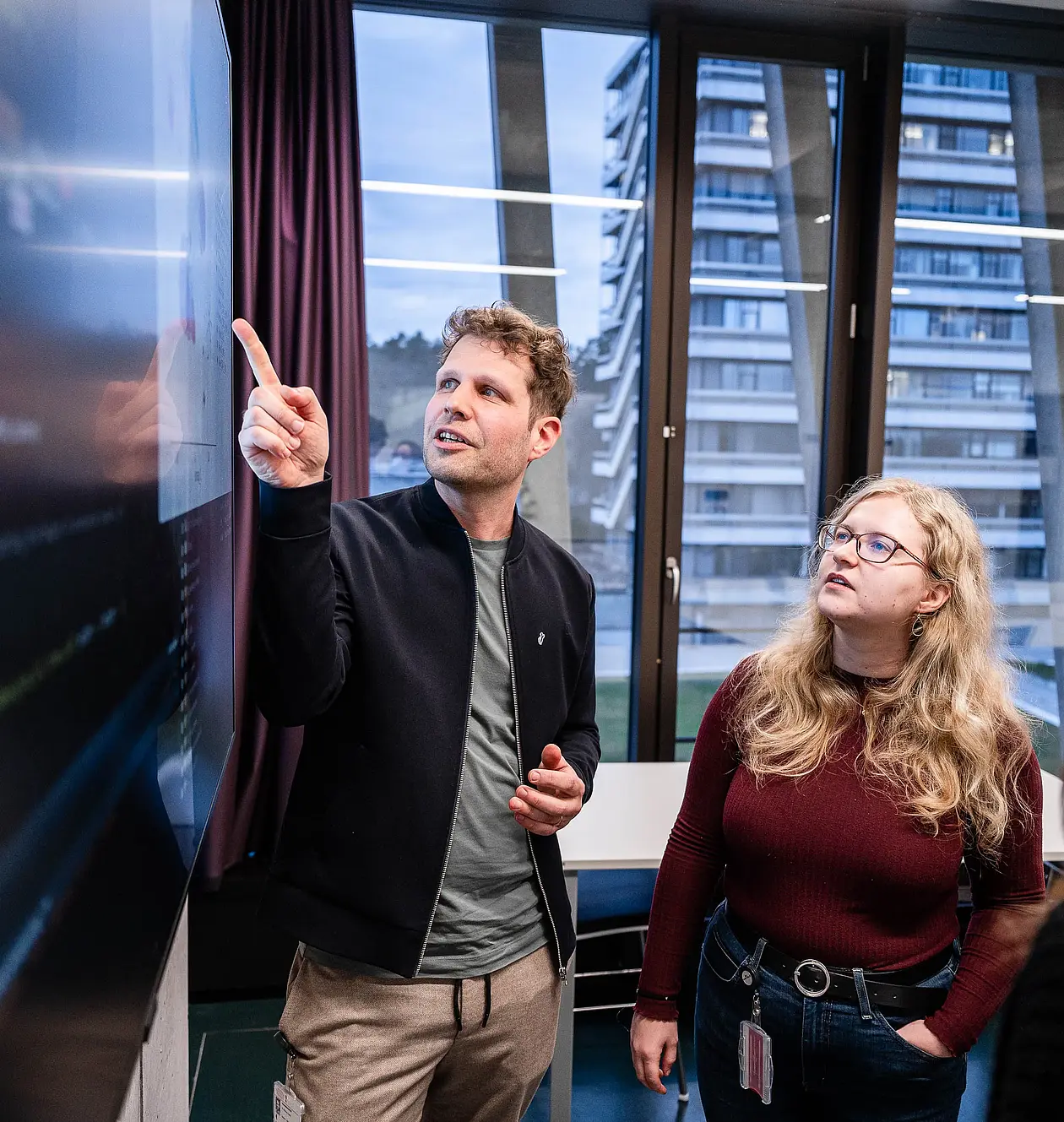
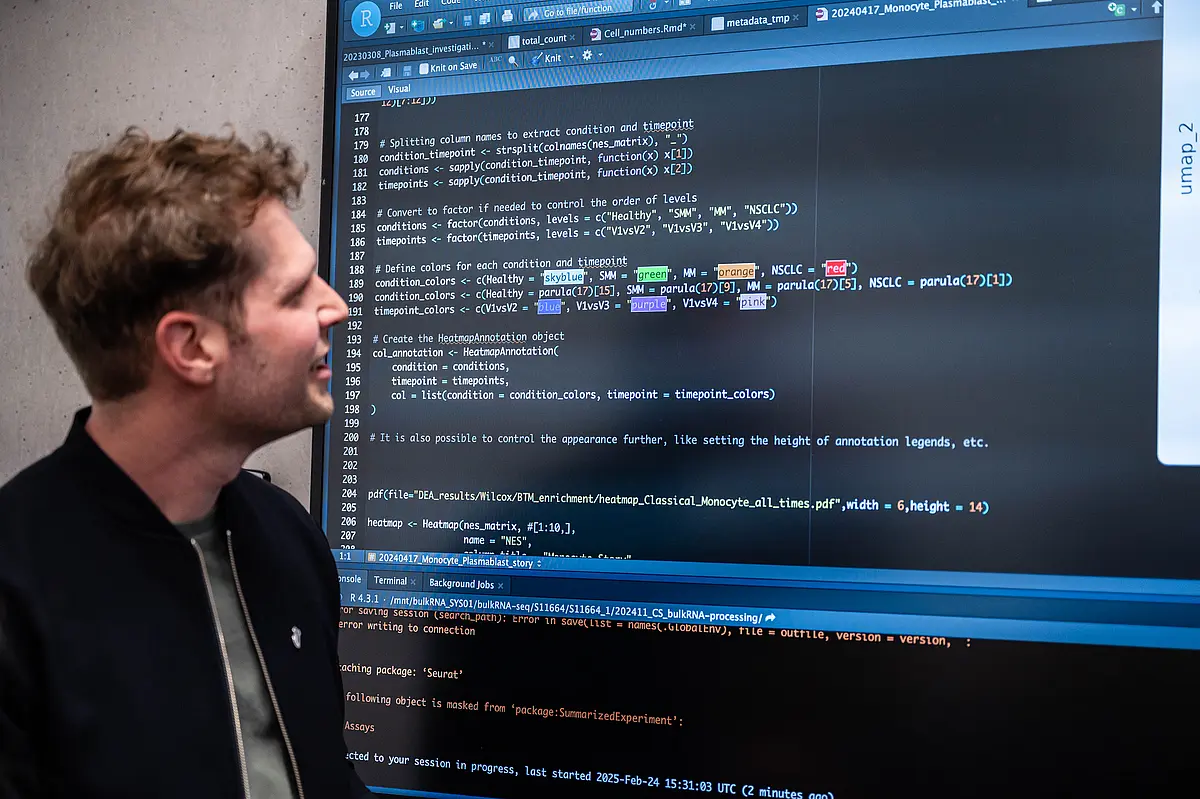
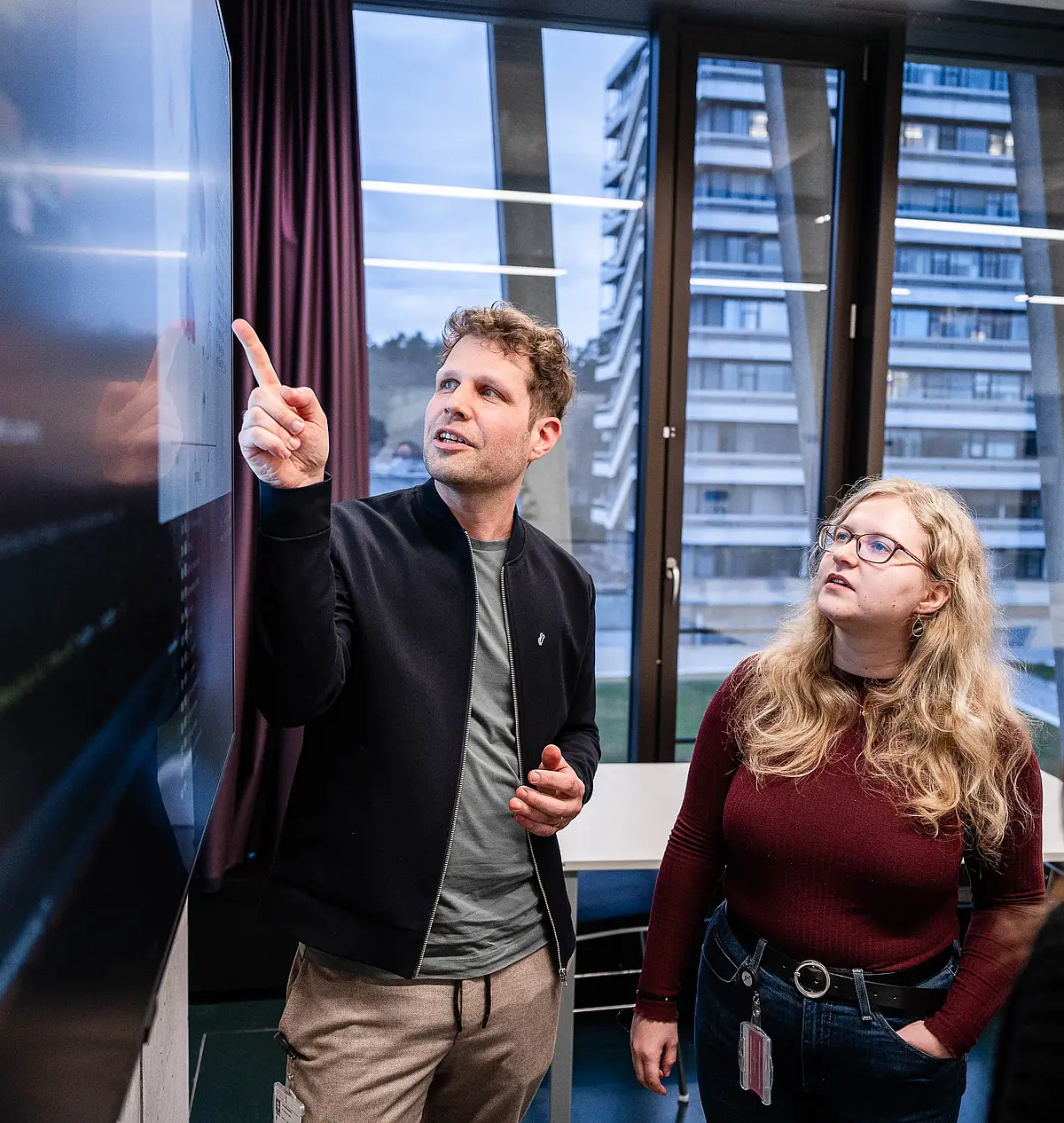
This is where artificial intelligence comes in. A digital model trained with real research data and developed in-house runs through many thousands of vaccine and drug combinations very quickly. An algorithm filters out interesting cell reactions from the gigantic amount of data generated in this virtual lymph node. Humans take over again and examine these candidates again using conventional methods in real tissue. “Our work is defined by the interface between biology and computer science,” says Wimmers. “We are pushing the limits of current methods – both in the laboratory and in AI analyses, as the experiments are particularly complex and the data sets are vast. We are putting in a lot of our own development work and establishing new algorithms and processes because we want to explore the potential of these methods, for other research areas too.”


The interface between biology and computer science is what makes our work special.

Researchers from three countries

The team intends that their findings should be incorporated into medical guidelines. “It would be a great step forward if doctors could say in the future whether Drug B and Vaccine C would be effective or not for Patient A. If we can prevent infections in the future, our work will have been worth it,” says Wimmers. His team of six include postdoctoral students, doctoral student and a lab assistant. Master’s degree students are also involved in the research. The young and interdisciplinary team brings together researchers from Spain, China and Germany. Their skills range from laboratory expertise to human biology and IT. “It is important to me that people exchange ideas and support each other with their respective expertise.

Everyone developed an understanding of our approach impressively quickly. Now our doctoral students are writing their own hypotheses, independently interpreting data and designing new experiments.”

“The best thing about science is when all the pieces fit together.”

“Other people like to do puzzles and I like to investigate the immune system,” says Florian Wimmers. “If at the beginning you don’t understand exactly how cells work together or why an effect occurs and then you can gradually put the different parts together, that just makes me happy.” He recently enjoyed such a breakthrough. During his postdoctoral research in the USA at Stanford University, Wimmers observed a conspicuous reaction of certain immune cells. “With the methods at the time, we could only describe this as an observation, but not really understand what was happening at the molecular level.” Now, years later, a new analysis has brought the solution. Thanks to more precise measurement methods and extended data sets, the Tübingen team was able to elucidate the underlying mechanism in cooperation with teams at the Universities of Stanford and Berkeley in the USA and the Weizman Institute in Isreal. “Suddenly everything fitted together – moments like these are the most beautiful thing about science for me.”


The best thing about science is when all the pieces fit together.


The European Research Council is funding Florian Wimmers’ laboratory with 1.5 million euros from 2025 to 2030 with an ERC Starting Grant for early career scientists. The first results are expected to be published in 2026. Wimmers gained experience in leading research groups in the Netherlands, Switzerland and the USA and has been head of an Emmy Noether research group at the University of Tübingen since 2022.

Text: Christoph Karcher


More articles

Enough Air to Breathe

Three studies by the Institute for Occupational Medicine at the University of Tübingen changed the recommendations for wearing masks in the workplace during the coronavirus pandemic.

The End of the Classical Scholar

The historian Ewald Frie and the sociologist Boris Nieswand have jointly  written the book “Keplerstrasse 2”. An interview.