Uni-Tübingen

The AI geniuses of tomorrow

What are the winners of the national AI-competition for pupils doing today? We asked them.

Predicting train delays

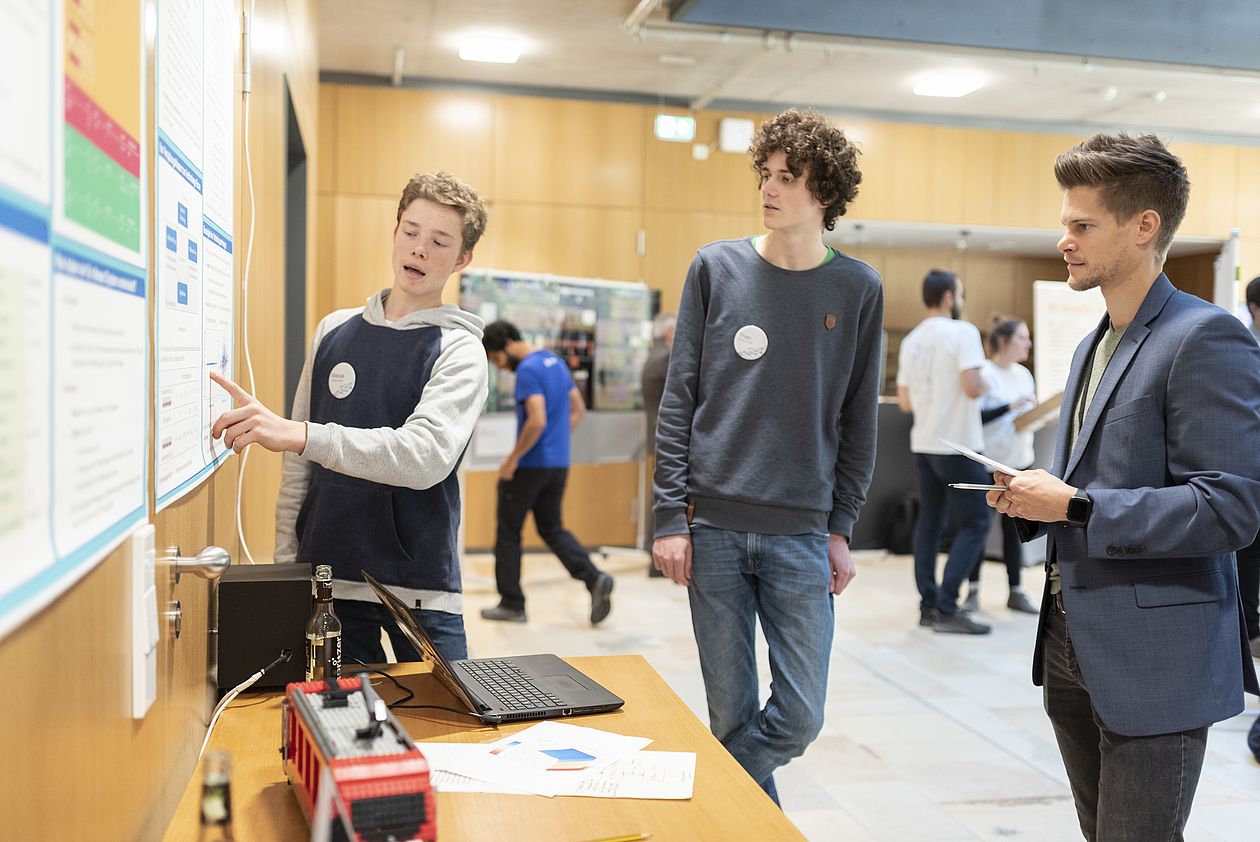
Marius De Kuthy Meurers and Theo Döllmann as 16-year-olds at the project pitch in the 2019 final.

Back then

In 2019, Theo Döllmann and Marius De Kuthy Meurers impressed the jury with their train delay warning system. Based on a large dataset covering actual train journeys, weather, and school holidays, their algorithm predicts train punctuality, which users can check on a custom-built website.

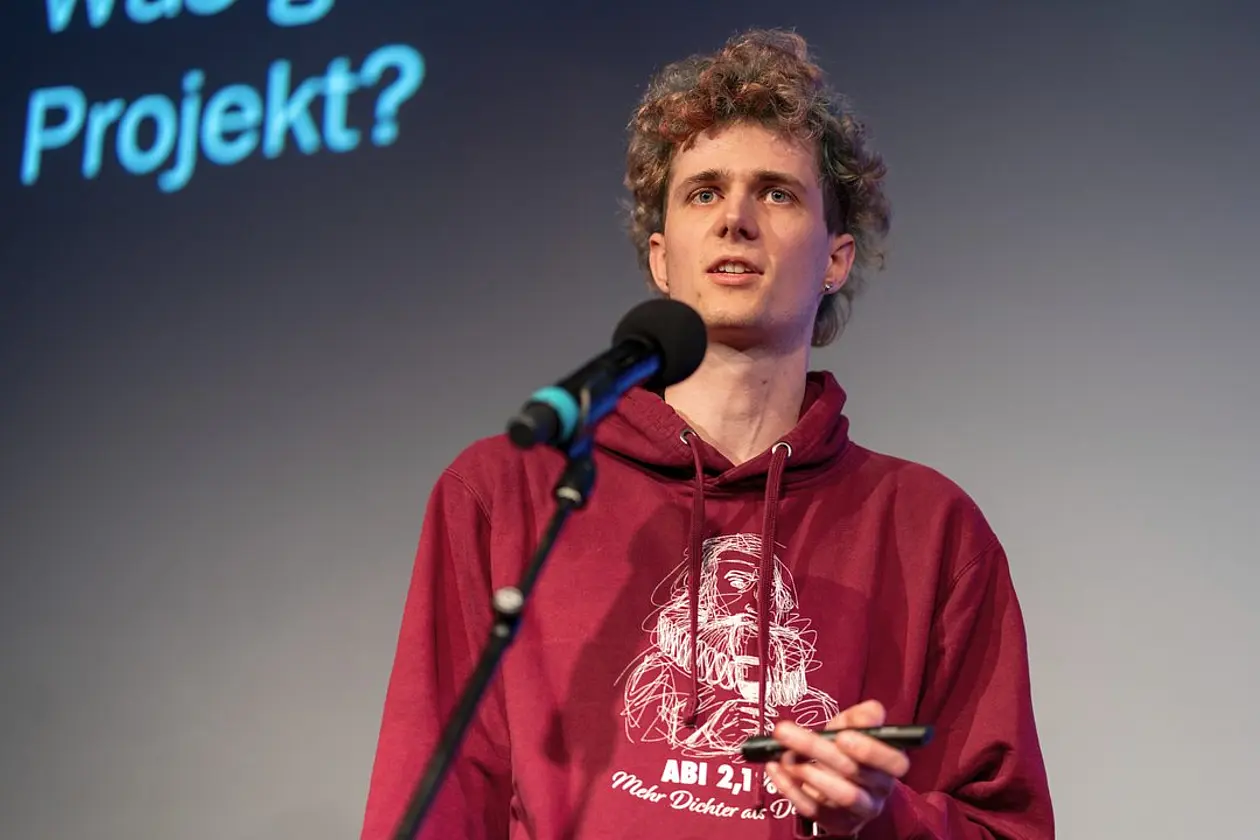
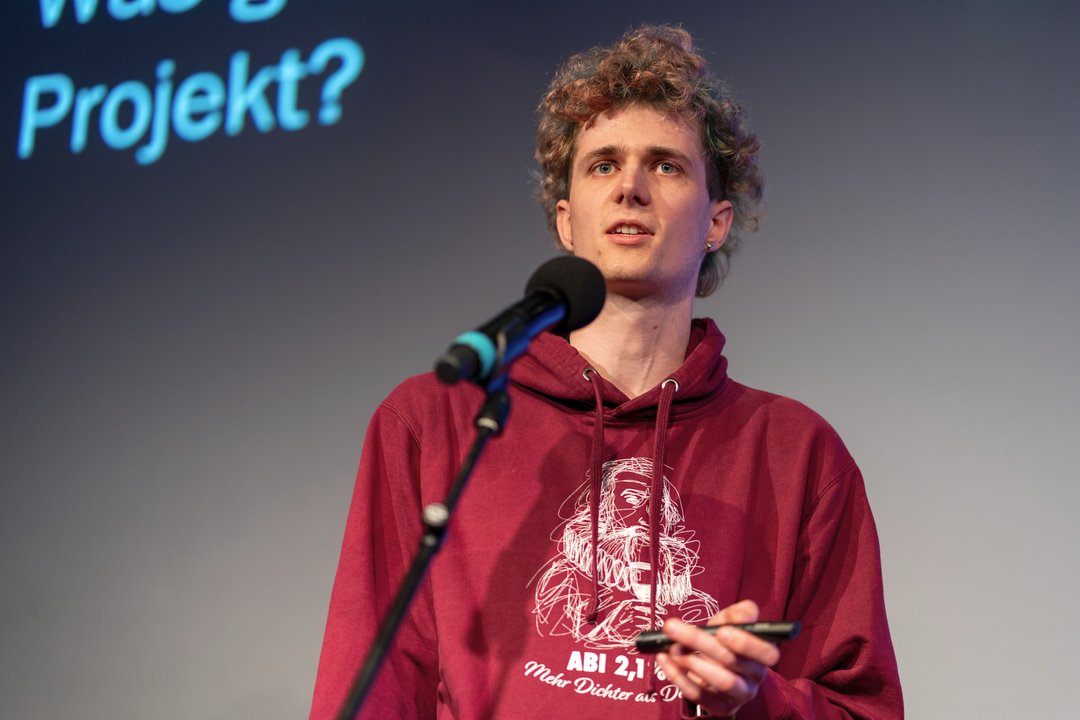
Theo Döllmann as a sought-after speaker – here at the “Prototype Fund Anniversary” in Berlin in 2024 on the topic of “Rail connection predictions”.

Today

Theo Döllmann couldn’t let go of the project. Meanwhile, alongside his geoinformatics studies, he has significantly improved the prediction quality by incorporating real-time data. And his technology has demonstrated its value in practical applications: The Baden-Württemberg local transport company is currently working with him to integrate his prediction tool into their timetable information system.


AI model for solar energy

Back then

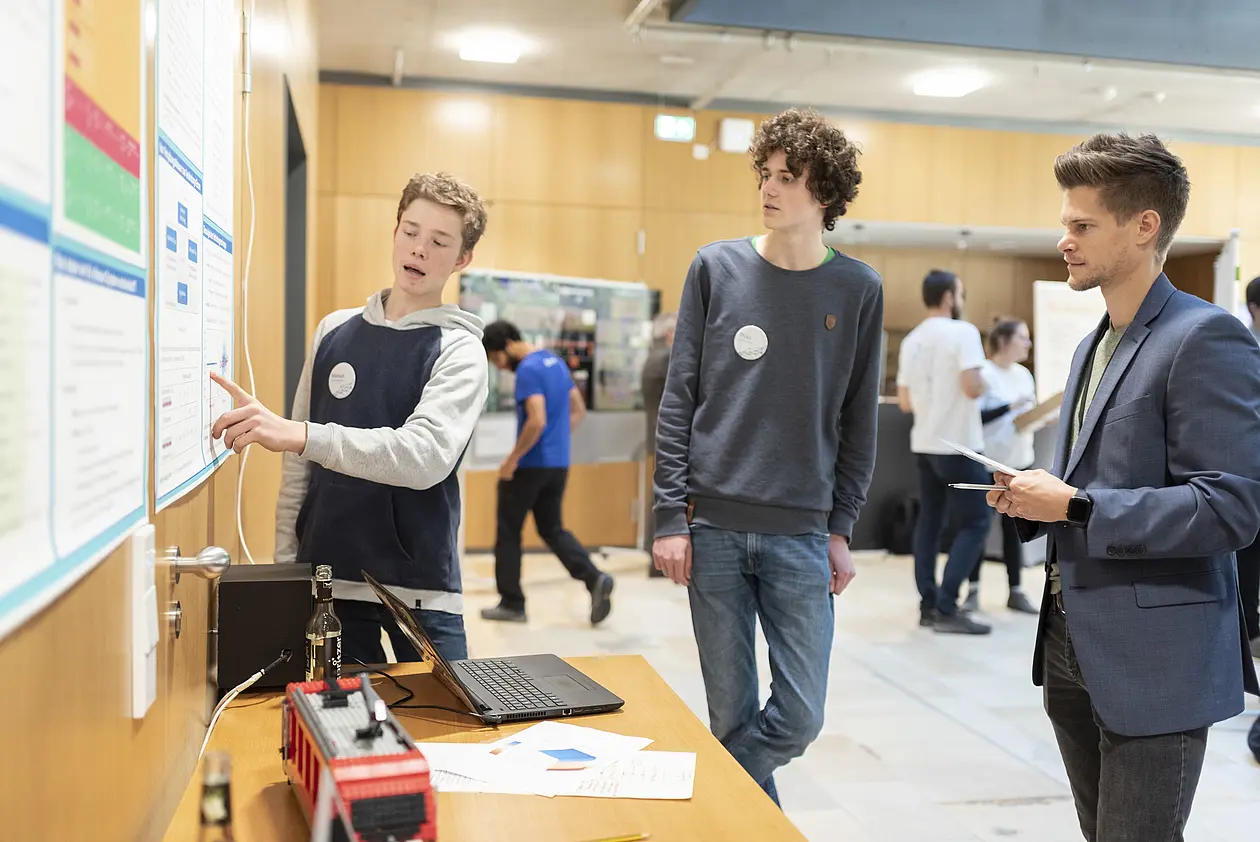
Marcel Decker, Max Schmidt, and Jacob Bürkle won the audience award and the “Environment & Sustainability” prize in 2023 with their team for their AI model that can quickly and affordably calculate the solar energy yield for home rooftops.

The former students are now founders and managing directors: Marcel Decker, Max Schmidt, and Jacob Bürkle.

Today

The BWKI alumni have founded the startup “Kenergy Solutions GmbH” based on their BWKI project, alongside their computer science studies. They were able to bring the Dreieich municipal utilities on board as a strategic partner, which now uses their solution for the automatic analysis, potential assessment, and planning of PV systems for all houses in the city.


Smart traffic light

Federal President Steinmeier also expressed interest in Leonie Weiss' AI in 2024.

Back then

In 2024, Leonie Weiss from Regensburg received the special “AI for Good” award for her intelligent traffic light system. Her self-trained object recognition AI can detect vehicles in real time so that construction site traffic lights do not switch to red at fixed intervals, but only when necessary.

Today

Currently, alongside school and her early physics studies at the University of Regensburg, Leonie Weiss is developing a prototype – a small box with a camera, sensors, and control electronics. She aims to turn her BWKI project into a start-up. Always keeping the goal in mind: Reducing wait times for drivers – and thus emissions. Suddenly, next year’s final exams seem almost secondary…


Pronounciation trainer

Daniel Busch presented his idea at the 2021 final.

Back then

Daniel Busch and his team from Frankfurt were the 2021 BWKI winners with their pronunciation trainer: Users can read a text aloud to the trainer, which then provides AI-based feedback on possible language errors and correct pronunciation.

Today

Daniel Busch has since turned the pronunciation trainer into a website and is studying cognitive science at the University of Tübingen. Through his linguistics professor, he connected with linguist Konstantin Serin, with whom he is currently conducting an effectiveness study on online pronunciation trainers. The target group for his pronunciation trainer is people who do not speak German as their native language.


Controlling devices with AI

Jonathan Reinhart surprised the jury in 2023 with his sophisticated electrical engineering.

Back then

 Jonathan Reinhart's goal for 2023: With his BWKI project, he wanted to enable severely disabled people to open doors or regulate heating systems without using their hands or voice commands. To this end, he developed an algorithm that translates thoughts into signals using an EEG cap he designed himself. The Göttingen student drew inspiration from Elon Musk's brain-computer interface Neuralink – and won the grand prize with it.

Today

Jonathan Reinhart is now studying electrical engineering and information technology at ETH Zurich. When his time-consuming studies allow him some free time, he continues to work on his BWKI project and is primarily trying to improve the machine learning model. He is currently in talks with a Zurich institute about obtaining more computer resources, which are a prerequisite for this.

The German Artificial Intelligence Competition was launched in 2019 by the Tübingen AI Center – a research institution of the University of Tübingen and the Max Planck Institute for Intelligent Systems – and has been held annually ever since. 

High school students can develop their own AI project, either solo or in teams of up to four, and make a positive impact on people and the environment. The Carl Zeiss Foundation has been the main sponsor since 2020.

More at: https://www.bw-ki.de/ 


More articles

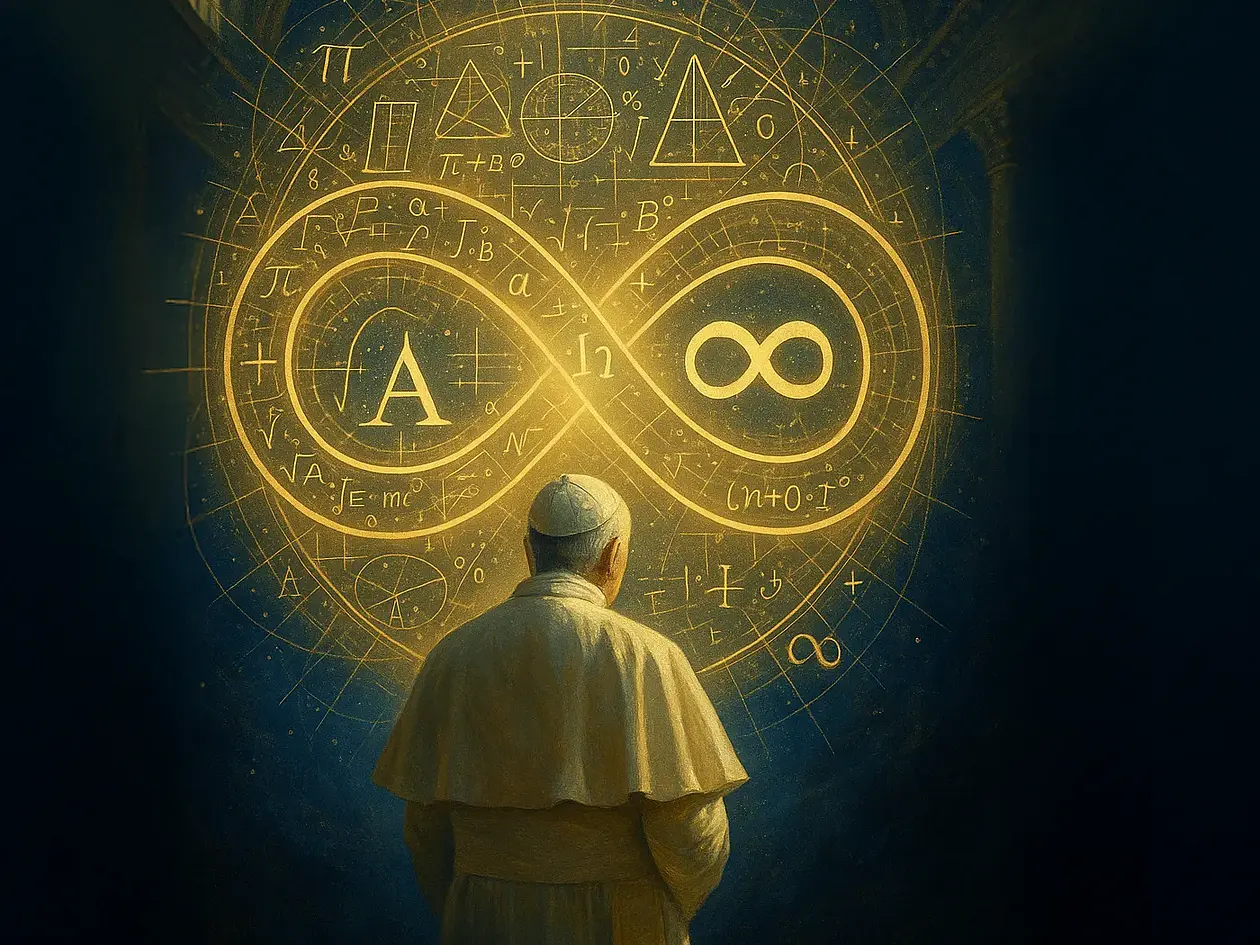
The Pope, mathematics and infinity

Leo XIV studied mathematics and so has a deep understanding on infinity.

Obesity in the brain

Eating too many sweets or fatty foods alters the brain's hunger regulation after just a few days.