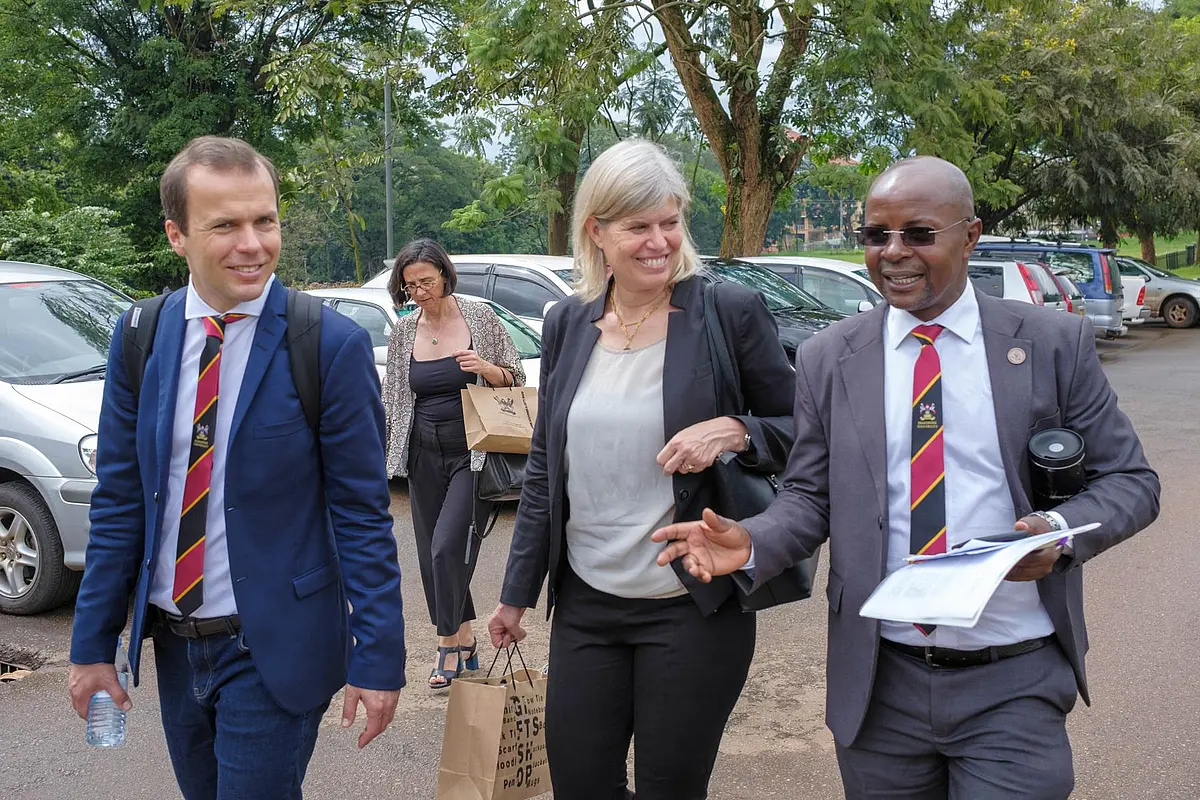
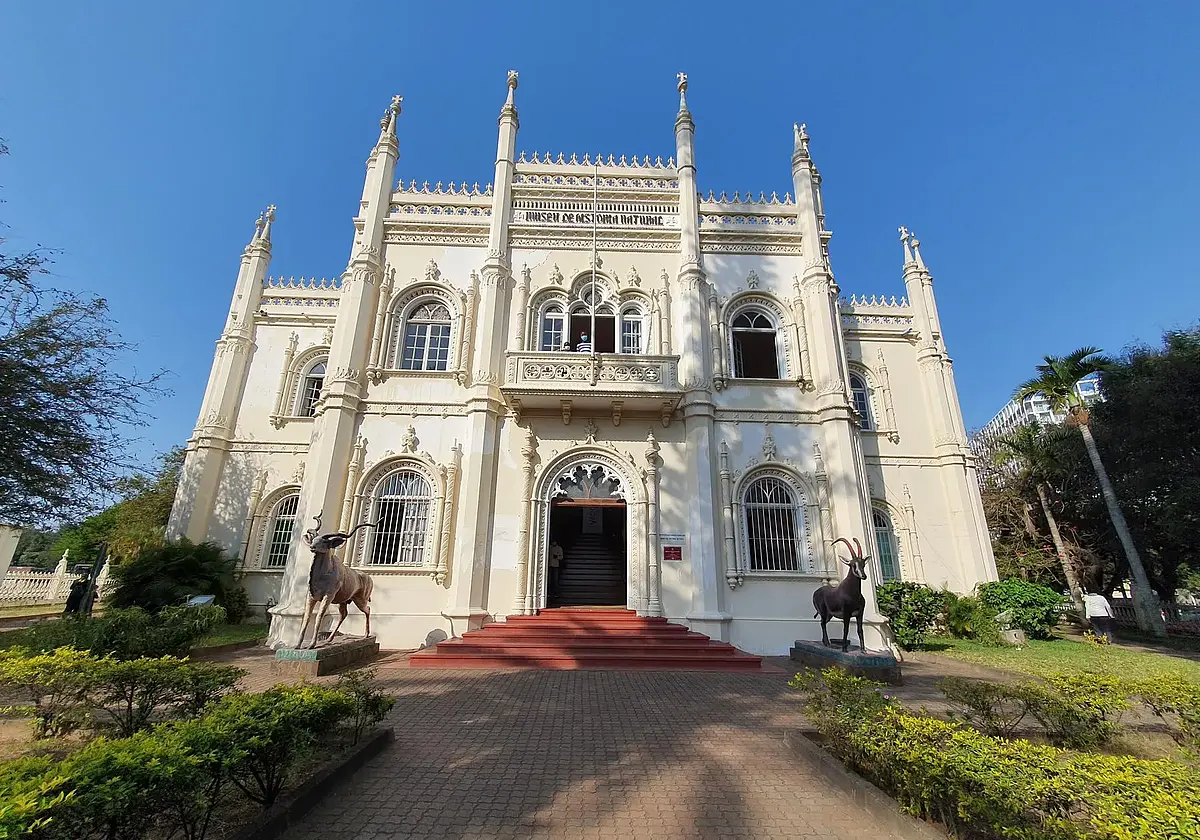
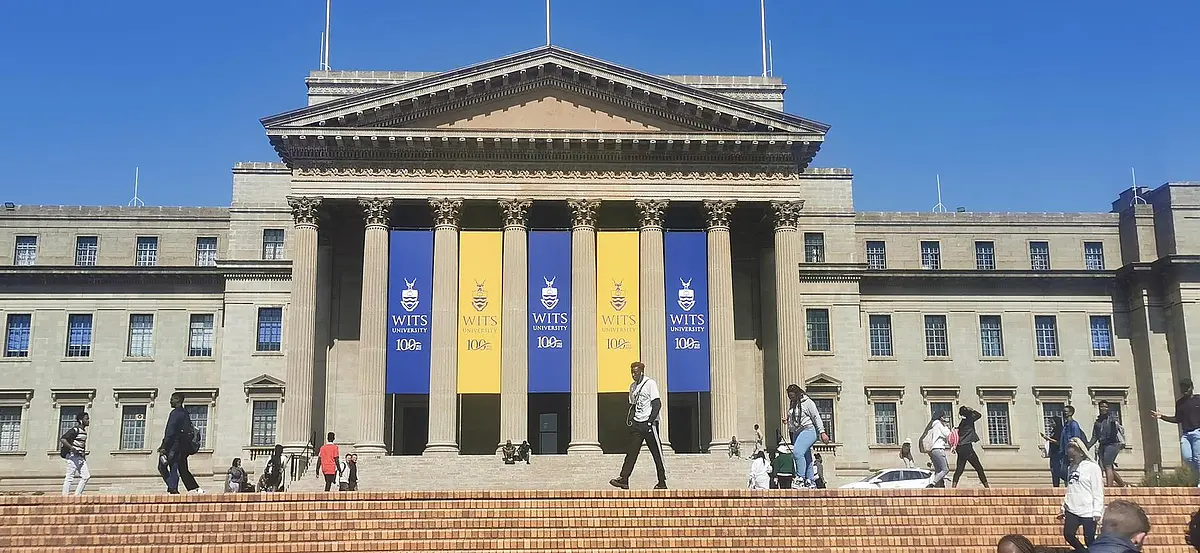
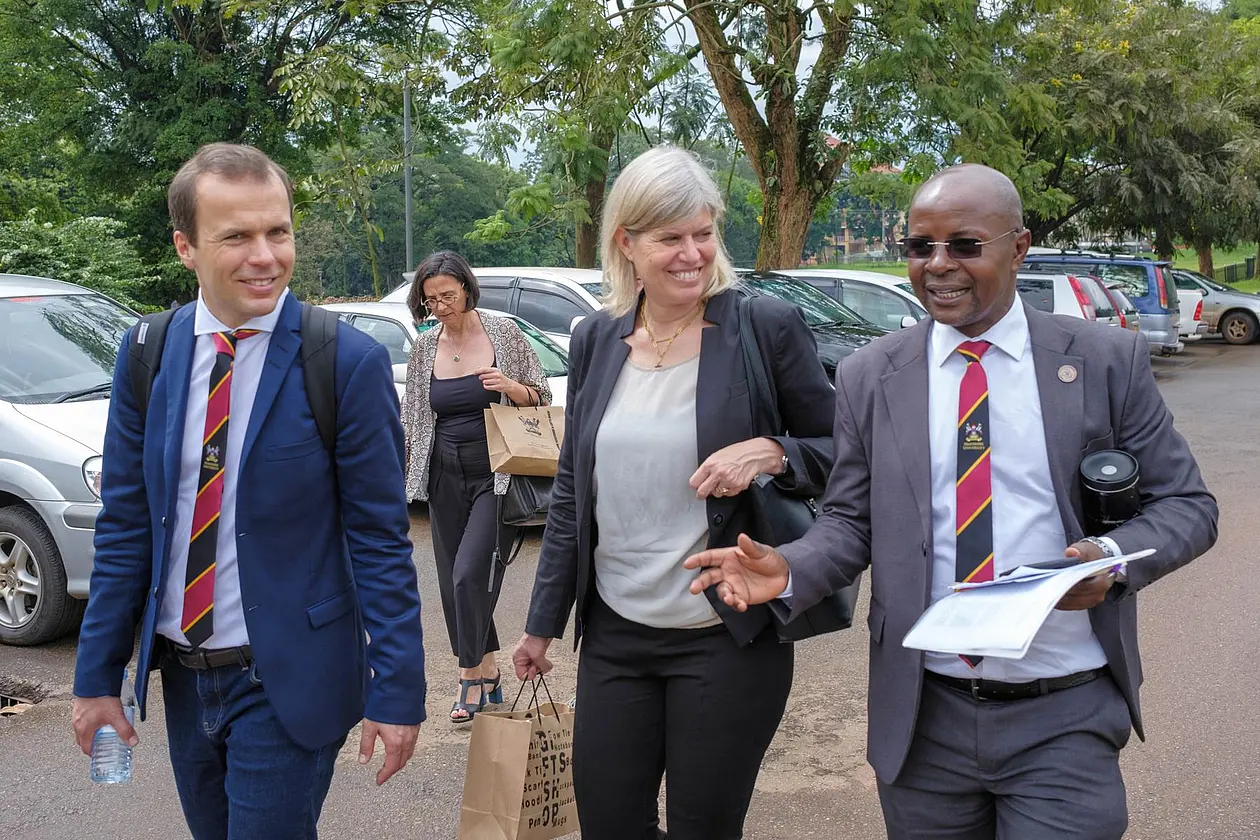
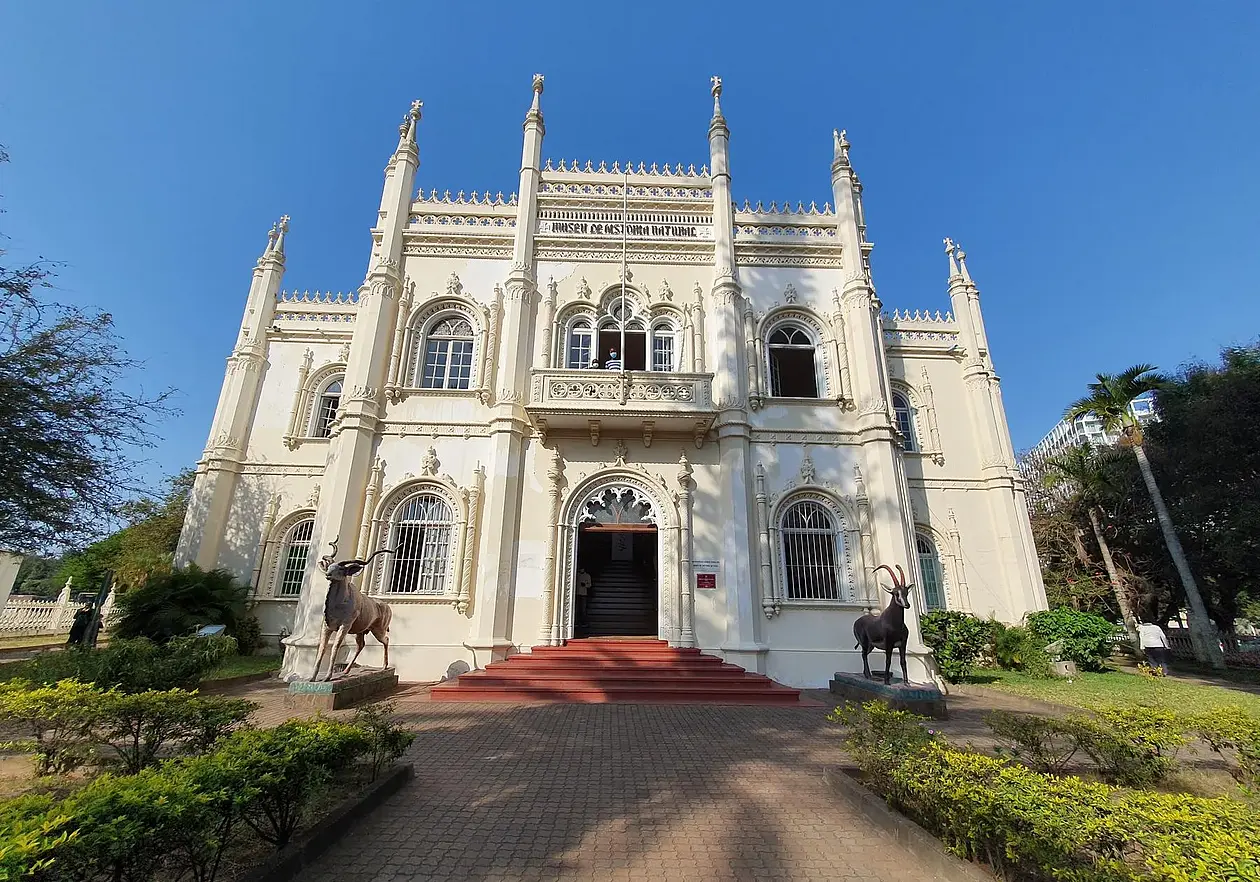
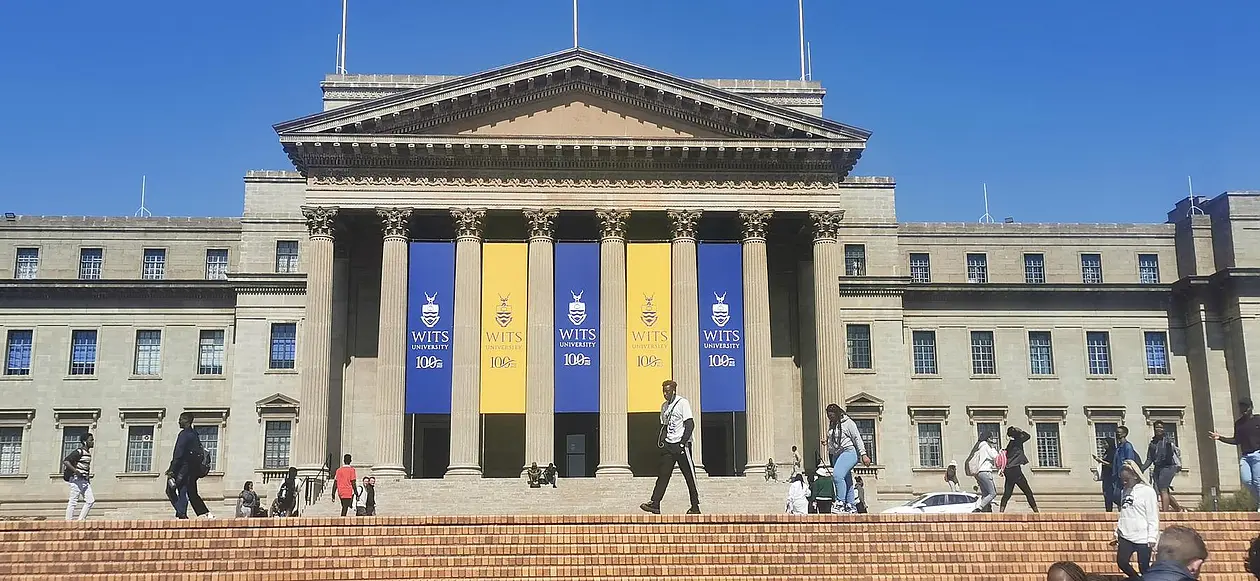
To date over 100 students from Africa have been able to take part in Blended Intensive Programmes (BIPs) using Erasmus funding that was specifically requested to enable the mobility of the African partners. African teachers have also taken part in roughly 30 BIPs already, and the first BIP offering a week on-site in Africa took place at the end of July at the University of Witwatersrand (WITS) in Johannesburg. African members are also integrated into the degree programs developed within CIVIS – here Möllmann highlights the new Master’s ‘EUROSUD’ on Southern European studies and the Master’s in Palaeolithic Archaeology, which incorporate among others the Hassan II University of Casablanca and WITS. Future courses will be developed jointly from the ground up.
The African partners are especially goal-oriented in the cooperation, Möllmann comments. Since they cannot benefit directly from the EU funding for CIVIS, for instance by creating jobs, they do not have the same capacities for CIVIS activities as full members. “Our colleagues there do everything on top of their regular jobs,” says Möllmann. The additional work involved with the EU funding is hardly an issue to them: Instead of the sometimes complex project management and reporting, their focus is more on the creation of concrete possibilities for their members, whether in relation to mobility, research cooperation, or capacity building. They also hope for contributions from CIVIS, such as for the development of digital infrastructure or in doctoral education.
Learn from each other
At the same time, the partners in Africa bring a lot of new ideas to the European members of CIVIS. “Our African members are very strong in social engagement,” says Möllmann. The Hassan II University of Casablanca, for example, is engaged in urban development and the digitalization of public space; at WITS, service learning is integrated in most degree programs. “The European partners can learn a lot from this.” Last but not least, the opinion of African partners of global challenges is important. “Researchers at the university in Sfax, which is situated on the Mediterranean in Tunisia and is regarded as a ‘migration hub’, can contribute immediate experiences of migration flows from Africa to Europe.”