Uni-Tübingen

CIVIS helps grow established teaching projects

Initiatives in Korean studies and law as successful models of European cooperation

The European university alliance CIVIS offers teachers and researchers various formats for joint projects. In addition, CIVIS promotes ideas to help academics at the grassroots level to organize their own joint projects. This has now borne fruit in the form of established collaborations in teaching in the fields of Korean studies and law.

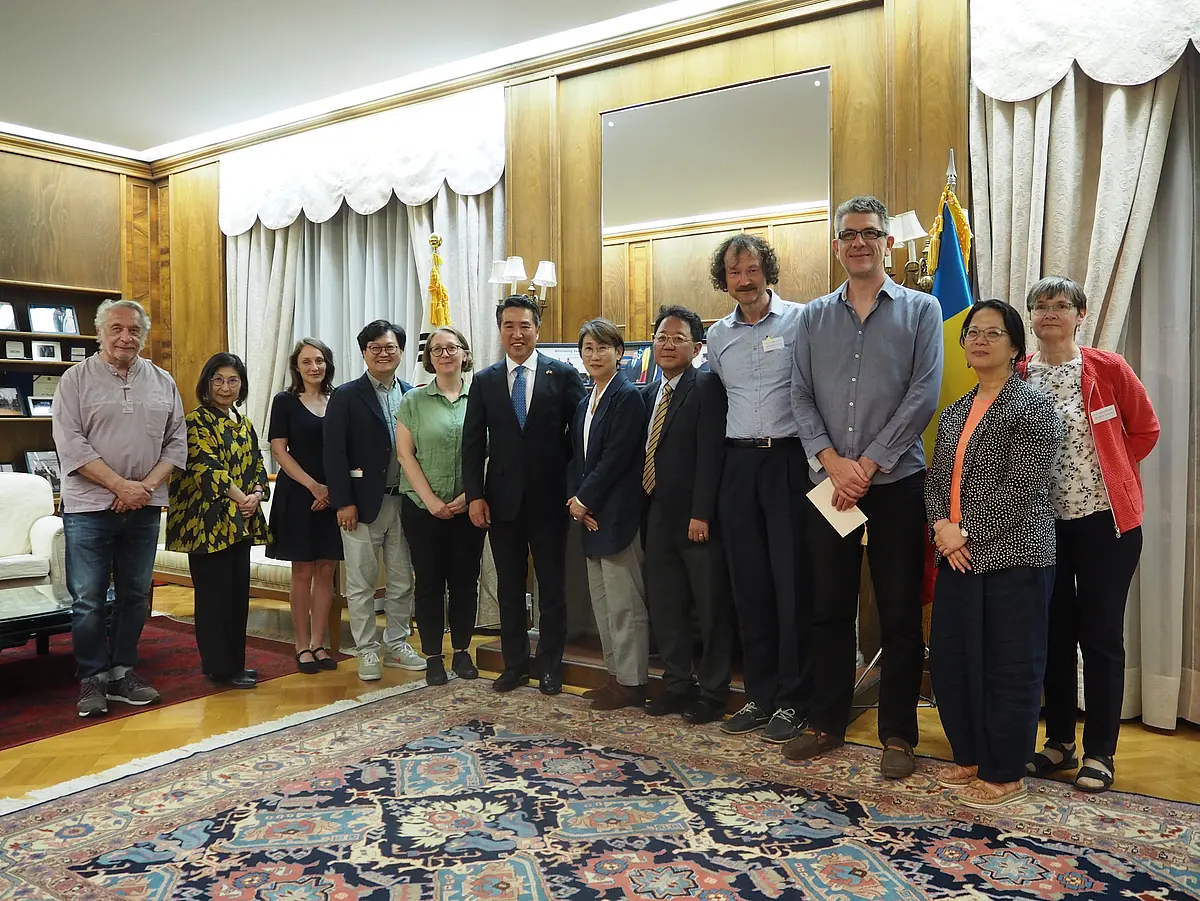
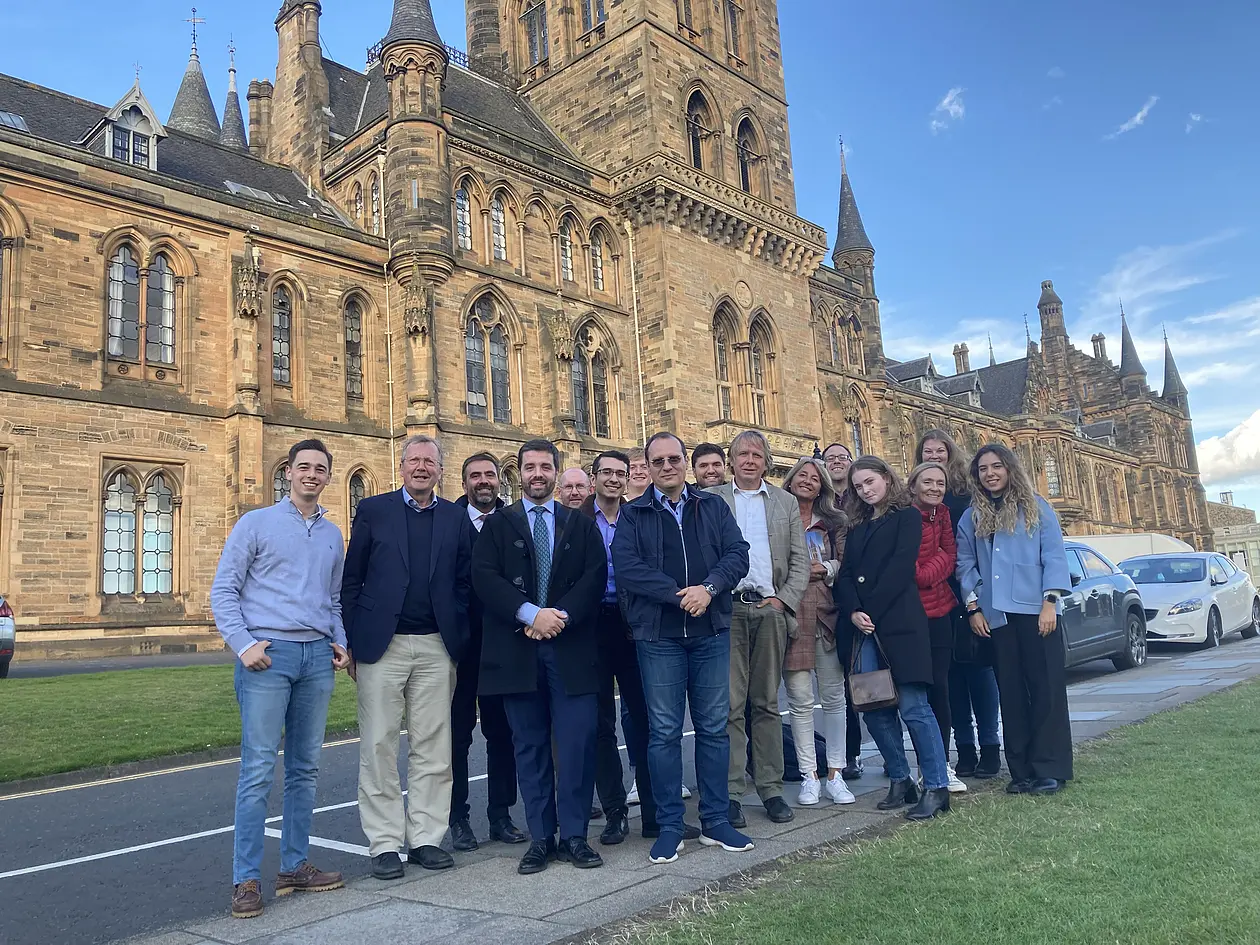
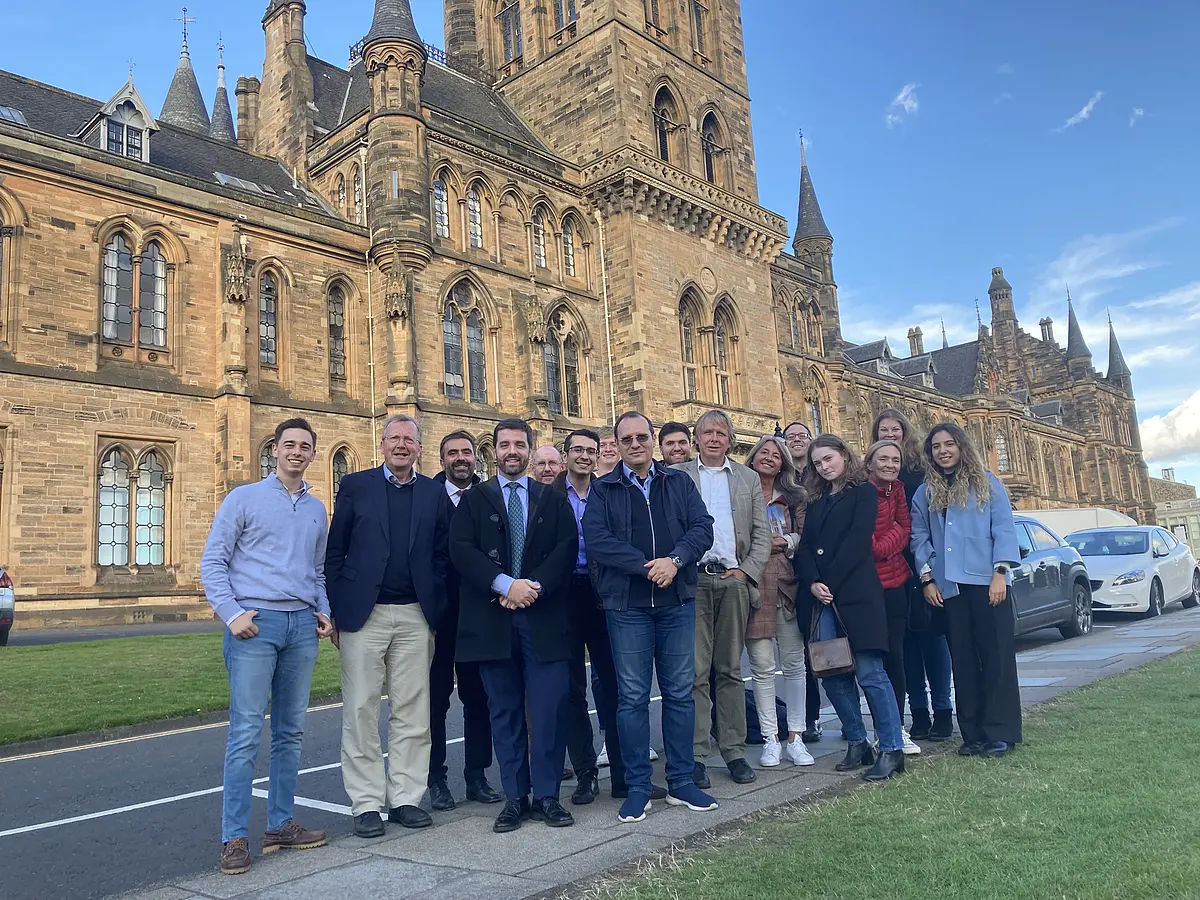
Bernd Heinrich, a professor of criminal law at the Faculty of Law, became active shortly after the CIVIS alliance was founded, at the suggestion of the President’s Office, to initiate cooperation in his field. When he sent out a request to all the CIVIS universities, Heinrich was delighted to find that almost every university had someone interested in such a network. “At an initial exploratory meeting in Tübingen in 2021, funded by CIVIS, it quickly became clear that we wanted to hold a joint seminar,” says Heinrich. In the next step, the group organized a series of online classes for students. Each university provided videos introducing the civil, criminal, and public law of their respective countries. Around 30 half-hour films were produced – a brief comparison of European law that each university can use for its own purposes.

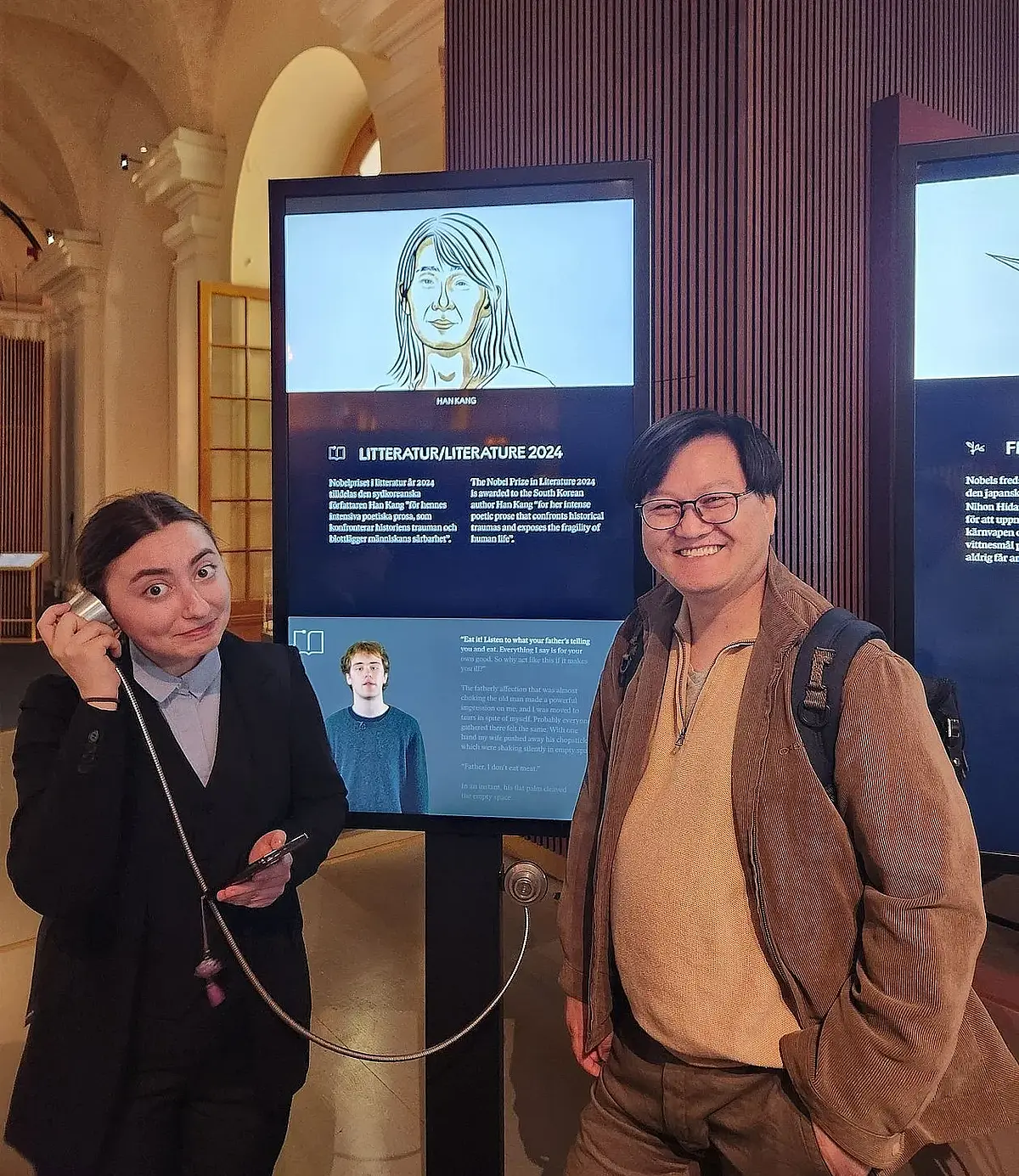
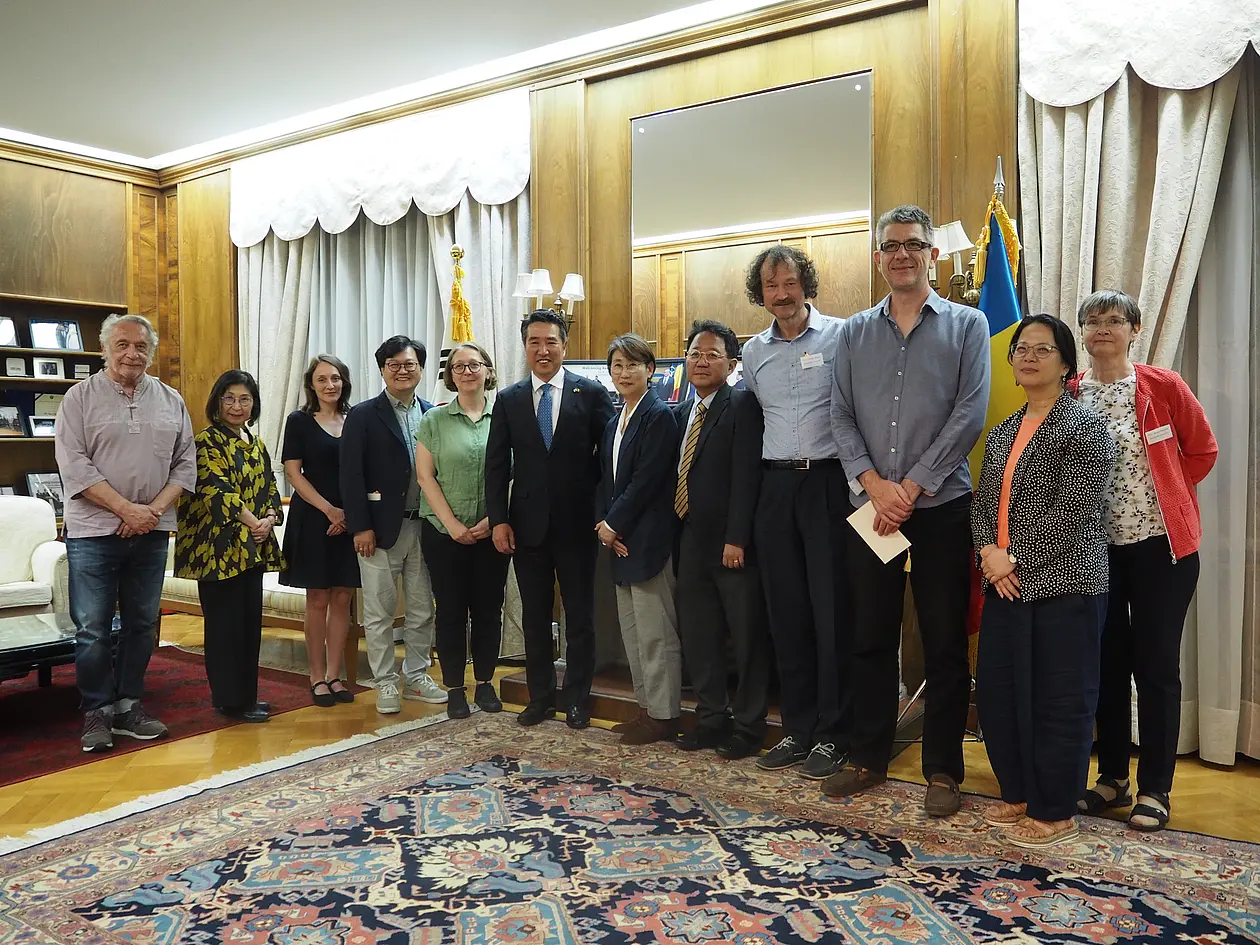
Professor Dr. You Jae Lee, Director of Korean Studies at the University of Tübingen, set out to establish a network for Korean studies within CIVIS to step up academic exchange and promote the mobility of students and teachers. Lee says Korean Studies are increasingly popular among students, but teaching capacities remain limited: “It made sense to join forces and combine the respective strengths of the partner universities.” To this end, the researcher explored which CIVIS universities have departments of Korean Studies and contacted the departments in Aix-Marseille, Bucharest, Rome, and Stockholm. “The feedback was consistently positive,” says Lee. After several online meetings, Lee's group was able to plan a European Korean Studies E-School Consortium, a program with online teaching. The project launched in the winter semester of 2021/22 with the first three online courses; since then, each partner university has offered one course per year, and over 850 students have participated in the e-school so far.

Firmly established courses and additional teaching projects

The initiatives in Korean Studies and Law are now firmly established and have been expanded to include additional components. You Jae Lee got other universities to participate. In addition to the online courses, the partners have established an annual Graduate Summer School where Master's and doctoral students can present their research. Law professor Bernd Heinrich has added a number of test questions to the video series on comparative law and regularly offers it as a foreign-language course, as required in the state examination curriculum. The format of the Blended Intensive Programs (BIPs), which combine online teaching with a one-week attendance phase, opened up another possible application in 2022: The videos now form the basis of the online component of the BIP Europe and the Rule of Law, which has taken place annually since then. “In preparatory face-to-face meetings, we discuss what we want to change or who still needs to deliver or update a video,” says Heinrich, “but otherwise it's now set up and runs smoothly.”

Direct personal contact is important in Korean Studies, too. “In addition to online teaching, lecturers visit the partner universities, ensuring direct exchange with the students there,” You Jae Lee explains. The close cooperation has not only led to better networking between the participating institutes, but has also significantly raised the profile of Korean Studies in Europe. In the future, Lee would like to develop a dual Master's program involving the CIVIS partners but also including Korean universities.

Lee often found the cross-border work in the consortium challenging: coordinating the different university systems in five countries was demanding, especially with regard to different semester times, exam regulations, and registration procedures for students. Although this required a high degree of coordination between the partners, flexible solutions were always found. “At the same time, these challenges strengthened cohesion and cooperation within the network,” Lee says. For Bernd Heinrich, the difficulty tended to be in finding suitable funding formats - for meetings between teachers, as an example. However, both professors also emphasize how much support was provided by the relevant institutions in Tübingen, such as the CIVIS office. “Their help makes the administrative process much easier,” says Lee.

Positive effects on students

Last but certainly not least, both professors emphasize the positive effects of the projects on students: When students from different countries, academic traditions, and education backgrounds come together in Korean Studies courses, this promotes intercultural dialogue and contributes significantly to motivation, according to You Jae Lee. Lasting contacts and networks are formed, often extending beyond the duration of the courses. Bernd Heinrich confirms this: “I’m often sent pictures of people who have met up again years after a BIP,” he says. For many students, the international component is a highlight of their law studies. “In a state examination program for national law, we are limited in what we can offer in terms of events of this kind,” says Heinrich.

Korean Studies scholar Lee sees CIVIS' promotion of network-building activities  as extremely helpful in taking the first steps toward European cooperation and establishing a robust network. “Especially in the initial phase, such support is crucial for bringing partner universities together, developing initial projects, and creating the organizational framework for long-term cooperation,” he says. Bernd Heinrich is delighted with the community spirit among the teaching staff, who have been working together for five years. “When we see each other, it's like a family reunion,” he says. “I would be delighted if things continued like this with CIVIS and its funding opportunities.”

Tina Schäfer
Translation: Amanda Crain


Further information: