Politics, music, startups, and journalism: Five alumni of the University of Tübingen share where their humanities degrees have taken them.
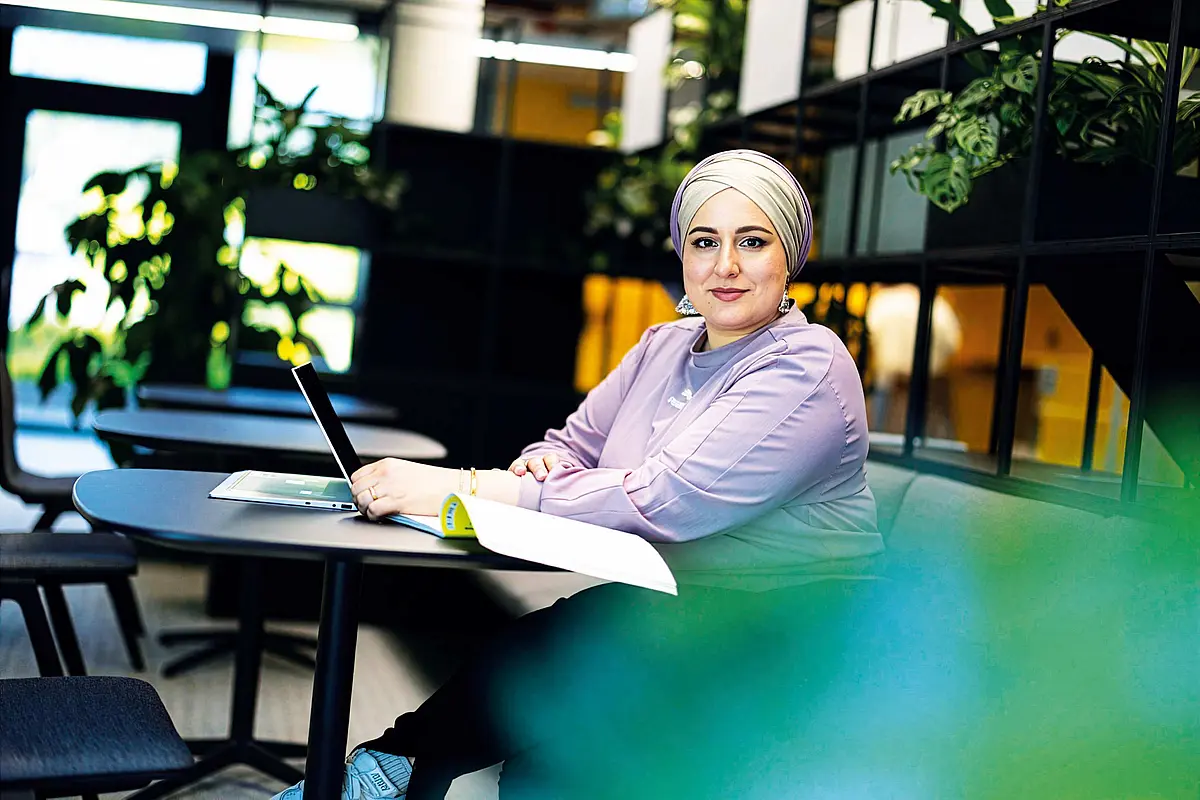
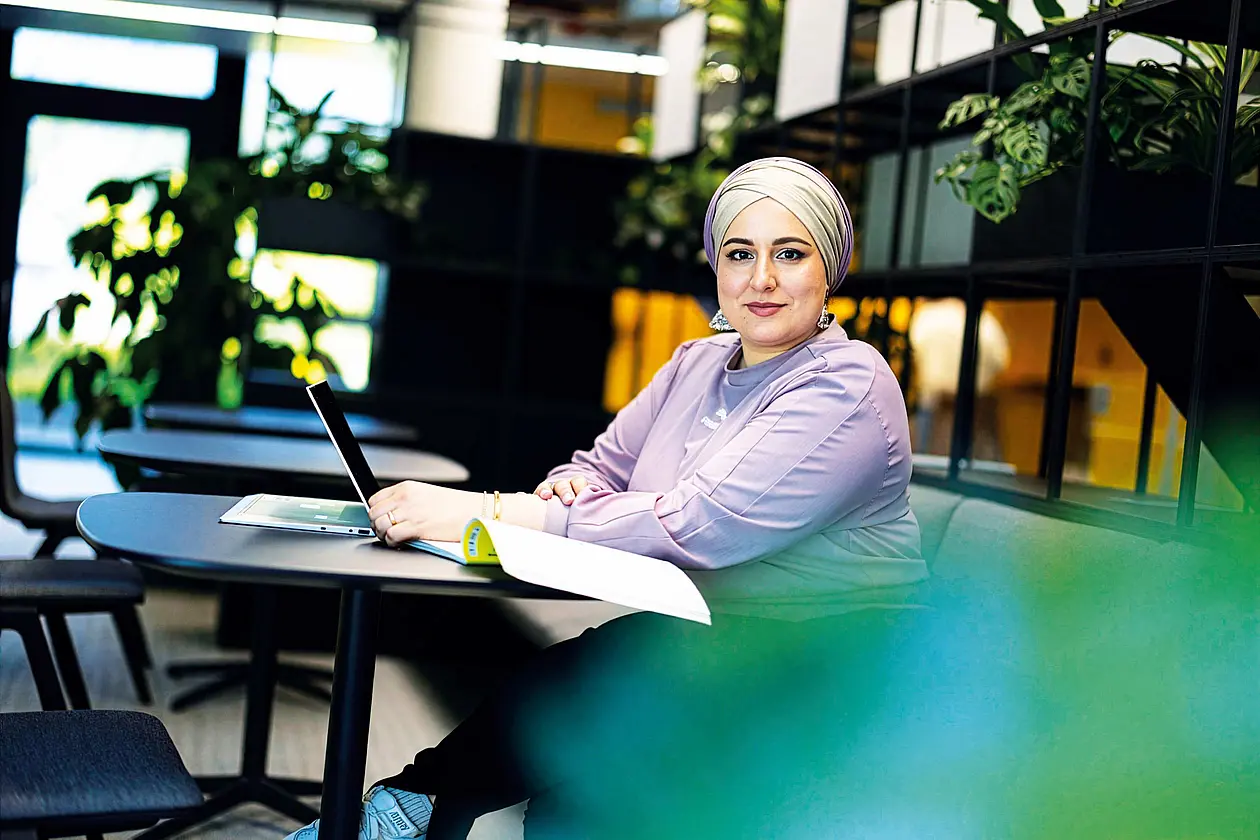
Merve Kayikci
Follow up: Merve Kayikci, Legal Studies (Tübingen and Mainz), internship with Campus TV at the University of Tübingen Today: Innovation manager and freelance journalist
'Just take our mobile reporting kit with you!’ The day Merve Kayikci, then editor in chief of Campus TV at the University of Tübingen, dared to go to re:publica to become a reporter was a turning point in her career. Equipped with technology from the Center for Media Competence, she interviewed Germany’s digital elite in Berlin on her own and then edited her recordings. Kayikci, who studied law in Tübingen, had only recently started as an intern – a program that allows students to work on real TV programs. It was here that she realized what she wanted as a career: to actively help to shape the media world. Soon after, she developed her first podcasts, worked as a journalist, wrote stage plays and devised exhibitions. Today, she works as innovation manager at SWR X-Lab and as a freelance journalist.
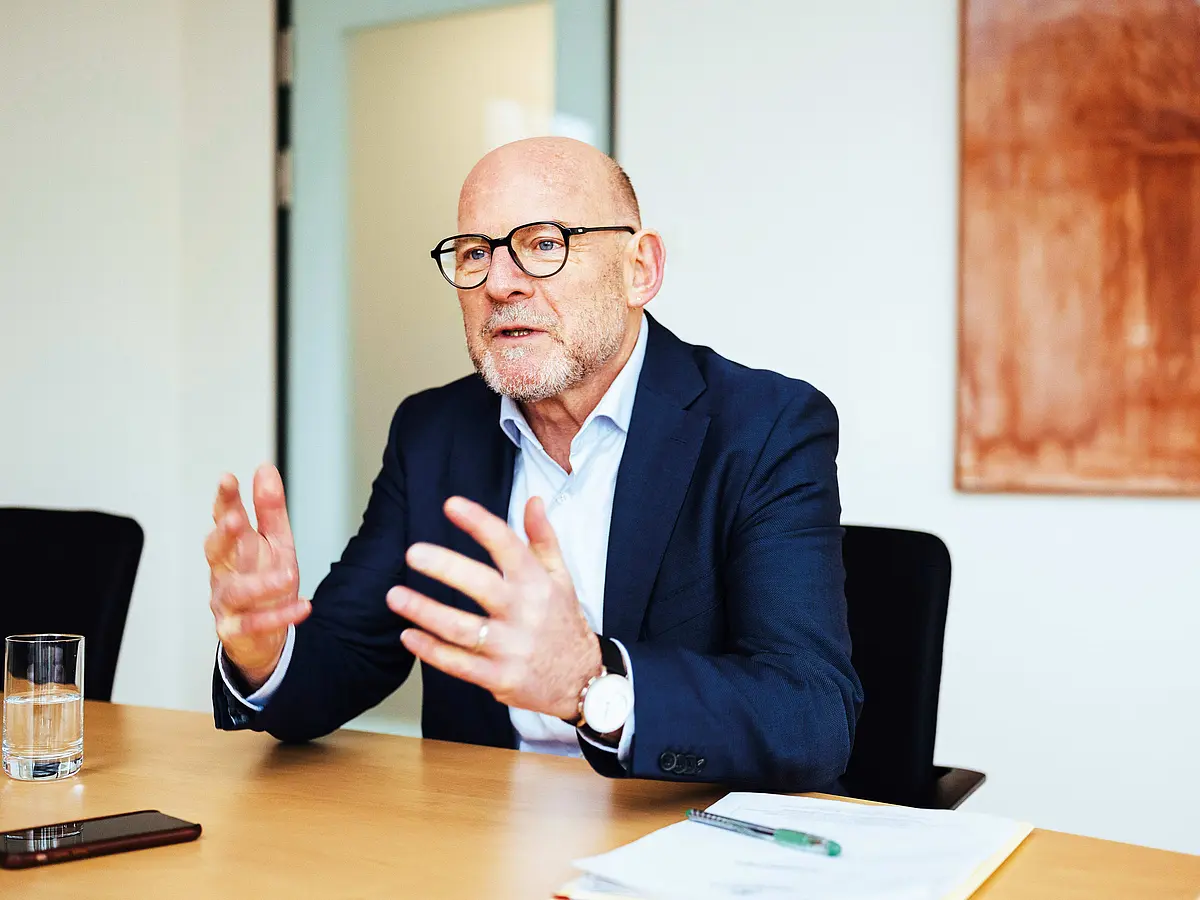
Winfried Hermann
Follow up: Winfried Hermann, German Studies, Political Science and Sports Science Today: Former Baden-Württemberg Minister of Transport (2011 to 2026).
'You can’t not communicate’– Winfried Hermann has understood this ever since his studies. It is a concept originating from Paul Watzlawick, a communication scientist. In the 1970s, when the University of Tübingen was increasingly opening up to modern ideas, Hermann learned Watzlawick’s theories while on German studies (in the field of communication/linguistics). He was particularly impressed by the concept of ‘paradoxical intervention’. In deadlocked situations, Hermann often chooses to react in ways his counterparts do not foresee: sudden changes of subject, startling openness, agreement where opposition is expected. What once fascinated him in seminars has proved to be a highly effective tool in everyday politics.
Edwin Rosen
Follow up: Edwin Rosen, English Studies and Philosophy (currently on a break) Today: Musician with 1.2 million monthly listeners on Spotify
While studying English, Edwin Rosen was fascinated by literature that avoided clear interpretation. It was the mood produced by a literary work that interested him, not the mere story. And he chooses to take this approach in his passion, music. When Rosen writes songs, he doesn’t tell cut-and dried stories, instead immersing his audience in moods – sometimes melancholy, sometimes gloomy. He launched his synth pop on the wider world during the Covid pandemic. In ‘leichter // kälter’, his first hit, released while still studying, he sings: ‘Doch du sagst, es ist viel leichter / Ja, ich sei doch so viel kälter / Also bleibst du steh’n / Bleibst barfuß im Schnee.’ The context is deliberately kept vague, he avoids explanations.
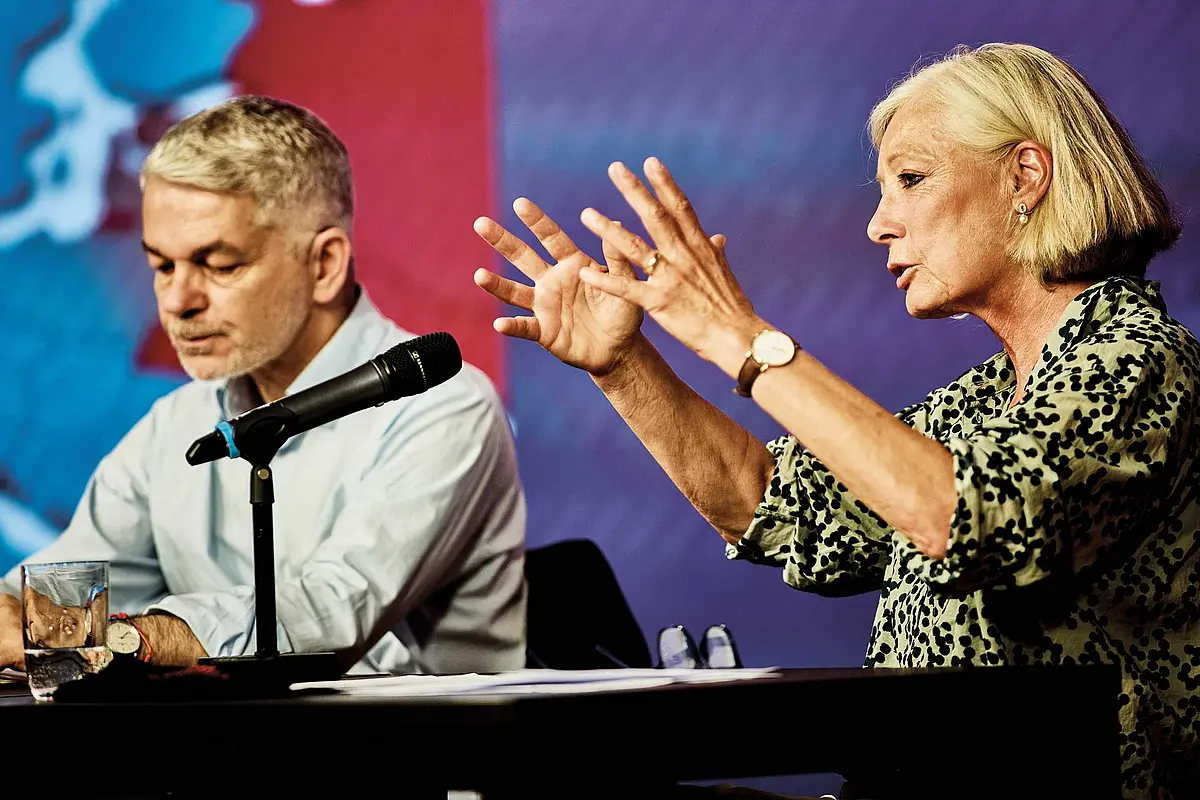
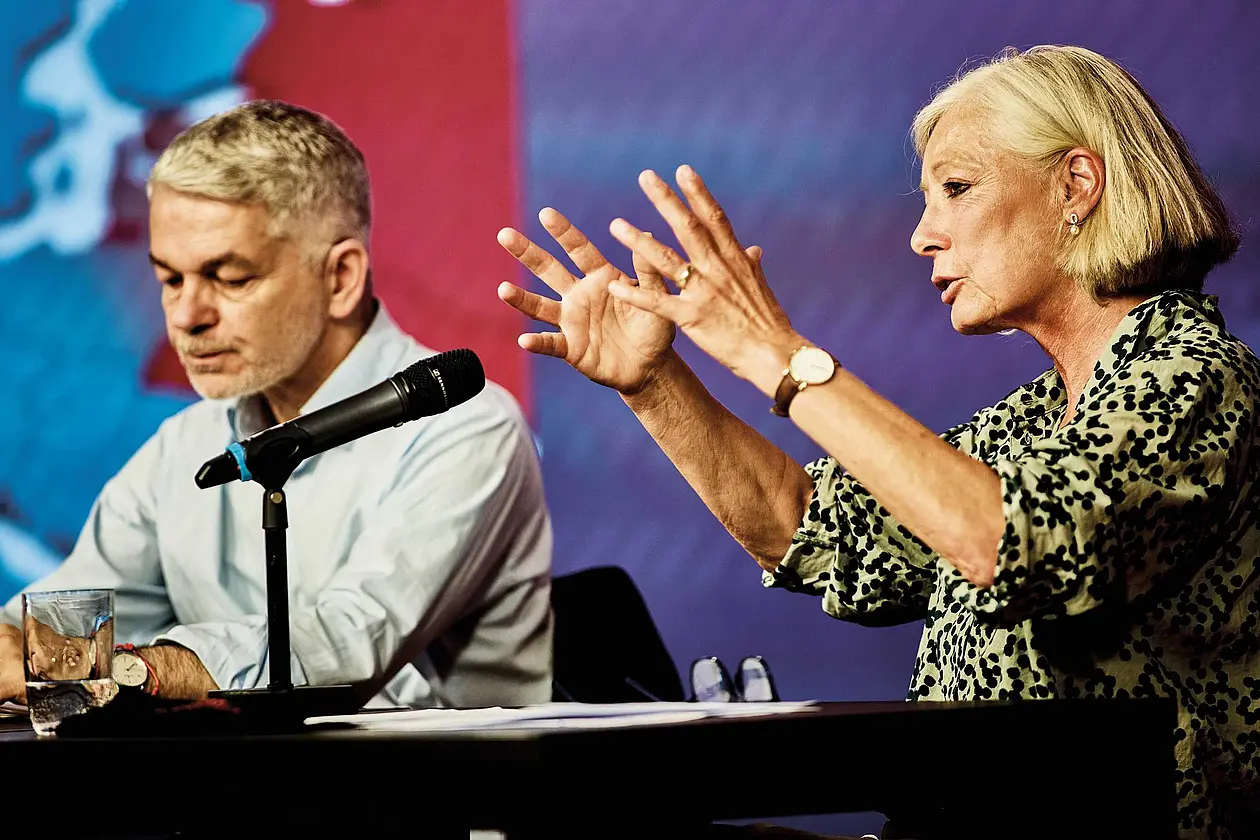
Cathrin Kahlweit
Follow up: Cathrin Kahlweit, Russian and Political Science (Eugene, Tübingen, Göttingen and Moscow) Today: Journalist, Eastern Europe expert, presenter
Following her studies and journalism school, one of Cathrin Kahlweit’s first assignments for the Süddeutsche Zeitung was the fall of the Berlin Wall in 1989. Kahlweit was the only one on the editorial team who spoke Russian, and she wanted to travel, so she spent the early years of her career as a reporter in Eastern Europe. From there, she reported on major political events: the Velvet Revolution in Prague, the Singing Revolution in the Baltic, the Maidan Uprising in Ukraine. Even during her studies of Russia and politics, she saw the bigger picture: 'At uni I didn't just focus on the subject I was taking, I also attended other lectures and picked up new ideas and contacts there.’
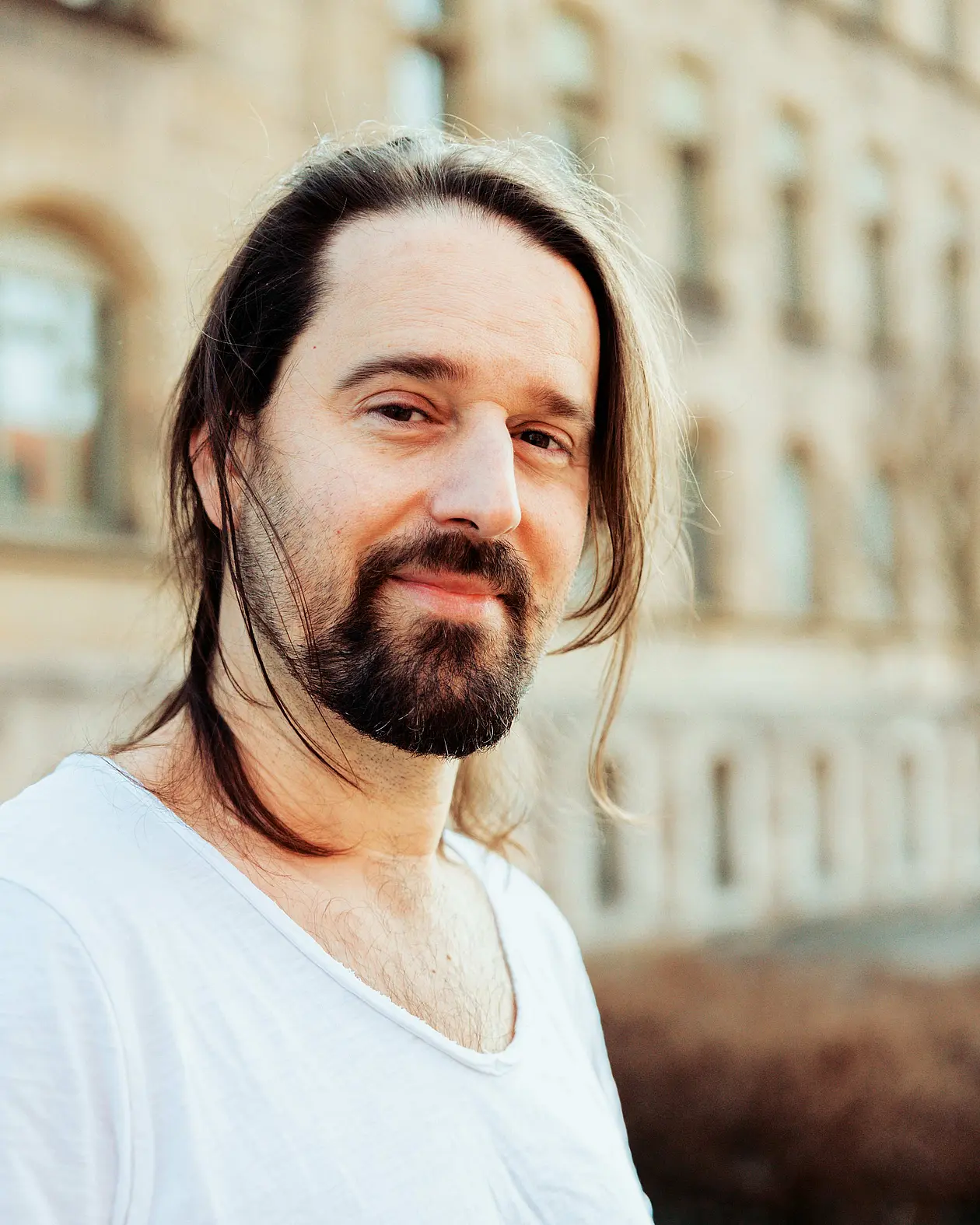
Benjamin Rudolf
Follow up: Benjamin Rudolf, Philosophy and Art History (University of Tübingen) Today: Founder and CEO of a company that melds the real world with the virtual
During his philosophy studies, Rudolf developed the habit of systematically asking hard questions and seeking new points of view. Then, at the Filmakademie Baden-Württemberg (FABW) he learned how to create artificial worlds. Now, Rudolf casts a fresh eye over digital interaction with his company Nau-Hau: people with physical restrictions can meet up using VR glasses and paraplegics can surf the Internet using their face muscles for control. For Rudolf, philosophy has become an astonishingly practical discipline as a result of current debates about AI, fakes and artificiality.