Uni-Tübingen

A Lightweight Particle That Is Difficult to Capture

The JUNO Neutrino Observatory in Southern China aims to uncover information about the elusive particle’s previously unknown mass.

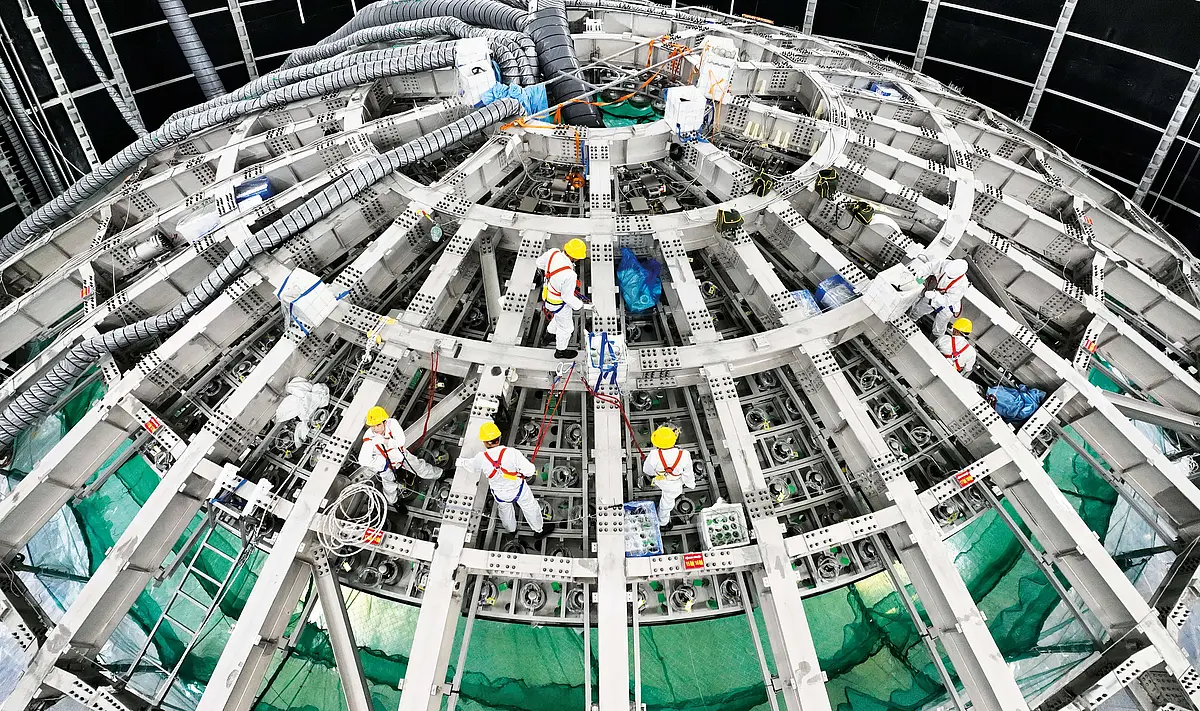
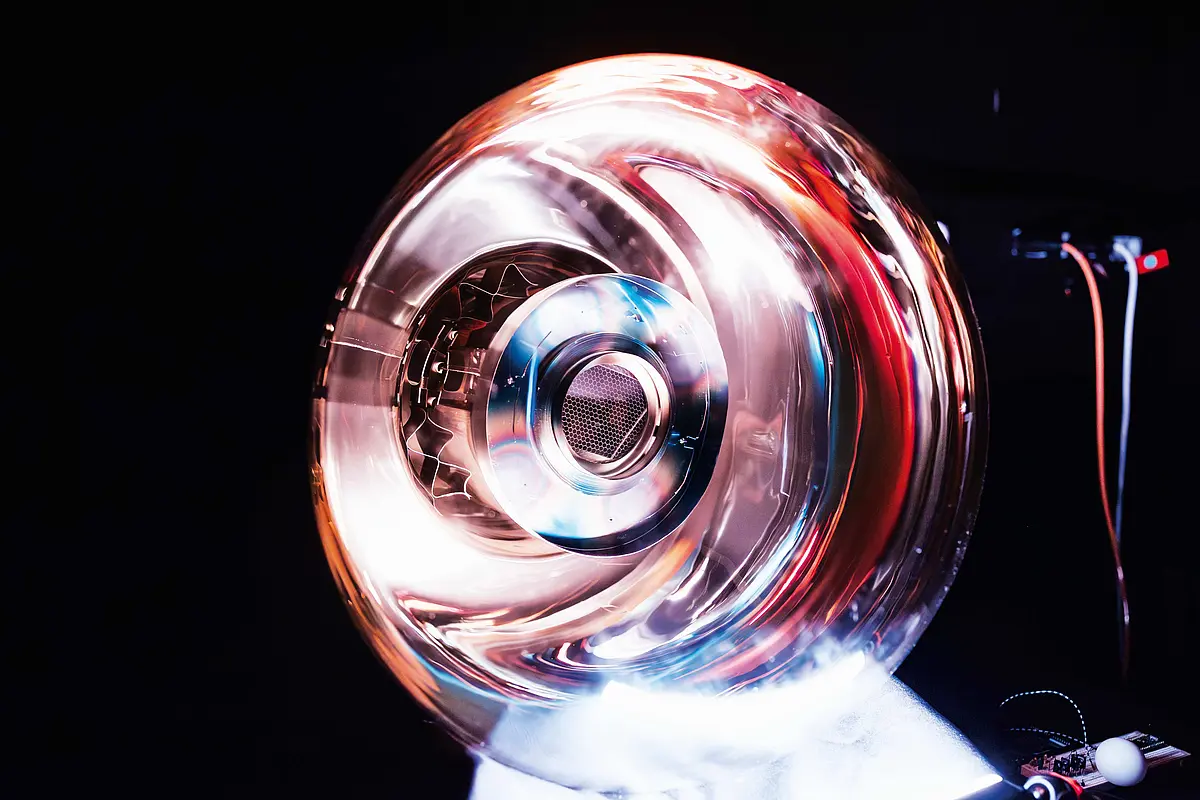
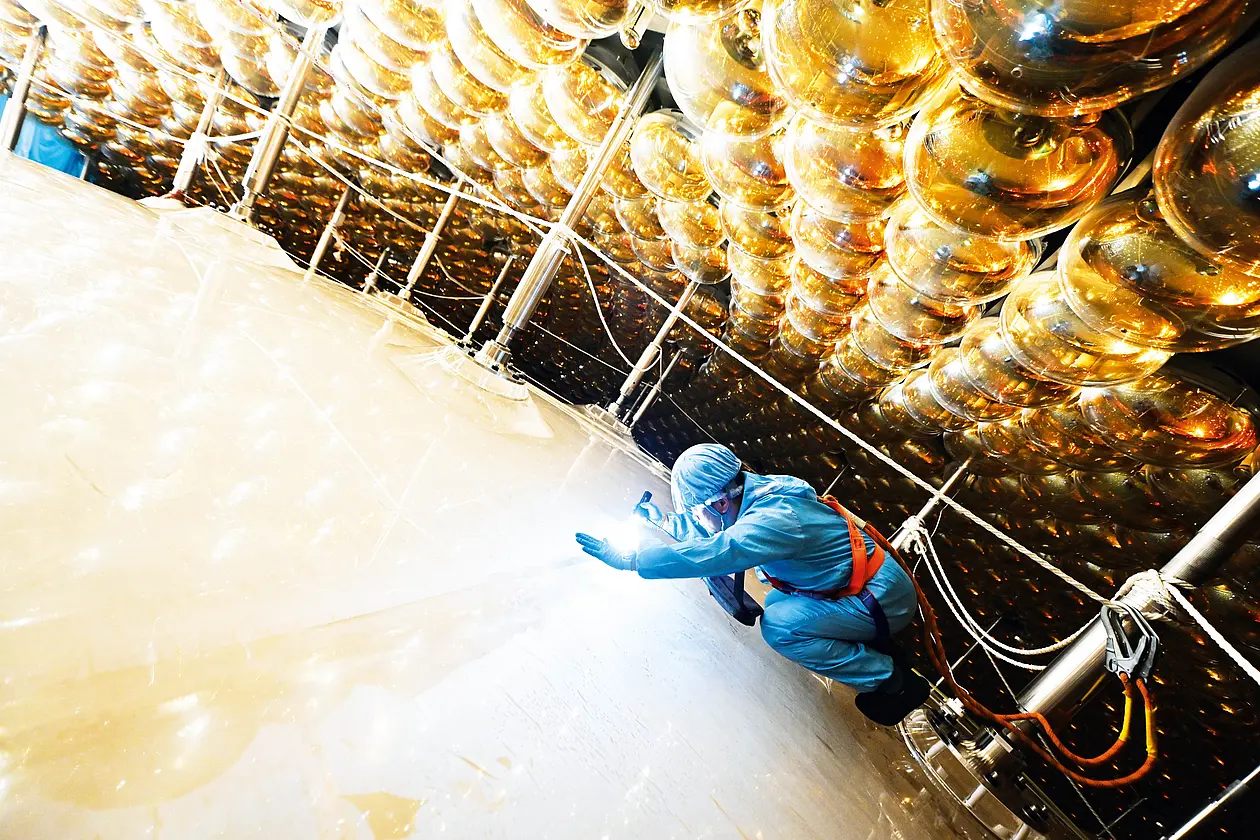
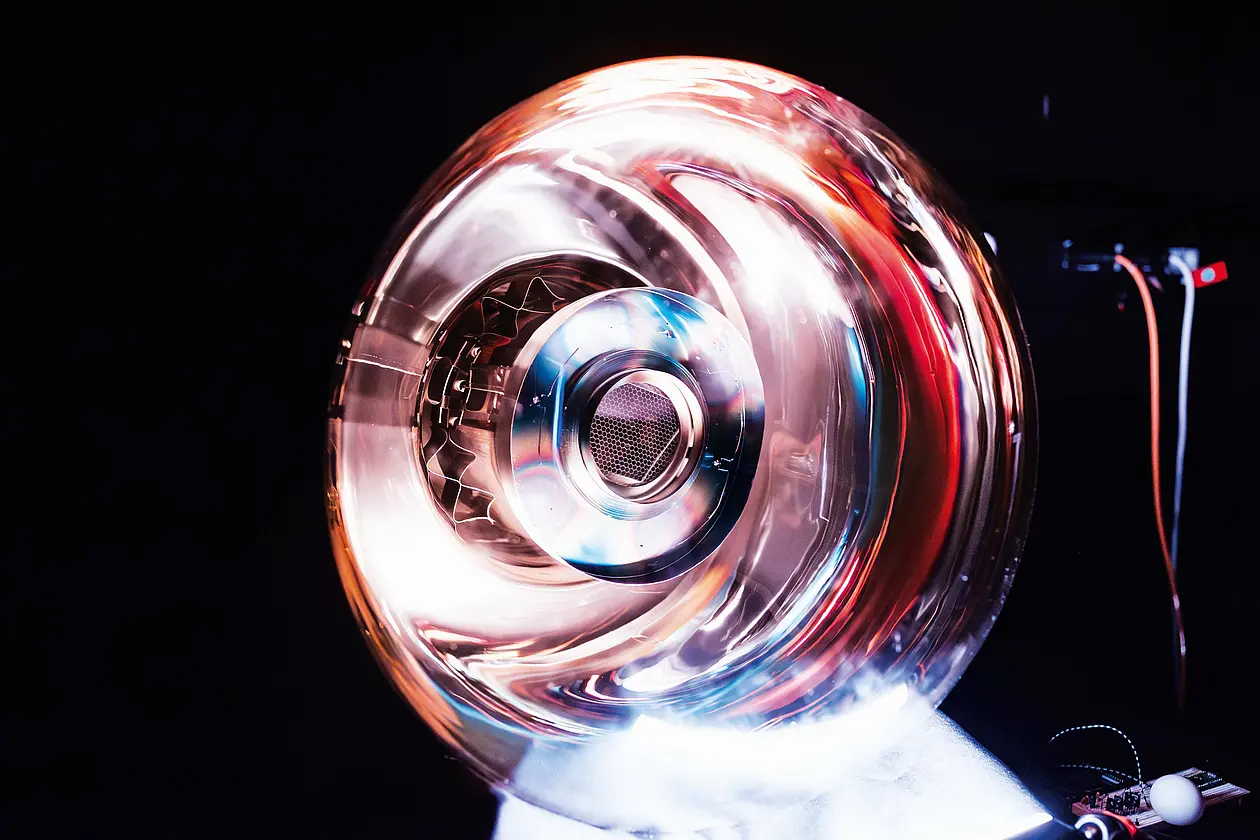
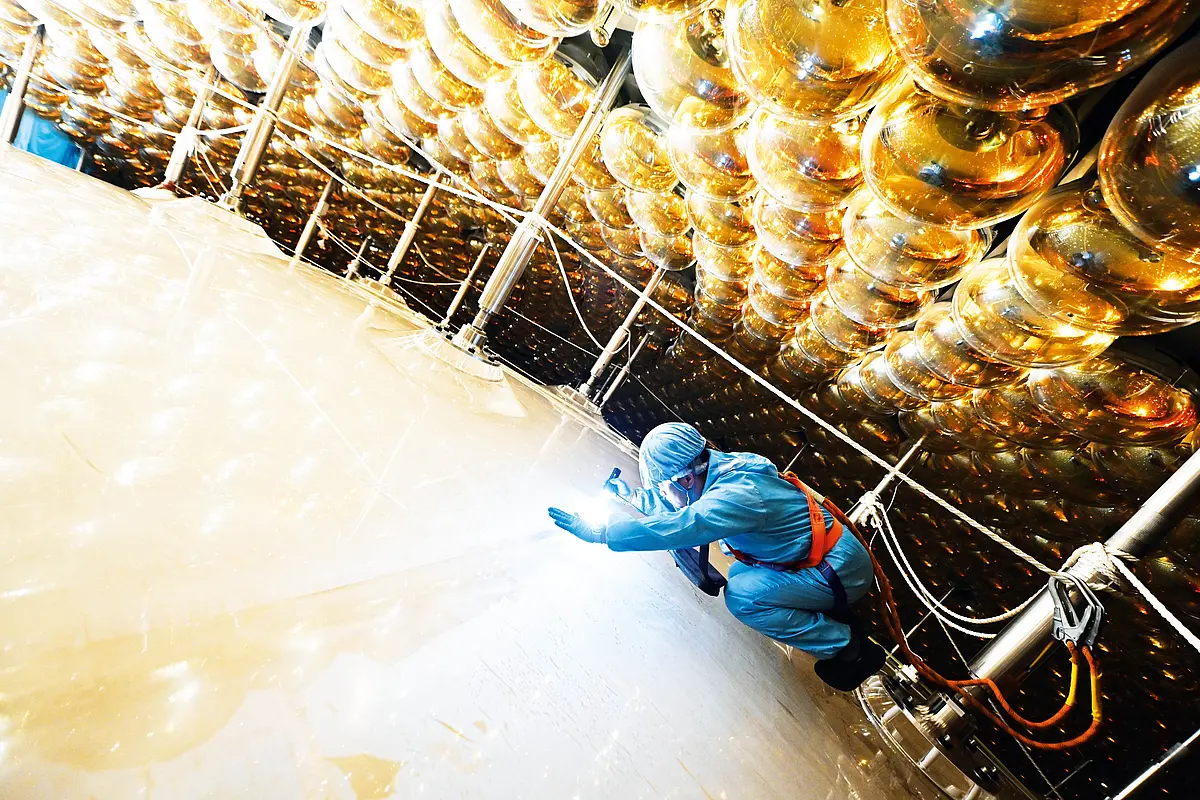
The four-minute elevator ride—better described as a descent— takes visitors 700 meters underground to a vast cavern beneath thick granite layers. As you go deeper into the underground facility, the environment becomes cleaner—protective clothing, including headcovers and shoe covers, is worn to minimize dust contamination. At the center lies a 35-meter-diameter acrylic sphere filled with a clear liquid. It is densely covered with thousands of copper-colored photomultipliers that resemble watchful eyes, all surrounded by a massive water pool.

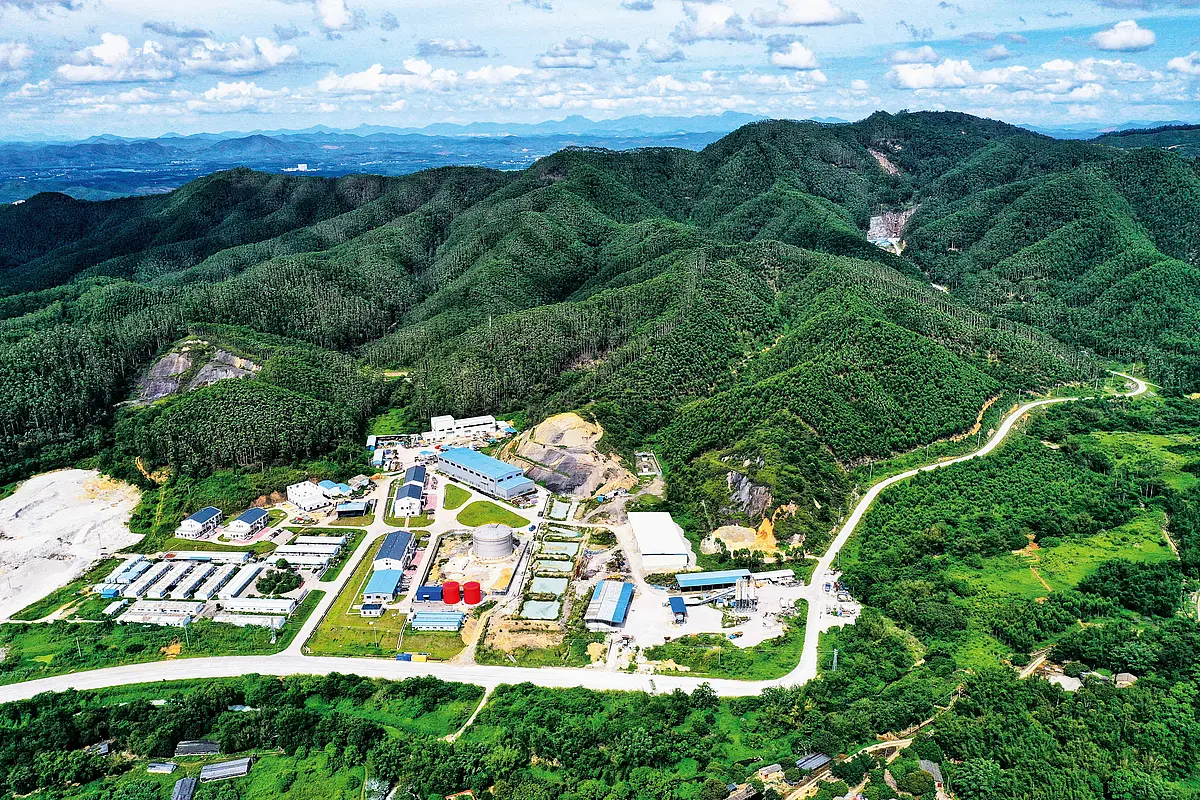
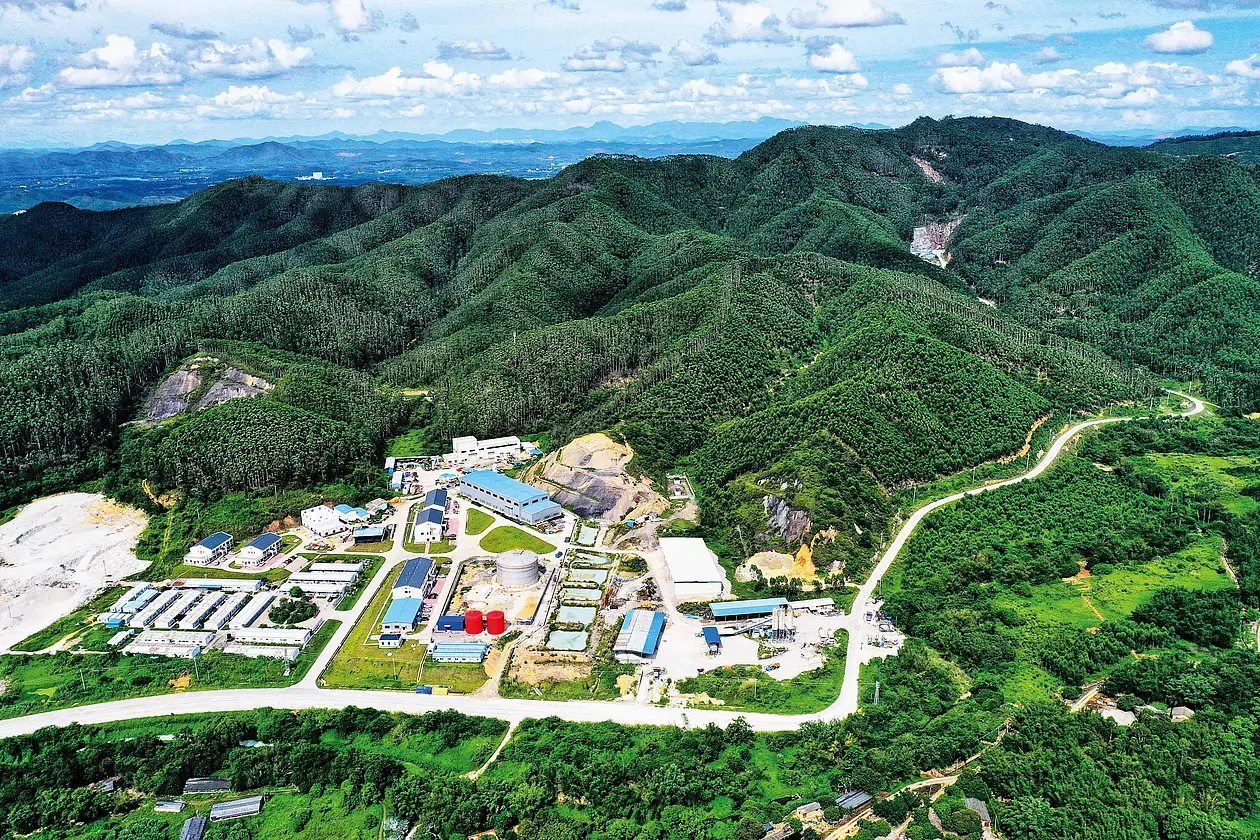
Imagine it: we are in Jiangmen, Guangdong Province, southern China, at the Jiangmen Underground Neutrino Observatory (JUNO). It is pitch black far below the surface. The hoped for sign of light occurs when a neutrino—an electrically neutral elementary particle—interacts with the scintillating material inside the sphere, causing the emission of a photon. The photomultiplier tubes amplify this faint light to measurable levels. A delayed gamma photon confirms that the light flash was indeed triggered by a neutrino. Since starting measurements in August 2025, this event has occurred about 50 times per day.


Neutrinos are the elementary particles we know the least about.

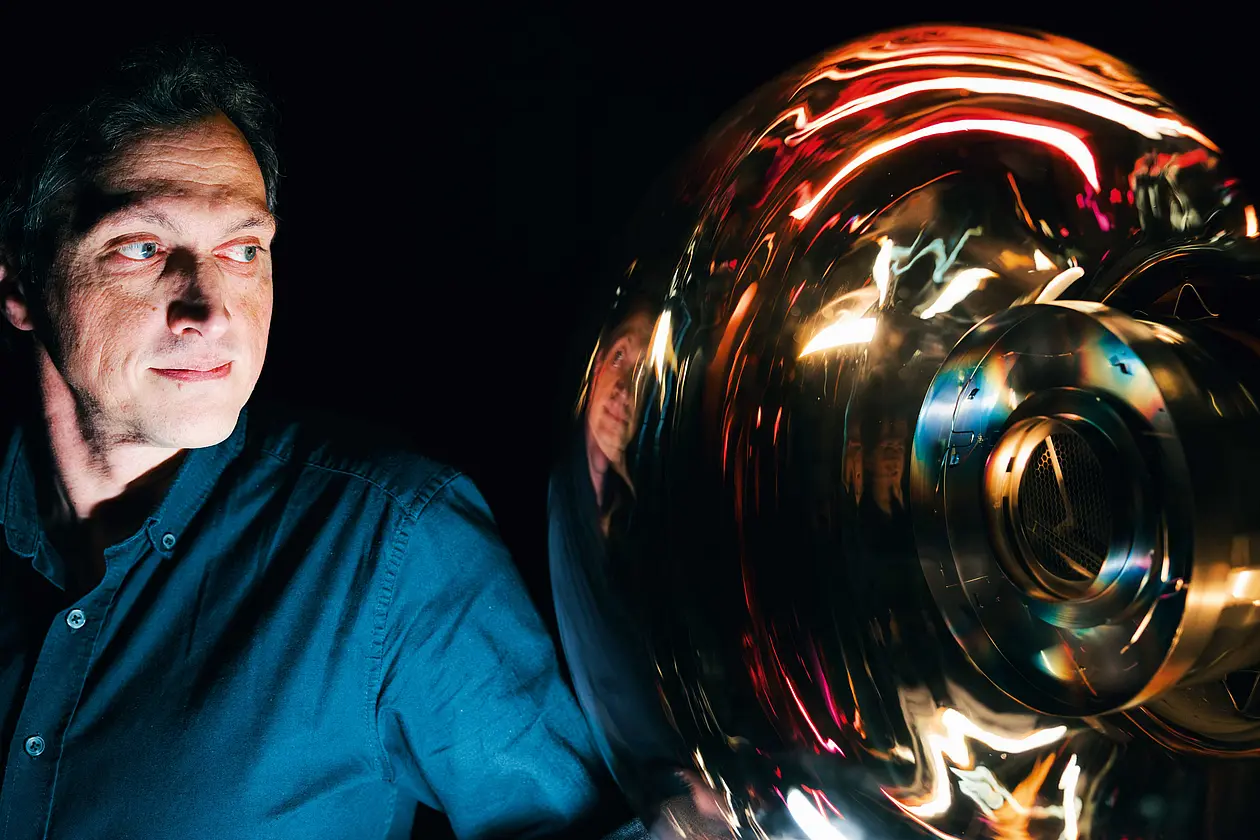
Prof. Tobias Lachenmaier


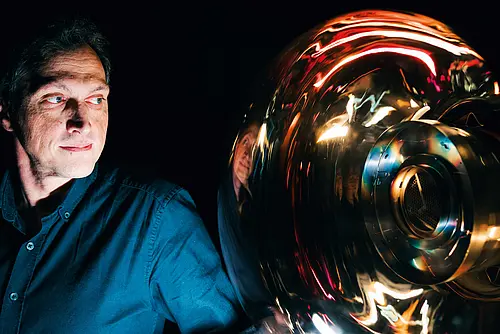
“Neutrinos are the elementary particles we know least about. They are the only ones whose mass remains unknown,” explains Professor Tobias Lachenmaier from the University of Tübingen’s Physics Institute, whose enthusiasm easily overcomes the minimalist setting of his new office. “It was only at the turn of the last century that we confirmed neutrinos have mass at all. They don’t respond to electromagnetic fields and barely interact with matter, which is why such an immense effort is required to measure them.” 

Neutrinos exist in three flavors—electron, muon, and tau—which can transform into one another via oscillations. There are three distinct mass states with a so-called mass hierarchy. JUNO aims to resolve this hierarchy precisely through energy analysis of neutrino oscillations over six years.1

Neutrinos are produced by the decay of radioactive elements. Their natural sources include the cosmos, the sun, the Earth’s atmosphere, and the planet’s interior rocks, classified as cosmic, solar, atmospheric, and geoneutrinos respectively. Because of their extremely low interaction rate, neutrinos are very long-lived and stream freely across the universe, capable of passing through the entire Earth unimpeded. “There are still neutrinos from the Big Bang, the universe’s origin over 13 billion years ago,” says Lachenmaier. For the JUNO project, however, reliance wasn’t placed solely on the low-level natural neutrino background. “The Jiangmen site was chosen for its proximity—about 50 kilometers—to two nuclear power plants, providing JUNO with a particularly abundant flux of reactor neutrinos,” he adds.


Expectations for JUNO were exceeded from the very beginning.


Tübingen has been involved since JUNO’s inception a decade ago. The international collaboration is led by the Institute of High Energy Physics of the Chinese Academy of Sciences and includes more than 700 scientists from 74 institutions in 17 countries and regions. After around ten years of construction, JUNO, the world's largest and most precise neutrino detector of the latest generation, was put into operation. “China leads and funds the majority of JUNO; it is a prestigious basic research project. About 40 percent of collaborators are non-Chinese, and many Chinese researchers have experience working in Western countries,” notes Lachenmaier, who finds the scientific cooperation open and productive. In such a large collaboration, one might feel like a small cog, he says, but all parts must mesh perfectly. The measurement equipment for the 17,000 photomultiplier tubes used in JUNO was manufactured in Tübingen. After shipment to China, four optical laboratories were set up in a factory hall and each photomultiplier was quality-tested remotely from Tübingen. “The best tubes were installed in the acrylic sphere, while the less favorable ones were placed in the outer regions,” Lachenmaier explains.

The acrylic sphere was initially filled with ultrapure water before the special scintillator liquid was added—a process that took several months. “It was a great moment when the detector began measurements at even a low fill level,” Lachenmaier recalls. Theoretical calculations and tests are one thing; practical implementation is quite another. “JUNO has exceeded expectations from the start,” he adds. 

Lachenmaier’s team also uses the facility to detect muons, which act as background signals for neutrino measurements. These particles are created when cosmic rays enter the atmosphere. In water, muons travel faster than light, producing blue Cherenkov radiation detected by photomultipliers in the surrounding water pool.

JUNO is designed for a 30-year operational lifespan, during which the observatory should be ready at all times. Lachenmaier hopes for a stroke of luck like astronomers Tycho Brahe in 1572 and Johannes Kepler in 1604—who observed supernovae. “The last supernova observed was in 1987 in the Large Magellanic Cloud. When an especially massive star reaches the end of its life and becomes unstable, it explodes as a supernova. If this happens in the Milky Way, JUNO would be showered with a flux of trillions of neutrinos,” says the scientist, whose eyes light up at the thought. About 10,000 neutrinos would trigger signals in the detector in just ten seconds. Although the bright optical burst from the supernova would take longer to reach Earth, there would be enough time to alert astronomers worldwide.


Vice-President Monique Scheer

A tricky question

Should German universities continue to have partnerships in China? Monique Scheer, Vice President for International Strategy and Diversity at the University of Tübingen, has some answers.

Is it still possible to justify research projects in the People’s Republic of China today?

For many years now, the University of Tübingen has been cultivating a productive relationship with researchers and partner institutions in the People’s Republic of China – this includes JUNO. Cutting-edge research can only succeed with international partners, and stable scientific contacts contribute to the improvement of international relations as science diplomacy. Naturally, we check every project very carefully to ensure that there is no possible military or security-related use.

How is this checked at the University of Tübingen?

At the University of Tübingen, all research projects undergo a structured examination using a detailed checklist before a contract is signed. The checklist is based on the recommendations and guidelines of the German Rectors’ Conference and DAAD, and is a practical tool for the evaluation of security-related or ethical risks. In this way, we ensure a sound and well-justified basis for a decision. 

JUNO involves nuclear physics – couldn’t the results be interesting to the Chinese military?

No. JUNO is purely about basic research. The findings we obtain enhance our understanding of fundamental processes in the universe, but have absolutely no potential connections with military applications. This opinion is also shared by numerous European universities and research institutes that are involved in JUNO.

1”First measurement of reactor neutrino oscillations at JUNO”: https://arxiv.org/abs/2511.14593 

Text: Janna Eberhardt


More articles

“Art arises from something sincere”

What does aesthetics mean? Friedemann Vogel literally gets the theoretical debate moving.

When Growth Outpaces Balance

How Unchecked Production Left a Lasting Ecological Footprint in Early Bronze Age Troy.