Uni-Tübingen

P7: CNP-induced cGMP signaling in the nervous system

Aims

To understand the role of CNP-induced cGMP signaling in the formation and maturation of neural connections in (i) dorsal root ganglion neurons and (ii) dentate granule neurons.

cGMP in sensory axon branching and hippocampal function

Questions and Methods

Boston Internship

Jacob Lab

In the Jacob lab in Boston, the doctoral researchers will be trained in the quantitative microscopic analysis of synaptic spine density and morphology for a subsequent comparison of dendritic spine properties in dentate granule cells from wild-type and GC-B KO mice.

Boston Co-mentor

Prof. Michele H Jacob, Ph.D.

Link to Boston researcher lab

Doctoral Students

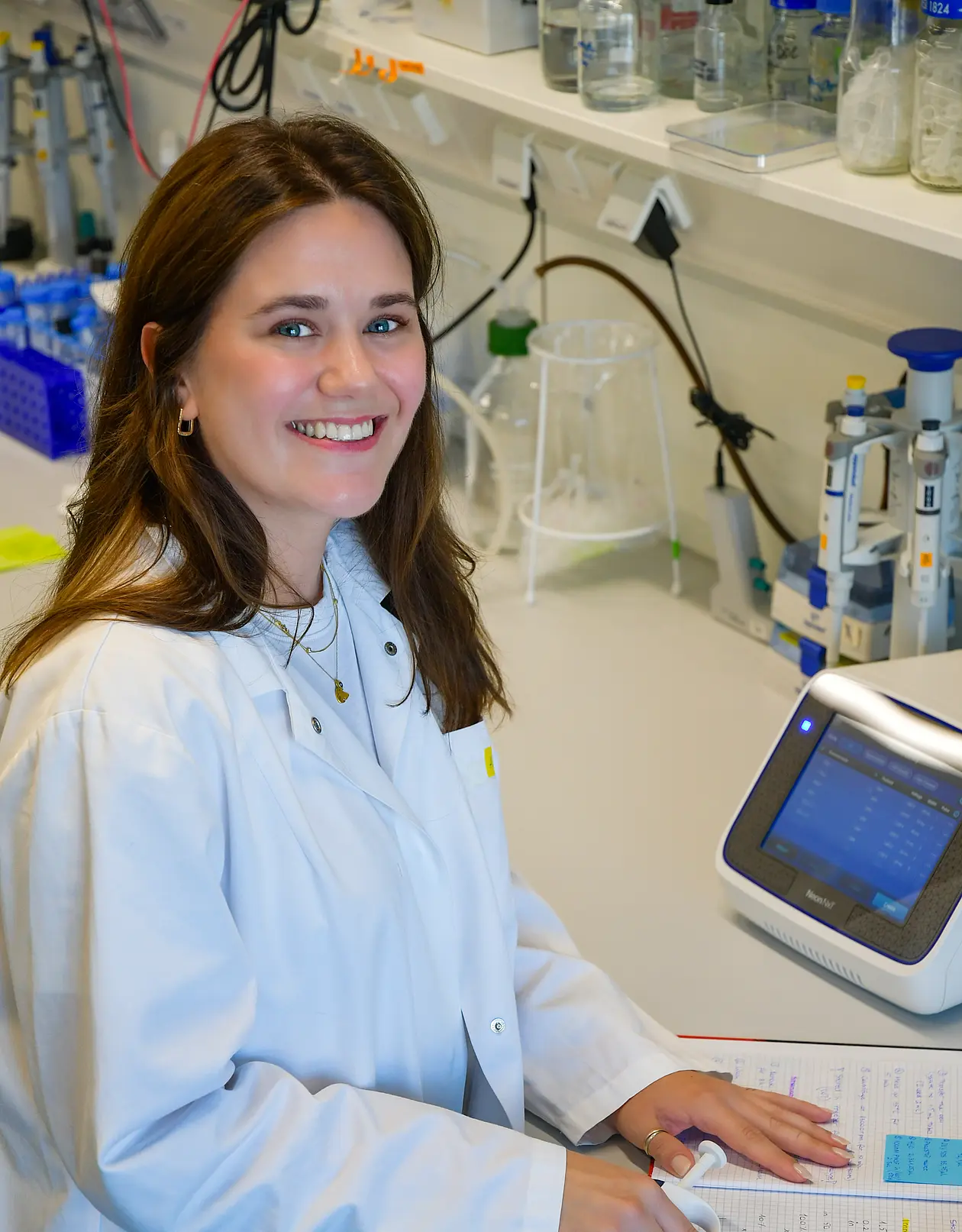
Asli Pektaş

Asli earned her Bachelor’s degree in Psychology from Sabanci University in Istanbul, Turkey, where she developed a strong interest in the biological mechanisms underlying brain function. This interest motivated her to pursue a Master’s degree in Neuroscience at the Carl von Ossietzky University of Oldenburg in Germany. During her master’s studies, Asli focused primarily on the sensory system, and in her thesis, she investigated age-related changes in olivocochlear efferents in the gerbil cochlea. Alongside her work in sensory neuroscience, she developed a growing interest in molecular biology through several elective courses, which deepened her understanding of cellular signaling pathways.
In July 2025, Asli joined the Feil Lab to begin her PhD under the supervision of Dr. Hannes Schmidt. Her current research focuses on the CNP-induced cGMP signaling cascade and its role in kidney development and skin physiology.

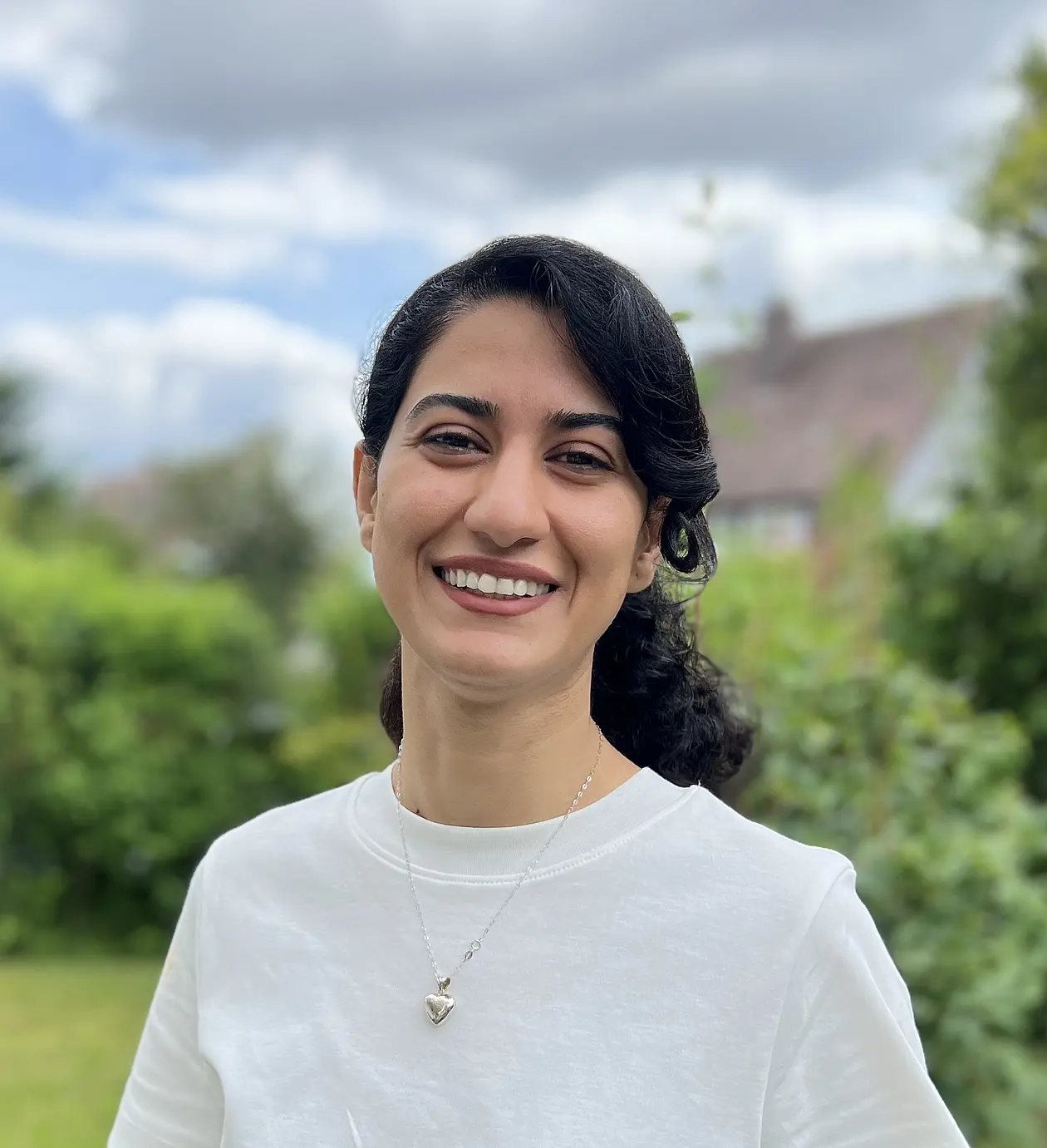
Mahdie Zare

Mahdie began her academic journey in Iran, where she earned a Bachelor's degree in Nursing. She then enrolled in a Master's degree program in Medical Physiology to explore human physiology. For her master's thesis, Mahdie studied the potential effect of Valproic Acid on NMDA receptor expression in the hippocampus of chronically stressed male rats, which inspired her to continue her education in a high-quality environment. This led her to the University of Oldenburg, where she undertook a Master's in Neuroscience, conducting her thesis in the Neurogenetics department with a focus on the structure and function of the Potassium-Chloride Cotransporter 4. In July 2024, Mahdie joined the Feil Lab to pursue a PhD under the supervision of Dr. Hannes Schmidt, investigating the mediators of CNP-induced cGMP signaling in neuronal bifurcation.

In her free time, Mahdie enjoys reading, listening to classical music, playing card games, and working out.

Alexandra Böttcher (graduated in March 2024)

Alexandra Böttcher started her studies in the field of biochemistry at Ulm University, conducting her Bachelor's thesis on electrophysiological analysis of the dopamine response of substantia nigra neurons. Taking the opportunity to follow her interest in neurophysiological research, she continued at Ulm University and earned her Master's degree in Molecular and Translational Neuroscience. Her thesis focused on the influence of the gut microbiome on chronic psychosocial stress. Aiming to utilize innovative biochemical methodology in neuroscientific research, Alexandra joined the group of Hannes Schmidt as a doctoral student. Her main research interest lies in the role of cGMP signaling in sensory axon branching during embryonal spinal cord development.

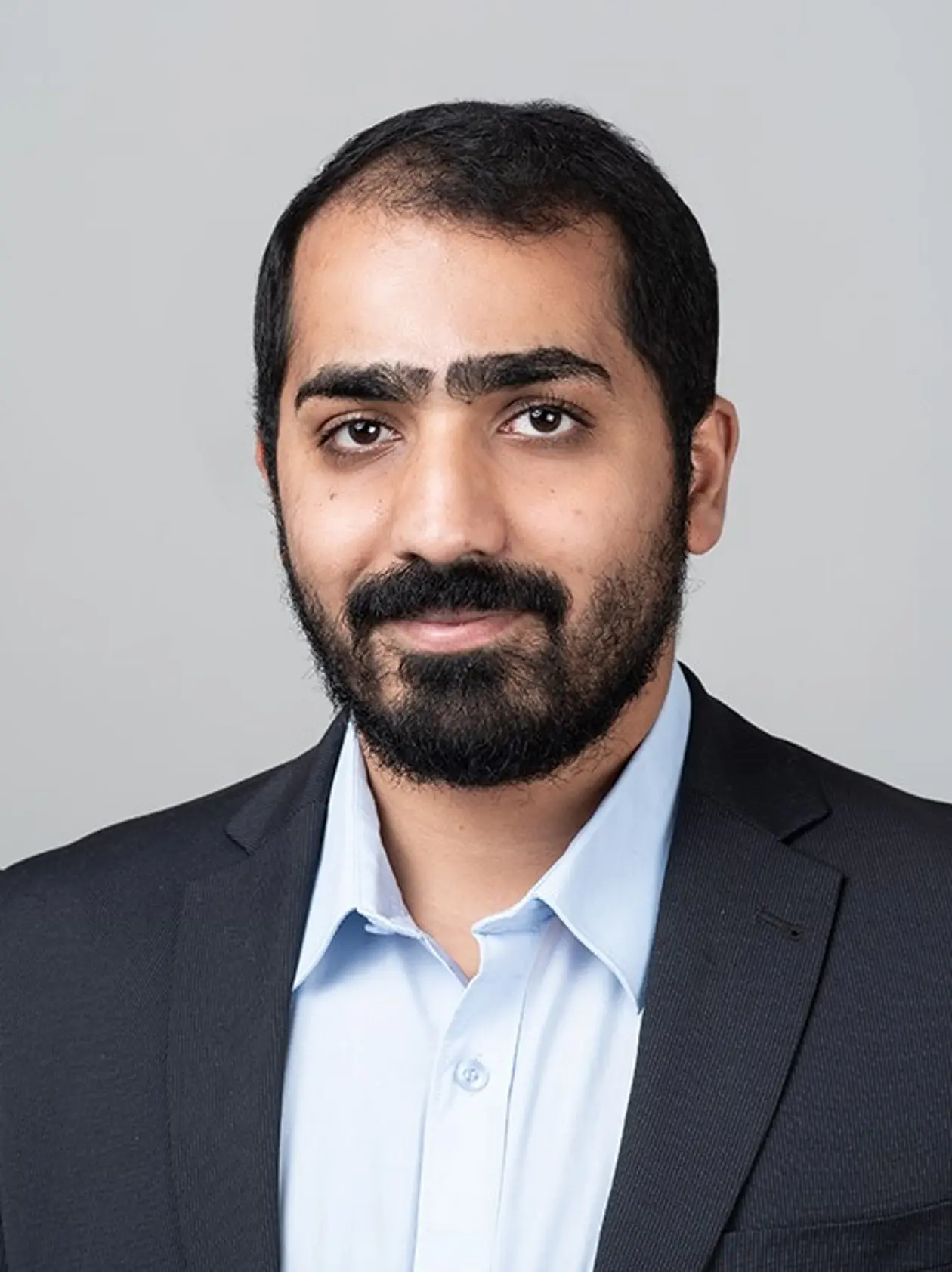
Shahzad Munir

Shahzad Munir completed his bachelor in biological sciences from the Heidelberg University where he demonstrated a potential interaction between ERM protein family and membrane-bound activated leukocyte cell adhesion molecule (ALCAM) which plays a crucial role in axonal guidance and pathfinding during development. Continuing his master studies at Heidelberg University, he characterized a novel zeolite-based monoaminergic sensor, which culminated into his master thesis. His interest in fundamental neuroscience research led him to join the group of Dr. Hannes Schmidt to investigate the CNP-induced cGMP signalling in the hippocampus.

Michael Krämer (associated PhD student, graduated summer 2022)

Michael Krämer earned his B.Sc. in biochemistry at the University of Tübingen with a focus on proteomics and protein biochemistry. After his bachelors, he went to continue with his studies in protein biochemistry and earned his M.Sc. in biochemistry also in Tübingen. Michael's keen interest in protein interactions and cellular signaling prompted him to start a PhD at the laboratory of PD Dr. Hannes Schmidt. Among other things, his main research interest focuses on CNP/GC-B mediated cGMP signaling in the gastrointestinal tract.


5 Key Publications

Gerninghaus H, Isensee J, Kennel L, Zhou F, Kaiser A, Gross T, Flauaus C, Engel P, Jacobs C, Petersen J, Kallenborn-Gerhardt W, Lu R, Metzner K, Adler J, Ruth P, Lukowski R, Hucho T, Schmidt H, Schmidtko A. Nociceptor-specific signaling of the receptor guanylyl cyclase Npr2 contributes to acute and persistent pain. Sci Signal 2025, 18, eadq4238

Lehners M, Schmidt H, Zaldivia MTK, Stehle D, Krämer M, Peter A, Adler J, Lukowski R, Feil S, Feil R. Single-cell analysis identifies the CNP/GC-B/cGMP axis as marker and regulator of modulated VSMCs in atherosclerosis. Nat Commun 2025, 16:429

Schmidt H, Böttcher A, Gross T, Schmidtko A. cGMP signalling in dorsal root ganglia and the spinal cord: various functions in development and adulthood. Br J Pharmacol 2021, 179:361-2377.

Ter-Avetisyan G, Rathjen FG, Schmidt H. Bifurcation of axons from cranial sensory neurons is disabled in the absence of Npr2-induced cGMP signaling. J Neurosci 2014, 34:737-47

Schmidt H, Stonkute A, Jüttner R, Schäffer S, Koesling D, Friebe A, Rathjen FG. C-type natriuretic peptide (CNP) is a bifurcation factor for sensory neurons. PNAS 2009, 106: 16847-16852