

News
16.10.2025
What bones reveal: Skeletons from Eastern Croatia were likely Roman soldiers who died in battle
Research team from the Universities of Zagreb and Tübingen and Archaeological Museum Osijek investigates human remains from the 3rd century CE with a combination of methods
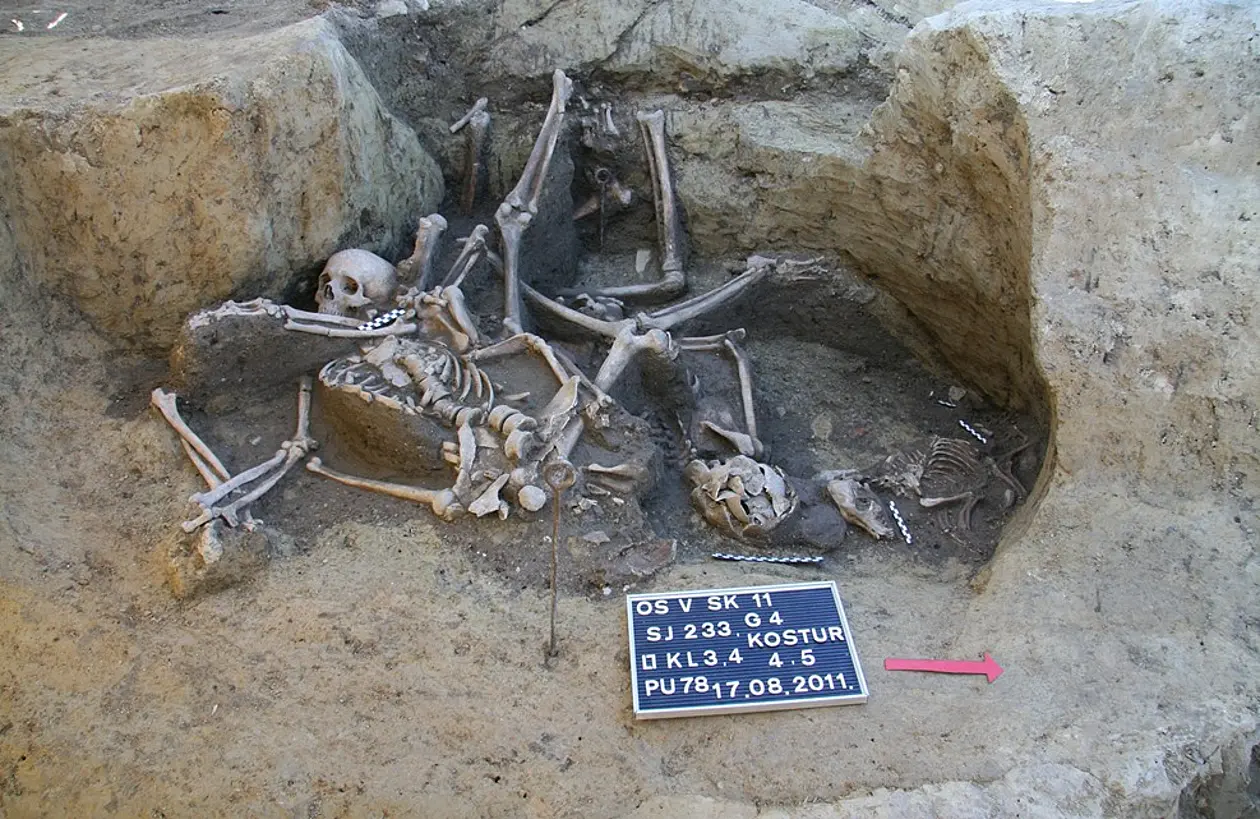
Led by Dr. Mario Novak from the Institute for Anthropological Research in Zagreb, Croatia and Professor Cosimo Posth from the University of Tübingen, Germany a new study combines bioarchaeological, isotopic and ancient DNA methods to analyse pathological conditions, dietary patterns, and genetic affinities of seven Late Antique (3rd century CE) individuals who were recovered from a used water-well in the Roman period city Mursa (modern-day Osijek in eastern Croatia). Direct radiocarbon dates, available historic and archaeological records as well as biological and genetic characteristics strongly suggest that these individuals were Roman soldiers, victims of a catastrophic event occurring as the result of the so-called ‘Crisis of the Third Century’.
Two major battles occurred near the city of Osijek (Roman period Mursa) in Late Antiquity. The first one took place in 260 CE when the emperor Gallienus defeated the claimant to the imperial throne Ingenuus, and the second was fought between the emperor Constantius and the usurper Magnentius in 351 CE. Both battles were recognized by contemporary sources as some of the bloodiest battles in the history of the Roman Empire with thousands dying on all involved sides.
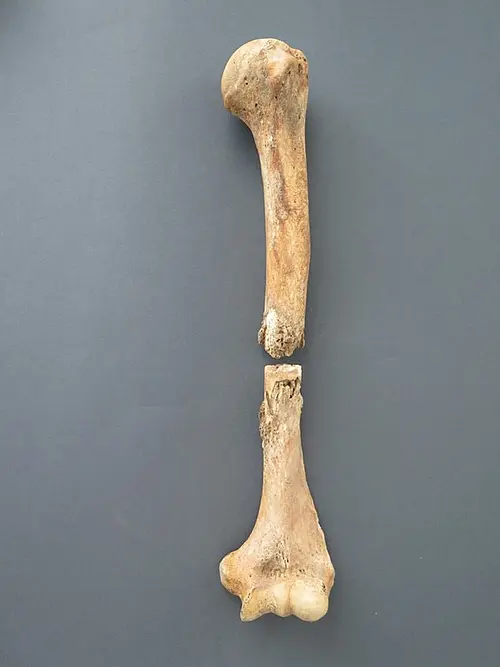
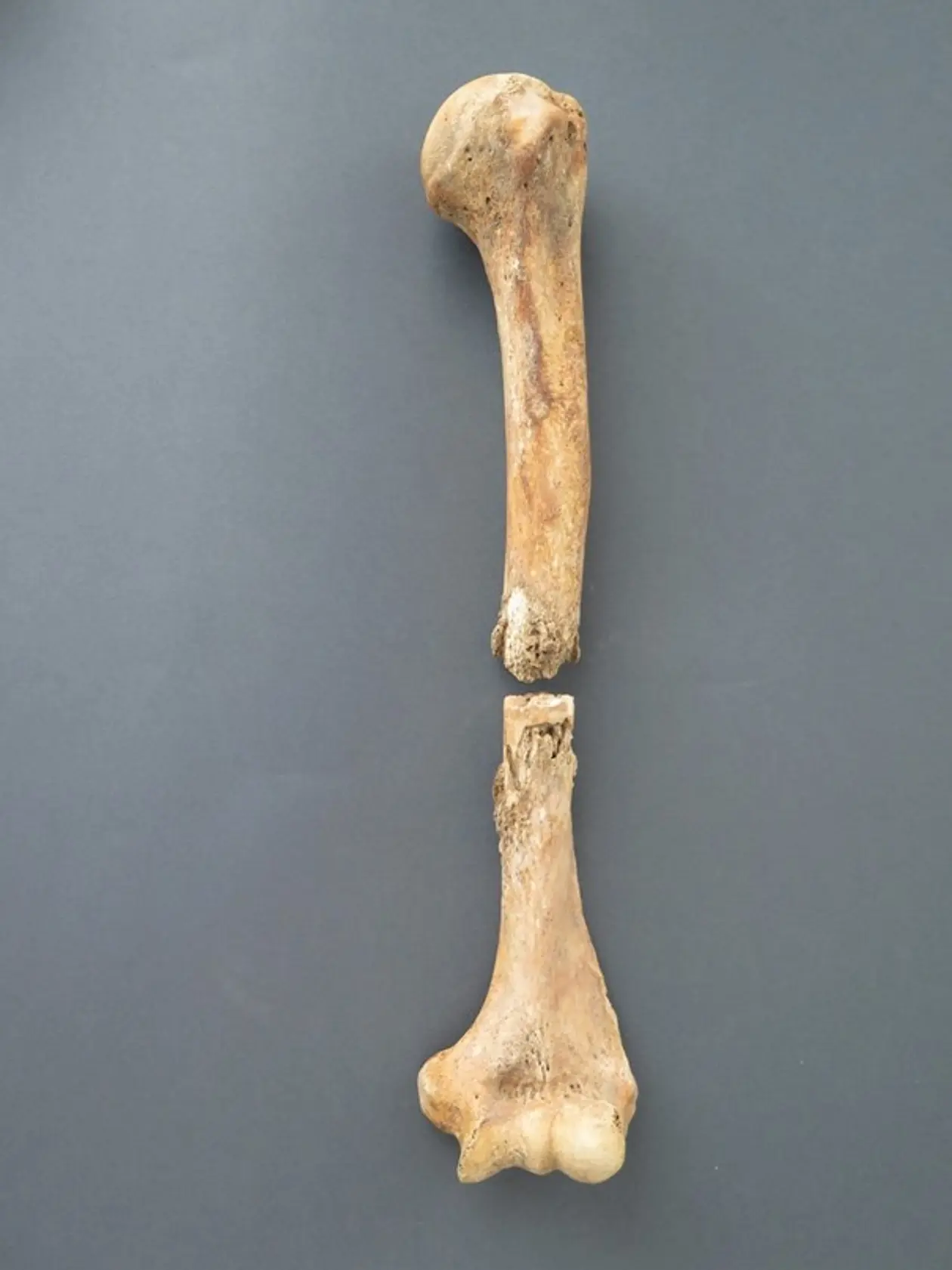
"We were inspired to study these individuals based on their unusual burial context and the large number of fatal injuries found on the skeletons," says Mario Novak, a Senior Research Associate at the Centre for Applied Bioanthropology, Institute for Anthropological Research in Zagreb and the first author of the study.
Publication:
Mario Novak, Orhan Efe Yavuz, Mario Carić, Slavica Filipović, Cosimo Posth: Multidisciplinary study of human remains from a 3rd century mass grave in the Roman city of Mursa, Croatia. PLOS ONE, https://doi.org/10.1371/journal.pone.0333440
Contact:
Prof. Dr. Cosimo Posth
University of Tübingen
Institute for Archaeological Sciences, Department of Geosciences
Phone +49 7071 29-74089
cosimo.posth@uni-tuebingen.de
Share


