

attempto online
17.09.2025
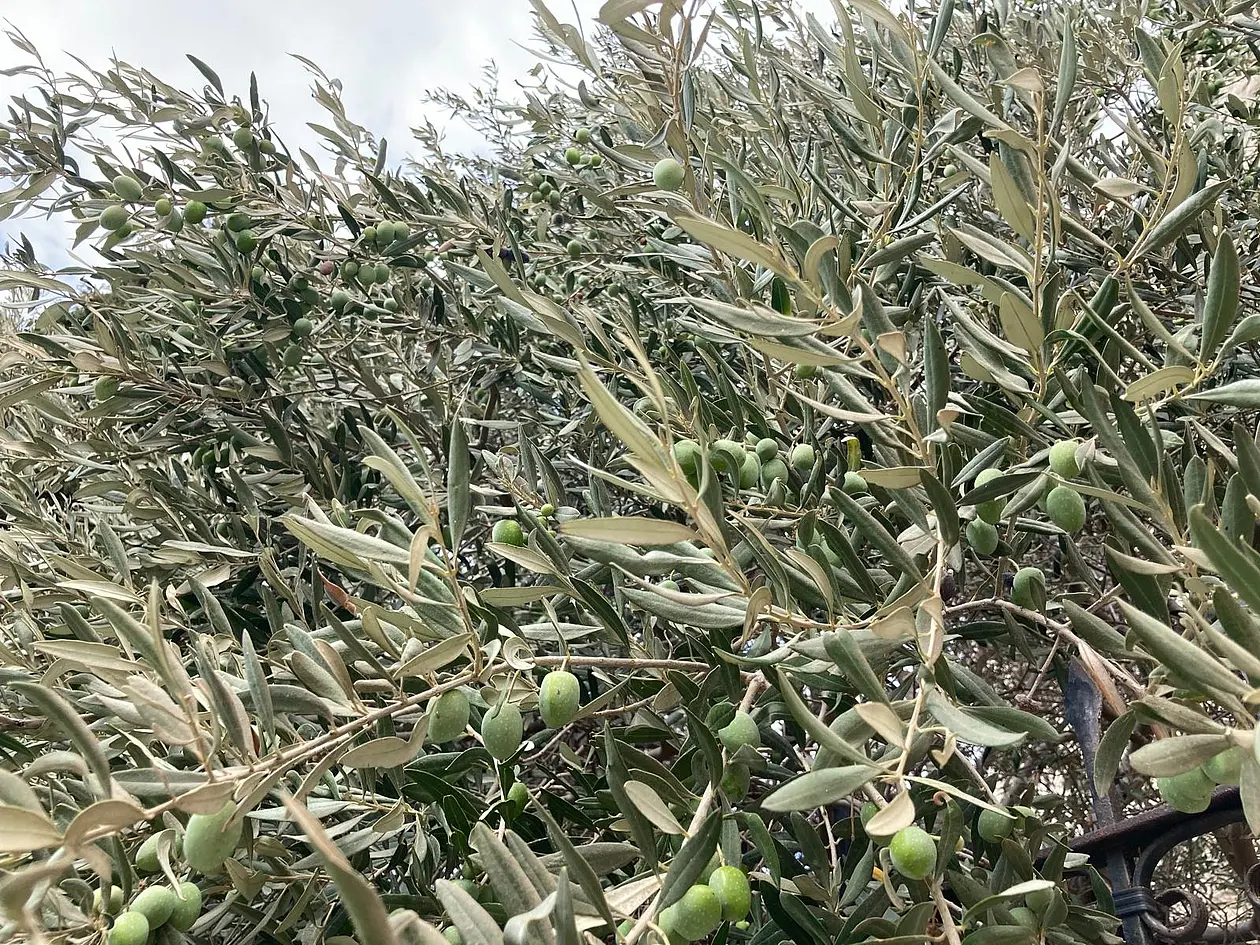
Bronze and Iron Age farmers in the Near East demonstrated ecological expertise in the cultivation of wine and olives
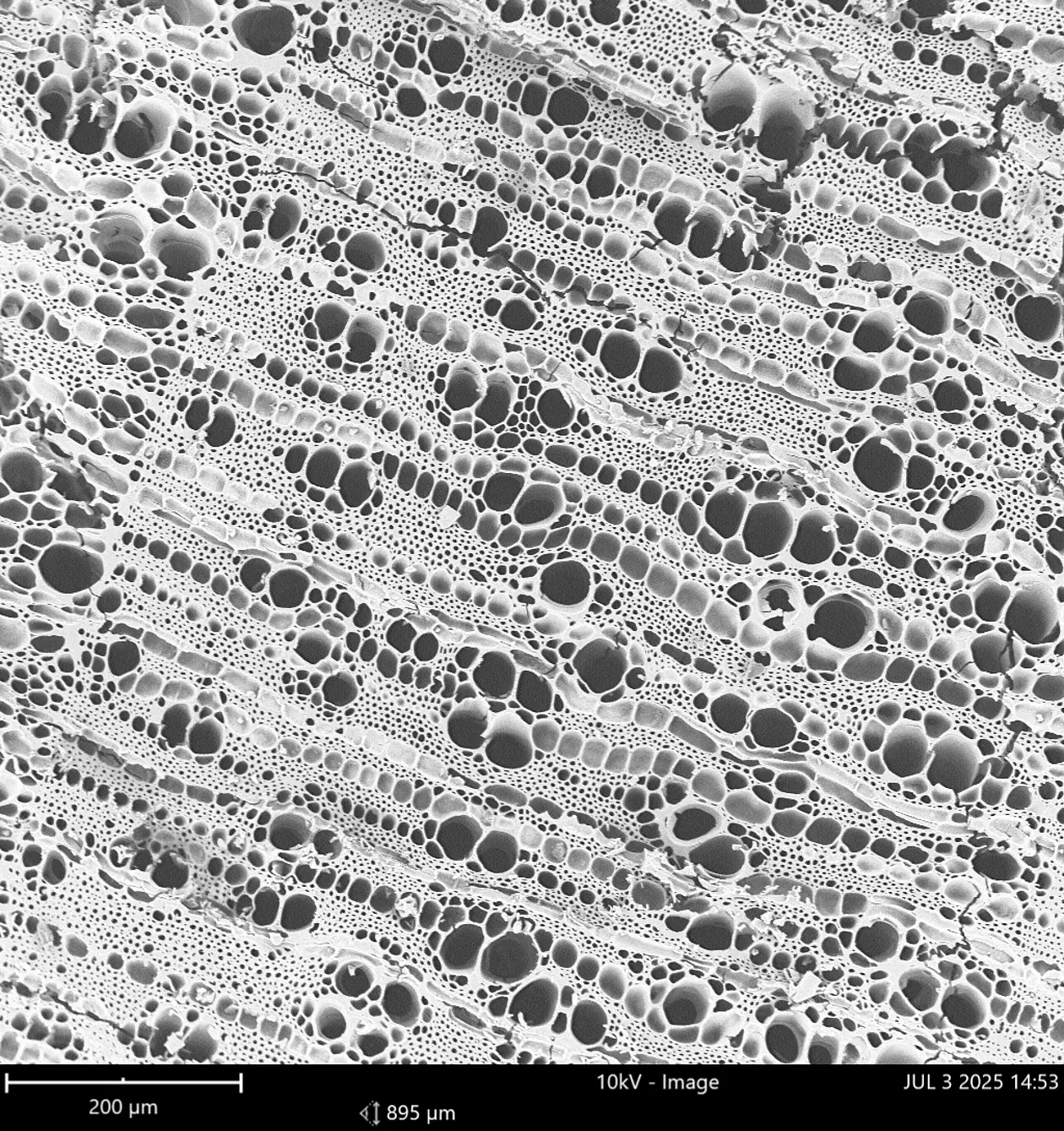
Farmers in the Near East more often applied irrigation to wine grapes than to olive trees during times of climatic change in the Bronze and Iron Ages, according to new research. Archaeobotanists who analysed the charred remains of ancient plant samples found that irrigation was used to maintain grape cultivation in regions of prioritised viticulture. Their findings provide evidence of the importance of wine production for cultural and economic purposes during that period. The research, led by the University of Tübingen, Germany, and involving Durham University, UK, is published in the journal PLOS One.
The team looked at over 1,500 seed and wood charcoal samples from grape and olive plants from the Early Bronze Age to the Iron Age (5,000 to 2,600 years before today). The samples originate from areas in present-day Türkiye, Syria, Lebanon, Jordan and Israel.
“We have found that comparing the stable carbon isotope values in the remains—meaning the non-radioactive forms of carbon that do not decay over time—allows us to draw conclusions about how much water was available to the plants during their growth. In addition, it allows us to infer how humans ensured high plant productivity in alignment with environmental parameters,” says lead author Dr. Simone Riehl from Institute for Archaeological Sciences, at the University of Tübingen and the Senckenberg Center for Human Evolution and Palaeoenvironment.
Dr. Katleen Deckers from the Institute for Archaeological Sciences adds: “This is the first study to use stable carbon isotopic measurements on olive and grape wood charcoal remains to draw conclusions about their former cultivation management. The study shows that these measurements accurately reflect the moisture conditions to which the plants were exposed.”
During the Early Bronze Age evidence of water stress matched seasonal variations in moisture. During later periods there was greater variability in water stress, while the presence of grapes and olives in drier regions indicated more widespread use of irrigation.
Publication:
Simone Riehl, Katleen Deckers, Ishiba Hinojosa-Baliño, Darren R. Gröcke & Dan Lawrence: Fluctuations of viti- and oleiculture traditions in the Bronze and Iron Age Levant, PLOS One. https://doi.org/10.1371/journal.pone.0330032
Share


