

attempto online
14.07.2025
Revealing cell interactions
The Medical Technology and Imaging Excellence Platform brings research groups together
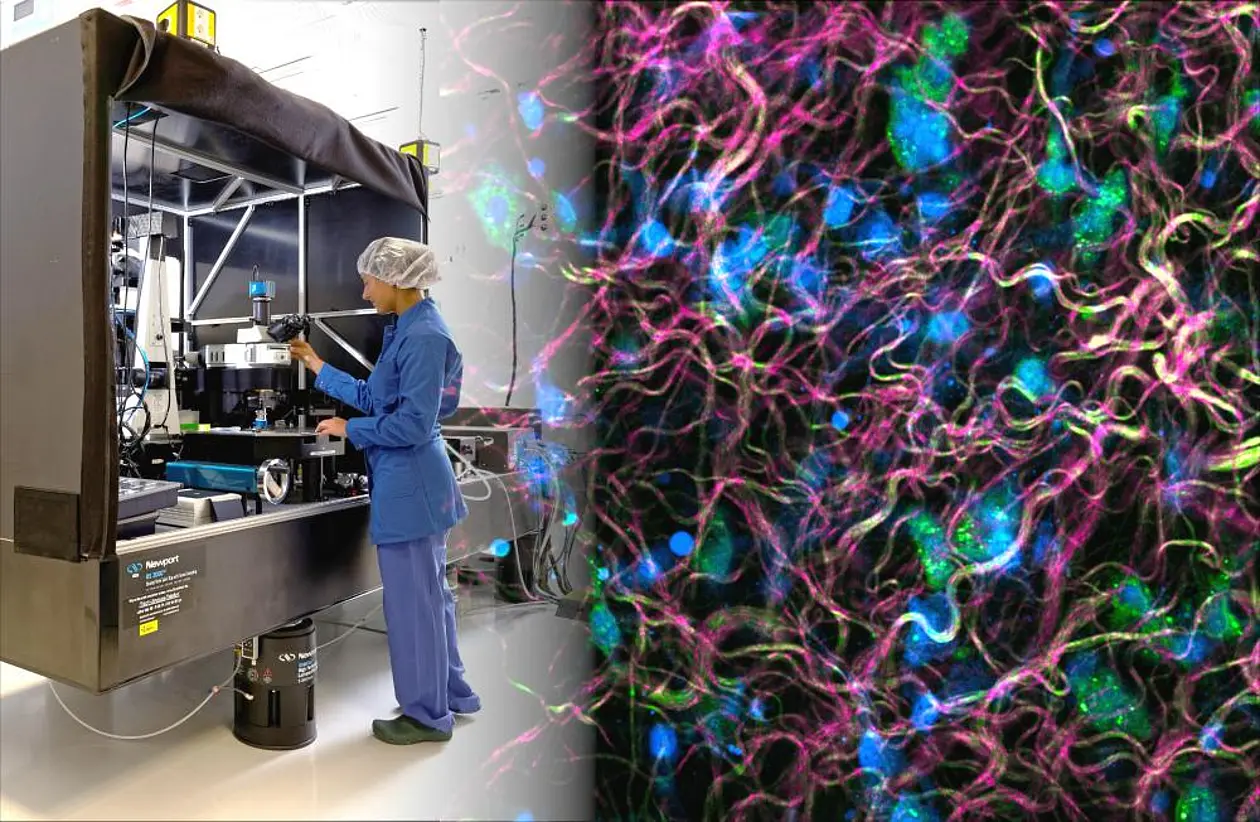
The Medical Technology and Imaging Excellence Platform is based on a research and study program cooperation with the University of Stuttgart and is part of the University of Tübingen's excellence strategy. The platform's research focuses include biomedical magnetic resonance, high-field MRI, radiation oncology, preclinical imaging, intravital and light-sheet microscopy, radiopharmacy and AI in imaging.
“Two of our current projects that cooperate closely with my own research group comprise a good example of how an excellence platform can bring research groups together,” says Professor Bettina Weigelin, who works at the Werner Siemens Imaging Center (WSIC) and whose research group, Preclinical Imaging of the Immune System, is part of the Medical Technology and Imaging Excellence Platform. “Professor Alexander Weber's research group in immunology and Professor Birgit Schittek's research group in dermatology both deal with inflammatory skin diseases, namely psoriasis and atopic dermatitis,” says Weigelin. On the surface, these skin diseases are similar, but from a biological point of view they have different causes and therefore need to be treated differently. The research teams therefore aim to find out more about how the immune cells in the skin behave.
“Alexander Weber and Birgit Schittek approached me with various imaging questions because we want to understand what happens at the cellular level,” says Weigelin. All three and their teams are also members of the Transregional Collaborative Research Center 156, The skin as a sensor and initiator of local and systemic immunity, which includes participation from the Universities of Heidelberg, Mainz and Münster.
Examination of skin models using multiphoton microscopy
In her project, Birgit Schittek develops human skin models ex vivo. This means that various human skin cells are removed and artificial skin models are developed from them. “This allows us to use a human system to understand how the cells interact with each other to cause inflammation and how we can counteract this therapeutically,” explains Bettina Weigelin. These 3D models can replace or complement animal experiments and are currently the subject of many research projects.
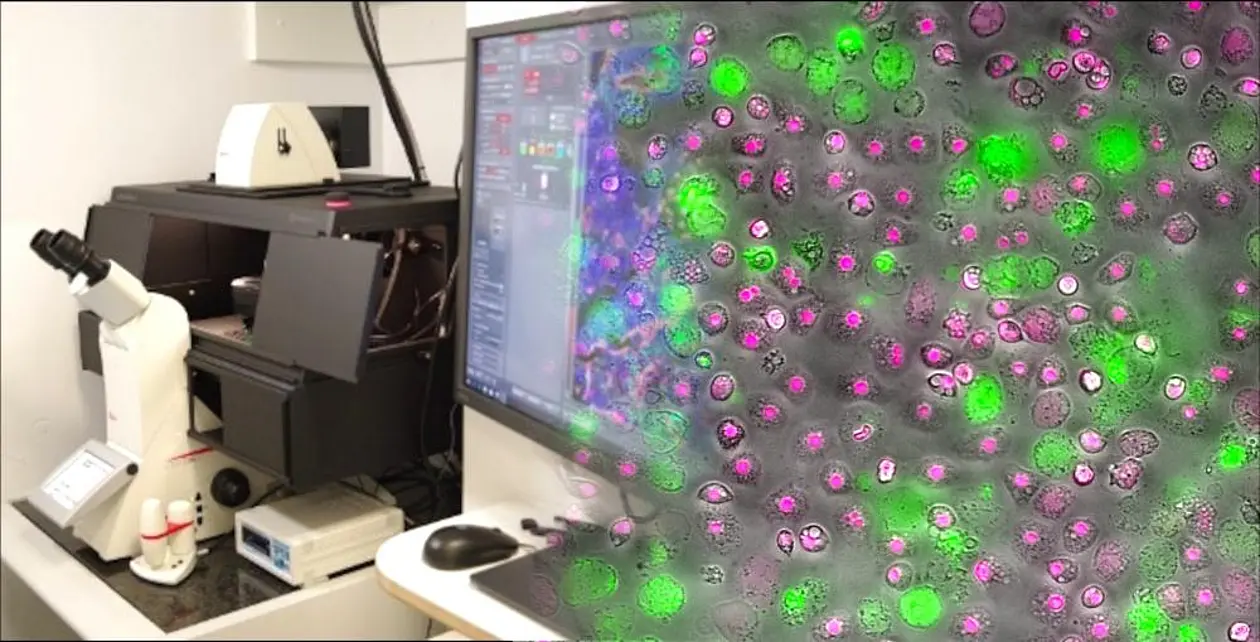
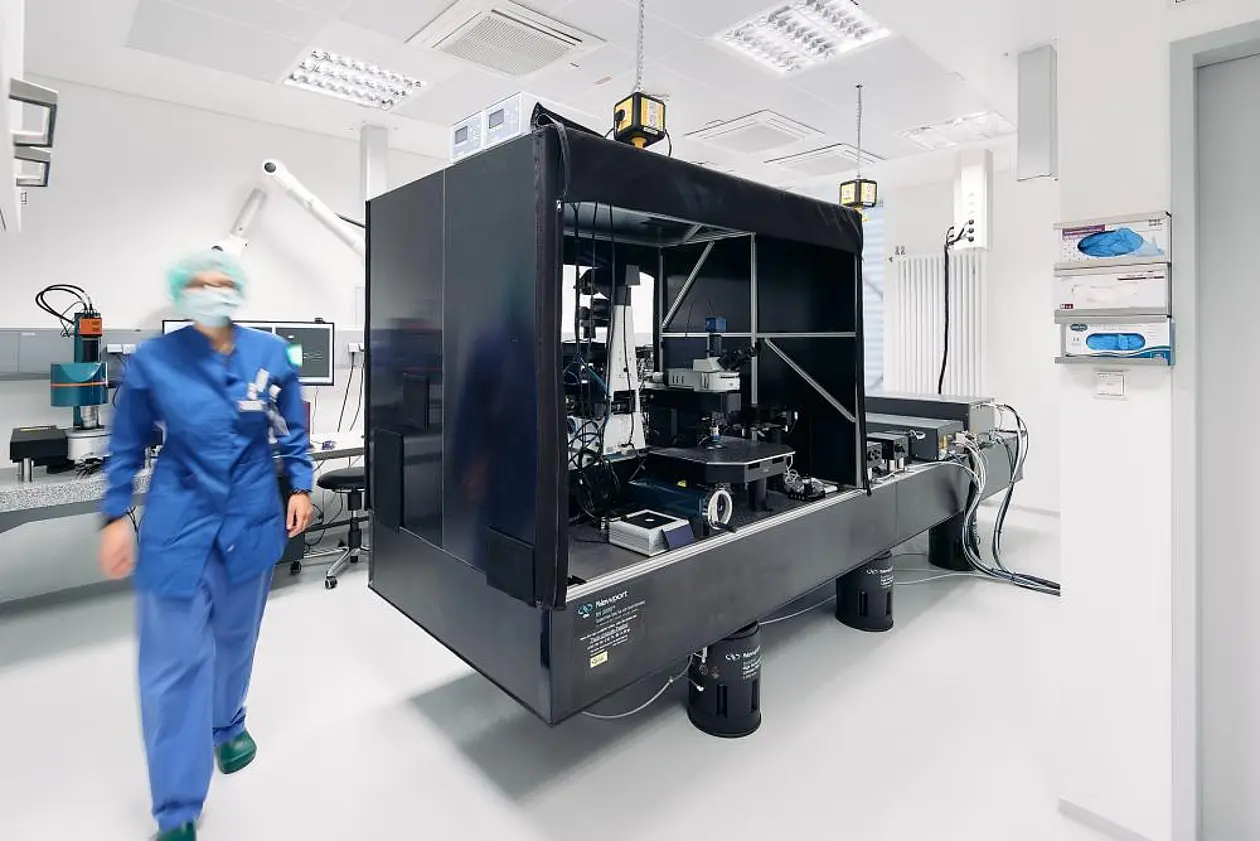
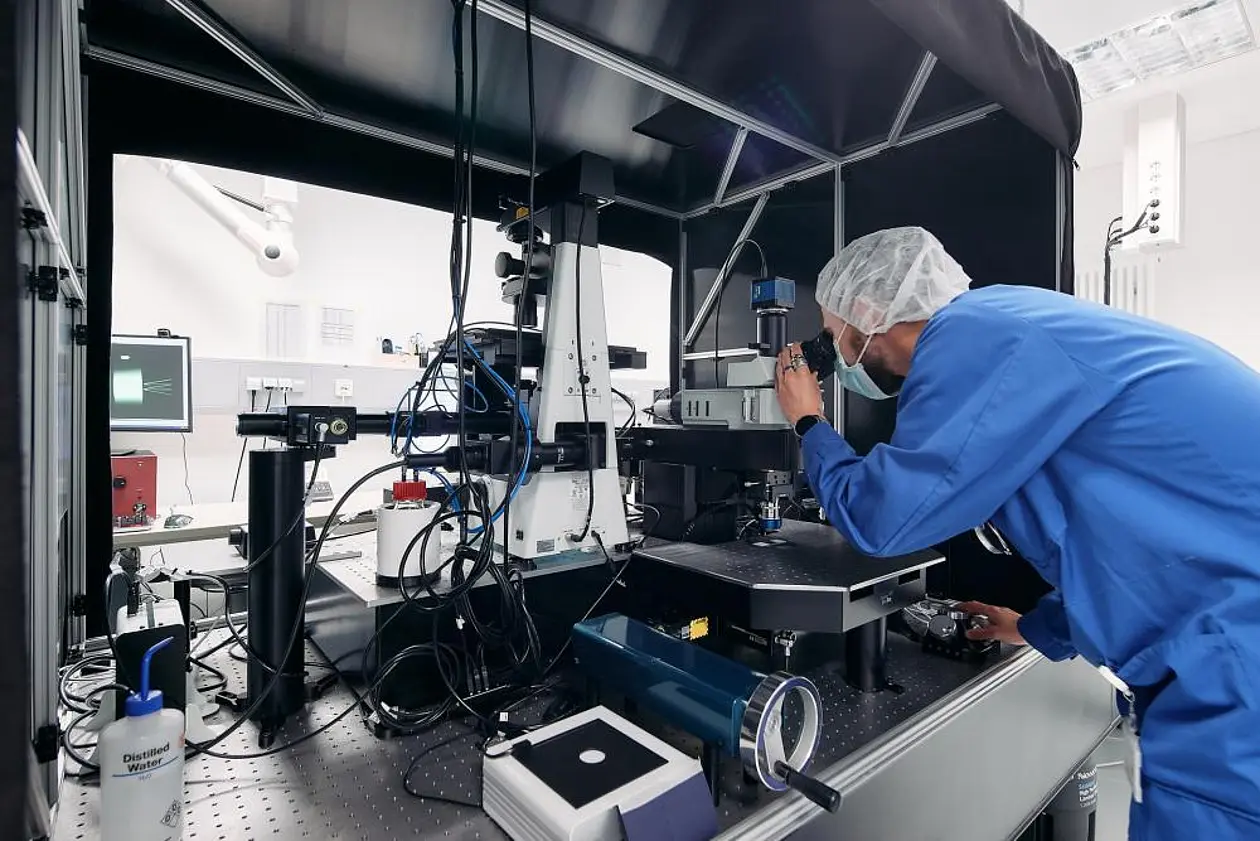
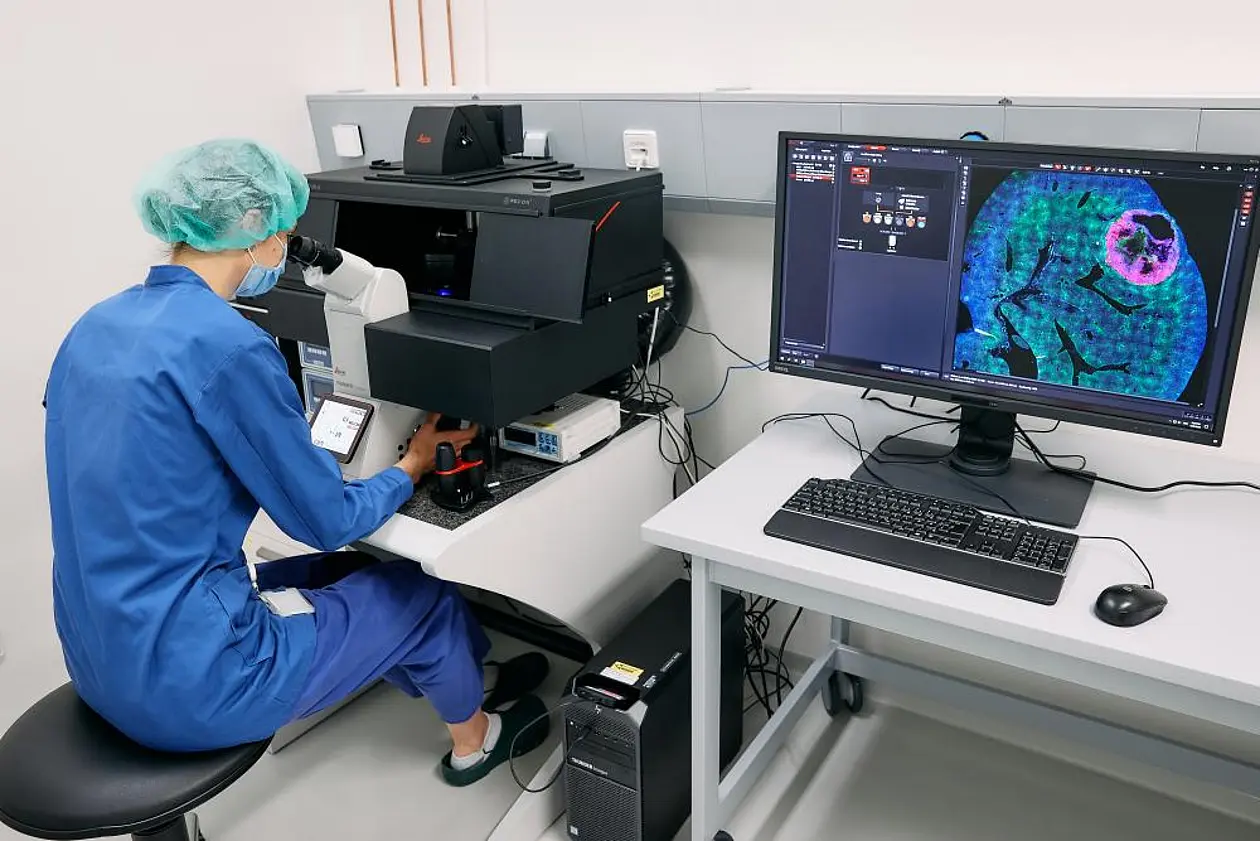
Intravital or multiphoton microscopy is required to examine the relatively thick skin models. “With the multiphoton microscope, we can look deep into the skin layers right down to the dermis and see how the various immune cells that we integrate into the model behave,” explains Weigelin. The aim is to find out what role macrophages - a specific immune cell subtype - play in the different manifestations of psoriasis and atopic dermatitis and why bacterial infections are combated by macrophages with different efficiencies in the two diseases. “Ultimately, we are looking for where we can start to prevent these infections,” says Weigelin.
The Excellence Platform offers communication and infrastructure
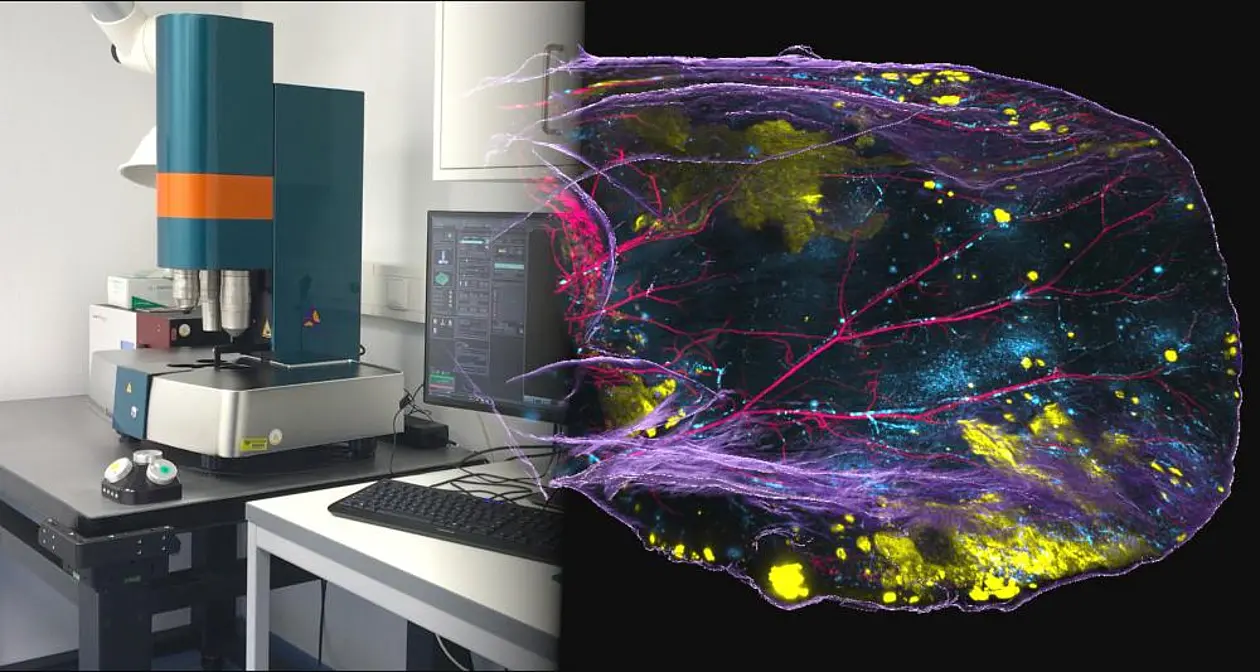
The second research project led by Alexander Weber from the Department of Immunology in Tübingen is investigating the role that blood platelets play in the development of psoriasis. "We are using various mouse models for imaging and are also using multiphoton microscopy to be able to look into the living skin of the mouse. The technology allows us to look into the skin without having to cut into it. We use infrared lasers for excitation, and infrared light goes deeper into the tissue," explains Bettina Weigelin. “If we know what role platelets play in the infection process, this knowledge can be used to treat psoriasis.”
The close cooperation between the two research projects and Bettina Weigelin's imaging research group shows how the platforms of excellence work and what added value they bring for the scientists. “Without the medical technology platform and the associated communication and interaction, for example via the social media channels of the individual research areas, we probably wouldn't have found each other,” reports Weigelin.
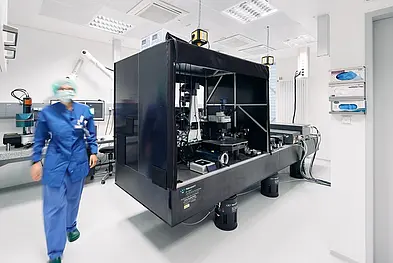
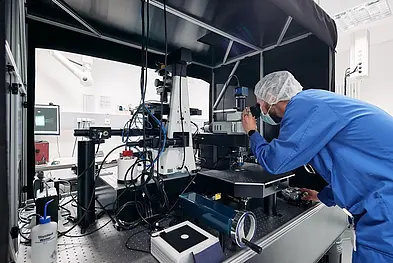
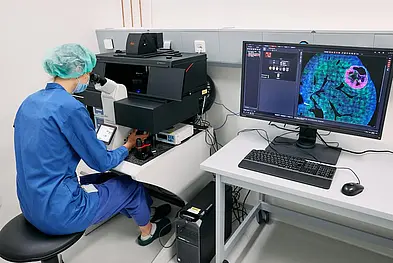
In addition, the platform also provides the methods. Excellence Cluster funds were used to purchase three microscopes, which the scientists also use for imaging within the platform. “Procuring equipment like this is much quicker and easier in the Excellence context than it would normally be.”
Johannes Baral
Further information on the Medical Technology and Imaging platform


Share


