Would wearing a mask over our mouth and nose leave us breathless, particularly during strenuous activity like carrying boxes or climbing stairs at work?
At the beginning of the Covid 19 pandemic in 2020, no one knew the exact answer and people were concerned that wearing masks could cause permanent damage. For companies, their employees, and insurance companies, understanding the implications of wearing masks was extremely important. At the time, the only guidance was provided by the German Social Accident Insurance regulation for the use of respiratory protection devices for work in dusty environments. It stipulated how long masks could be worn, such as heavy-duty masks that must be worn over the entire head when removing asbestos. There were no studies on the consequences of wearing medical masks, which were compulsory for a long time during the pandemic.
Occupational physicians and safety officers asked the Institute for Occupational and Social Medicine, and Health Services Research at the University of Tübingen to
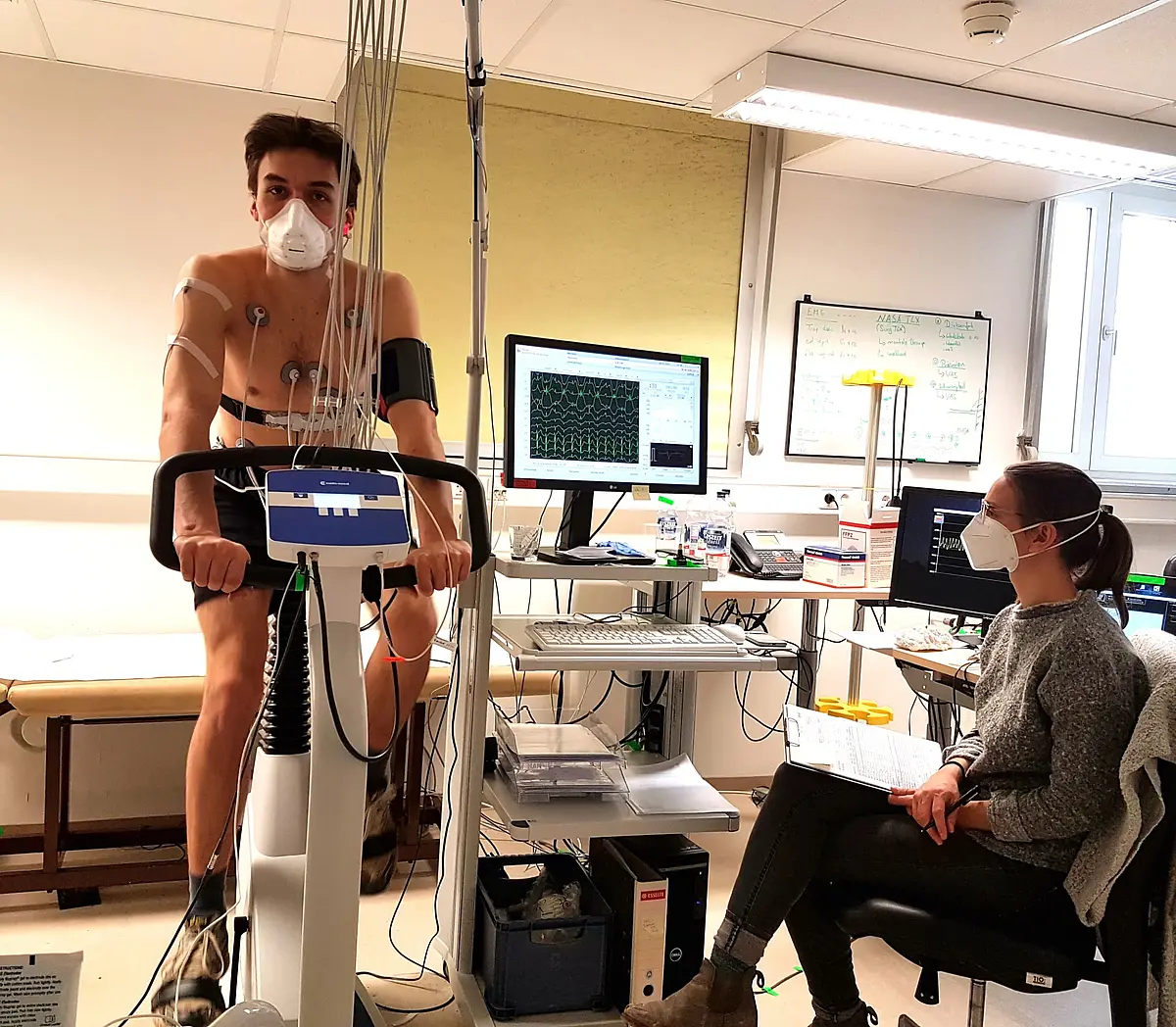
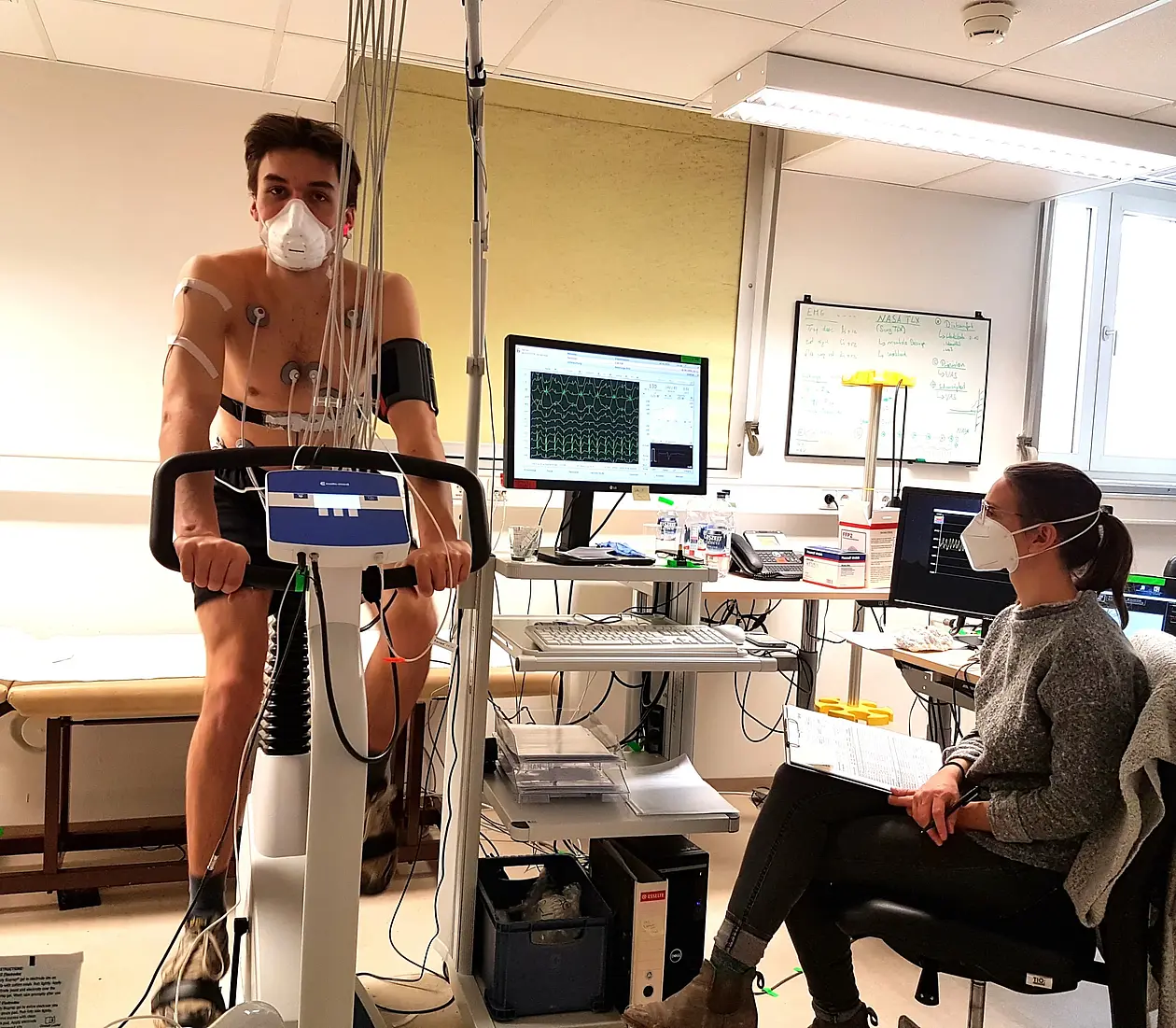
research the effects of masks in the workplace. “Test subjects sorted bottles, carried boxes, or cycled on a fitness bike, mostly for more than two hours. Sometimes they wore a mask, sometimes not. We measured their vital functions: heartbeat, blood pressure, oxygen saturation, carbon dioxide in the blood, and physical performance. And we also asked about their subjective well-being,” says Prof. Benjamin Steinhilber from the Institute for Occupational Medicine, who is also the leading author of the studies. The results of the studies were clear: “Well-being suffered while wearing masks, but vital functions were within the normal range, whether someone wore a mask or not,” says Benjamin Steinhilber. The gender of the study participants or their individual fitness also had no measurable effect.