Uni-Tübingen

Obesity in the brain
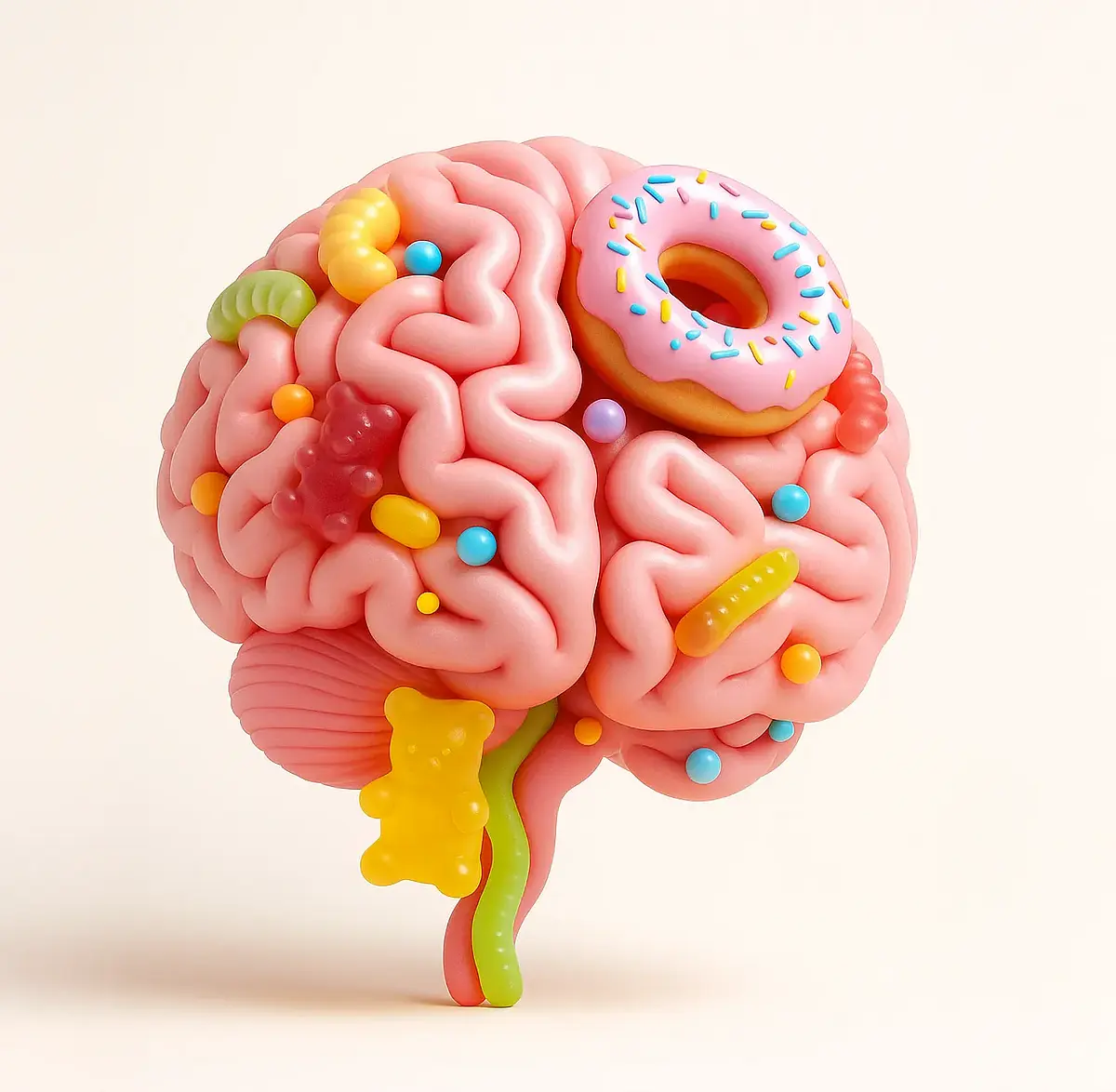
Eating too many sweets or fatty foods alters the brain's hunger regulation after just a few days.

After a long, stressful day at work, or when pressed for time, the temptation to have a quick, satisfying snack –like crisps or a chocolate bar – can be strong. Research shows that these ultra-processed, high-calorie foods play a significant role in the development of obesity, but the lasting effects these foods have on the brain was not clear – until now. Surprisingly, even short term consumption of highly processed, unhealthy foods can significantly reduce insulin sensitivity in the brains of healthy people. This effect persists even after returning to a normal diet, as shown in a recent study my colleagues and I conducted, highlighting the brain’s important role in the development of obesity 1.

Unhealthy fat distribution and ongoing weight gain are linked to the brain’s response to insulin. In a healthy person, insulin helps control appetite in the brain. However, in people with obesity, insulin loses its ability to regulate eating habits, leading to insulin resistance. Insulin plays many roles in the body, including helping sugar, or glucose, reach muscle cells to be used for energy after a meal. In the brain, insulin also signals the body to eat less.


Unhealthy fat distribution and ongoing weight gain are linked to the brain’s response to insulin.


Not every brain responds the same

But not every brain responds equally to insulin. Many people have a weak or absent insulin response in the brain, known as “brain insulin resistance”. People with brain insulin resistance experience more food cravings and have more belly fat. Fat can promote obesity and so contribute significantly to insulin resistance.

The more fat cells there are, especially in the belly, the less effective insulin is. Fat re- leases messenger substances that promote insulin resistance. However, the signs of reduced insulin sensitivity in the brain can already be seen way before we speak of obesity, which is defined as a body mass index (BMI) above 30. This is calculated as weight (in kilograms) divided by the square of height (in meters), but has its limitations. So it is recommended that excess obesity needs to be confirmed by measuring body fat.


Consuming unhealthy foods reduces insulin sensitivity in our brains.


After just five days of consuming an extra 1,500 calories consisting of chocolate bars and crisps, the insulin sensitivity in the brains of the study participants drastically dropped. Symptoms that, until now, have mostly been seen in obese people. Even one week after resuming a normal diet, MRI scans showed a persistently low insulin sensitivity in the brain. Although no significant weight gain was seen, the short period was long enough to let liver fat rise significantly.

It seems that obesity is not only a matter of poor diet and insufficient exercise. It also has a lot to do with the adaptation of the brain’s insulin response to short-term changes in diet before any weight gain occurs. But is insulin resistance in the brain a permanent issue? In the past, exercising regularly over a period of time has been shown to restore brain insulin sensitivity in overweight and obese people. The assumption can be made that this also could apply to people of normal weight. The number of obese people worldwide has more than doubled in the past two decades. And there is little evidence that this trend will shortly come to an end. It is clear that the role of the brain has to be taken into account since the mechanisms in the body that lead to obesity are more complex than just a poor diet and lack of exercise.


People with brain insulin resistance have more food cravings and accumulate more belly fat.


Professor Stephanie Kullmann researches neurobiological mechanisms associated with obesity and diabetes in humans. 

She is deputy head of the Metabolic Neuroimaging Department at the Institute for Diabetes Research and Metabolic Diseases (IDM) at the Helmholtz Center Munich at the University of Tübingen


1 Stephanie Kullmann et al, „A short-term, high-caloric diet has prolonged effects on brain insulin action in men”, Nature Metabolism, 21 February 2025, https://www.nature.com/articles/s42255-025-01226-9 

Text: Stephanie Kullmann


More articles

What the witch trials reveal about economics 

Economic historian Jörg Baten studies violence, education, and growth using unconventional methods for investigating historical contexts.

A house for any situation

For ten years, the LebensPhasenHaus in Tübingen has inspired people to live independently for longer in their own homes.