Uni-Tübingen

Our work on alternatives to animal testing

In vitro experimental methods today play an increasingly important role in research and research funding. These include, for example, work with cell cultures. Computer simulation can also serve as a complement to animal testing. In biomedical research, it is used to model biological processes and test hypotheses using theoretical models. This approach is frequently used in neurobiology to illustrate the functions of the central nervous system. However, not all questions can be answered using alternative model systems. It is therefore the scientific consensus that, for the foreseeable future, not all animal experiments can be replaced by non-animal alternatives.

The 3Rs principle: Replace, reduce, and refine animal testing

When conducting animal experiments, the 3R principles serve as ethical guidelines:

  • Replace: The use of laboratory animals should be avoided wherever possible, for example through in vitro methods such as cell culture experiments, computer simulations, or organ-on-a-chip technologies.
  • Reduce: If animal testing is unavoidable, the goal is to reduce it to a minimum, for example through better experiment design and improved statistical analysis.
  • Refine: The distress caused to laboratory animals should be minimized, for example through procedural optimization and pain relief.
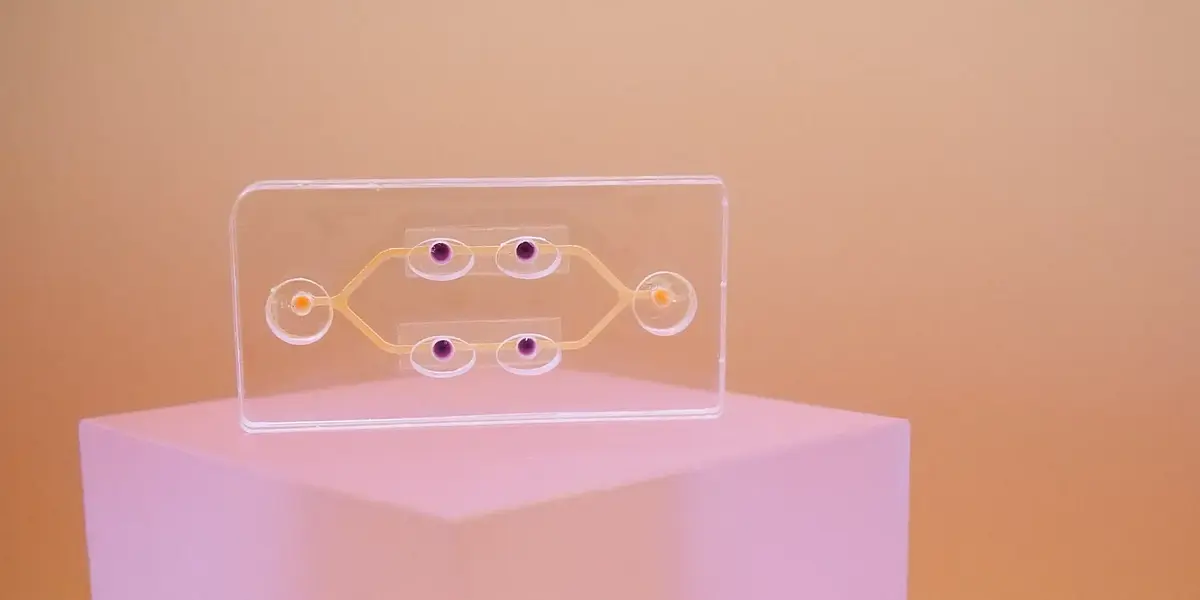
3R Center for in vitro models and alternatives to animal testing

Tübingen has established the 3R-Center für In-vitro-Modelle und Tierversuchsalternativen, scientific center to further advance research into alternative methods to animal testing. The center is funded by the Baden-Württemberg State Ministry of Science, Research, and the Arts and is part of the state’s 3R network. The 3R Center aims to bring researchers together and works closely with regulatory authorities, policymakers, and users of replacement and alternative methods. This is intended to enable researchers to address their scientific questions using modern and complex in-vitro models.


Alternatives successfully developed

Researchers at the University of Tübingen and Tübingen University Hospital have developed various alternative methods to avoid animal testing or minimize the stress on laboratory animals. These include:

  • a testing system for oncolytic viruses to research new cancer therapies
    The system may be used on human tissue samples and replaces animal testing. Oncolytic viruses are a novel form of cancer treatment (virotherapy); they can identify and specifically destroy tumor cells.
  • a real-time heart valve bioreactor
    Biological heart valve prostheses (made from pig heart valves or bovine pericardium) have a limited lifespan because calcium deposits lead to degeneration over the years. To mitigate these effects, research has been conducted on animals such as sheep. The new testing system replaces these experiments: Here, heart valves can be implanted and monitored, while blood flow, blood pressure, heart rate, etc., are simulated by a machine.
  • Nasal spray to test use of stem cells in neurodegenerative diseases
    Whereas cells used to have to be implanted into the brain of a laboratory animal, it is now sufficient for the animals to inhale a drop of cell suspension through their noses. From there, the cells migrate through the nasal mucosa into the brain. The new procedure is tolerated well and causes no discomfort or pain.

News and research

Latest news, scientific findings, and events related to research involving animals.