Is science more vulnerable to human fallibility than researchers would like to admit?
EF: That sounds like a negative perspective to me. Science is a domain where people work independently and logically with certain career ambitions. These are positive human attributes. It can only work that way. What helps drive science forward then? The search for knowledge, of course, but also individual career ambitions.
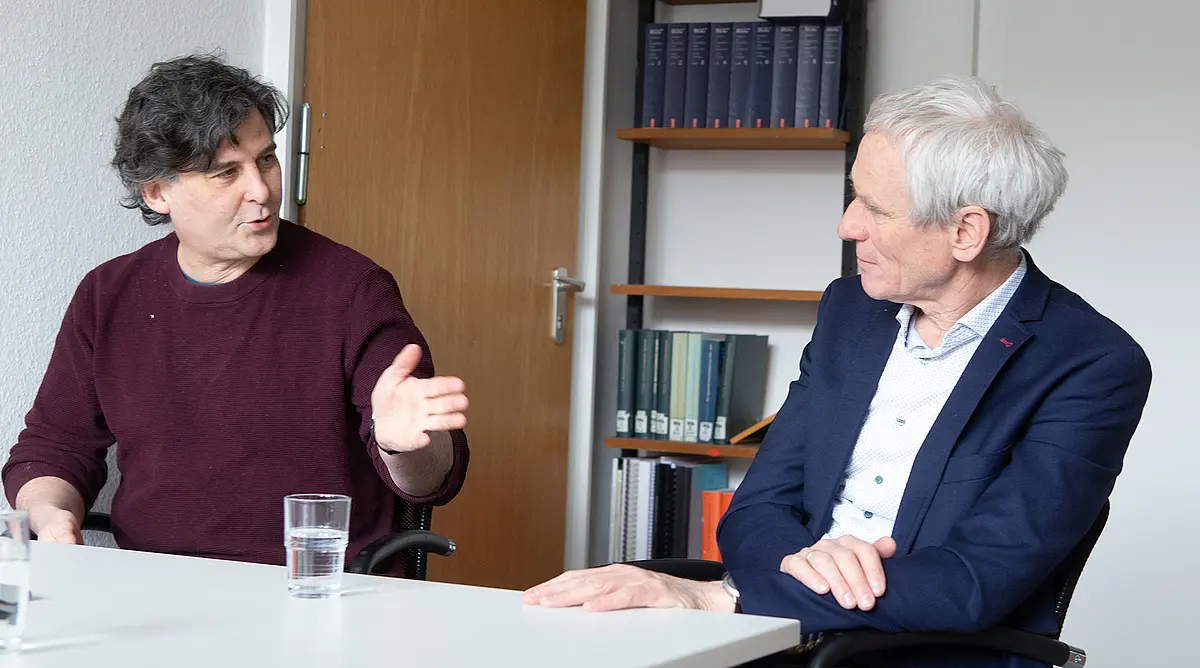
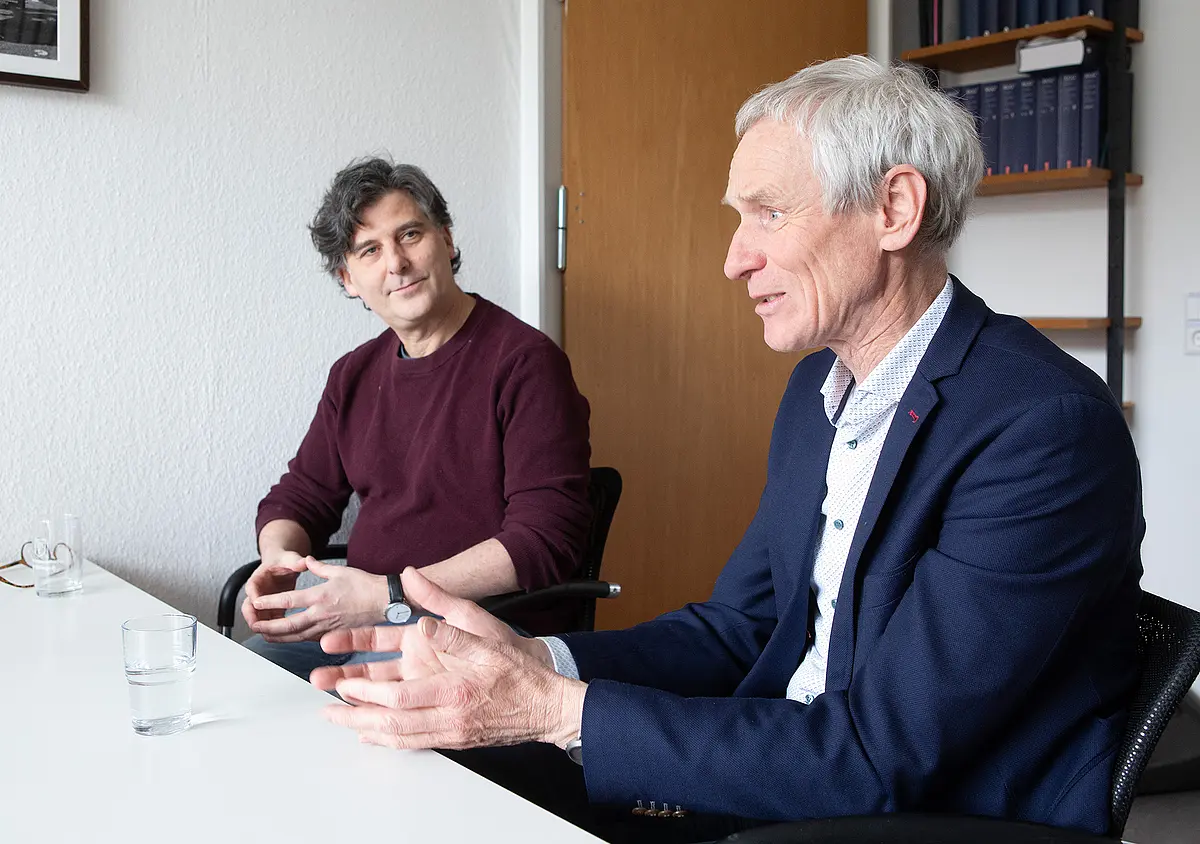
BN: Individuals are required to form groups in the scientific community and develop working methods that are not prescribed by the theory of science. This often involves very practical questions: With whom can I work easily, with whom might it even be fun? If the ways of thinking and working styles of two people are in conflict, it would be wiser not to establish a research group together. It’s about negotiation processes between people with different biographies and expertise.
You also focus on the social aspect of research in your book.
EF: A research network is a social group. Professionalism and emotions mix in everyday work. On retreats, you might be sitting together having a discussion with 40 other people. Everyone sees who says what and how much people contribute, everyone observes and judges each other – it’s a stressful situation. That’s why moments are particularly important where researchers are able to take time out together, share stories and laughter and create space for legends to grow. We describe some of these in our book, such as the “unforgiving reviewer” who is characterized as an external threat when researchers are sharing their stories. It’s legends like this that create identity
and cohesion.
BN: Emotions are important. They can release energy on the one hand but also have a paralyzing effect. When people criticize our projects or reject our ideas it can be quickly taken personally, because people are often dedicated to their research, it isn’t just work but a central part of their lives. You have to learn to deal with that in a team.
Are the humanities and social sciences ready for collaborating in networks?
BN: Research proposals are evaluated based on what they promise as a result. Such a promise is harder for the humanities and social sciences to deliver than for others. Their research thrives on the desire to discover something new and the openness of knowledge, meaning a rather loose connection between the proposal and the results. We have to define our goals differently than, for example, the natural sciences.
EF: Humanities and social sciences do not seek solutions that can be applied consistently to a specific problem. In “Threatened Orders,” we found a pattern we could use to compare threat trajectories. However, we did not find a solution for all future crises. Our aim was to improve the perspective on crises. Humanities research is characterized by this openness. If the scientists recognize this, they can work excellently in collaborative projects.
Are we on the right path with the trend towards collaborative research?
BN: The current focus on collaborative research naturally has its own shortcomings. For example, too much emphasis is often placed on the number of published articles in publishing rather than article content. Despite this, I have the overall impression that this movement towards professionalization, teamwork, and the democratization of academic environments is the right one. The old logic system of science being led by a few seemingly outstanding bourgeois men does not seem to me to be the better alternative.